Antalya, Turkey – October 27, 2026 – A powerful tornado tore through a construction site in the southern Turkish province of Antalya on Thursday, claiming the lives of four migrant workers and injuring another. The violent vortex ripped through temporary housing units, reducing them to debris and sending metal fragments hurtling hundreds of meters. The incident has cast a grim shadow over the region, a vital hub for Turkey’s agricultural and citrus exports, and highlights the precarious living conditions faced by many in the construction sector.
The tragedy unfolded in the western part of the Antalya province, an area known for its extensive greenhouses and citrus groves. While the exact path and intensity of the tornado are still being assessed, its destructive force was undeniable. The four deceased individuals were identified as Syrian nationals, underscoring the vulnerability of foreign laborers in disaster-prone areas.
The Violent Onslaught: A Chronology of Destruction
The terrifying event occurred on Thursday morning, catching residents and workers by surprise. Reports indicate the tornado formed rapidly, manifesting as a powerful vortex that swept across a construction site. The primary impact zone was a cluster of containers serving as temporary accommodation for the construction crew.
Eyewitness accounts, though scarce due to the suddenness and ferocity of the event, describe a chaotic scene of swirling debris and deafening noise. The tornado’s immense power was evident in the complete destruction of the two residential containers. The force was so great that parts of the structures were reportedly carried for hundreds of meters, becoming dangerous projectiles.
The immediate aftermath saw a desperate search for survivors amidst the wreckage. Emergency services were quickly dispatched to the scene, but the scale of the devastation presented significant challenges. Tragically, four workers were found deceased, their lives extinguished by the catastrophic impact. A fifth worker sustained injuries and was promptly transported to a local hospital for medical attention. The severity of his injuries has not been disclosed.
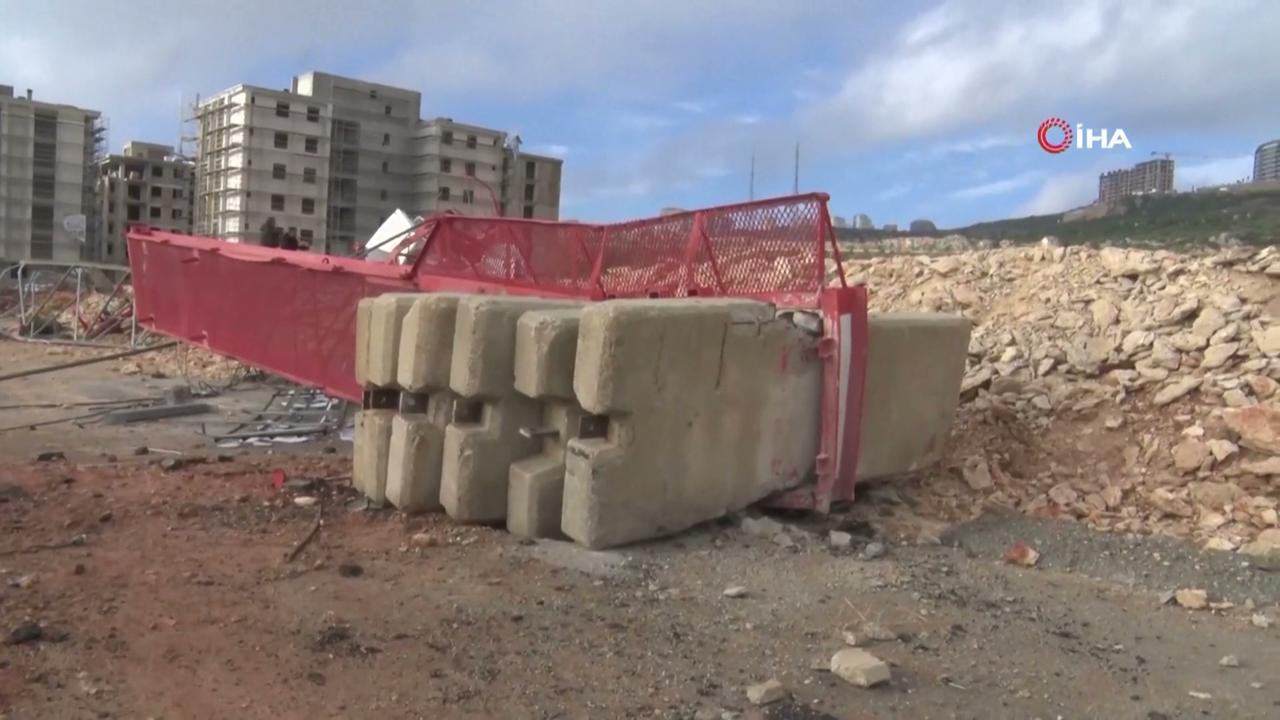
In addition to the human toll, the tornado’s destructive path extended to the infrastructure of the construction site. A large crane, a critical piece of equipment for such projects, was toppled by the storm’s force, adding to the widespread damage.
Supporting Data and Regional Impact: More Than Just a Construction Site
The impact of the tornado, however, extended beyond the immediate vicinity of the construction site. The western regions of Antalya province, a cornerstone of Turkey’s agricultural production, experienced significant damage to numerous greenhouses. These structures are vital for the cultivation of vegetables and citrus fruits, which are major export commodities for the nation. The extent of the agricultural damage is still being assessed, but it is expected to have a considerable economic impact on the region and potentially on the national supply chain for certain produce.
Antalya is a vital economic engine for Turkey, renowned not only for its tourism but also for its significant agricultural output. The province is a leading producer of vegetables like tomatoes, peppers, and cucumbers, as well as a major source of citrus fruits such as oranges and lemons. The damage to greenhouses could disrupt supply chains, affect export revenues, and potentially lead to increased prices for consumers.
The tornado’s destructive power also serves as a stark reminder of the increasing frequency and intensity of extreme weather events in Turkey, a phenomenon attributed by many experts to the escalating climate crisis.
Official Responses and Investigations: Accountability and Preparedness
In the wake of the tragedy, provincial authorities have launched an investigation into the incident. The governor of Antalya, Hulusi Şahin, speaking to the state-run Anadolu Agency, confirmed the nationalities of the deceased and highlighted the extensive damage.
Crucially, authorities have taken action regarding accountability. Four individuals have been detained in connection with the incident, including the owner of the construction company responsible for the project. This swift action suggests a commitment to understanding the circumstances that led to the deaths and ensuring that safety regulations were adhered to. Questions are likely to arise regarding the structural integrity of the temporary housing, the adequacy of early warning systems for extreme weather events, and the overall safety protocols in place at the construction site.
The governor’s office has also provided updates on the injured worker and the ongoing assessment of the damage. The focus of official response has been on immediate rescue and recovery efforts, followed by an assessment of the broader impact on agriculture and infrastructure.
Implications: Climate Change, Worker Vulnerability, and Future Preparedness
This devastating tornado in Antalya is not an isolated incident and carries broader implications for Turkey and the region.
Climate Change and Extreme Weather: Turkey has been experiencing an increase in the frequency and intensity of extreme weather events, including floods, droughts, and severe storms. The Antalya tornado serves as another stark illustration of this trend. Experts widely attribute this escalation to global climate change. The country is set to host the World Climate Conference (COP28) in Antalya from November 9th to 20th, where international delegates will convene to discuss global climate protection goals. This tragic event occurring in the host city will undoubtedly add a layer of urgency and poignancy to these discussions, highlighting the immediate and devastating real-world consequences of climate change.
Vulnerability of Migrant Workers: The fact that all four deceased victims were Syrian nationals underscores the precarious situation of migrant workers in Turkey. Often employed in demanding and potentially hazardous sectors like construction, these individuals frequently live in temporary and less secure housing. Their vulnerability is exacerbated by language barriers, limited access to information, and potential lack of robust labor protections. The investigation will likely scrutinize whether these workers were adequately protected from extreme weather risks and whether their living conditions met minimum safety standards.
Infrastructure and Disaster Preparedness: The extensive damage to greenhouses points to the need for more resilient infrastructure in agricultural regions, particularly in areas prone to extreme weather. Furthermore, the incident raises questions about the effectiveness of disaster preparedness and early warning systems in Turkey. While severe weather warnings were issued for the southwestern and western parts of the country, the rapid and localized nature of a tornado can pose significant challenges for timely and effective evacuation.
Lessons from Past Tragedies: This event echoes a similar tragedy that occurred in Istanbul just two weeks prior, where heavy rainfall and subsequent flooding claimed at least eight lives. The repeated occurrence of such devastating weather events across different regions of Turkey highlights a systemic vulnerability that requires a comprehensive and proactive approach to disaster management and climate adaptation.
As Turkey grapples with the immediate aftermath of this tornado, the incident serves as a critical wake-up call. It underscores the urgent need for intensified efforts to address climate change, improve worker safety standards, and enhance national and regional disaster preparedness strategies. The international community, gathered in Antalya for the climate conference, will undoubtedly be watching closely as Turkey confronts these challenges and seeks to build a more resilient future. The lives lost in Antalya are a tragic testament to the immediate and profound impact of a changing climate on human lives and livelihoods.