Introduction: A Nation Engulfed
Across the vast, verdant landscapes of Borneo and Sumatra, a climate and environmental catastrophe is unfolding with devastating intensity. Thousands of hectares of primary forest and agricultural land have been reduced to ash, choking the region in a shroud of toxic smog and threatening some of the world’s most vulnerable biodiversity. As the Indonesian government battles to contain the inferno, it has turned to an extraordinary, high-tech intervention: large-scale weather modification, commonly known as "cloud seeding." With tens of thousands of first responders and dozens of aircraft deployed, the nation is racing against time and climate to prevent an ecological collapse.
The Strategy: Engineering Rainfall from the Skies
Facing a crisis that defies conventional firefighting techniques, Indonesia’s Meteorological, Climatological, and Geophysical Agency (BMKG) has launched one of the most ambitious cloud-seeding operations in the nation’s history. The mission is clear: to induce artificial precipitation over the most volatile fire zones.
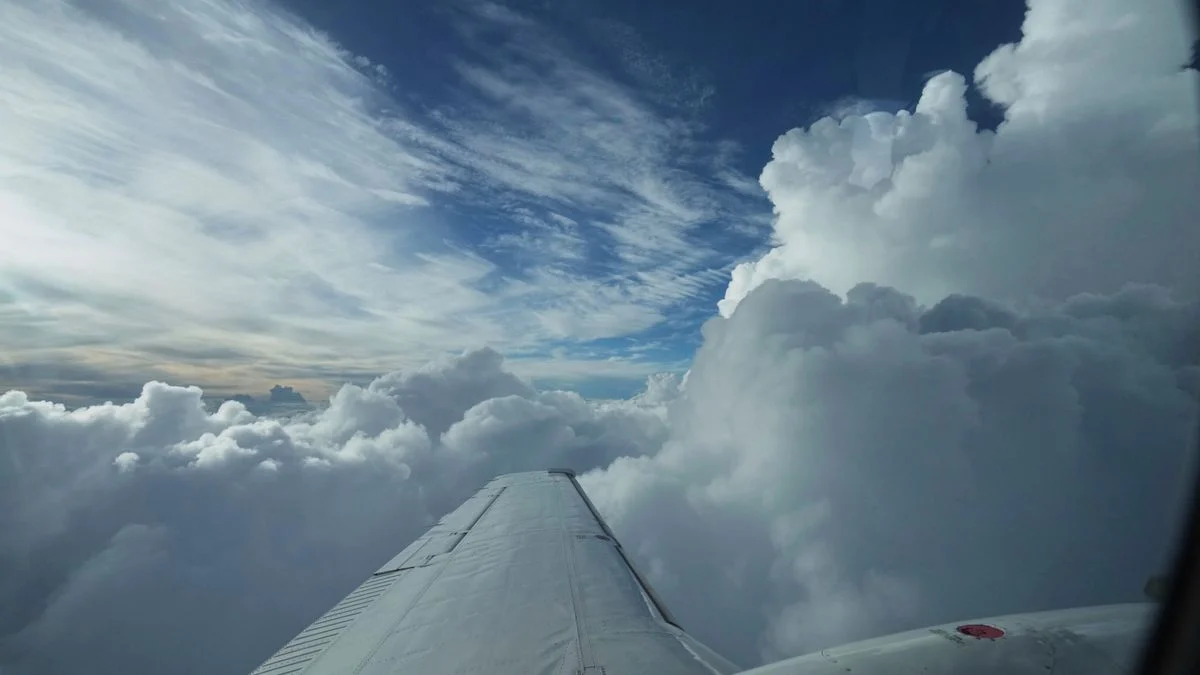
Currently, 15 specialized aircraft are operating in the skies above the affected islands. Nine of these are dedicated to the provinces of Central and South Kalimantan on Borneo, while the remaining six are stationed over South Sumatra. The mechanics of this operation involve the dispersal of specialized agents—typically dry ice (solid carbon dioxide) and sodium chloride (salt)—into cloud formations. These substances act as cloud condensation nuclei, encouraging the formation of water droplets and, ideally, triggering significant rainfall over the smoldering landscape.
Teuku Faisal Fathani, head of the BMKG, has categorized this as a critical strategic response. While cloud seeding is often viewed as an experimental or secondary measure in many parts of the world, in Indonesia, it has become a central pillar of the firefighting arsenal. The goal is to dampen the parched forest floor, raise humidity levels, and lower the ambient temperature, providing ground crews a window of opportunity to contain the runaway flames.
Chronology: A Season of Fire
The current crisis did not emerge overnight. It is the result of a long, dry, and intense period of fire activity that began in early 2026.
- January–March 2026: Initial reports of small-scale fires began to surface, typical of the pre-dry season land clearing. However, abnormal weather patterns caused these localized fires to escape control more quickly than in previous years.
- April–June 2026: As the dry season intensified, the frequency of fires spiked. Satellite imagery began to show a dramatic increase in hotspots across the peatlands of Kalimantan and Sumatra.
- July–August 2026: The situation reached a critical inflection point. The combination of prolonged drought and anthropogenic ignition sources led to massive, unmanageable conflagrations. The "haze" began to migrate, affecting neighboring nations such as Malaysia and Singapore.
- September 2026: The Indonesian government declared a state of emergency in affected provinces, triggering the deployment of military resources, specialized fire-fighting helicopters, and the massive cloud-seeding campaign currently underway.
According to data from the Nusantara Atlas, a project dedicated to satellite-based monitoring of Indonesian land cover, approximately 1.9 million hectares of land have been ravaged by fire between January and September 2026. This staggering figure highlights the sheer scale of the environmental degradation occurring in real-time.
Supporting Data: The Anatomy of a Disaster
The fires are not merely a result of bad luck or weather; they are a complex convergence of geography, climate, and human activity.
The Peatland Trap
Much of the burning occurs in peatlands, which are essentially carbon-rich organic soils that have accumulated over thousands of years. When these areas dry out—often due to human-made drainage canals intended for plantation development—they become highly flammable. Once a peat fire starts, it can burn underground for weeks, producing thick, acrid smoke that is notoriously difficult to extinguish with water alone.
The Human Element
Investigations into the causes of the 2026 fire season point to a mix of illicit slash-and-burn practices and systemic industrial negligence. While small-scale farmers use fire as a cheap method to clear land, large-scale industrial plantations have historically been linked to the widespread use of fire to expand palm oil and pulpwood concessions. This year, the extreme drought conditions—exacerbated by regional climate phenomena—have turned these cleared areas into tinderboxes.
Official Responses and Corporate Accountability
The Indonesian government, under mounting domestic and international pressure, has shifted its strategy from reactive firefighting to proactive legal enforcement.
The Ministry of Forestry has adopted a "zero-tolerance" policy regarding the illegal use of fire for land clearing. In a significant move, the ministry has imposed administrative sanctions on 32 companies identified as having active fires within their operational boundaries. These sanctions include, in the most severe cases, the suspension of operating licenses—most notably in Central Kalimantan, where six major firms have been forced to cease activities.
Beyond punitive measures, the government is mandating "restoration of ecosystems." Companies found liable are now legally obligated to invest in the rehabilitation of the scorched land, including re-wetting peatlands and replanting native vegetation. This policy represents a significant evolution in Indonesia’s environmental governance, signaling that the era of impunity for corporate land-clearing practices is coming to a close.
Implications: A Crisis for Biodiversity and Human Health
The consequences of these fires extend far beyond the blackened landscapes of Borneo and Sumatra.
The Threat to Endangered Species
Perhaps the most poignant victims of this crisis are the Orang-Utans. As their habitat shrinks due to deforestation and fire, these great apes are being pushed into increasingly smaller, fragmented pockets of forest. Conservationists report a rise in "displaced" orangutans—individuals found wandering into human settlements or dying of smoke inhalation and exhaustion. The loss of these habitats threatens to undo decades of conservation work aimed at protecting the remaining wild populations of Sumatran and Bornean orangutans.
The Transboundary Haze
The smoke from these fires does not respect national borders. The prevailing winds have carried toxic particulate matter into the skies of Malaysia and Singapore, leading to school closures, spikes in respiratory hospital admissions, and a decline in air quality indices to hazardous levels. This has created diplomatic friction, forcing Indonesia to engage in high-level regional dialogues about transboundary haze management.
Climate Feedback Loops
From a global perspective, the burning of Indonesian peatlands is a major contributor to global carbon emissions. These fires release massive quantities of sequestered carbon into the atmosphere, creating a dangerous feedback loop: the fires contribute to global warming, which causes more frequent droughts, which in turn leads to more intense fire seasons.
Conclusion: A Path Toward Resilience
As the cloud-seeding aircraft continue their sorties over the smoldering forests, the mission remains both a necessity and a stopgap. While artificial rain can provide temporary relief, it is not a long-term solution to the systemic issues of land management, peatland protection, and climate adaptation.
The 2026 fire season will likely be remembered as a turning point. It has laid bare the fragility of the region’s ecosystems and the urgent need for a more sustainable model of development. The government’s willingness to sanction major corporations and its investment in advanced meteorological technology demonstrate a growing resolve to manage the crisis. However, the path ahead requires more than just water from the clouds; it requires a fundamental shift in how the nation values its forests—not as disposable commodities, but as vital, living infrastructure essential to the health of the planet.
As the smoke eventually clears, the true measure of Indonesia’s success will not be in how many fires were put out, but in how effectively the nation restores the charred earth and prevents the next cycle of destruction. For the sake of the orangutans, the local communities, and the global climate, the world watches with bated breath, hoping that the rain—both natural and man-made—is enough to heal the scars of 2026.