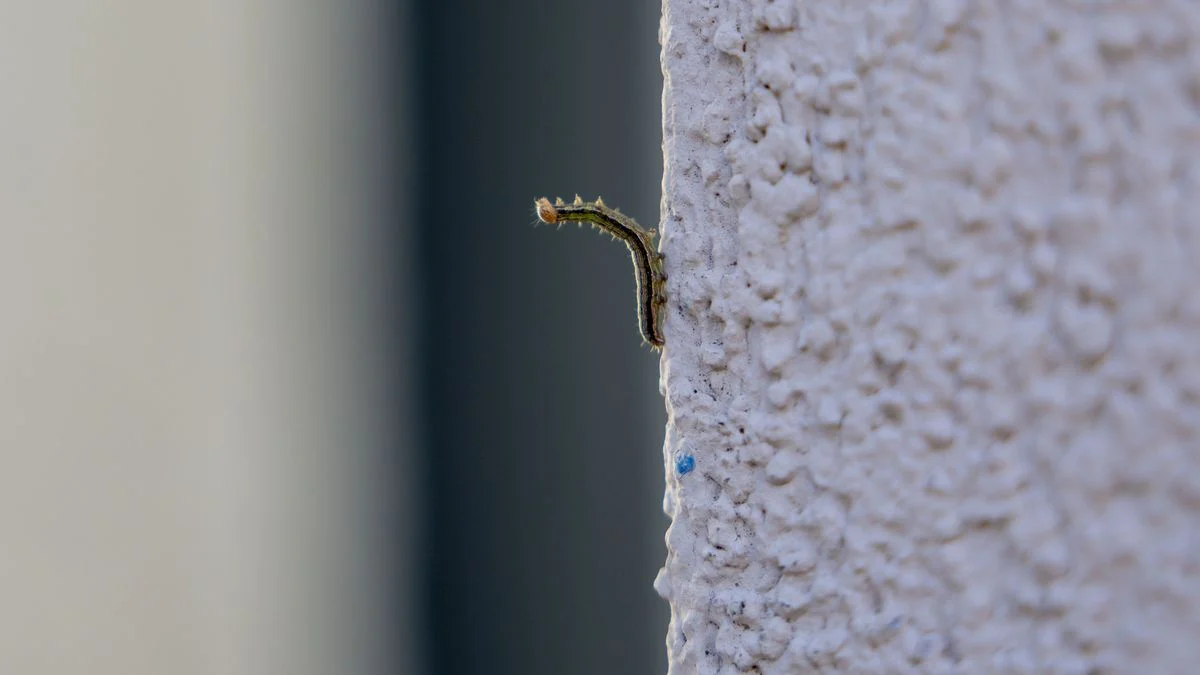
The pastoral landscapes of the Swiss canton of St. Gallen have been transformed into scenes reminiscent of a horror film. Millions of caterpillars—the larvae of the Einpunkt-Graseule moth—have descended upon the region, leaving behind a trail of decimated meadows and mounting agricultural despair.
The name Einpunkt-Graseule (Mythimna unipuncta), or the "true armyworm" as it is often referred to in other parts of the world, belies the sheer scale of the ecological and economic crisis it has triggered. While the insect appears harmless in its adult form, its larval stage has become a scourge for local farmers, homeowners, and government authorities. In the region of Sargans alone, these pests have stripped approximately 50 hectares of grassland bare, representing roughly ten percent of the region’s total meadow area.
Main Facts: A Biological Blitzkrieg
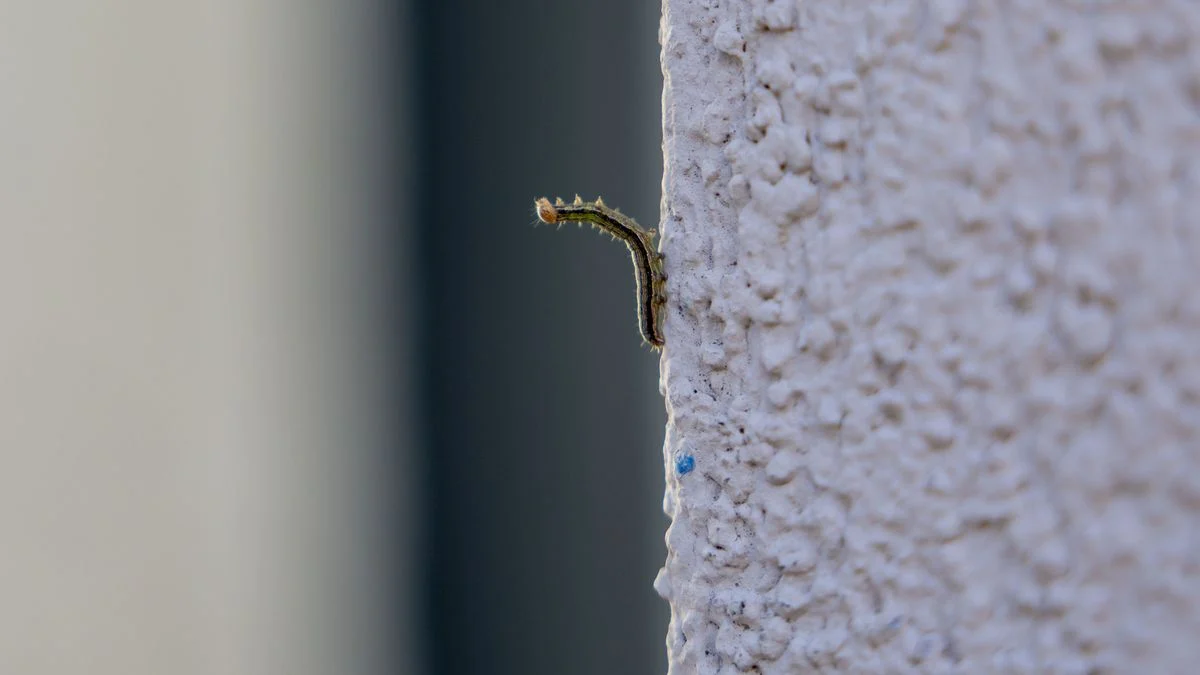
The current infestation is not merely an isolated nuisance; it is an unprecedented ecological event for the region. The larvae, which are only a few centimeters long, are voracious feeders that specialize in grasses. Their feeding habits are so aggressive that they consume entire fields down to the roots, turning vibrant green pastures into barren, brown landscapes in a matter of days.
According to Bruno Inauen, head of the St. Gallen Office for Agriculture, the scale of the damage is unprecedented. "We are witnessing an invasion of a magnitude we have not seen before," Inauen noted. The density of the larvae is such that they do not merely inhabit the fields; they overwhelm the surrounding infrastructure, spilling over into residential properties and creating logistical nightmares for local inhabitants.
Chronology of the Crisis: From Quiet Arrival to Plagues of Millions
The progression of this infestation has been rapid and overwhelming. It began with the arrival of adult moths from Southern Europe, drawn northward by unseasonably warm weather patterns.
- Initial Phase: The first wave of moths, known for their preference for warm climates, successfully migrated into the southern canton of Ticino and eventually pushed further north into St. Gallen.
- The Proliferation: With few natural predators in these northern latitudes to keep their population in check, the moths thrived. A single female is capable of laying over 1,000 eggs. Under the influence of the current summer heat, these eggs hatch in a matter of days.
- The Peak: The peak of the crisis saw millions of larvae scouring the land. Residents like the Sieber family in Sargans reported a surreal, nightmarish reality. The sheer volume of larvae was so great that the family had to resort to using a secondary entrance to their home, as the front door was completely obscured by a carpet of writhing caterpillars.
- The Aftermath: "One could not walk barefoot in front of the house," described Nadja Sieber. "They were stuck in every crevice of our shoes." The family’s backyard, which featured a trampoline for their children, was rendered unusable, appearing more like a ploughed field than a garden.
Currently, as the biological cycle progresses and the caterpillars begin to pupate in the soil, the density of the insects is beginning to wane, yet the damage remains, and the psychological impact on the community persists.
Supporting Data: Understanding the Lifecycle and Vulnerability
To understand why this happened, one must look at the life cycle of the Mythimna unipuncta. The moth is highly reproductive. The larvae undergo a six-week feeding phase, during which they grow rapidly. They then retreat into the soil to pupate for two to four weeks before emerging as adults.
The primary driver of this explosion in population is, according to experts, the climatic shift. The species thrives in warmth; however, they are sensitive to cold. While the onset of winter will eventually kill off the current generation, the fear is that this year’s success will establish a precedent. If the warming trend continues, the "true armyworm" could expand its permanent range significantly further north, turning a one-time anomaly into a recurring agricultural threat.
Official Responses: Strategies for Containment
The government of St. Gallen is now shifting from crisis management to strategic planning. Bruno Inauen and his team are under pressure to devise a long-term defense mechanism to protect the region’s vital agricultural output.
The authorities are currently evaluating biological control methods similar to those used against the Junikéfer (June beetle). This method involves introducing a parasitic fungus into the soil, which effectively targets the larvae upon contact, neutralizing them without the widespread use of chemical pesticides that could harm other beneficial insects or the local water supply.

However, the efficacy of such methods in open, large-scale meadow environments remains to be seen. The cost-benefit analysis is complicated, and farmers are bracing for the possibility that they may be left to contend with the pests largely on their own if a cost-effective government-led intervention cannot be scaled up in time for the next season.
Implications: The Broader Environmental Context
The crisis in Switzerland serves as a microcosm for the larger challenges posed by climate change in European agriculture. As temperatures rise, migratory species from the south are finding favorable niches in regions previously too cold for them to colonize.
The Comparison to Other Invasive Species
The Einpunkt-Graseule situation draws inevitable comparisons to the Eichenprozessionsspinner (oak processionary moth), which has caused significant issues in Germany, particularly in cities like Leipzig. While the oak processionary moth is primarily a threat to human health due to its stinging hairs, the armyworm represents a direct threat to the food security and economic viability of the local dairy and livestock sectors.
In Leipzig, authorities have attempted to combat the processionary moth using nematodes—microscopic worms that act as biological parasites. This strategy highlights a growing trend in European agriculture: a move away from broad-spectrum insecticides toward precision biological warfare. The success or failure of these interventions in St. Gallen will likely influence policy decisions across the Alpine region.
Economic and Agricultural Fallout
For farmers like Thomas Willi, the damage is not just visual—it is financial. The loss of 50 hectares of grazing land forces farmers to purchase expensive supplementary feed for their livestock, eating into already thin profit margins. The "horror film" description offered by Willi highlights the sense of helplessness felt by those whose livelihoods are intrinsically tied to the land.
Furthermore, there is a looming question about the resilience of the local ecosystem. If the armyworm continues to thrive, the local food chain may undergo a radical shift. Will native bird species or parasitic wasps adapt to predate on these new arrivals, or will the imbalance persist?
Conclusion: Preparing for an Uncertain Future
As the current generation of Einpunkt-Graseule finishes its feeding phase and retreats into the earth to emerge as moths, the people of St. Gallen are left with a sobering reality. The natural world is changing, and the boundaries that once contained certain species are becoming increasingly porous.
The authorities in St. Gallen have promised a comprehensive review of the event, with a focus on early detection systems and rapid response protocols. But the underlying message from the experts is one of caution: the environment is shifting, and the "army" that marched through the meadows of Sargans may very well return.
The challenge for the coming year will be to strike a balance between necessary agricultural protection and ecological stewardship. As we have seen with the oak processionary moth, the goal is not to eradicate every individual pest—an impossible task—but to manage their impact to a level where human life and agricultural production can coexist with the natural, albeit increasingly volatile, shifts in insect populations.
For now, the Swiss countryside remains on high alert, waiting to see if the warmth of the coming seasons will bring a reprieve or another wave of the silent, hungry invaders.