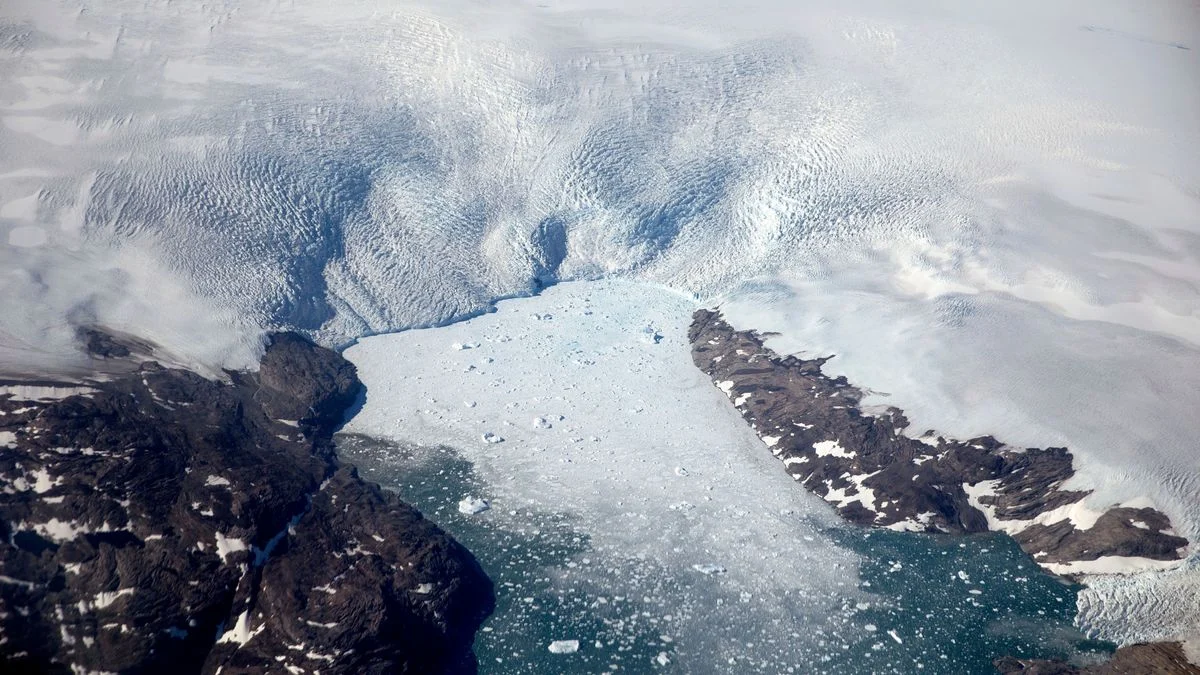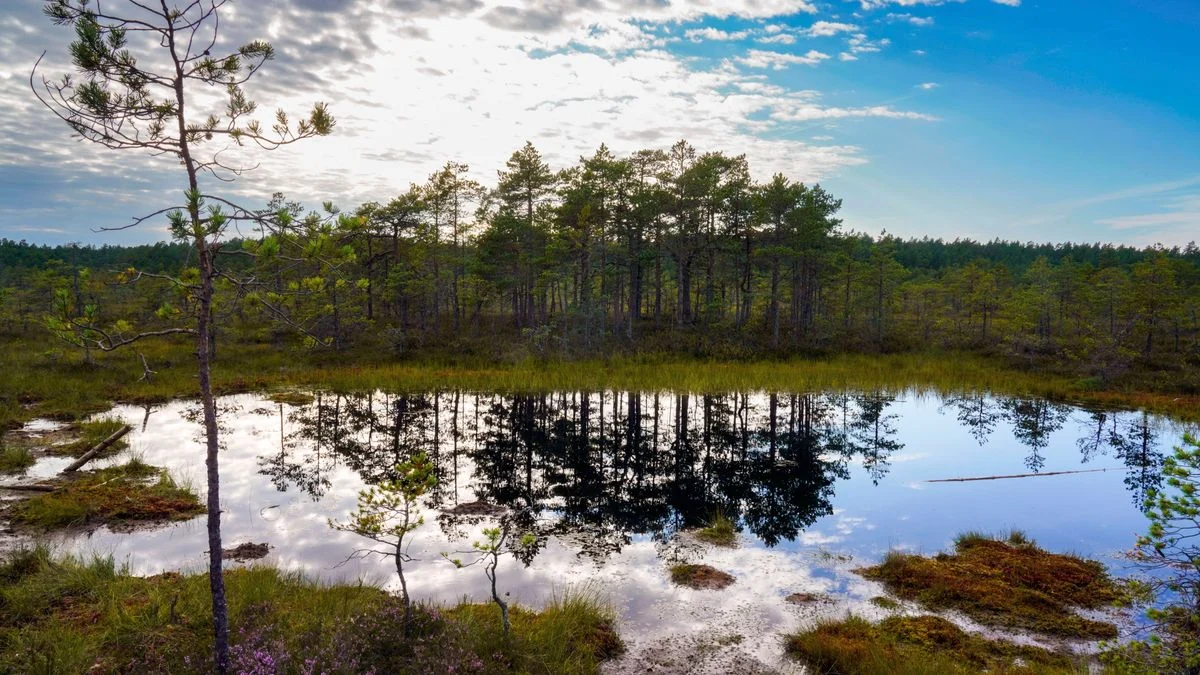
As the international community prepares for the UN Biodiversity Conference (COP17) in Yerevan, Armenia, a stark realization is emerging among the scientific community: the climate crisis and the collapse of biodiversity are two sides of the same coin. Experts warn that aggressive climate mitigation must not come at the expense of nature itself.
The Core Conflict: A New Era of Environmental Diplomacy
For years, global policy has treated the "climate crisis" and the "biodiversity crisis" as distinct, albeit related, tracks. Climate change is primarily framed as a carbon-management problem—a transition from fossil fuels to renewables. Biodiversity, meanwhile, is treated as a conservation project—a matter of protecting endangered species and expanding national parks.
However, as delegates prepare to gather in Yerevan from October 19 to 30, 2026, for the COP17 UN Biodiversity Conference, that siloed approach is under fire. With the 2026 summit marking the first major checkpoint for the 23 global biodiversity targets established in the Kunming-Montreal Global Biodiversity Framework, the pressure to synchronize these agendas has reached a boiling point. The message from scientists is clear: what helps the climate must not harm nature.
Chronology: From Ambition to Accountability
- December 2022: The Kunming-Montreal Global Biodiversity Framework is adopted, setting 23 ambitious targets to be achieved by 2030, including the protection of 30% of the Earth’s land and sea.
- Early 2026: A wave of high-impact research papers, including studies in Nature Ecology & Evolution and Science, highlights the precarious state of global ecosystems and the inadequacy of current "carbon-only" climate strategies.
- October 16, 2026: Leading up to the summit, experts warn that the transition to renewable energy—if poorly planned—threatens to become a new driver of habitat destruction.
- October 19–30, 2026: COP17 convenes in Yerevan. For the first time, member states are held accountable for their progress on the 23 global targets, ranging from land restoration to the reform of environmentally harmful subsidies.
The Science: Why Biodiversity is the Climate’s First Line of Defense
A landmark meta-analysis published in Nature Ecology & Evolution (analyzing over 400 studies) provides the intellectual bedrock for the discussions in Yerevan. The findings are sobering: as biodiversity declines, the "ecosystem services" upon which humanity relies—water purification, pollination, natural pest control, and, crucially, carbon sequestration—begin to falter.

The study argues that an ecosystem stripped of its biological complexity is a weakened system, less capable of buffering against the extreme weather events induced by a changing climate. "The loss of biological diversity threatens the ecosystem services on which humanity depends," the authors write.
Conversely, the climate crisis acts as a threat multiplier for nature. A separate, chilling study in Science modeled the impact of sea-level rise on 34,000 terrestrial vertebrate species. The projections suggest that by 2100, up to 45% of these species could see their habitats compromised by flooding. Critically, many of the "climate refugia"—areas where these species might theoretically survive—currently lie outside protected zones.
The Paradox of "Green" Energy
The central tension at COP17 will be the definition of "nature-compatible" climate action. While the transition to renewable energy is non-negotiable for cooling the planet, the infrastructure required for this transition is not inherently benign.
"At the climate protection front, there is a risk that we drift too quickly toward technological solutions, driven by immense time pressure," explains Kirsten Thonicke of the Potsdam Institute for Climate Impact Research (PIK) and spokesperson for the Leibniz Research Network Biodiversity.

Technological fixes—such as massive wind farms, solar arrays, and carbon capture infrastructure—require vast swaths of land. When these projects are sited poorly, they fragment habitats, disrupt migratory corridors, and threaten local populations. A study published earlier in 2026 underscored this, warning that without meticulous spatial planning, the expansion of power grids and energy generation could inadvertently lead to the destruction of the very ecosystems the world is trying to save.
Official Responses and the Policy Shift
The shift in rhetoric is palpable. Negotiators at COP17 are under pressure to address "integrated planning." The goal is to move beyond the binary of "Climate vs. Nature."
Practically, this means:
- Spatial Planning: Renewable energy projects must undergo rigorous environmental impact assessments that prioritize biodiversity corridors.
- Nature-Based Solutions: Instead of relying solely on mechanical carbon capture, nations are being pushed to invest in the restoration of peatlands, forests, and wetlands. These serve a dual purpose: they act as "carbon sinks" while simultaneously providing vital, resilient habitats for flora and fauna.
- Subsidy Reform: One of the key agenda items in Yerevan is the systematic dismantling of subsidies that favor industrial agriculture and fossil fuel extraction, which currently drive both climate change and the destruction of biodiversity.
The Irreversibility of Extinction
Perhaps the most powerful argument being brought to the table by researchers like Thonicke is the element of time.

"If we reduce emissions, the climate system can theoretically recover over centuries," Thonicke notes. "But extinct species are gone forever. There is no ‘net-zero’ for extinction."
This distinction is crucial for the delegates in Yerevan. While climate change is a problem of atmospheric chemistry—a quantifiable imbalance that can be corrected through policy and technology—biodiversity loss is a biological collapse. Once an evolutionary lineage is snapped, it cannot be rebuilt through solar panels or carbon credits.
Implications: A Holistic Future
As the summit progresses, the global community faces a test of its own foresight. The emerging consensus suggests that a "climate-first" policy that ignores biodiversity is a hollow victory.
If COP17 succeeds, it will establish a new international standard: "Nature-Positive Climate Action." This framework demands that every wind turbine, every forestation project, and every carbon-neutral city plan must account for its biological footprint.

The path forward requires a shift in perspective. Humanity must stop viewing nature as a resource to be managed or a carbon-sequestering machine to be utilized, and start viewing it as the indispensable foundation of a stable planet. In the halls of Yerevan, the delegates have a choice: continue the race to stabilize the thermometer while the engine of life grinds to a halt, or embrace a more complex, integrated strategy that recognizes the inseparable bond between a stable climate and a living world.