A groundbreaking study published in the journal Frontiers in Ecology and Evolution has shattered long-held perceptions of dinosaur dietary habits. By analyzing fossilized dental enamel, researchers have discovered that coastal-dwelling dinosaurs in the Cretaceous period actively supplemented their diets with marine resources, including algae and seaweed. This discovery not only provides a fascinating glimpse into the lives of these prehistoric giants but also highlights the complex, interconnected nature of ancient terrestrial and marine ecosystems.
The Discovery: Beyond the Terrestrial Diet
For decades, the image of a dinosaur’s diet was largely categorized into two clear-cut groups: the ferocious carnivores hunting land-based prey and the herbivores grazing on ferns, conifers, and flowering plants. However, a new study titled "Marine subsidization of dinosaurian ecosystems" suggests a more nuanced reality.
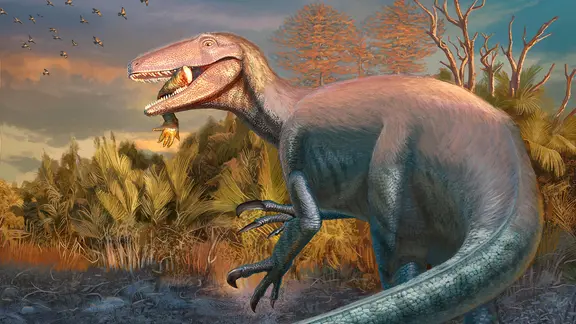
Led by Dr. Clayton Forster, a geologist at the University of Arkansas, the research team utilized cutting-edge isotopic analysis on fossilized teeth from the Cloverly Formation. The findings reveal that dinosaurs living near the coast were not strictly limited to terrestrial vegetation or land-based meat. Instead, they were opportunistic feeders, venturing to the shoreline to consume "beach snacks"—primarily marine macroalgae and coastal plants.
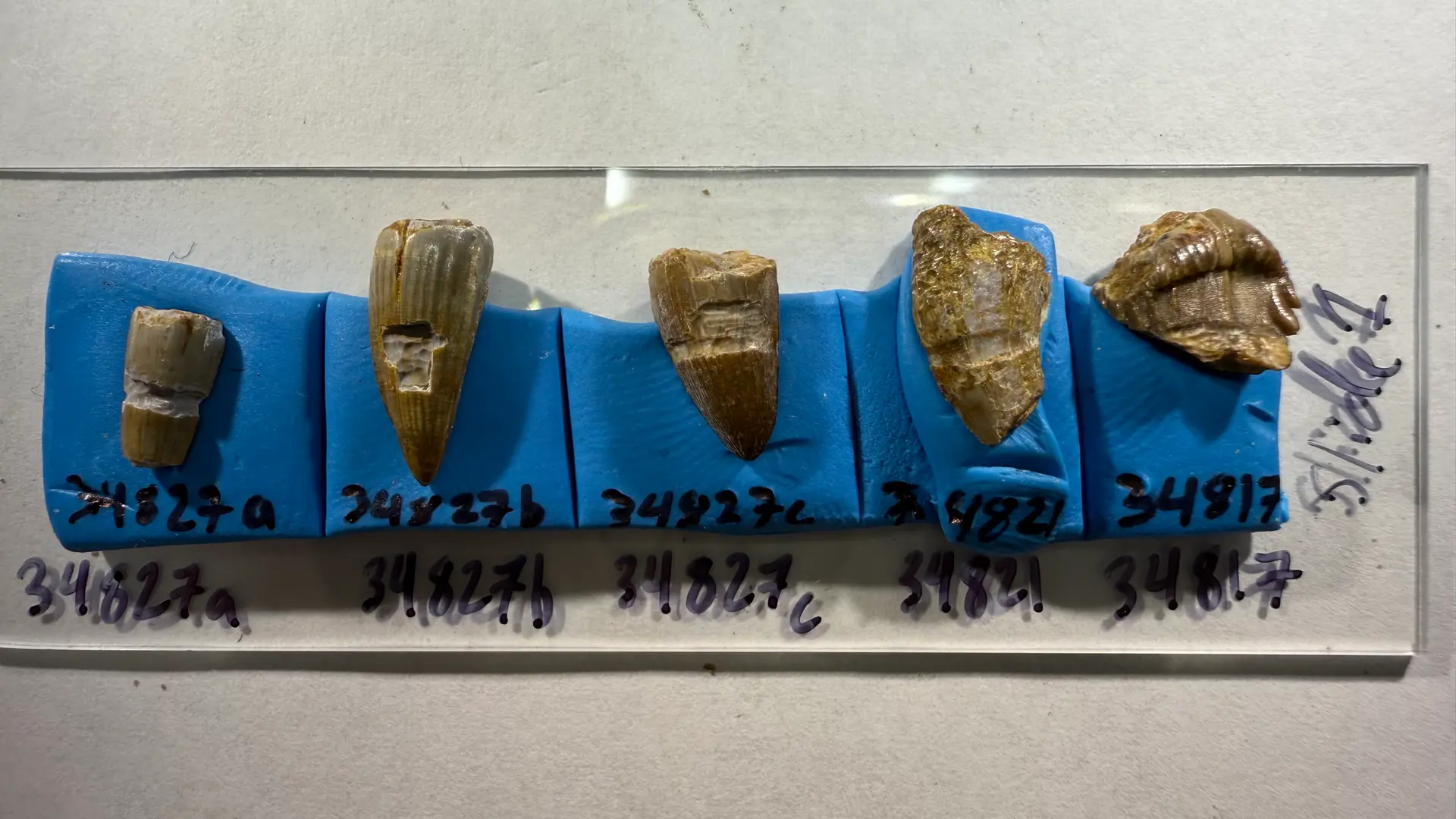
"We are demonstrating that coastal terrestrial organisms during the greenhouse climate of the Cretaceous period relied on marine resources to supplement their diets, much like modern organisms do today," Dr. Forster explained. This dietary behavior suggests that for these creatures, the beach was not just a scenic habitat but a vital resource hub necessary for survival in a changing world.
A Chronology of Research: From Teeth to Trophic Levels
The methodology behind this discovery is as complex as it is innovative. The journey to these findings began with the identification of anomalous chemical signatures in dinosaur teeth that had puzzled paleontologists for years.
The Mystery of Carbon Isotopes
The key to unlocking this mystery lay in the analysis of carbon-12 and carbon-13 isotopes. Biological organisms naturally incorporate these carbon isotopes into their tissues. In the case of vertebrates, this chemical "fingerprint" is preserved in the hydroxyapatite of the tooth enamel long after the animal has died.
The researchers focused on the $delta^13C$ (delta-carbon-13) values. Land plants and marine plants possess distinct carbon isotopic ratios. Because marine environments have a different carbon cycle compared to terrestrial environments, marine plants and macroalgae typically exhibit significantly higher $delta^13C$ values than their land-based counterparts.
Establishing the Link
By comparing the isotopic signatures of inland dinosaurs with those found in coastal strata, the team observed a consistent disparity. The coastal-dwelling dinosaurs displayed elevated $delta^13C$ levels that could not be explained by a purely terrestrial diet.
This data was corroborated by findings from other fauna present in the same coastal layers, including ancient crocodiles, fish, and turtles. The fact that this isotopic shift was present across multiple species—from aquatic predators to mega-herbivores—points to a shared, widespread reliance on a primary source of nutrition derived from the sea.
Supporting Data: The "Marine Subsidy" Hypothesis
The concept of "marine subsidy" refers to the transfer of energy from marine ecosystems to terrestrial ones. In modern ecology, this is often seen when bears catch salmon or when shorebirds feed on beached kelp. The new study provides the first robust evidence that this ecological phenomenon was a fundamental aspect of the Cretaceous period.
Macroalgae as the Missing Link
The researchers concluded that the most likely source of this unique carbon signature was marine macroalgae, commonly known as seaweed. Unlike complex marine prey that might only be available to specific predators, macroalgae would have been readily available and abundant along the shorelines.
"Coastal organisms must have consumed some type of organic material from the ocean, or prey that had done so," noted Dr. Forster. "This pattern is shared across a diverse range of species, suggesting that the additional carbon source was low in the food chain."
By consuming these marine plants, dinosaurs were effectively bridging the gap between two vast ecosystems. This "subsidy" likely provided essential nutrients or calories that may have been scarce or seasonal in the terrestrial environment, helping these creatures maintain their massive body sizes and high energy requirements during the warm, stable climate of the Cretaceous.
Implications: A New Understanding of Paleo-Ecology
The implications of this research are far-reaching, forcing a re-evaluation of how we model ancient food webs and the resilience of dinosaur populations.
Ecosystem Interconnectivity
The findings demonstrate that the boundary between land and sea was far more porous than previously imagined. Rather than viewing the coastline as a terminal point for terrestrial life, scientists must now view it as a transitional zone where energy flow was bidirectional. This high level of connectivity suggests that terrestrial ecosystems were perhaps more stable and adaptable to environmental shifts than previously assumed, thanks to the buffering effect of marine resources.
The Greenhouse Climate Factor
The study highlights that this behavior occurred during a "greenhouse" period—an era characterized by high atmospheric carbon dioxide levels and warmer global temperatures. In such a climate, sea levels were higher, and coastlines were more extensive, creating vast tidal areas where macroalgae could thrive. As climate change continues to be a central focus of modern science, understanding how ancient species leveraged different habitats to survive historical climate extremes provides valuable context for how ecosystems might react to future environmental pressures.
Official Responses and Peer Perspective
While the study is still fresh in the scientific community, initial reactions have been overwhelmingly positive. Paleo-biologists who were not involved in the study have praised the rigorous use of laser ablation and isotopic sampling, which allowed the team to extract data from multiple specimens from the Cloverly Formation without destroying the integrity of the fossils.
"This work represents a significant leap forward in how we interpret the life histories of dinosaurs," remarked a lead researcher in vertebrate paleontology. "We are moving away from static models of what a ‘herbivore’ or ‘carnivore’ is and toward a dynamic view of animals as active participants in complex, multi-environment food webs."
Future Research Directions
The team at the University of Arkansas plans to expand their research to other fossil-rich sites across North America and beyond. By applying this isotopic fingerprinting technique to a wider variety of taxa and geographical locations, they hope to determine if this "snacking" behavior was a universal trait among coastal dinosaurs or if it was specific to certain lineages or time periods.
Furthermore, there is interest in investigating whether this dietary shift influenced the evolution of certain physical traits, such as tooth structure or beak shape, in coastal-dwelling species compared to their inland cousins.
Conclusion
The revelation that dinosaurs, the iconic rulers of the terrestrial world, were also beachcombers in search of seaweed serves as a powerful reminder of the ingenuity of nature. The "Snacks on the Beach" phenomenon illustrates that throughout Earth’s history, life has always found ways to exploit every available resource to survive. As we continue to study these magnificent creatures, we find that the more we learn about their diets, the more we realize that the prehistoric world was not just a collection of isolated land-dwellers, but a vibrant, interconnected web of life, where the land and the ocean were inextricably linked.

As we look toward the future of paleontological research, one thing is clear: the history of life on Earth is written not just in the bones of the animals, but in the chemical secrets they left behind in their teeth—secrets that continue to rewrite the story of the past.