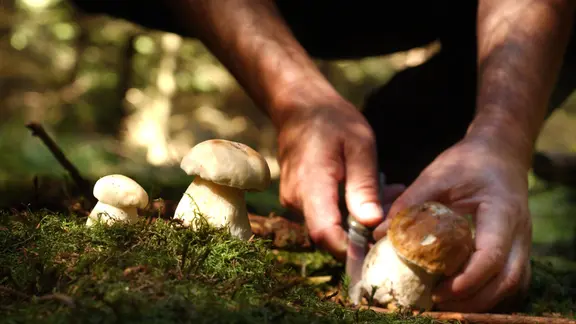
As the autumn leaves carpet the forest floor, a familiar ritual begins. Equipped with wicker baskets and specialized knives, mushroom enthusiasts across the country venture into the woods. But a long-standing debate often divides the foraging community: Is it better to slice a mushroom at the base with a knife, or should it be carefully twisted and pulled from the soil?
For generations, amateur mycologists have debated the "correct" way to harvest. Some argue that cutting prevents damage to the subterranean mycelium, while others insist that twisting is necessary to identify the mushroom’s characteristics. Now, scientific evidence provides clarity, revealing that while the debate over technique may be moot, the real impact on the forest ecosystem lies beneath our boots.
The Great Debate: A Decades-Long Scientific Inquiry
The quest for a definitive answer began in earnest in 1975, when researchers in Switzerland initiated a groundbreaking long-term study. Their goal was simple yet ambitious: to quantify the impact of human foraging on fungal populations and biodiversity over time.
The study took place in the Swiss Midlands, eventually expanding to include a second research site in a high-altitude spruce forest. Scientists divided these woodland areas into controlled test plots. In some, edible mushrooms were harvested regularly throughout the season, while others were left strictly untouched as control areas. From May through December, researchers conducted weekly censuses, meticulously counting every visible fungal fruiting body.
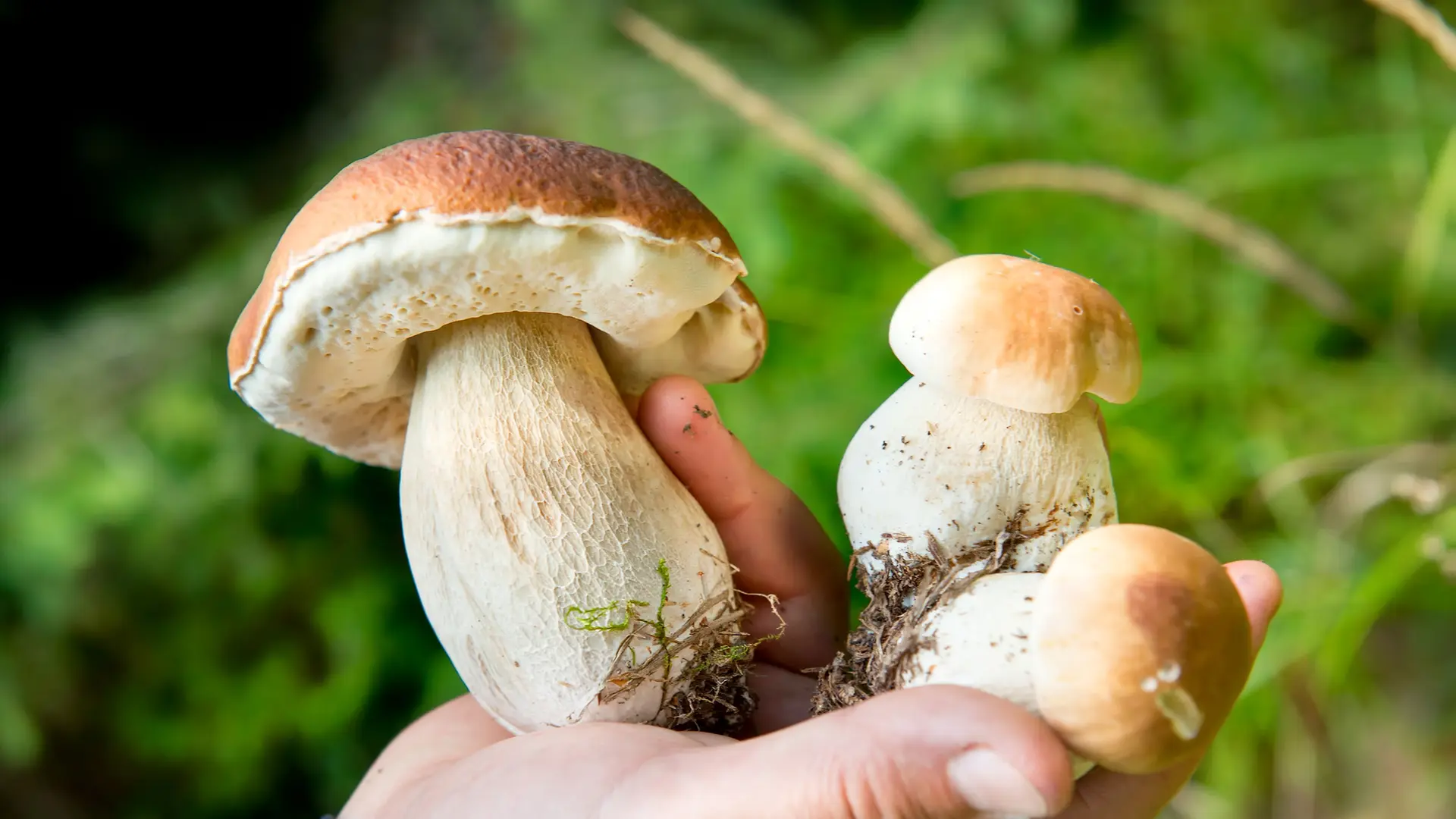
Over the course of the study, which spanned from 1977 to 2003 at the primary site and 1990 to 2000 at the second, the researchers recorded a staggering amount of data. They cataloged 582 distinct species and counted nearly 148,000 individual mushrooms. The scale of this research makes it one of the most comprehensive investigations into the sustainability of wild mushroom harvesting ever conducted.
The Surprising Truth About Harvesting Methods
The central question—whether to cut or to twist—was analyzed with statistical rigor. For decades, the conventional wisdom among many foragers was that cutting was "gentler" on the fungal network, whereas pulling could disturb the delicate underground structures.
However, the findings published by the research team, led by Swiss mycologist Simon Egli, were conclusive: there was no statistically significant difference in the long-term productivity of the mushrooms based on the harvesting method. Whether a forager used a knife to sever the stem or a gentle twist to remove the entire fruiting body, the regeneration rates of the mushroom patches remained identical.
The study demonstrated that the mycelium—the complex, root-like web of fungi that exists beneath the soil—is remarkably resilient. The removal of the fruiting body (the part we eat) does not act as a "wound" that threatens the health of the organism. In fact, the research showed that the abundance of fungi and the species diversity remained stable even in plots where regular harvesting had occurred for over 25 years.
The Real Threat: Compaction and Soil Health
While the act of harvesting proved to be benign, the study uncovered a far more significant, often overlooked variable: the impact of the foragers themselves.
The researchers hypothesized that the physical presence of humans in the forest might affect fungal growth, not through the act of picking, but through the act of walking. To test this, they compared plots that were subjected to regular human foot traffic with those where soil contact was strictly prohibited, using raised walkways to access the area.
The results were striking. On plots where the ground was regularly stepped on, the number of visible fruiting bodies was approximately 28 percent lower than on undisturbed plots. Furthermore, the number of species producing fruiting bodies within a year was noticeably lower in high-traffic areas.
This suggests that the "damage" associated with mushroom hunting is primarily a matter of soil compaction. When we walk through the forest, we compress the top layer of soil and the leaf litter, potentially crushing delicate fungal primordia—the microscopic, embryonic stages of mushrooms—before they even have a chance to emerge at the surface. While this does not necessarily kill the underground mycelium, it significantly hinders the production of visible mushrooms, thereby reducing the "yield" for future foragers.
Why Identification Demands the Twist
While the study proves that the method of harvesting doesn’t impact the sustainability of the forest, there remains a compelling reason to favor the "twist" method: safety.
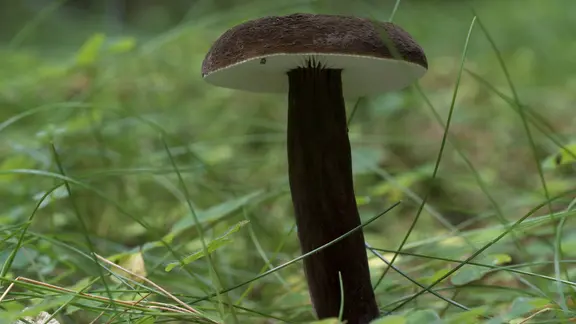
For the average forager, the primary concern is not just conservation, but correct identification. Many toxic mushrooms, such as the deadly Amanita species, possess crucial diagnostic features located at the base of the stem. A "volva"—a cup-like structure at the bottom of the stalk—is a definitive indicator for several highly poisonous species.
If a forager cuts the mushroom at the base, they often leave this vital piece of evidence behind in the dirt. By carefully twisting and pulling the entire specimen, the forager can inspect the base for the presence of a volva, bulbous growths, or specific color changes, which are often essential for ensuring that the mushroom in the basket is safe to consume. Therefore, from an mycological and safety perspective, the "twist" is actually the more professional and recommended approach, provided it is done with care.
Implications for Future Foraging
The takeaway for the modern mushroom enthusiast is clear: put away the guilt regarding your harvest technique. Whether you prefer the precision of a knife or the traditional method of twisting, the forest floor will not hold a grudge. The sustainability of the mushroom population is not threatened by the act of gathering, but it is sensitive to the way we navigate the landscape.
To protect the biodiversity and longevity of our forests, the focus should shift from "how to pick" to "where to walk." Professional foragers and environmentalists suggest the following best practices:
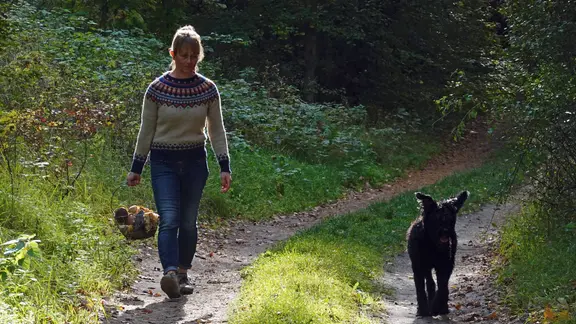
- Stick to the Paths: Minimize your footprint by staying on established trails whenever possible. This prevents the compaction of the soil in the most sensitive, high-growth areas.
- Move with Care: When you do venture off-path, be mindful of where you step. Avoid trampling dense moss or areas where young mushrooms are clearly breaking through the surface.
- Prioritize Identification: Always ensure you are 100 percent certain of a mushroom’s identity before harvesting. If in doubt, leave it in the forest.
- Respect Local Regulations: Many regions have specific rules regarding the amount of mushrooms that can be gathered. These limits are in place to ensure that the ecological balance is maintained, regardless of the individual success of a single forager.
A Legacy of Resilience
The research conducted by Egli et al. serves as a powerful reminder of the resilience of nature. For decades, many believed that human activity was inherently destructive to fungal life. This study, however, paints a more nuanced picture. It suggests that as long as we avoid mass-scale destruction of the habitat, the fungi—which are among the oldest and most widespread organisms on Earth—are perfectly capable of enduring our presence.
As we look toward future seasons, we can head into the woods with a lighter conscience. The mushrooms are not suffering from our harvest; they are merely waiting for the right conditions—the rain, the humidity, and the temperature—to show themselves. By treading lightly and focusing on the safety of our identification, we can continue to enjoy the bounty of the forest while acting as responsible stewards of its complex, hidden, and fascinating underground world.
Scientific Reference:
Egli, S., Peter, M., Buser, C., Stahel, W. and Ayer, F. (2006): ‘Mushroom picking does not impair future harvests – results of a long-term study in Switzerland’, Biological Conservation, 129(2), pp. 271–276.