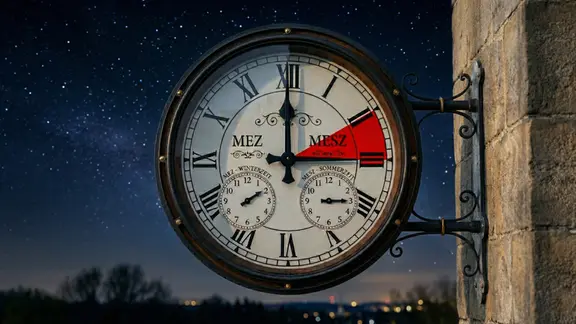
Every autumn, as the clocks fall back an hour, millions of people across the globe experience a phenomenon often described as a "mini-jetlag." While the promise of an extra hour of sleep might seem like a welcome gift, the reality for the human body is far more complex. The shift from Summer Time to Winter Time—or standard time—frequently leaves individuals feeling lethargic, irritable, and struggling to sync their internal biological rhythms with the changing environment.
As of October 2026, the debate surrounding the necessity and health implications of the biannual clock change remains as polarized as ever. While policy discussions continue to stall, the biological reality remains: our internal clocks, or circadian rhythms, are not easily manipulated by a simple administrative decree.
The Science of the Internal Clock
To understand why a one-hour shift causes such widespread disruption, one must first look at the suprachiasmatic nucleus (SCN) located in the hypothalamus of the brain. This cluster of neurons acts as the master clock for the human body. It regulates everything from hormone secretion—specifically cortisol for waking and melatonin for sleep—to body temperature and metabolism.
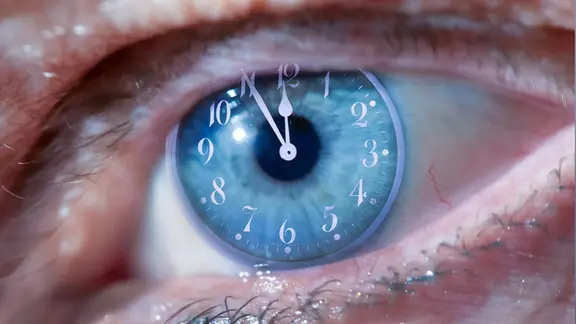
The SCN does not operate on a 24-hour cycle in isolation; it is heavily dependent on "zeitgebers" (time-givers), with sunlight being the most powerful. When we artificially shift the clock, we force the SCN to desynchronize from the external light-dark cycle. This misalignment, often termed "social jetlag," forces the body to fight against its own hormonal signaling. While a single hour might sound negligible, for the SCN, it represents a significant shift that can take several days—or even weeks—for the entire physiological system to recalibrate.
The Human Cost: Data and Public Sentiment
The impact of this disruption is not merely anecdotal. A recent, representative survey conducted by Forsa on behalf of DAK-Gesundheit in September 2026 provides sobering data on the public health toll of the time shift.
According to the study, which surveyed 1,009 people across Germany, approximately 29 percent of respondents reported having experienced adverse physical or psychological symptoms directly linked to the clock change. Among those suffering from these effects:

- 80 percent reported feelings of persistent fatigue, lethargy, and a general lack of energy.
- 63 percent noted significant difficulties in falling asleep or staying asleep, leading to chronic sleep fragmentation.
- The remainder reported secondary symptoms, including mood swings, difficulty concentrating, and increased irritability.
These statistics highlight a systemic issue. When nearly a third of a population reports health detriments due to an artificial time adjustment, it raises the question of whether the original energy-saving goals of the policy are worth the cumulative impact on public wellbeing.
Geographical Disparities: The "Sunlight Gap"
One of the most nuanced aspects of the clock-change debate is the geographical variation in how individuals experience the transition. Because the Earth is round and rotates at a constant speed, the sun does not rise at the same time in all regions within the same time zone.
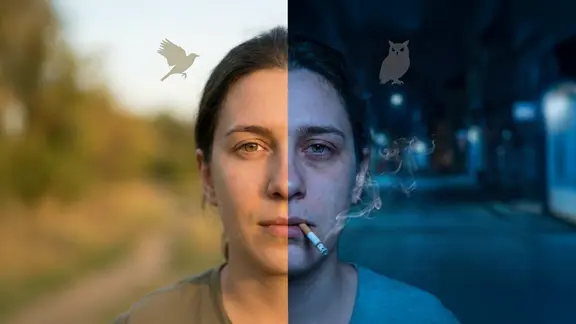
In Germany, for instance, there is a marked difference between the eastern and western borders. Residents in Görlitz, in the far east, experience sunrise nearly 30 minutes earlier than those in Cologne, in the far west. When the clocks are shifted, those living in the western regions of a time zone are disproportionately affected. They remain in darkness longer during the morning hours, which suppresses the release of cortisol—the "wake-up" hormone—and delays the start of their active day. This geographical inequity means that the "mini-jetlag" is not experienced equally; it is a burden that weighs more heavily on some than others.
Practical Strategies to Mitigate the "Clock-Change Jetlag"
Given that the biannual clock change remains in effect, experts in chronobiology offer several evidence-based strategies to help the body adapt more efficiently.
1. Harnessing the Power of Daylight
The most effective way to reset the internal clock is through strategic exposure to sunlight. Experts recommend getting outside within the first hour of waking. Morning light signals the SCN to suppress melatonin production, effectively "locking in" the new rhythm. Even on overcast days, the ambient light is significantly brighter than indoor artificial lighting and serves as a powerful anchor for the biological clock.
2. Prioritizing Rhythm Over Duration
While it is tempting to sleep in or go to bed early, consistency is paramount. Maintaining a strict sleep-wake schedule—even on the weekend following the shift—prevents further confusion of the internal clock. If you typically wake up at 7:00 AM, continue to do so, even if you feel tired. This reinforces the body’s expectation of the day-night cycle.
3. The Power Nap Protocol
For those struggling with daytime fatigue, a short, controlled nap can be beneficial. However, duration is critical. A nap of 15 to 20 minutes can provide a cognitive boost without inducing "sleep inertia." Conversely, sleeping for more than 30 minutes in the afternoon will likely reduce the "sleep drive" (the build-up of adenosine in the brain) required to fall asleep easily that night, creating a vicious cycle of insomnia.
4. Strategic Caffeine Consumption
Caffeine is a double-edged sword during the transition period. While it can mask symptoms of fatigue by blocking adenosine receptors, its long half-life means it can remain in the system for up to eight hours. To avoid disrupting sleep, experts suggest limiting caffeine intake to the morning hours and avoiding it entirely after 2:00 PM.
5. Managing the Evening Environment
The evening is the time to begin "down-regulating" the nervous system. Blue light emitted by screens suppresses melatonin, the hormone essential for sleep onset. Dimming household lights and engaging in a low-stimulation activity—such as reading a physical book or listening to calming music—can help the body transition into a sleep-ready state.
The Broader Implications: A Call for Reform
The persistent fatigue felt by millions is fueling an ongoing political and scientific debate regarding the total abolition of the time-switch. Critics of the current system point out that the energy-saving benefits—the original justification for the policy—have proven to be negligible in the modern era. Modern LED lighting and climate control systems have rendered the "saving" of an hour of daylight largely obsolete.
Scientists and sleep researchers increasingly argue that the health costs outweigh any perceived benefit. Studies have shown an increase in traffic accidents, workplace errors, and cardiovascular events in the days immediately following the spring-forward transition, and while the autumn shift is generally viewed as "easier" because we gain an hour, the disruption to the circadian rhythm is still measurable and detrimental.
As we look toward the future, the conversation is shifting from "how to cope" to "how to change." Many European institutions and health organizations are now advocating for a permanent, single time standard. The challenge, however, lies in the consensus: should we adopt permanent Summer Time, or return to permanent Winter (Standard) Time?
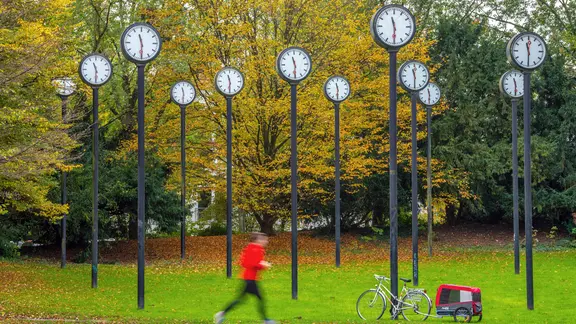
Chronobiologists generally lean toward permanent Standard Time, arguing that it aligns more closely with our biological needs by ensuring we have more light in the morning, which is critical for health and mental alertness.
Conclusion
The biannual clock change is more than a trivial annoyance; it is a physiological challenge that tests the limits of human adaptability. While we wait for policy makers to address the systemic issue, individuals must prioritize their own circadian hygiene. By respecting the power of light, maintaining consistent schedules, and being mindful of our evening habits, we can mitigate the impact of the "mini-jetlag."
However, until the legislative process catches up with the scientific consensus, the transition will continue to serve as a biannual reminder that we live in a world designed by clocks, while our bodies are governed by the sun. For now, the best defense against the clock is a proactive approach to the rhythm of our own lives.