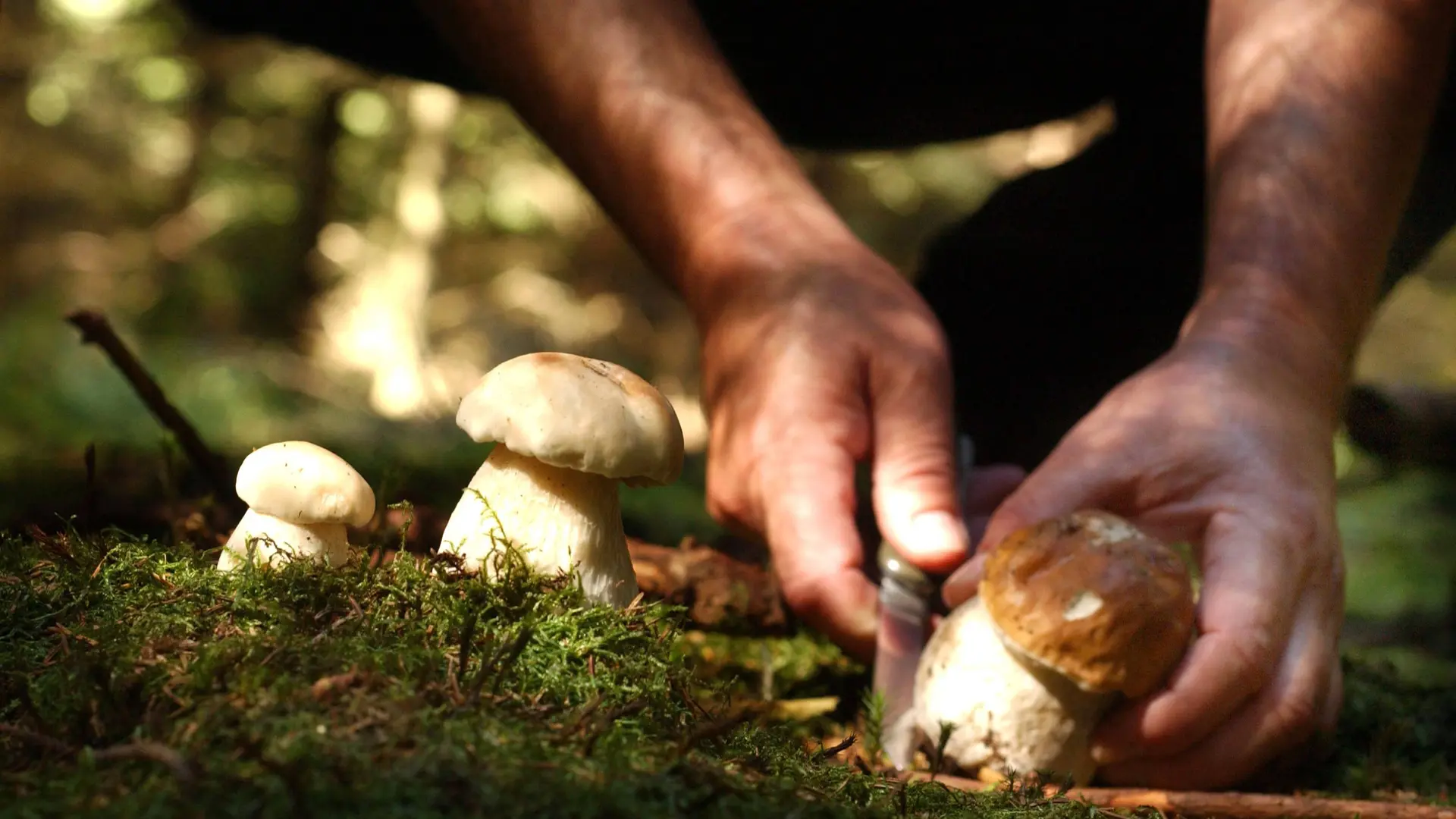
Every autumn, as the first morning frosts touch the forest floor, a familiar migration begins. Armed with wicker baskets and specialized knives, thousands of amateur mycologists head into the woods, driven by the primal urge to forage for wild delicacies like porcini and chanterelles. Yet, amidst the excitement of the hunt, a persistent debate occupies the minds of collectors: is it better to slice the mushroom at the base with a knife, or is it more beneficial for the forest ecosystem to gently twist it out of the ground?
For generations, this question has sparked heated discussions in foraging circles, often treated with the gravity of a moral imperative. However, scientific inquiry, anchored by a landmark long-term study, suggests that the answer is far less about technique and far more about the physical footprint of the harvester.
The Genesis of the Research: A Decades-Long Investigation
The uncertainty surrounding mushroom harvesting methods led researchers in Switzerland to initiate a rigorous, long-term investigation that would span several decades. In 1975, a team of scientists launched a longitudinal study in a forest in the Swiss Midlands, later expanding the scope to include a second research site in a high-altitude spruce forest.
The primary objective was to quantify the impact of human foraging on fungal populations. The researchers sought to determine if the act of harvesting itself caused a decline in mushroom abundance or species diversity, and whether the mechanical action of harvesting—cutting versus twisting—left lasting scars on the subterranean mycelial network.
Chronology of the Study
The study’s methodology was as meticulous as it was ambitious. To establish a baseline and track fluctuations, researchers partitioned various woodland areas into distinct test plots. Some plots were designated for regular harvesting, while others were left entirely untouched to serve as control groups.
Between 1977 and 2003, in the first site, and from 1990 to 2000 in the second, the team conducted weekly surveys from May through December. They systematically counted every visible fungal fruiting body. Over the course of these decades, the researchers documented an impressive total of 582 distinct fungal species, accounting for nearly 148,000 individual mushrooms. This dataset provided an unprecedented look at how forests respond to sustained human interaction.
Supporting Data: What the Numbers Reveal
The results of this massive data collection were both surprising and, for the average forager, highly reassuring. Contrary to popular belief, the study found no statistically significant evidence that harvesting—regardless of the technique—diminished the future productivity of the forest. Whether the mushrooms were severed at the stalk or removed in their entirety, the mycelium appeared to remain unaffected.
However, the researchers stumbled upon a more significant finding that shifted the focus of the conversation away from the knife and toward the feet of the forager.
The Impact of Soil Compaction
While the harvesting technique proved largely irrelevant to the health of the fungal colonies, the act of walking through the woods did not. The team compared plots that were subject to heavy foot traffic with those where human presence was restricted—in some cases by using raised walkways to ensure minimal soil contact.
The data indicated that on heavily trampled plots, the number of visible fruiting bodies was approximately 28 percent lower than on undisturbed ground. Furthermore, the variety of species successfully producing fruiting bodies on these high-traffic plots was noticeably diminished.
This suggests that the "true" enemy of a bountiful mushroom season is not the harvester’s blade, but the compaction of the soil. When humans trample the forest floor, they likely damage the delicate, primordial structures of the fungi—the "pins"—before they ever reach the surface. This mechanical interference prevents the fungi from successfully developing into mature fruiting bodies, effectively lowering the yield without necessarily destroying the underlying organism.
Official Scientific Perspective: Understanding the Fungal Network
The study, published in Biological Conservation by Egli et al. (2006), remains the gold standard for understanding sustainable mushroom foraging. The researchers emphasize that while the number of fruiting bodies dropped on trampled ground, the overall species diversity remained remarkably resilient. On the trampled plots, 195 species were identified, compared to 189 in the undisturbed areas—a difference that was not statistically meaningful.
This leads scientists to a vital distinction: the fruiting body (the mushroom we eat) is merely the "apple" on the tree. The actual organism is the mycelium, an expansive, intricate network of thread-like hyphae that permeates the soil. The evidence suggests that while trampling can inhibit the production of these "apples," it does not necessarily kill the "tree" (the mycelium).
Implications for the Forager
For the modern mushroom enthusiast, these findings carry several important implications for future forest outings.
1. The Myth of the "Correct" Method
The debate between cutting and twisting is largely moot in terms of ecological impact. The mycelium is a robust network that does not "bleed" or suffer from having a mushroom removed. The decision to cut or twist should, therefore, be based on personal preference and practical necessity.
2. Identification as a Priority
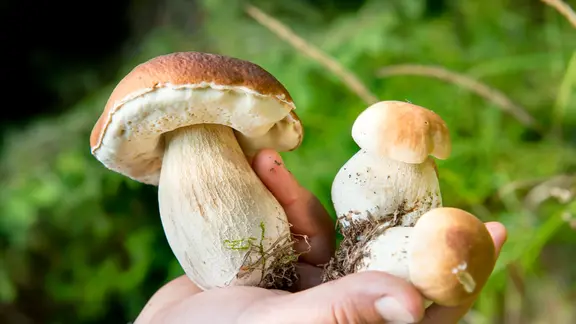
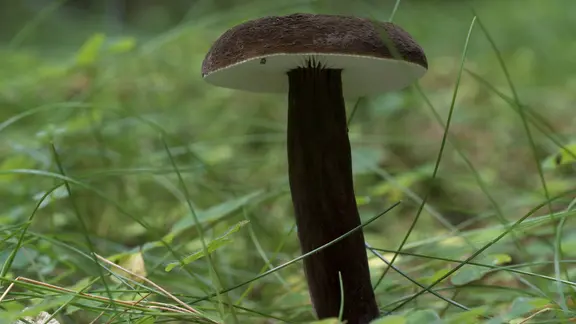
While the ecological impact of the two methods is identical, the identification of the species is not. For many mushrooms, key identification features are located at the very base of the stem. A small, bulbous volva, for example, is a critical feature for identifying some of the most poisonous species (such as the Death Cap, Amanita phalloides). If a collector cuts the mushroom flush with the ground, they may inadvertently discard the most important diagnostic clue. Therefore, for safety, twisting—or carefully excavating—the entire base of the mushroom is often the more professional approach.
3. The "Leave No Trace" Philosophy
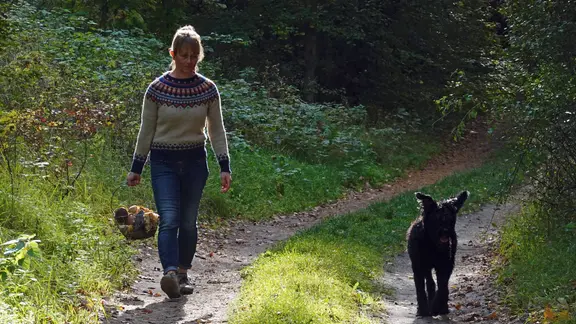
The most profound takeaway from the research is the need for behavioral change regarding how we traverse the forest. If the goal is to protect the forest’s future bounty, the focus should be on staying on established paths and moving through the woods with awareness. By avoiding "wild" trampling of potential fungal habitats, collectors can do far more for the local mushroom population than by fretting over how they cut their stalks.
Summary: A Call for Mindful Harvesting
The decades of research in Switzerland provide a rare moment of clarity in a hobby often surrounded by folklore and myth. The forest is a resilient system, and the act of harvesting, when done with care and respect, does not appear to be an existential threat to the fungi themselves.
However, the study also serves as a humble reminder of our impact on the environment. We are not just collectors; we are visitors in a complex, subterranean world. By focusing on identifying our finds correctly, avoiding unnecessary destruction of the soil, and treading lightly, we can ensure that the forest remains a productive and magical space for generations to come.
As the leaves turn and the spores begin to fly, remember: the knife you carry is less important than the path you choose to take. Keep your eyes on the ground, your feet on the trail, and your knowledge of identification sharp—the forest, and its fungal inhabitants, will thank you.
Reference:
Egli, S., Peter, M., Buser, C., Stahel, W. and Ayer, F. (2006): ‘Mushroom picking does not impair future harvests – results of a long-term study in Switzerland’, Biological Conservation, 129(2), S. 271–276.