For decades, the physical and ideological division of Germany served as the grim centerpiece of the Cold War. The Berlin Wall and the wider inner-German border, stretching hundreds of kilometers, were not merely barriers of concrete, barbed wire, and minefields; they were lethal instruments of a regime determined to seal its citizens within its borders. Yet, even today, historians, legal experts, and state institutions struggle to provide a singular, definitive number for those who perished attempting to escape the German Democratic Republic (GDR). The search for the truth is complicated by shifting definitions of "victimhood," state-sanctioned obfuscation, and the evolving nature of historical research.
The Complexity of Counting the Fallen
Determining the exact number of individuals who died as a result of the GDR’s border regime is a task fraught with methodological challenges. The variance in figures—ranging from a few hundred to nearly two thousand—is not merely a result of poor record-keeping, though that was certainly a factor, but rather a reflection of differing ideological and legal frameworks used to classify an "official" victim.
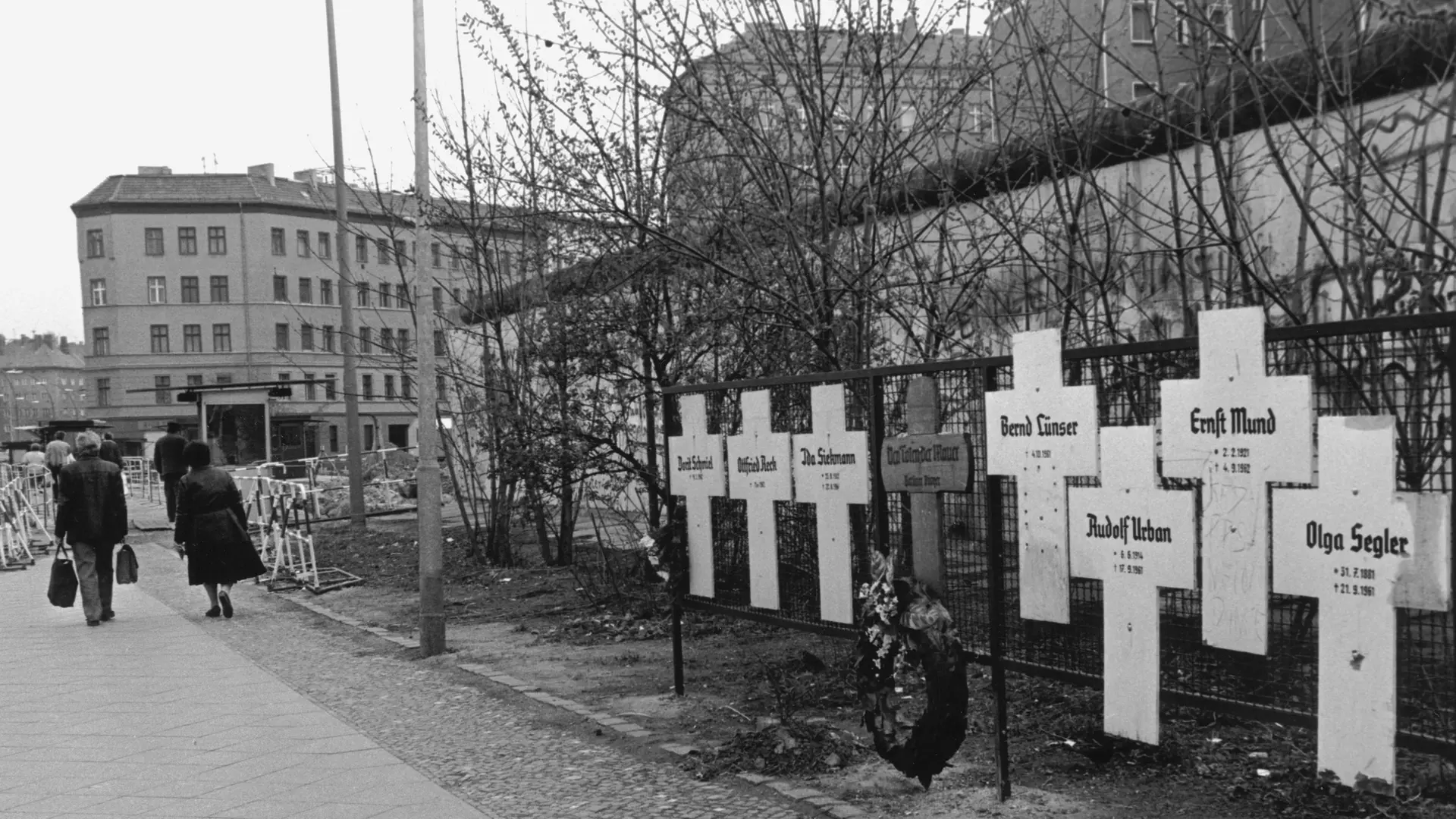
Some institutions focus exclusively on those killed by direct action: soldiers firing weapons, detonating mines, or engaging in physical violence against border crossers. Others adopt a broader definition, encompassing those who drowned while attempting to flee via the Baltic Sea, those who died in the custody of the Stasi, or even those who perished in third-party Eastern Bloc states while attempting to reach the West. This lack of consensus turns the act of counting into a political and historical negotiation.
Chronology of a Deadly Regime
The history of the border’s lethality began long before the concrete panels of the Berlin Wall were fully realized.
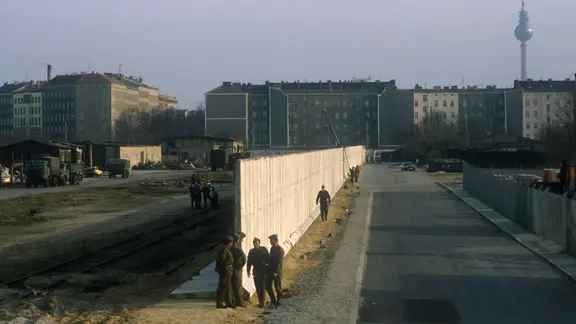
- 1961: The Great Seal: On August 13, 1961, the GDR leadership under Walter Ulbricht began the systematic closure of the sector border in Berlin. While initial measures were tactical—wire entanglements and road blocks—the subsequent construction of the Wall transformed the city into a claustrophobic prison.
- The Early Years (1961–1965): This period saw a high frequency of dramatic, often desperate escape attempts. The death of Günter Litfin, the first victim of the Wall, occurred just days after the border closure, signaling the lethal trajectory of the regime.
- The Fortification Era (1970s): The border became increasingly "technified." The introduction of automated firing devices (the SM-70), improved minefields, and sophisticated dog-runs made the "Death Strip" almost insurmountable, leading to a shift toward more complex, albeit still fatal, escape methods.
- The Final Years (1980–1989): As the GDR’s economic and political stability crumbled, the desperation of its citizens grew. Chris Gueffroy, shot on February 5, 1989, stands as the final victim of the Berlin Wall, killed just months before the border was rendered obsolete by the peaceful revolution.
Analyzing the Disparate Data Sources
The disparity in victim statistics arises from the competing methodologies of major research organizations and state bodies.
1. The Arbeitsgemeinschaft 13. August
This civic initiative, rooted in the work of human rights activist Rainer Hildebrandt, has historically provided the most expansive figures. By 2000, they identified 957 deaths. By 2023, their updated criteria—including deaths at non-German borders and via the Baltic Sea—brought the total to 1,922. Their broad scope acknowledges that the "border regime" was a transnational phenomenon of oppression.
2. The Berlin State Prosecutor’s Office
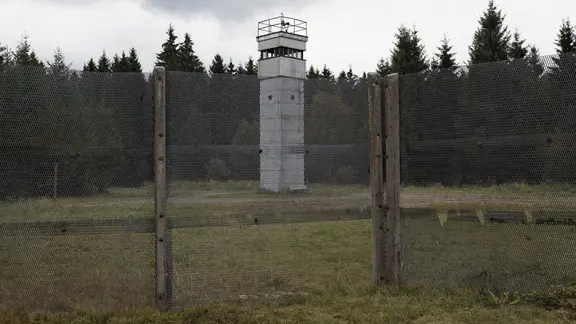
In the aftermath of reunification, the Berlin Public Prosecutor’s Office undertook a forensic approach. Their count, standing at 270 victims, was strictly limited to those killed by direct acts of violence from border guards or landmines. This approach intentionally excluded indirect deaths, such as drowning, to focus on cases that could realistically be prosecuted as homicide under the rule of law.
3. The Center for Research on Contemporary History (ZZF)
The "Chronik der Mauer" project, managed by the Leibniz-Zentrum in Potsdam, serves as a bridge between these figures. They categorize deaths by incident type—inner-city, border ring, sea, and foreign borders—allowing researchers to filter data based on specific criteria. They maintain that the number of 140 deaths specifically linked to the Berlin Wall is the most historically defensible figure, excluding deaths that did not involve direct violence.
4. The Foundation Berlin Wall (Stiftung Berliner Mauer)
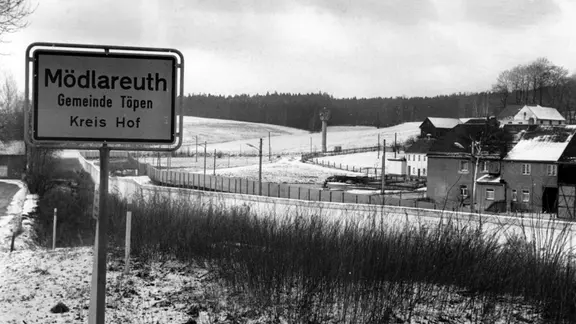
As a state-funded institution, the Foundation provides a modern, peer-reviewed estimate. With a current count of 650, they categorize victims into distinct groups: refugees, civilians without the intent to flee, border soldiers who died in the line of duty, and travelers at border crossings. This multi-layered approach provides a nuanced view, acknowledging that not everyone who died at the border was a "defector" in the traditional sense.
Scientific Rigor: The FU Berlin Study
A landmark study conducted by the Free University of Berlin (FU Berlin) in 2017 attempted to synthesize these fragmented records. Under the leadership of historians Klaus Schroeder and Jochen Staadt, the team spent five years investigating 1,492 suspected cases.
The study’s findings were controversial but thorough. They categorized deaths into four groups: those killed in the border zone, those who died during active service (including suicides by soldiers), and those who died in the context of the regime. After accounting for double-counting and false reports, the German government reviewed these findings and adjusted the official count for the inner-German border to approximately 260. While this number is lower than some advocacy figures, it represents a rigorous attempt to separate verifiable historical fact from political myth-making.
The Human Cost: Beyond the Numbers
While statistics are vital for historical accuracy, they often fail to capture the profound trauma inflicted upon the population. The Stiftung Berliner Mauer aptly notes that "uncounted are the people who died from grief and despair over the effects of the Wall on their lives."
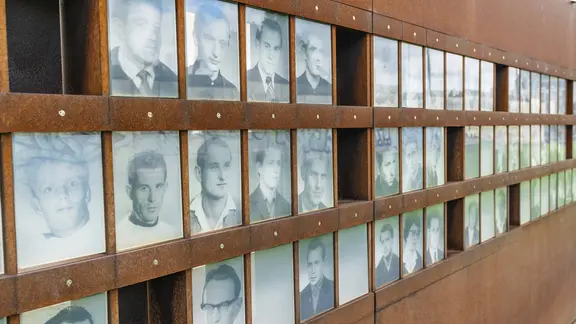
The psychological toll of the division was a form of violence in itself. Families were torn apart, careers were ruined by "political unreliability," and the constant threat of surveillance created a culture of silence. Furthermore, the 2023 research by the FU Berlin and the Universities of Potsdam and Greifswald regarding the "Iron Curtain" highlights that the danger did not stop at the German-German border. The study identified 135 deaths in the Baltic Sea and 77 deaths at the borders of other Eastern Bloc countries, proving that the reach of the GDR’s restrictive policies extended far beyond the concrete walls of Berlin.
Implications for Modern Memory
Why does the number matter? In the context of modern Germany, these figures are not just archival data; they are a litmus test for the country’s commitment to historical truth.
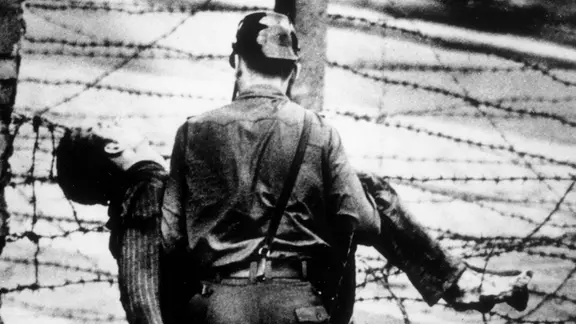
- Legal Accountability: Accurate counting was necessary for the post-reunification trials, where border guards and regime officials were held accountable for "manslaughter" and "murder."
- Grievance and Recognition: For the families of the victims, a lower number does not mean their loved ones are forgotten; rather, it provides a validated, non-sensationalized history that honors the reality of the struggle.
- The Danger of Revisionism: By meticulously documenting the deaths, historians protect the record against revisionist narratives that seek to downplay the brutality of the SED (Socialist Unity Party) regime.
Conclusion
The pursuit of the "true" death toll of the Iron Curtain is an ongoing process of refinement. It is a testament to the complexity of the Cold War that even thirty-five years after the fall of the Wall, historians continue to uncover new files, clarify individual fates, and adjust their methodologies.
Whether the number is 260 or 1,900, each entry in these databases represents a life extinguished by the cold machinery of a totalitarian state. The discrepancy in the numbers should not be viewed as a failure of historical research, but as an indicator of the diverse ways in which a regime can destroy a life—whether through a bullet at the border, a mine in the woods, or the crushing weight of systemic oppression. As Germany continues to reflect on its divided past, the focus remains clear: to remember not just the wall, but the people who paid the ultimate price for the dream of freedom.