As Germany transitions toward a renewable energy grid, the "Dunkelflaute"—a period where both wind and solar power generation remain minimal—poses a significant challenge to grid stability. Researchers at the Fraunhofer Institute for Interfacial Engineering and Biotechnology (IGB) are now deploying artificial intelligence to transform the nation’s 10,000 biogas plants into flexible, high-efficiency power reserves, ensuring that the lights stay on even when the weather fails to cooperate.
The Challenge: Navigating the "Dark Doldrums"
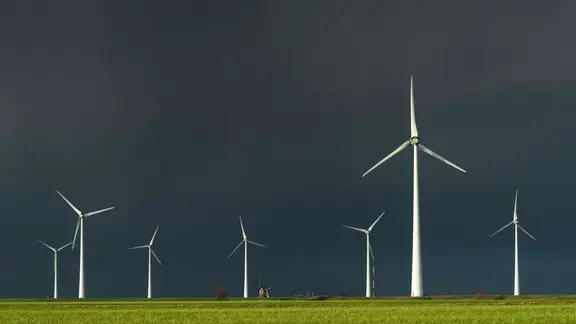
The German energy transition, or Energiewende, has been a success in terms of installed capacity, but it faces a persistent meteorological hurdle: the "Dunkelflaute" (literally "dark doldrums"). This phenomenon occurs during winter months when extended periods of low wind speeds coincide with short, overcast days, rendering wind turbines and photovoltaic arrays largely ineffective.
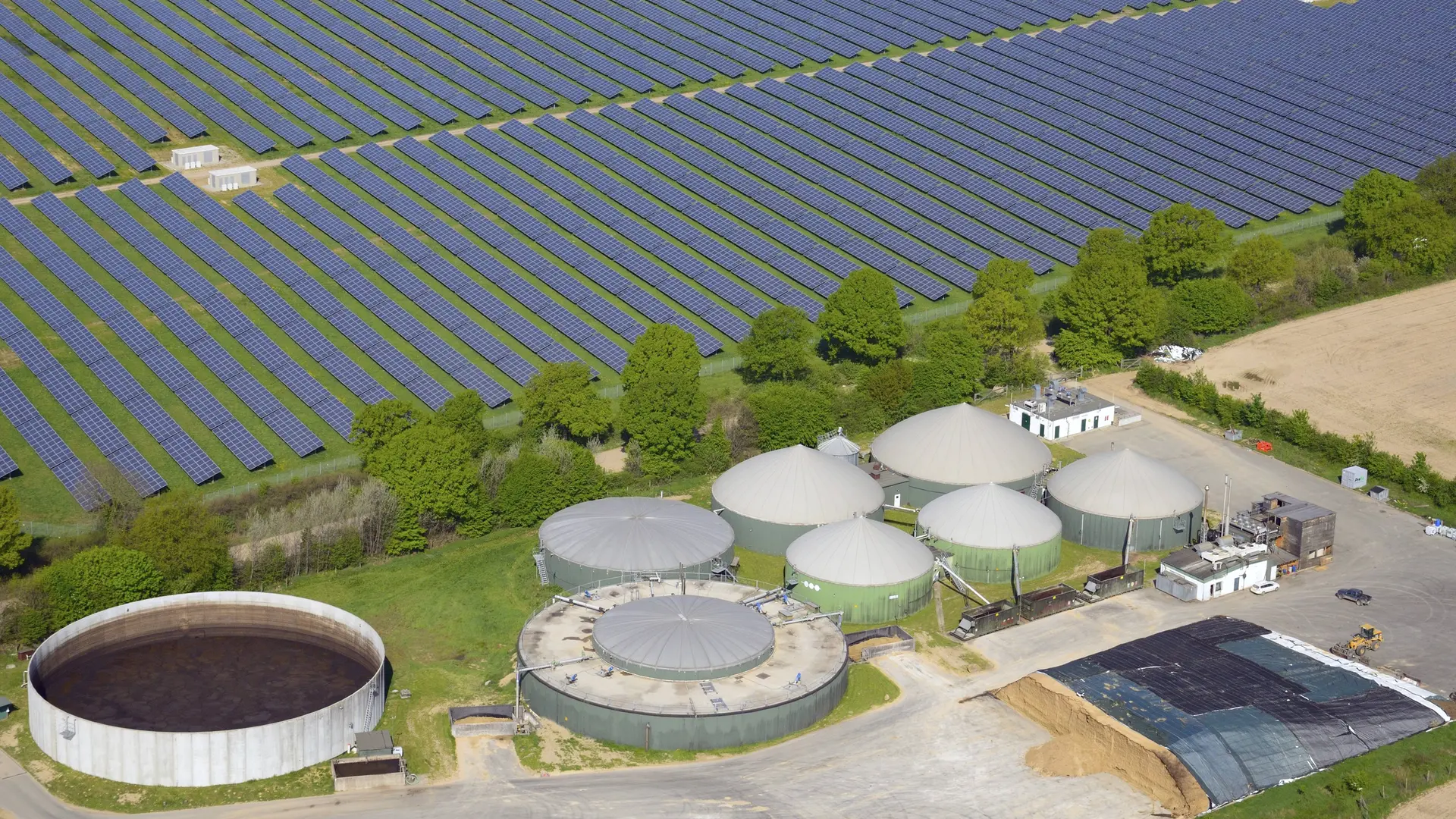
According to data released by the KfW bank in early 2026, Germany experiences an average of 15 days per year where renewable output from wind and solar reaches critically low levels. During these windows, the grid relies heavily on base-load power from coal, gas, or imported energy. However, as Germany moves to phase out fossil fuels, it requires a decentralized, dispatchable, and sustainable energy source to bridge these gaps.
Biogas plants, which utilize the fermentation of organic matter to produce methane, are naturally suited for this task. Unlike wind or sun, biogas is storable. The challenge, however, has never been the availability of the gas, but the efficiency and timing of its conversion into electricity.
Chronology: From Static Operation to Intelligent Grid Management
For years, the vast majority of German biogas plants operated on a continuous, "baseload" basis. They produced power at a steady rate, regardless of the electricity market’s demand. This was profitable under early feed-in tariff models, but it is inefficient in a modern, market-driven energy system.
- Pre-2020: Biogas plants functioned as static generators, rarely adjusting their output to match fluctuating grid demand.
- 2020–2025: As energy prices grew more volatile, operators began seeking ways to store gas and release it during peak price hours, but the manual optimization of these processes proved difficult.
- Late 2026: The Fraunhofer IGB unveiled a new digital platform that leverages edge computing and artificial intelligence. This shift marks the transition of the biogas sector from a "set-it-and-forget-it" model to an agile, predictive energy resource.
Technical Innovation: The Power of Edge Computing
The breakthrough achieved by the Fraunhofer IGB team lies in the utilization of "hidden" data. Most modern biogas plants are already equipped with a vast array of sensors measuring internal temperatures, gas pressure, pump activity, and mixer performance. However, in traditional setups, this data is often siloed, used only for immediate emergency stops or basic monitoring, and rarely stored for long-term predictive analysis.
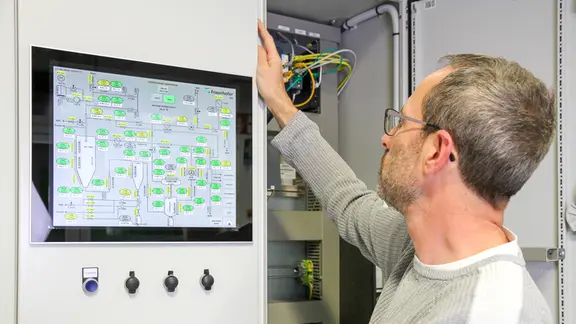
The Fraunhofer researchers developed an "Edge Device"—a specialized industrial computer installed directly at the plant. This device performs two critical functions:
- Data Synthesis: It pulls data from disparate sources within the plant and correlates it with real-time grid status and wholesale electricity prices.
- Autonomous Decision-Making: It processes this information locally, removing the need to transmit sensitive operational data to an external cloud, which enhances security and reduces latency.
By doing so, the system can predict exactly when the plant should ramp up production. If the forecast suggests a drop in wind speeds for the following 48 hours, the system instructs the plant to optimize its anaerobic digestion process and accumulate gas reserves. When the energy price peaks—or when the grid operator signals a supply shortage—the system initiates power generation at maximum capacity.
Supporting Data: Biogas in Mitteldeutschland
The importance of this regional capacity is underscored by the current infrastructure across central Germany. As of October 2026, the Market Master Data Register (Marktstammdatenregister) reports the following figures:
- Sachsen-Anhalt: 364 plants with a total capacity of 297 MW.
- Sachsen: 334 plants with a total capacity of 175 MW.
- Thüringen: 280 plants with a total capacity of 144 MW.
Combined, these nearly 1,000 facilities represent a significant, untapped "virtual power plant." By applying AI-driven synchronization across these sites, the potential to offset a regional Dunkelflaute is substantial. These plants are not just producing electricity; they are providing a flexible buffer that protects the stability of the entire German grid.
Official Responses and Strategic Implications
The push for digitalized biogas is part of a broader government and research initiative to optimize resource management. "The goal is not to maximize gas production at all costs," explains a lead researcher at the Fraunhofer IGB. "The goal is to produce energy when it is most needed and most valuable. We are moving from a volume-based business model to a value-based business model."
The implications of this technology extend far beyond the biogas sector. The same logic of "edge-based predictive maintenance and control" can be applied to:
- Wastewater Treatment Plants: Optimizing aeration systems, which are massive energy consumers, to run during low-demand periods.
- Drinking Water Supply: Managing pumps and pressure zones based on real-time energy prices and demand.
- Agricultural Irrigation: Automating complex, large-scale systems to respond to weather forecasts and electricity spot prices.
A Sustainable Future?
Critics have long argued that biogas is not a "magic bullet," citing land-use conflicts and the sustainability of feedstocks. However, the move toward intelligent control allows for a higher efficiency rate, meaning plants can achieve the same grid-balancing goals with fewer, higher-quality, or waste-derived inputs.
The integration of artificial intelligence into these systems effectively turns the biomass-to-electricity process into a "battery" of sorts. By treating organic waste as a chemical battery that can be "charged" (produced) and "discharged" (converted to electricity) based on AI predictions, Germany is creating a more resilient energy landscape.

Conclusion: The Path Ahead
As we look toward the winter of 2026 and beyond, the marriage of biotechnology and artificial intelligence offers a blueprint for energy security in a carbon-neutral world. While wind and solar provide the bulk of our power, the "dunkelflaute-proof" biogas sector will act as the essential stabilizer.
The research conducted by the Fraunhofer IGB serves as a reminder that the energy transition is as much about data as it is about hardware. By making our existing infrastructure smarter, we can bridge the gaps in our renewable grid, ensuring that our reliance on sustainable energy does not come at the cost of stability or reliability. The era of the intelligent biogas plant has arrived, and it may well be the unsung hero of the next decade of the Energiewende.
Quick Facts: Why AI for Biogas?
- Efficiency: Optimizes substrate mixtures to ensure higher gas yields with lower input costs.
- Market Alignment: Synchronizes power generation with the highest electricity market prices.
- Grid Stability: Provides critical, dispatchable power during periods of low renewable output.
- Local Processing: Ensures data privacy and operational autonomy through local edge computing.
- Scalability: The technology is applicable to various industrial processes, from wastewater management to smart agriculture.