The judicial proceedings against an alleged left-wing extremist network in Dresden have reached a somber and controversial conclusion for one of the accused. Following months of legal maneuvering and alarming warnings from his legal team, 38-year-old Henry A. has passed away.
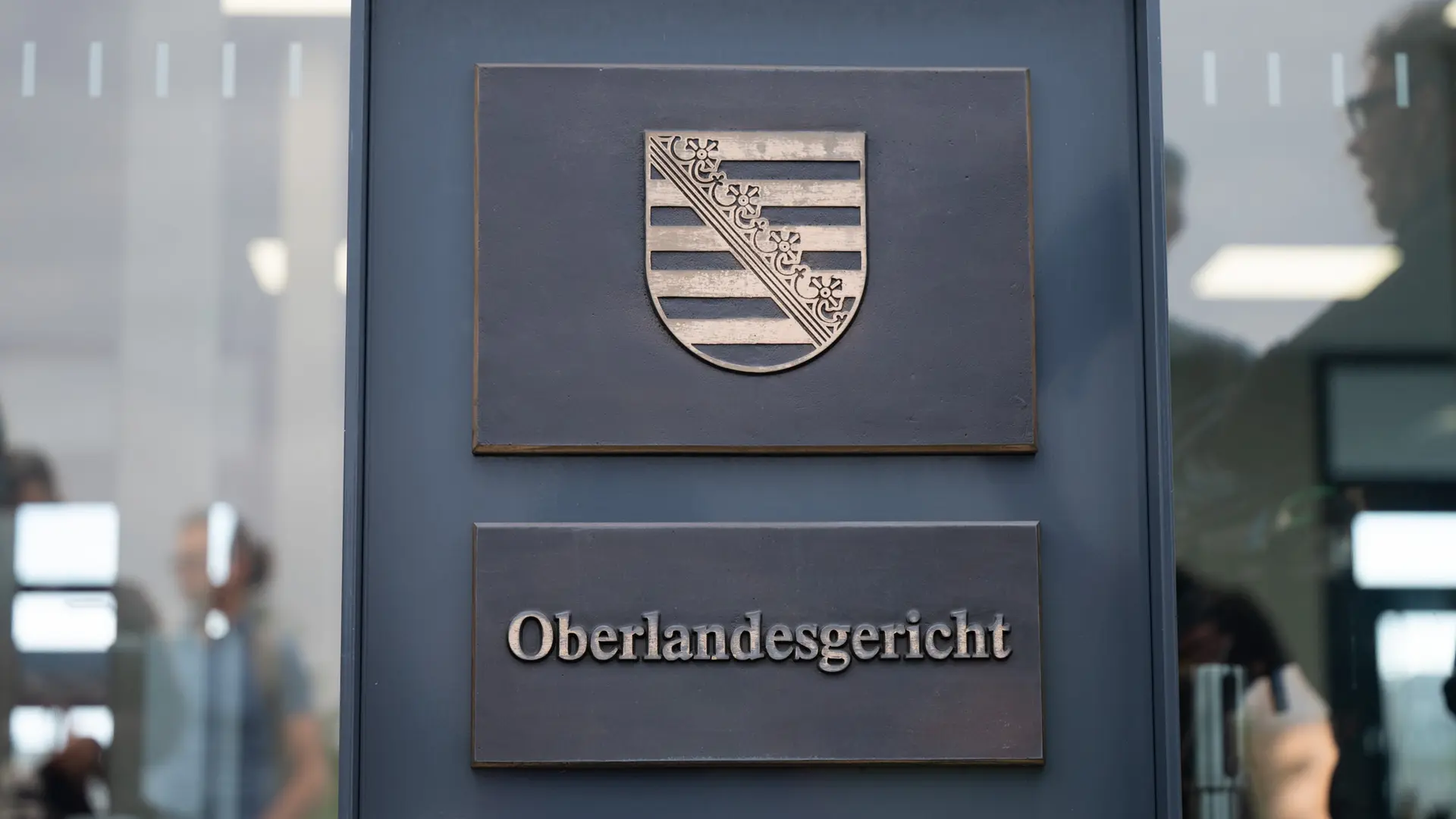
In what was already considered one of the most significant and politically charged trials held at the Higher Regional Court (Oberlandesgericht) of Dresden, the proceedings have taken a tragic turn. On the night of Saturday, October 24, 2026, Henry A., one of the seven defendants in the sprawling "Antifa-Ost" case, died. His death follows a series of harrowing personal crises that had already forced his separation from the main trial proceedings in September.
The case, which centers on allegations of membership in a criminal organization and targeted acts of violence against political opponents, has been under intense public and media scrutiny since it began in November 2025. However, the focus has now shifted from the legal merits of the charges to the conduct of the state’s judicial authorities and their handling of a defendant who was clearly suffering from a severe mental health crisis.
The Chronology of a Failing Duty of Care
The timeline leading to the death of Henry A. reveals a stark conflict between the machinery of the criminal justice system and the fundamental human rights of the accused.
August 2025: The First Warning Signs
Throughout the summer of 2025, the defense team for Henry A. repeatedly alerted the court to the deteriorating psychological state of their client. According to legal counsel, the 38-year-old had been suffering from acute mental health struggles. Despite these warnings, the court, relying on a state-appointed psychiatric expert who deemed the defendant fit for trial, insisted on his presence in the courtroom.
Mid-August: Compulsory Attendance and Escalation
In mid-August, the situation reached a breaking point. Despite having been admitted to a psychiatric clinic under the orders of a local district court in Leipzig, Henry A. was transported to Dresden to face trial. The court’s decision to continue the proceedings—with the threat of force if necessary—was met with outrage by his legal representatives.
Witnesses and attorneys described Henry A. as visibly sedated, struggling with the effects of medication, and appearing detached from his surroundings. His lawyer, Felix Isensee, described the environment as "undignified," arguing that the court was prioritizing the formal progression of the trial over the basic health and safety of a human being in custody.
August 15, 2025: The Tragic Attempt
Just three days after a particularly grueling court session, Henry A. made a serious attempt on his life, resulting in severe injuries that left him in a coma. This incident finally forced the court to acknowledge the impossibility of his participation, and in September, the proceedings against him were officially separated from the main trial.

Supporting Data: The Medical Conflict
The core of the controversy lies in the disparate assessments of Henry A.’s "fitness to stand trial" (Verhandlungsfähigkeit). Under German law, a defendant must be in a physical and mental state that allows them to follow the proceedings and mount an effective defense.
- The Court’s Expert: A court-appointed psychiatrist concluded that, while Henry A. was clearly distressed, he remained fit to attend the trial provided he was accompanied by medical or police personnel. This opinion served as the legal justification for the court’s insistence on his attendance.
- The Treating Physicians: Conversely, the doctors who had been treating Henry A. at the psychiatric clinic in Leipzig strongly advised against his transport and participation in the trial. They maintained that his clinical condition required stabilization, not the stress of a high-stakes state security trial.
The court’s decision to override the advice of the primary care providers in favor of a single expert opinion has now become the focal point of a major debate regarding the state’s "duty of care" (Fürsorgepflicht) toward individuals in its custody.
Official Responses and Judicial Silence
To date, the response from the Higher Regional Court of Dresden has been minimal and largely procedural. When questioned by MDR INVESTIGATIV regarding the allegations of negligence, a court spokesperson consistently deflected, emphasizing that the court acted within the scope of the law.
In September, the spokesperson confirmed the separation of the trial, citing that the defendant was neither fit for travel nor for trial at that time. As of the writing of this report, the court has not issued an official statement regarding the death of the defendant. This silence has drawn sharp criticism from legal observers, who argue that the court has a moral, if not legal, obligation to address the concerns raised by the defense.

Felix Isensee, representing the late defendant, remains adamant: "The court had a duty of care that it failed to exercise. Decisions made in the name of the state cannot be separated from the human consequences they produce."
Broader Implications for the "Antifa-Ost" Trial
The death of Henry A. leaves the remaining six defendants and the state prosecutors in an uneasy position. The "Antifa-Ost" trial is a landmark case in the history of the Federal Republic, testing the boundaries of how the state handles militant left-wing activism.
Impact on the Proceedings
While the trial continues for the remaining defendants, the loss of one of the accused complicates the narrative of the case. The defense attorneys for the other defendants are likely to use this tragedy to highlight the alleged "heavy-handedness" of the state security apparatus. The trial, which has been characterized by high police presence and frequent protests since its inception in November 2025, is now likely to face further delays and increased scrutiny.
The Question of Judicial Accountability
The case raises uncomfortable questions about the German judiciary’s approach to defendants with mental health conditions. Can a court be held responsible when its insistence on procedural efficiency contributes to a catastrophic health outcome?

Legal experts suggest that while the court’s actions may technically align with the letter of the law—based on the expert’s assessment—the "spirit" of the law, which mandates the humane treatment of all individuals, may have been compromised. The incident may lead to future legislative calls for more stringent requirements when assessing the mental fitness of defendants who are clearly in crisis.
Conclusion: A Shadow Over the Bench
As the trial of the remaining defendants moves forward, the memory of Henry A. will likely cast a long shadow over the proceedings in Dresden. The case serves as a stark reminder that behind every criminal file is a person.
The tragedy has not only affected the immediate families and legal teams involved but has also triggered a wider conversation about the vulnerability of those caught in the legal system. As of today, the court continues its work, but for many, the "Antifa-Ost" trial has become synonymous with a failure of empathy and institutional responsibility.
If you or someone you know is in a crisis or considering self-harm, please reach out for help. In Germany, you can contact the Telephone Counseling Service (Telefonseelsorge) at 0800/1110111 or 0800/1110222. These services are free, anonymous, and available 24/7.