Researchers at ETH Zurich have unveiled a groundbreaking bio-electronic implant, dubbed "Echo," that could fundamentally transform how we treat the twin epidemics of obesity and Type 2 diabetes. By utilizing electrocatalysis to regulate blood sugar levels directly, this technology offers a glimpse into a future where chemical interventions are replaced by precision engineering.
In the landscape of modern medicine, few challenges are as pervasive as the combination of obesity and Type 2 diabetes. Often referred to by the portmanteau "diabesity," this metabolic condition affects millions globally, placing an immense burden on both the individual and healthcare systems. For many, the daily reality is a rigorous cycle of lifestyle modifications and a complex regimen of pharmaceutical agents—from insulin sensitizers to drugs that force the kidneys to excrete excess sugar.
However, a research team led by Professor Martin Fussenegger at the Department of Biosystems Science and Engineering at ETH Zurich has proposed an alternative: a "closed-loop" electronic implant that acts as a gatekeeper for blood glucose. As the medical community prepares to discuss the future of body optimization at events like the 2026 Silbersalz Festival, this innovation stands as a beacon of potential, even as it faces the rigorous scrutiny of the scientific community.
The Genesis of "Echo": A Paradigmatic Shift
The device, officially named "Echo" (Electrocatalytic Closed-Loop Health Optimization), represents a departure from traditional pharmacotherapy. "For decades, we have treated diabetes by instructing the body on how it should handle glucose," explains Professor Fussenegger. "Now, we are demonstrating that we can control glucose directly, using electronics instead of drugs."
The core of the system is not a biological cell or an enzyme, but an inorganic, electrocatalytic catalyst. Implanted under the skin, the device functions by converting excess glucose from the blood into gluconate, a substance that is subsequently excreted through the urine. By preventing this excess sugar from being stored as body fat, the device addresses both the glycemic spikes associated with diabetes and the caloric surplus associated with obesity.
How the Device Works
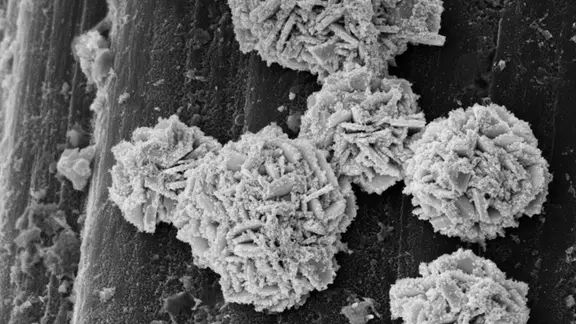
The technology is a marvel of material science. The active surface of the implant consists of a graphite felt substrate, intricately coated with nanometer-sized gold flakes and even smaller platinum particles. These materials are biocompatible, ensuring that the body does not mount a severe immune response.

The process is fully automated. The implant is linked to a continuous glucose monitor (CGM). When the system detects that blood glucose has crossed a predefined threshold, the electronic control unit—housed in a 3D-printed, wirelessly powered casing—activates the catalyst. Once the glucose levels return to a stable range, the system enters a standby mode. This closed-loop functionality is similar in philosophy to modern automated insulin pumps, but it replaces the delivery of a hormone with the active removal of the substrate itself.
Chronology of Development and Testing
The path to this innovation has been marked by rigorous pre-clinical testing. While the research was formally published in the journal Science in late 2026, the underlying development of the electrocatalytic surface took years of experimentation.
- Initial Concept (2023–2024): Researchers focused on finding an inorganic material capable of oxidizing glucose without the need for fragile biological enzymes, which often degrade quickly inside the human body.
- Nanostructure Engineering (2025): The team optimized the gold-platinum surface, achieving the "sand-rose" structure that maximizes the surface area for efficient catalysis.
- Animal Trials (Early 2026): In studies involving mice afflicted with both obesity and Type 2 diabetes, the results were striking. Within one hour of device activation, the animals’ blood sugar returned to healthy levels. Over a six-week period, the mice exhibited significant weight loss.
- Safety Verification (Mid-2026): Observations during the study showed no significant signs of hypoglycemia (dangerously low blood sugar), no negative impact on inflammatory markers, and no aberrant behavioral changes in the subjects.
Expert Perspectives: The Path to Human Application
While the laboratory results are undeniably impressive, the medical community urges caution. Scaling this technology from a mouse model to a human patient is a leap fraught with biological and technical complexities.

The Problem of Scale
Dr. Andreas Birkenfeld, Medical Director for Diabetology, Endocrinology, and Nephrology at the University Hospital Tübingen, notes that the physiological differences between a mouse and a human are profound. "We are talking about a massive difference in blood volume and, consequently, a much larger quantity of glucose that needs to be removed," Dr. Birkenfeld explains. "The efficiency of the system is tied to the surface area of the electrode. We simply do not know yet how large a human-scale device would need to be, or if we would require multiple implants distributed across the body."
Furthermore, the longevity of the device remains a significant hurdle. If the device requires surgical replacement or maintenance, the risk-to-benefit ratio shifts. A recurring surgery for an implantable device could introduce risks that outweigh the convenience of avoiding daily medication.
Risks and Technical Failures
Michael Roden, CEO of the German Diabetes Center (DDZ), highlights the potential for "technical drift" and failure. "Numerous risks are conceivable," says Roden. "Infections at the implantation site, battery or component failure, or a malfunction of the closed-loop control could lead to life-threatening states."
Specifically, he points to the danger of ketoacidosis—a condition where the blood becomes overly acidic due to the accumulation of ketone bodies. Since the Echo device encourages the body to burn fat, it naturally increases the production of these ketones. In a patient with existing insulin deficiency, such as someone with advanced Type 2 or Type 1 diabetes, this could spiral into a metabolic crisis.
Supporting Data and Ethical Implications
The study published in Science provides the necessary data to support the feasibility of the concept, but it also opens a new ethical conversation regarding "body optimization." If a device can regulate weight and blood sugar without effort, does it change the societal approach to nutrition and exercise?
Current data indicates that the device is highly effective at reducing the metabolic load. However, experts like Siegfried Ussar of the Helmholtz Zentrum Munich remind us that the device does not cure the underlying pathology of Type 2 diabetes: insulin resistance. "Echo could be an additional tool, but it does not fix the fundamental issue of insulin deficiency," Ussar notes. He adds that the speed at which the device works is both "impressive and confusing," as it regulates glucose in the interstitial fluid rather than the blood directly, which requires further study to ensure total systemic safety.

Looking Ahead: The Future of Metabolic Intervention
Despite the reservations, the potential for a "set-and-forget" treatment for metabolic syndrome is tantalizing. For patients suffering from treatment fatigue—those who find it difficult to manage complex medication schedules or those who have failed to respond to conventional therapies—the prospect of an automated, internal regulator is a significant step forward.
Could We Prevent Diabetes?
Perhaps the most ambitious prospect discussed by researchers is the prophylactic use of such technology. If a device can be implanted in individuals at high risk for diabetes before the disease manifests, could it prevent the onset of the condition entirely? While this remains a theoretical "what-if" scenario, it represents the potential for a fundamental shift in preventative medicine: using technology to balance the body’s chemistry before it loses the ability to do so itself.
As the scientific community continues to analyze the ETH Zurich findings, the focus will shift to identifying the ideal patient profile for future clinical trials. It is unlikely that such a device would replace insulin for Type 1 diabetics in the near future, but it may find its niche as an adjunct therapy for those with treatment-resistant obesity and Type 2 diabetes.

A New Era of Medical Technology
The Echo device is more than just a piece of hardware; it is a symbol of the merging of physics and physiology. As we look toward the next decade, the integration of such devices into human healthcare will depend on three pillars:
- Long-term Biocompatibility: Ensuring the materials do not degrade or trigger chronic inflammation.
- Fail-safe Engineering: Implementing redundant systems that prevent the device from over-correcting glucose levels.
- Clinical Validation: Large-scale human trials to confirm that the results seen in mice translate safely to the complex human metabolic environment.
For now, the Echo implant remains an experimental, albeit revolutionary, success. It challenges us to rethink the boundaries of medicine and offers a glimpse into a future where, for some, the struggle with metabolism might eventually be managed by a simple, invisible piece of technology working silently beneath the skin.
Scientific Reference:
Maity D, Guha Ray P, Buchmann P, Charpin-El-Hamri G, Fussenegger M: Wireless electrocatalytic closed-loop system for drug-free management of diabesity, Science (2026), DOI:10.1126/science.ady8560