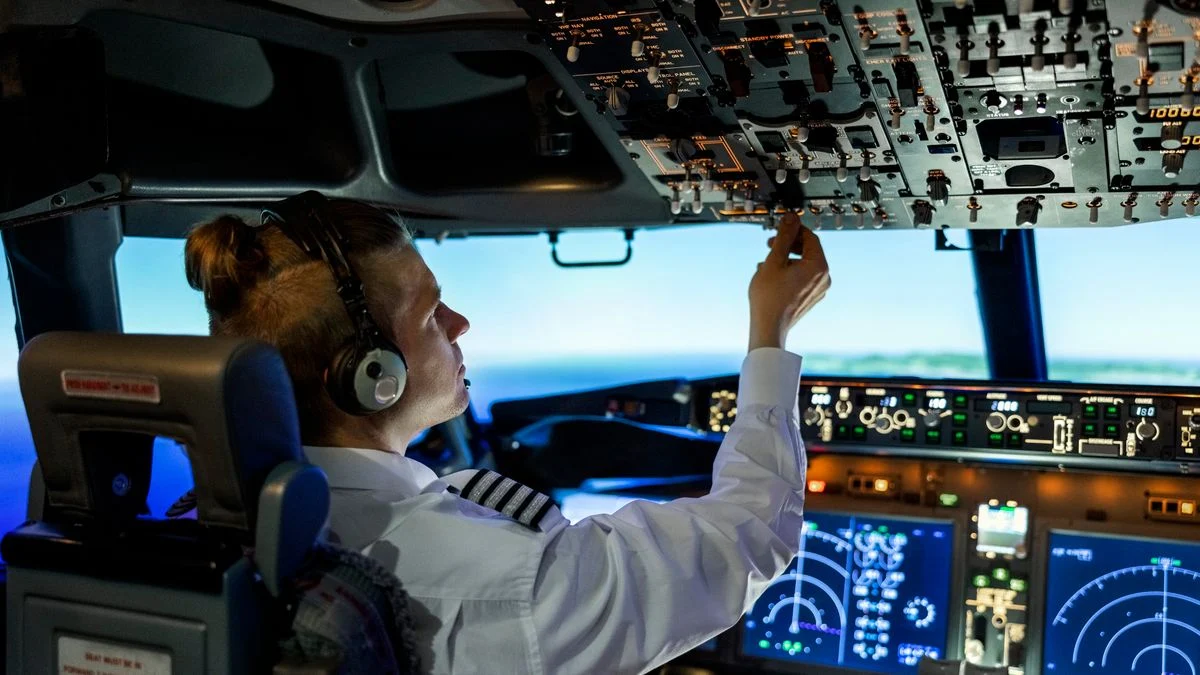
The cockpit of a commercial airliner is designed as a sanctuary of precision, technological sophistication, and unwavering vigilance. However, beneath the calm veneer of professional aviation, a persistent and dangerous trend is emerging: a systemic fatigue crisis that threatens the safety of the European skies. A groundbreaking new survey by the European Cockpit Association (ECA) has revealed that exhaustion among commercial airline pilots is not an occasional occurrence but a pervasive operational hazard.
According to the report, three out of four European airline captains have admitted to falling asleep in the cockpit during a flight. Perhaps more alarming is the revelation that one in four pilots regularly operates an aircraft while feeling too fatigued to work, highlighting a workforce pushed to its physiological limits by grueling schedules and corporate pressures.
The Magnitude of the Survey: A Snapshot of a Strained Industry
The ECA’s comprehensive study, which surveyed nearly 7,200 pilots and first officers, provides the most candid look yet at the realities of modern flight operations. The data paints a grim picture: systemic understaffing, insufficient rest periods, and a culture of fear that discourages pilots from reporting their true physical condition.
The survey found that only 17 percent of pilots feel comfortable calling in sick when they are too tired to fly. This low reporting rate is not due to a lack of professional responsibility, but rather a chilling effect created by management. Nearly half of the respondents disclosed that they fear negative career consequences—ranging from disciplinary action to loss of advancement opportunities—should they declare themselves unfit for duty due to fatigue.
The data further reveals that in the three months leading up to the survey period in August, half of all respondents admitted to operating a flight despite knowing they should have grounded themselves for safety reasons. This represents a staggering erosion of the "safety-first" culture that is supposed to be the bedrock of the aviation industry.
Chronology of a Growing Concern
The issue of pilot fatigue is not a new phenomenon, but its intensity has escalated significantly in the post-pandemic era.
- 2020–2021: The aviation industry experienced a total shutdown followed by a chaotic restart. As demand for travel surged, airlines faced a massive shortage of qualified staff, leading to increased pressure on existing crews.
- 2022–2023: As flight volumes returned to pre-pandemic levels, the "operational resilience" of airlines was tested. Reports of delays, cancellations, and long-haul fatigue began to surface in industry journals.
- 2024: The European Union and various national aviation authorities faced increasing pressure from labor unions to tighten Flight Time Limitations (FTL).
- October 2026: The release of the ECA survey confirms that the measures taken thus far have been insufficient. The data serves as a turning point, forcing a public reckoning regarding the sustainability of current airline scheduling models.
Regional Disparities: Where the Pressure Points Are
The survey highlights significant geographic variations in how fatigue is experienced. Pilots operating for airlines based in Malta and Ireland—hubs for major low-cost carriers—reported the highest frequencies of "cockpit naps" and insufficient rest. In these regions, more than a third of pilots indicated that their rest periods are consistently inadequate to prevent the accumulation of fatigue.
The disparity across borders is stark. In Spain, two out of five pilots reported flying while fatigued, while in France, the figure stands at one in three. In contrast, the United Kingdom reported significantly lower levels, with only one in ten pilots expressing similar concerns. These variations suggest that national regulatory enforcement, airline-specific management cultures, and operational models play a massive role in whether a pilot feels safe or exploited.
The Physiological and Safety Implications
To understand the severity of this crisis, one must look at the biological cost of aviation. Pilots operate in an environment of constant disruption: irregular shift patterns, rapid time-zone transitions, and the cognitive load of navigating high-tech flight decks.

When the natural circadian rhythm is chronically disrupted, the human body suffers. The consequences for flight safety are catastrophic:
- Impaired Judgment: Fatigue slows down the cognitive processes required to make split-second decisions during emergencies.
- Delayed Reaction Times: In a cockpit, milliseconds matter. Exhaustion effectively acts as a depressant, blunting the reflexes necessary to respond to automated system alerts or sudden meteorological changes.
- Reduced Situational Awareness: Tired pilots are less likely to notice subtle deviations in flight parameters or communication errors, increasing the likelihood of "human error," which remains the leading cause of aviation incidents.
The "Culture of Fear": Why Pilots Remain Silent
The most disturbing finding of the ECA survey is the psychological barrier preventing pilots from reporting their state of exhaustion. Aviation safety is built on a "Just Culture," where personnel are encouraged to report errors or safety concerns without fear of punishment. However, the survey results indicate that for many, this culture has been replaced by a "Culture of Fear."
Management practices—such as scrutinizing pilots who report "fatigue-related unfitness" or creating environments where the expectation is to "push through"—have created a dangerous bottleneck. If a pilot feels that their career is at stake, they will prioritize their livelihood over the immediate safety of the flight, a choice that no aviation professional should ever be forced to make.
Official Responses and Regulatory Obligations
Under European Union Aviation Safety Agency (EASA) regulations, airlines are legally obligated to implement Flight and Duty Time Limitation (FTL) schemes. These regulations are designed to ensure that aircrew are sufficiently rested. However, the recurring nature of these surveys suggests that while the letter of the law may be met, the spirit of safety is being undermined by creative scheduling and aggressive rostering.
Industry bodies and labor unions are now calling for a comprehensive review of these regulations. The consensus among experts is that current FTL standards were designed for a different era of aviation—one that did not include the current levels of operational intensity and staffing shortages.
Moving Forward: Is Change on the Horizon?
The evidence presented by the ECA is a clarion call for change. If the industry wishes to maintain its exemplary safety record, it must address the "human element" with the same rigor it applies to mechanical maintenance.
Solutions proposed by safety advocates include:
- Mandatory Fatigue Risk Management Systems (FRMS): Moving beyond fixed flight time limits toward a data-driven model that accounts for actual pilot sleep patterns and circadian disruption.
- Decoupling Reporting from HR: Ensuring that fatigue reports are handled by independent safety departments rather than personnel management, thereby removing the fear of reprisal.
- Stricter Enforcement: Regulators must move beyond "tick-box" compliance and conduct deep-dive audits into how airlines manage their roster planning.
Conclusion: A Wake-Up Call for Aviation
The reality of modern commercial flight is often romanticized, but the lived experience of the men and women at the controls is increasingly one of quiet desperation. When a pilot states, as one did in a recent Spiegel report, that "needing a nap in the cockpit is the rule, not the exception," the industry has a systemic problem that can no longer be ignored.
Flying is a pursuit of excellence, but excellence cannot be maintained on a foundation of exhaustion. As air travel continues to grow, the aviation industry must decide whether it will continue to squeeze efficiency out of its human capital at the risk of disaster, or whether it will invest in the wellbeing of its pilots to ensure that every flight ends as safely as it begins. The eyes of the traveling public, and the records of the ECA, will be watching closely to see which path the industry chooses.