Executive Summary: A Stalled Recovery
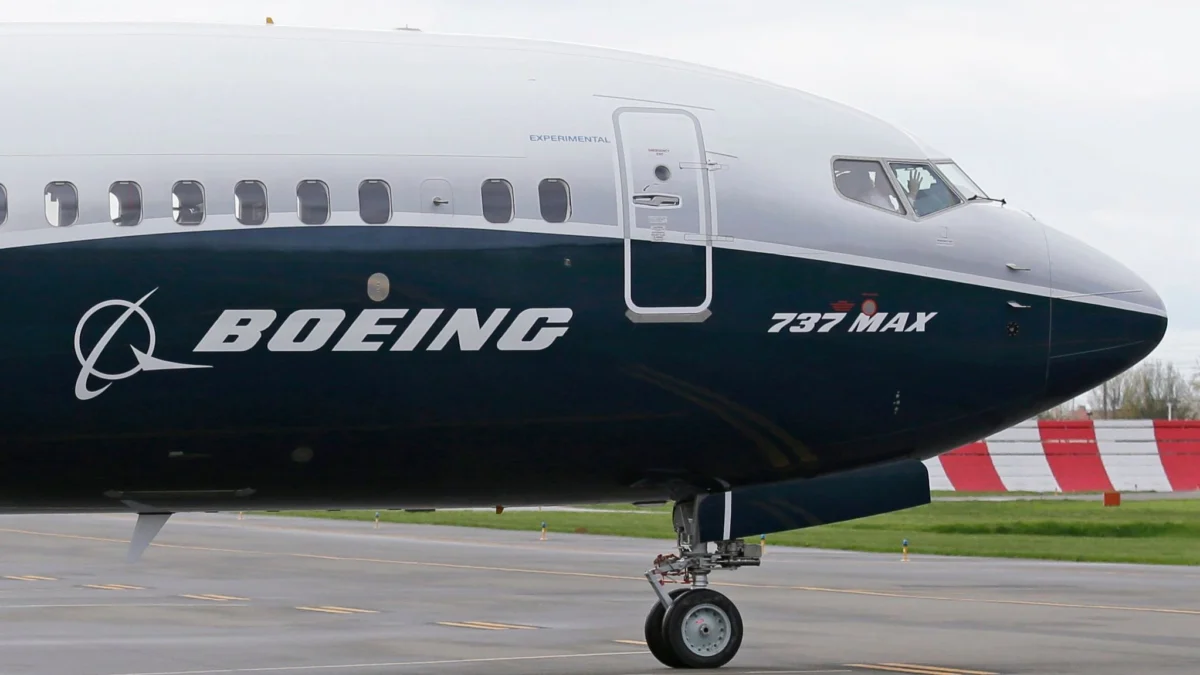
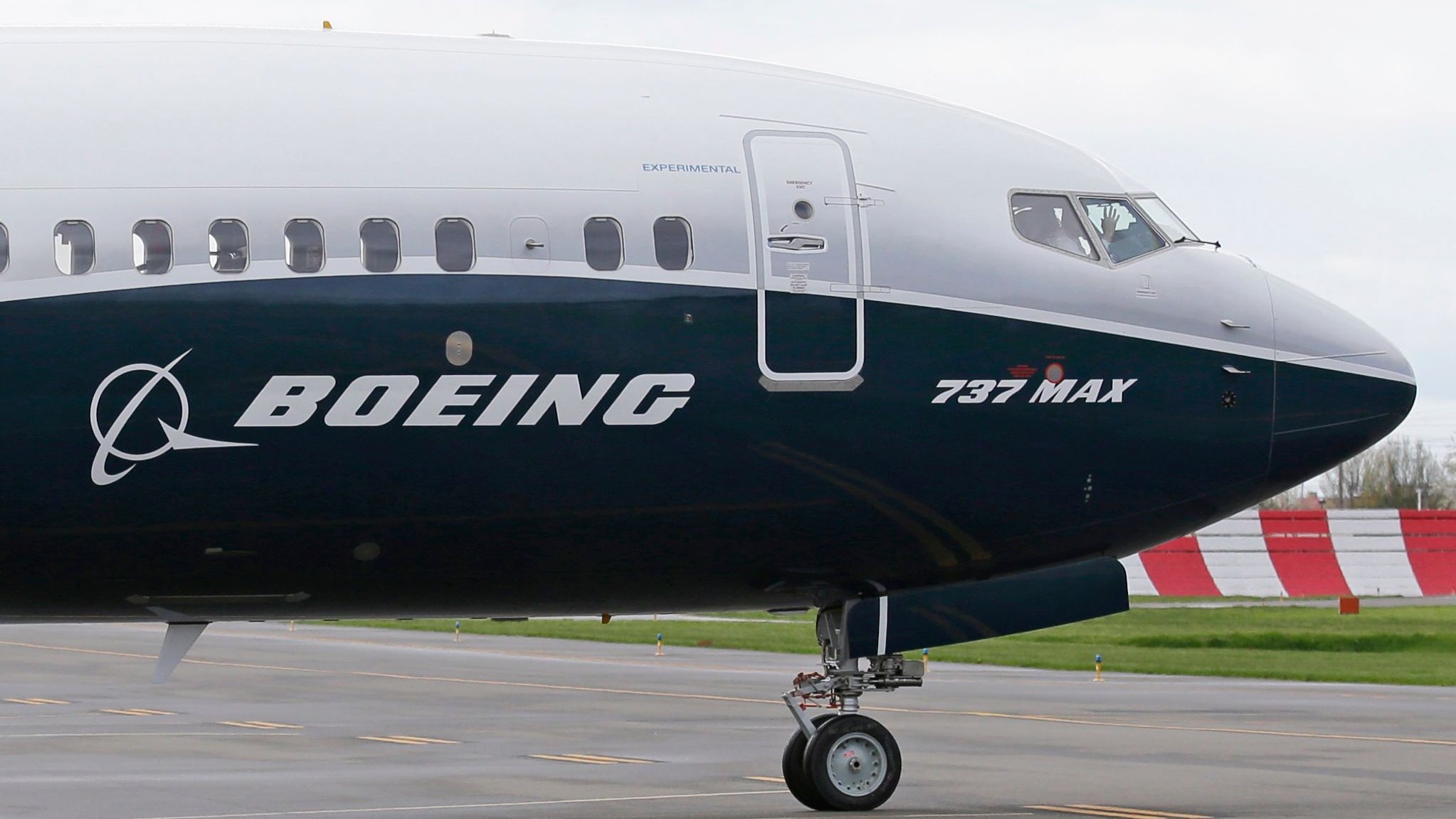
The American aerospace giant Boeing is once again grappling with significant production setbacks, casting a long shadow over its efforts to recover from a series of high-profile safety and quality crises. In a recent disclosure, CEO Kelly Ortberg confirmed that the company has been forced to push back its ambitious targets for ramping up the production of its flagship 737 MAX narrow-body aircraft.
Boeing had initially signaled its intention to reach a production rate of 47 aircraft per month by the summer of 2026. However, ongoing operational inefficiencies and supply chain constraints have necessitated a recalibration of this timeline, with the company now projecting that this milestone will not be reached until at least 2027. This delay, coupled with a downward revision of annual delivery expectations, has triggered a sharp sell-off in Boeing stock, which recently hit its lowest level in over 18 months, reflecting deepening investor skepticism regarding the manufacturer’s ability to stabilize its core operations.
Chronology of the 737 MAX Crisis
To understand the gravity of the current situation, one must view it through the lens of a half-decade of turbulence. The 737 MAX, once the cornerstone of Boeing’s commercial success, became the focal point of a global crisis following two fatal crashes in 2018 and 2019.
- 2019-2020: The Grounding: Following the Ethiopian Airlines and Lion Air disasters, the entire global fleet of 737 MAX aircraft was grounded for nearly 20 months.
- 2021-2022: The Slow Climb: After recertification, Boeing faced the arduous task of clearing the backlog of parked aircraft and resuming deliveries, a process hindered by COVID-19-related supply chain disruptions.
- 2023: Quality Concerns: Throughout last year, Boeing reported a series of manufacturing defects, including issues with the vertical tail fin fittings and improper drilling of holes in the aft pressure bulkhead. These defects forced a slowdown in production lines to ensure rigorous quality control.
- Early 2024: The Alaska Airlines Incident: The mid-air blowout of a door plug on an Alaska Airlines flight reignited intense regulatory scrutiny from the Federal Aviation Administration (FAA), leading to a cap on production rates while Boeing was forced to overhaul its factory floor culture.
- Late 2024: The Admission: In a candid interview, CEO Kelly Ortberg acknowledged that previous, overly optimistic production goals were untenable, effectively resetting expectations for the next three years.
Supporting Data: By the Numbers
The financial and operational metrics painting the picture of Boeing’s current struggle are sobering.
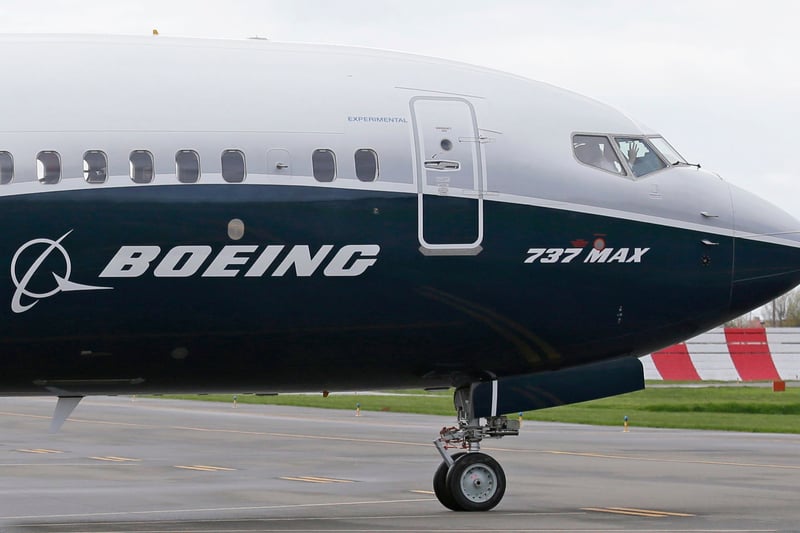
Production Throughput
Boeing’s struggle to maintain a consistent output is evident. The company is currently operating well below the target of 47 aircraft per month. While specific monthly figures fluctuate, the inability to hit the 500-delivery mark for the current fiscal year highlights the severity of the bottleneck. The primary constraint, according to leadership, is the production of wings—a complex component that requires precision manufacturing.
Cash Flow Revisions
Perhaps the most damaging revelation for institutional investors was the downward revision of the Free Cash-flow (FCF) outlook:
- 2027 Projection: Boeing is now targeting $3 billion in free cash flow. Wall Street analysts had previously modeled expectations closer to $5.6 billion.
- 2028 Projection: The target is set for $6 billion, against a consensus expectation of $9.6 billion.
Market Performance
The reaction from the stock market was immediate and severe. Shares tumbled more than 9% following the announcement, settling around the $171 mark. This valuation places the stock at a one-and-a-half-year low, underscoring that the market no longer views the 737 MAX production ramp-up as a near-term catalyst for growth.
The Strategic Pivot: "Doing it Right"
In his recent comments, Kelly Ortberg sought to frame these delays not as a failure of ambition, but as a necessary shift in corporate philosophy. "We are ramping up production, but we are doing it right," he stated, emphasizing a transition from the volume-driven focus of previous management to a safety-first, quality-focused mandate.

This pivot is designed to address the systemic "over-ambition" that characterized the pre-2024 era. During that period, the pressure to meet delivery quotas often led to corners being cut in the assembly process, resulting in the well-documented quality lapses that damaged Boeing’s reputation. By intentionally slowing down the line, Boeing management believes it can stabilize its supply chain and restore the confidence of regulators and customers alike.
Implications for the Aviation Industry
1. The Supplier Ecosystem
Boeing’s reduced output has a ripple effect that extends far beyond the factory walls in Renton, Washington. Suppliers—ranging from small specialized machine shops to major aerospace conglomerates—rely on a steady, predictable cadence of production to manage their own overheads and labor forces. The delay until 2027 forces these suppliers to maintain their own capital buffers for longer than anticipated, threatening the stability of the broader aerospace supply chain.

2. Airline Fleet Planning
Major global carriers, many of whom have placed massive orders for the 737 MAX to modernize their fleets and increase fuel efficiency, are now facing a difficult reality. The lack of available new aircraft forces airlines to keep older, less fuel-efficient planes in service longer, potentially impacting their operational margins and sustainability targets. It also grants a significant competitive advantage to Airbus, which continues to dominate the narrow-body market with its A320neo family, as it faces fewer production disruptions.
3. Regulatory Oversight
The FAA’s stance remains one of "trust but verify." By publicly admitting that previous targets were unattainable, Boeing is signaling to regulators that it is no longer attempting to mask its operational reality. While this transparency is necessary for the long-term restoration of the company’s license to operate, it effectively puts the FAA in the driver’s seat of Boeing’s production ramp-up. Every increment in production speed will now be subject to intense regulatory oversight, making it highly unlikely that Boeing can unilaterally accelerate its plans in the future.

4. Investor Sentiment and Corporate Governance
The significant gap between analyst expectations and company projections suggests a lack of alignment between Boeing’s internal planning and Wall Street’s valuation models. For the investor community, the "2027-2028 reality" means that the dividend-paying, cash-rich Boeing of the past is still years away. The company must now navigate a period where it requires significant capital to fix its manufacturing processes while simultaneously losing the cash-generating potential of its most popular aircraft.
Conclusion: A Long Road Ahead
Boeing’s current dilemma serves as a textbook case of the risks associated with prioritizing speed over quality in complex manufacturing. The company is currently in the midst of a multi-year "reset" period. Whether this shift will successfully lead to a more resilient, high-quality production system remains to be seen.

While the reduction in production targets and the subsequent hit to the share price represent a painful short-term outcome, many industry analysts argue that it is the only sustainable path forward. By resetting expectations, CEO Kelly Ortberg is attempting to build a foundation that can survive the intense scrutiny of the next decade. However, the path to 2027 is fraught with risk: the company must manage a delicate balance between fiscal responsibility, regulatory compliance, and the immense pressure to deliver aircraft to a thirsty global market.
The coming quarters will be critical. Boeing must prove that the "slow and steady" approach is not just a defensive tactic, but a genuine transformation of its industrial engine. For now, the aerospace giant remains in a holding pattern, waiting for the clearance to climb toward its former heights.