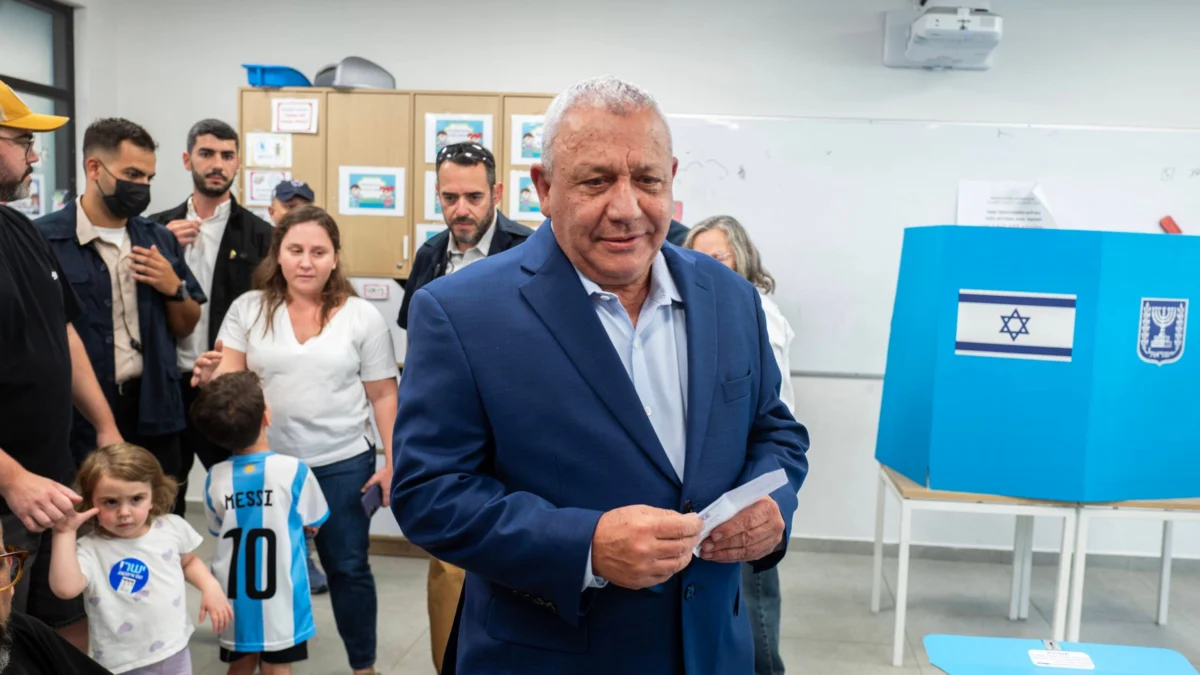
TEL AVIV – In what has been described as a defining moment for the future of the nation, Israel’s latest parliamentary elections have delivered a complex, razor-thin result that leaves the country’s political future hanging in the balance. Preliminary exit polls released Tuesday evening indicate that the opposition bloc holds a slight edge, yet both major political factions remain far from a clear, stable path to forming a governing coalition.
As the dust settles on a day marked by record-breaking voter turnout, the data suggests that the battle for the Knesset—Israel’s 120-seat parliament—will be decided by a matter of a few seats, underscoring the deep ideological divisions currently gripping the Israeli electorate.
The Core Facts: A Deadlocked Mandate
The latest projections, based on exit polls from Channel 12, indicate that the opposition bloc, led by figures seeking to unseat long-time Prime Minister Benjamin Netanyahu, has secured 52 seats. Conversely, the incumbent coalition supporting Netanyahu has garnered 50 seats.
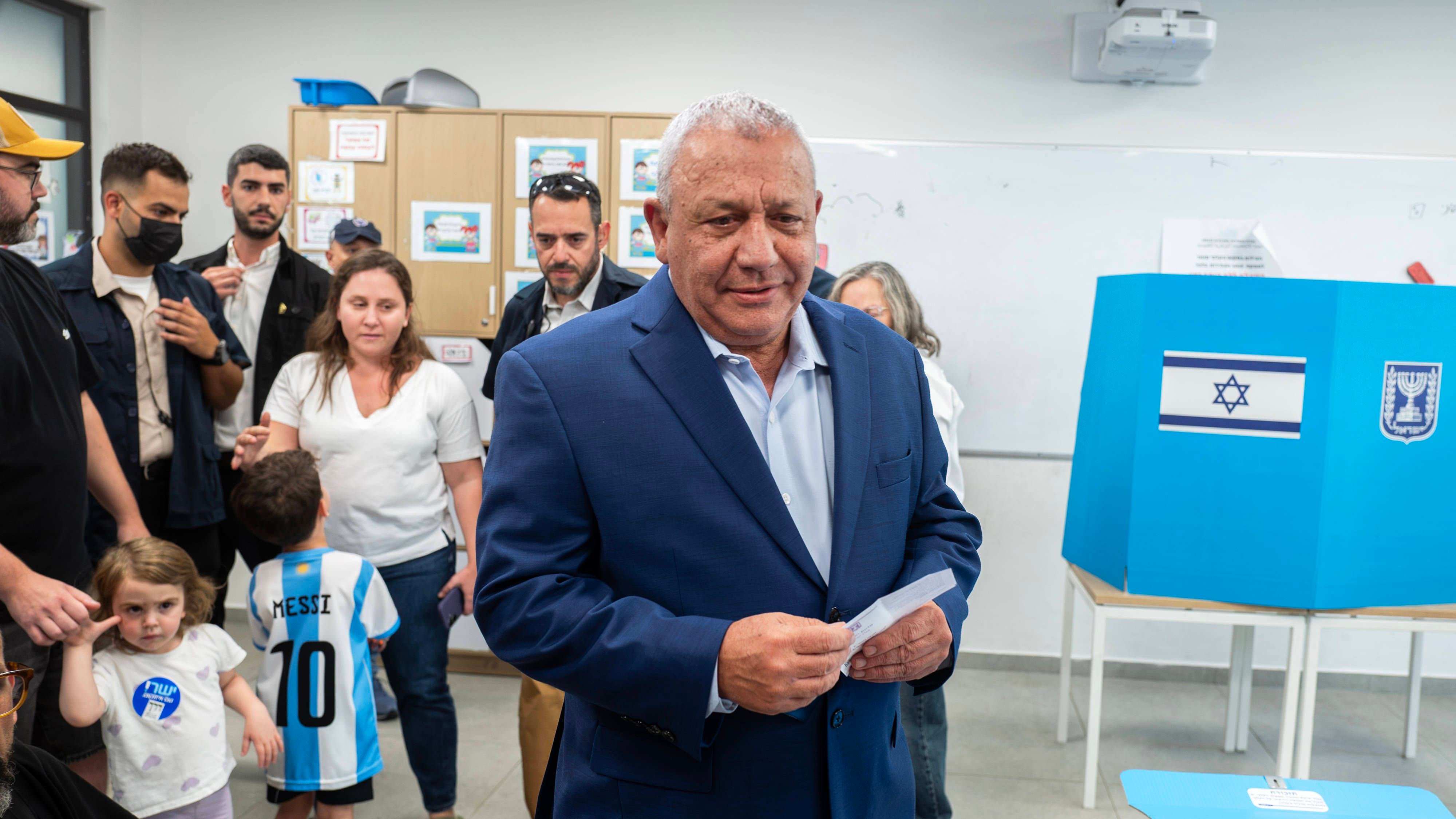
The individual party performance has been equally fragmented. The Likud party, spearheaded by Benjamin Netanyahu, currently leads the individual count with 24 seats. However, this lead is challenged by the emerging strength of the opposition, particularly the party led by former Chief of Staff Gadi Eisenkot, which is projected to claim 22 seats.
With 120 seats in the Knesset, a majority of at least 61 is required to form a stable government. As of Wednesday morning, the preliminary numbers show that neither the pro-Netanyahu camp nor the opposition bloc has reached this threshold, signaling a period of intense, high-stakes negotiation that could last weeks.
Chronology of a Tense Election Day
The election cycle, which has been characterized by intense rhetoric and significant shifts in public sentiment, reached its climax on Tuesday.

- Early Morning (07:00 – 12:00): Polling stations across Israel opened to a massive surge of voters. Throughout the morning, reports of historic turnout levels began to circulate, suggesting that the public was deeply engaged in the existential questions posed by this election.
- Mid-Afternoon (12:00 – 18:00): As the day progressed, the intensity remained high. Voter engagement appeared to transcend traditional demographic divides, with both rural and urban centers reporting high traffic.
- Late Evening (20:00 – 22:00): Upon the closing of the polls, the release of exit polls sparked immediate political maneuvering. The projection of 52 seats for the opposition versus 50 for the incumbent coalition ignited fierce debate regarding the potential for coalition building.
- Wednesday Morning: Official counts began to replace exit polls, with the electorate awaiting the final, certified results. This period serves as the calm before the storm, as party leaders prepare for the transition from campaigning to the intricate process of political horse-trading.
Data Analysis: The Mathematics of Governing
The structure of the Israeli electoral system, which is based on proportional representation, inherently favors coalition governments. In the current landscape, the role of smaller, fringe, or "kingmaker" parties has become magnified.
To understand the current volatility, one must look at the math:
- The Threshold Hurdle: Any party that fails to meet the minimum threshold of the total vote share will see its votes "wasted," which often shifts the balance of power in the final seat distribution.
- The 61-Seat Requirement: Without a clear majority, either Netanyahu or his opponent will need to court smaller factions. This process is rarely straightforward, as these smaller parties often demand specific ministerial portfolios or policy concessions that could destabilize a potential government.
- Historical Context: This election follows a period of frequent turnover in Israeli government, where the inability to maintain a 61-seat coalition has led to repeated snap elections. The current stalemate is a continuation of this cycle, reflecting a fractured political landscape that struggles to find common ground on national security, economic policy, and judicial reform.
The Path Forward: Constitutional Processes and Negotiations
Following the certification of the results, the institutional machinery of the Israeli state will take over to facilitate the formation of a government.
The Role of the President
According to Israeli law, the process begins shortly after the election. On November 10, the newly elected Knesset will hold its constituent session. Following this, President Jitzchak Herzog will initiate a week-long period of consultations with the leaders of all political parties represented in the parliament.
The Mandate for Formation
After these consultations, the President is tasked with selecting a candidate—usually the leader of the party most likely to succeed—to form a government. This candidate is granted a 28-day window to negotiate and finalize a coalition agreement. If the candidate fails to secure a majority within that timeframe, an extension of up to 14 days may be granted, bringing the total to 42 days.
The Failure Clause
The system includes a fail-safe mechanism: should the first candidate fail to form a government, the President may task another leader with the mandate. If all attempts at forming a coalition are exhausted and no government can be established, the country would effectively be forced into yet another round of general elections, a scenario that most political analysts and the Israeli public are anxious to avoid.

Implications for Israel’s Future
The implications of this election go far beyond the composition of the cabinet. The deadlock suggests a nation that is deeply divided on its long-term trajectory.
National Security and Foreign Policy
For decades, the core of Israeli political discourse has been its security posture. The current results suggest that the public is split between those who favor a more hawkish approach, traditionally represented by Netanyahu, and those who are calling for a shift in strategy. Whether the next government leans toward regional normalization or focuses on internal consolidation remains to be seen.
Economic Stability
The Israeli economy, while resilient, faces challenges ranging from the rising cost of living to the need for structural reforms in the technology and housing sectors. A weak, minority-reliant government often struggles to pass comprehensive budgets or enact long-term economic legislation, which could lead to market uncertainty.

Social Cohesion
Perhaps the most significant implication is the impact on internal social cohesion. The heated nature of this election has exacerbated tensions between secular and religious factions, as well as between different ethnic and cultural groups within Israel. A government that fails to represent a broad cross-section of the population may struggle to address the underlying causes of this polarization.
Conclusion: A Nation in Waiting
As the country waits for the final tally, the atmosphere is one of nervous anticipation. The current projections are just that—projections. In a system as granular as Israel’s, the final distribution of votes in specific districts or the inclusion of votes from soldiers and diplomats abroad can shift the outcome by one or two crucial seats.
The leaders of both the Likud and the opposition have called for unity and patience, yet the rhetoric of the campaign suggests that the road ahead will be paved with conflict. Whether the next administration is one of stability or one of constant compromise, the result of this election will undoubtedly leave a lasting mark on the Middle East’s political landscape.

For now, all eyes are on the Central Election Committee, as the counting process continues and the nation watches to see who will be entrusted with the mandate to lead. The outcome is not just a matter of who occupies the Prime Minister’s office, but a reflection of the collective will of a society navigating its place in an increasingly complex and challenging world.
As the calendar turns toward the November 10th session of the Knesset, the clock is ticking. The political architects of Israel have a narrow window to build a structure that can hold, or risk the possibility of returning to the ballot box once more. In the heart of Tel Aviv and beyond, the message from the electorate is clear: the status quo is no longer sufficient, and the demand for a clear, decisive path forward has never been more urgent.