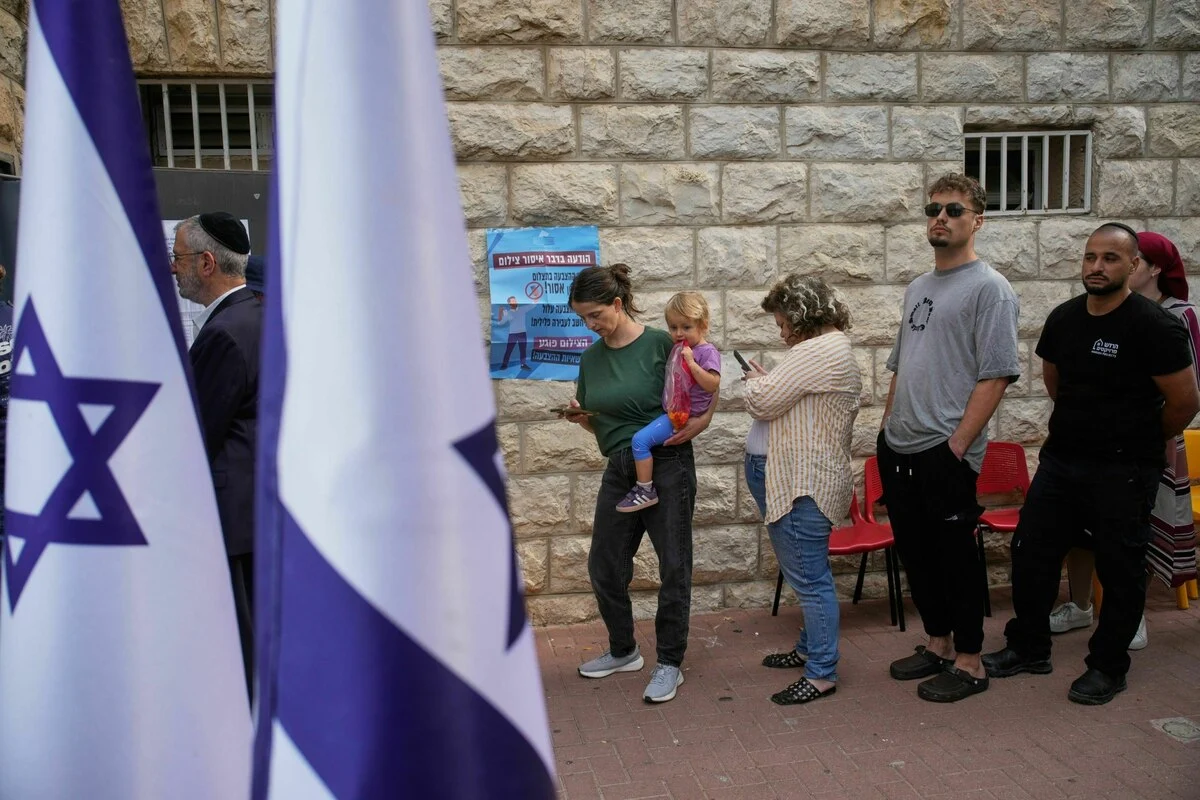
In what is widely regarded as a "fate-defining" election, millions of Israelis headed to the polls today to cast their ballots for one of 36 competing parties. The atmosphere across the country was a volatile mix of anxiety, hope, and exhaustion. As the nation grapples with the fallout of the October 7th attacks, a stalled economy, and a deeply polarized political climate, the stakes for this election have arguably never been higher.
To understand the pulse of a society in flux, we spoke with six individuals from vastly different walks of life—spanning from tech entrepreneurs and doctors to educators and kibbutz residents. Their perspectives offer a granular look at how the Israeli electorate views the crisis of governance, the security dilemma, and the future of their democracy.
The Main Facts: A Fractured Political Landscape
The current election cycle is defined by a deep rift regarding the country’s judicial identity, the management of the war, and the socio-economic disparities that have widened in recent years. With 36 parties vying for seats in the Knesset, the electoral threshold remains a significant barrier, forcing voters to navigate a landscape where every vote is perceived as critical for survival.
Key issues dominating the discourse include:
- Judicial Reform: The intense debate over the power of the Supreme Court versus the legislative branch.
- Security and Stability: How the nation addresses the existential threats posed by regional actors and the internal threat of organized crime.
- Economic Inequality: The strain on families and public infrastructure during wartime.
- Arab-Jewish Coexistence: The struggle for integration, equality, and safety within the country’s minority populations.
Chronology of the Election Day
The day began with an unusual surge of participation. In Tel Aviv, citizens reported standing in lines for hours—a stark contrast to previous cycles.
Morning (7:00 AM – 12:00 PM): High turnout was observed across major urban centers. Reports of long queues emerged from multiple districts, with many citizens—including those traveling from abroad specifically to vote—expressing a sense of urgency.
Afternoon (12:00 PM – 4:00 PM): The pace of voting slowed significantly as the initial morning rush subsided. Many voters used this window to navigate the logistics of the ballot, with some, like Anat Bat Ilan Amit, volunteering as independent observers to ensure the integrity of the process.
Evening (4:00 PM – Close): As the final hours approached, the focus shifted to the potential for coalition building. Discussions moved from the ballot boxes to the inevitable backroom negotiations that will determine the next government.
Supporting Data: Diverse Voices and Concerns
The following accounts, gathered throughout the day, highlight the diverse—and often contradictory—fears and hopes of the citizenry.
The Search for Institutional Stability
Ben Prize, a 23-year-old IT specialist based in Berlin, represents a growing movement of expatriate Israelis who view this election as a turning point. "I flew in from Berlin for 500 euros because I believe this is a fight for the rule of law," Prize stated. He is pinning his hopes on the Democrats, arguing that they are the only party capable of reversing the controversial judicial reforms that have split the nation.
Conversely, David, a 39-year-old in the venture capital sector, offers a more pragmatic, right-leaning perspective. "I voted for Avigdor Lieberman’s Israel Beitenu," he explained. "The political landscape is unforgiving. We need someone with the experience to navigate these waters." David’s primary concern is government longevity—he hopes for a stable coalition that avoids the influence of ultra-orthodox or radicalized factions.
The Existential Crisis of Arab-Israelis
For Manal, a 56-year-old educator from Nazareth, the election is a matter of physical survival. "Our identity is complex," she notes. "We are viewed as Arabs by the state, yet often alienated by the broader Palestinian narrative. For us, this is existential." Manal highlighted the surge in organized crime within Arab communities as the most pressing issue, accusing the current police force of negligence and systemic discrimination.
Wafa, a 41-year-old doctor from Haifa, echoes this sentiment but adds a layer of pessimism. "I’ve voted for 20 years, and I’ve never felt hopeful," she admitted. While she supports the Democrats for their perceived stability, she fears that the political cycle is trapped. "We are facing an internal crisis of violence and infrastructure decay that isn’t being addressed by the mainstream parties."
The Ideological Divide in the Kibbutz
The kibbutz movement, traditionally the heartland of the Israeli left, is not monolithic. Anat Bat Ilan Amit, a psychotherapist, represents the activist wing, having joined the "Bonot Alternativa" (Builders of the Alternative) movement. "Aggression is not a solution," she says, emphasizing that Israel must return to the table for diplomatic negotiations to ensure long-term survival.
However, her neighbor in Kibbutz Hasorea, Yogev Tiktin, offers a counter-narrative. A logistics manager, Tiktin argues that the traditional left is out of touch with regional realities. "The October 7th attacks weren’t a surprise to those who have been listening," he argues. Tiktin believes the judicial reform was a necessary correction to bring the court back into balance with the will of the people, warning against the "naivety" of those who advocate for a two-state solution without a change in regional sentiment.
Official Responses and Political Strategy
The parties themselves have maintained a rigid posture throughout the day. The "Democrats" party, led by Yair Golan, has positioned itself as the defender of liberal democracy, aiming to consolidate the protest movement against judicial reform. Their strategy involves appealing to voters who are disillusioned by the current government’s perceived overreach.
The Likud, led by Prime Minister Benjamin Netanyahu, continues to emphasize security and national resilience. Their campaign rhetoric suggests that the current instability is a result of opposition interference, framing the vote as a choice between a strong, experienced leadership and a fragmented, weak alternative.
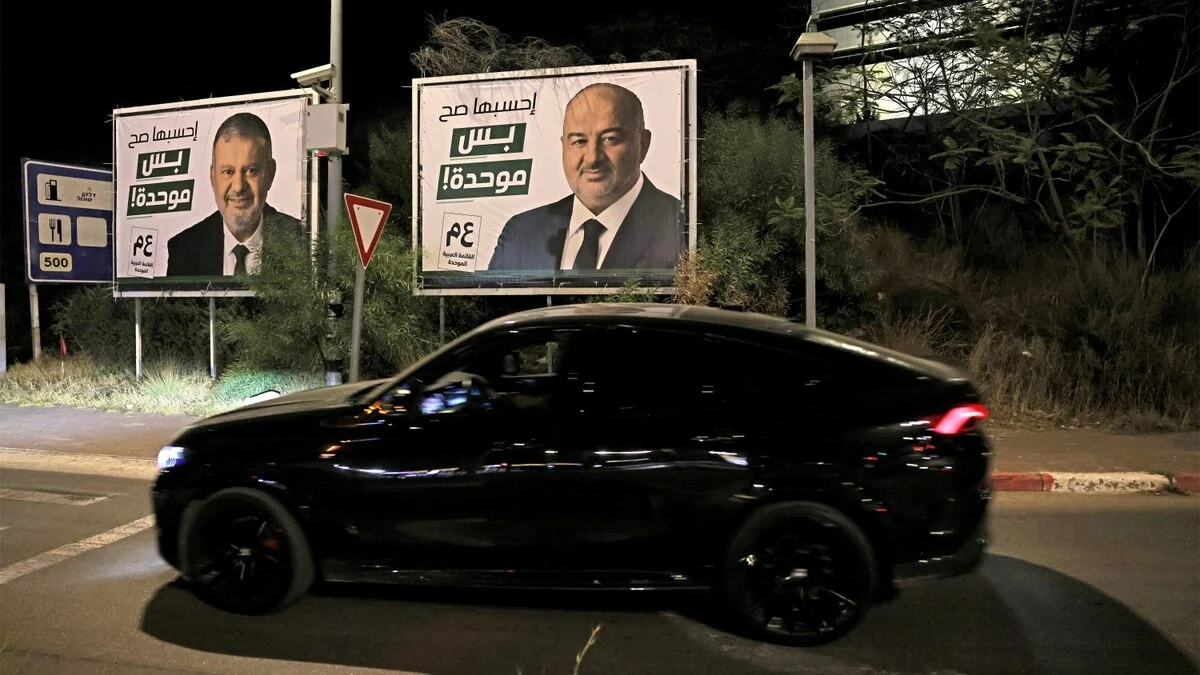
Meanwhile, the Arab parties, such as the United List, have focused on mobilizing their base, arguing that voter apathy is the greatest threat to their community’s future. Their campaign has centered on civil rights, protection from organized crime, and the preservation of their distinct cultural identity.
Implications: A Nation in Search of Equilibrium
Regardless of the outcome, the fundamental challenge facing the next government is the restoration of trust. The interviews reveal a profound disconnect between the ruling political class and the daily lives of citizens.
- Social Fragmentation: The divide between those prioritizing judicial/liberal values and those prioritizing national/security-focused values has reached a boiling point. The next government will need to bridge this gap, or risk further civil unrest.
- The Security Paradox: There is a clear tension between the desire for a decisive military stance and the realization that security is incomplete without social, economic, and diplomatic stability.
- Governance Crisis: The recurring theme of the "failed political cycle" suggests that the current parliamentary system, with its reliance on small, fringe parties for coalition building, may no longer be fit for purpose.
- Minority Integration: The urgent plea from Arab-Israeli citizens regarding crime and infrastructure points to a systemic failure that, if left unaddressed, will continue to alienate a significant portion of the population.
As the ballots are counted, the true test for Israel will be whether the victors can govern for the whole country, or if they will continue to serve only their base. The voices from Tel Aviv, Nazareth, and the kibbutzim suggest that the people are ready for a new chapter, but the path forward remains obscured by decades of unresolved conflict and hardened ideological lines.
The world watches, but for the residents of Israel, this is not a global headline—it is the reality of their homes, their children’s education, and the survival of their society.