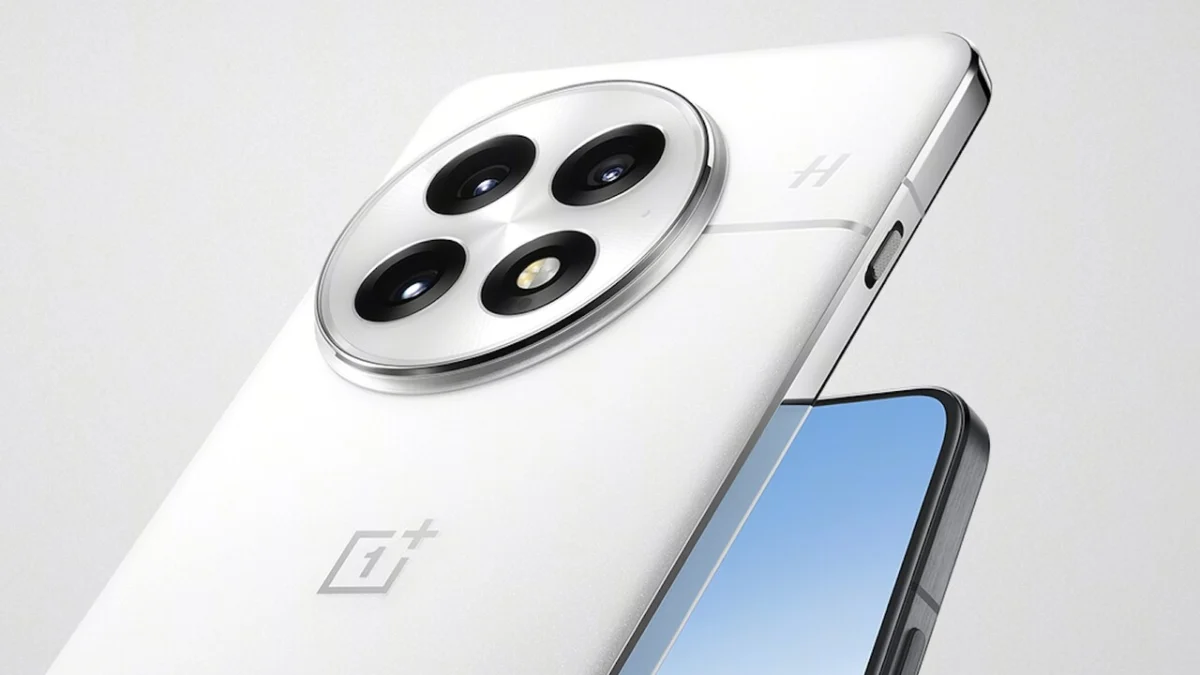
In a move that marks the most significant architectural shift in the company’s history, OnePlus has officially commenced the rollout of Android 17, accompanied by the permanent integration of Oppo’s ColorOS 17 interface. This transition, which replaces the long-standing OxygenOS, signals a new era for the brand—one that prioritizes platform unification over the bespoke software experience that once defined the “Never Settle” philosophy.
The update, which arrived nearly a week ahead of its anticipated October 29 schedule, launched on October 23. While the technical upgrade to Android 17 brings the latest security patches and performance optimizations, the shift to ColorOS is the headline act. For users, this is not merely a visual update; it is a fundamental migration to a codebase that is deeply intertwined with parent company Oppo, effectively blurring the lines between the two hardware brands.
The Strategic Shift: Why ColorOS?
For years, OxygenOS was touted as the "clean" alternative to the heavily skinned Android versions found in the Chinese market. It was OnePlus’s greatest differentiator. However, as the company moved closer to Oppo—eventually merging their R&D and software teams—the distinction between the two interfaces began to evaporate.
The decision to phase out OxygenOS, formally announced in July, is rooted in efficiency. By utilizing a unified codebase, OnePlus and Oppo can accelerate development cycles, improve long-term software support, and streamline the distribution of security patches. While power users may lament the loss of the "stock-like" aesthetic of original OxygenOS, the company argues that ColorOS 17 offers superior stability, a more cohesive ecosystem, and features that were previously impossible to implement across two disparate software architectures.
A Detailed Chronology of the Global Rollout
The rollout of Android 17 is being executed in a staggered, multi-wave approach, beginning with high-end hardware in the Indian market. This strategy is designed to mitigate bugs and ensure that critical server-side performance metrics remain within optimal ranges.
Wave 1: The Early Adopters (October 2024)
The initial phase kicked off on October 23, 2024, targeting the flagship OnePlus 15 and the OnePlus Pad 4. Following this successful initial deployment, the company has scheduled the next tier of devices for October 30, which includes the OnePlus 15R, the OnePlus 13, and the OnePlus 13s.
Wave 2: The Mid-Cycle Expansion (November 2024)
November serves as the busiest month for the transition. OnePlus has confirmed that the OnePlus Open (the company’s foldable flagship), the OnePlus 13R, and the OnePlus 12 will receive the update. The company is also prioritizing its mid-range portfolio, with the Nord 6 and Nord CE6 slated for arrival within the same window. The OnePlus Pad 3 will also see its Android 17 transition during this period.
Wave 3: The Closing Phase (December 2024)
As the year draws to a close, the focus shifts to aging but still supported hardware. December’s rollout includes:
- Flagships: OnePlus 12R, OnePlus 11.
- Nord Series: Nord 5, Nord CE6 Lite, Nord CE5.
- Tablets: OnePlus Pad 2, OnePlus Pad Go 2.
Wave 4: The 2027 Horizon (January – March 2027)
The final phase of the Android 17 deployment covers the remaining entry-level and legacy devices, including the Nord 4, the OnePlus N6 series (N6, N6x, N6 Lite), and the OnePlus Pad Lite.
It is important to note that this schedule is subject to regional variations. While India acts as the pilot market, the deployment speed in other regions will be contingent on carrier testing and regional software optimization.
The European Exception: A User-Centric Approach
Perhaps the most critical aspect of this transition is how it is being handled in Europe. Unlike in Asian markets, where the transition is mandatory and immediate, European users are being granted a choice.
OnePlus has confirmed that the switch to ColorOS 17 will be optional for the European market. This reflects an acknowledgment of the strong, loyal, and often vocal community in the West that preferred the specific design language of OxygenOS. Users will be given the option to remain on their current version of OxygenOS or migrate to ColorOS 17 over the coming months.
Crucially, the company has promised a "reversibility" feature: even after migrating to ColorOS 17, users will have the ability to roll back to a stable version of OxygenOS. This is a significant concession, providing a safety net for those who find the new interface does not meet their workflow requirements. However, OnePlus has yet to provide a concrete release date for the European deployment, leaving many users in a state of anticipatory limbo.
Implications of the "No New Hardware" Policy
Perhaps the most jarring news accompanying the software update is the confirmation of OnePlus’s hardware roadmap for the West. The company has officially ceased the release of new products in North America and Europe.
This decision marks a fundamental pivot in the brand’s global identity. OnePlus is effectively retreating from the role of a hardware-first consumer electronics manufacturer in the West, moving toward a maintenance-focused role. While the company insists that customer service, warranty fulfillment, and software updates will continue as normal for existing devices, the cessation of new hardware launches signals that the brand’s market share in the West is likely to decline over the next 24 to 36 months as current devices reach their end-of-life status.
For the enthusiast community, this raises existential questions: Can a brand survive on software updates alone? Is the move to ColorOS a way to "soft-land" the user base into the Oppo ecosystem before eventually sunsetting the OnePlus brand entirely in Western markets? While company executives maintain that they are committed to their existing European and American customers, the industry consensus suggests that this is the final chapter of OnePlus as a global hardware powerhouse.
How to Check for the Update
For users eager to see if their device is eligible for the current wave of updates, the process is straightforward:
- Navigate to Settings.
- Select System and Updates.
- Tap on Software Updates.
- The system will automatically ping the OnePlus servers to determine if the OTA (Over-the-Air) package is ready for your specific device model and region.
If no update appears, the device is likely in a later wave. Users are advised to keep their battery above 50% and ensure a stable Wi-Fi connection before attempting the update, as the transition to a new OS layer is significantly larger than a standard security patch.
Conclusion: A Changing Landscape
The transition to Android 17 and the integration of ColorOS 17 represents the end of an era. The "OxygenOS" brand, once a beacon for stock-Android purists, has now been fully assimilated into the Oppo infrastructure.
While the technical benefits of this move—better software stability, faster updates, and a more robust feature set—are undeniable, the loss of the distinct OnePlus identity is a bittersweet pill for the community. As the company winds down its hardware operations in the West, the focus is clearly shifting toward sustainability and legacy support. For the millions of OnePlus users currently using their devices, the next few months will be a test of how well the company can manage this transition while maintaining the trust of a customer base that has valued autonomy and differentiation for over a decade.
Only time will tell if the "new" OnePlus, under the umbrella of ColorOS, can maintain the same level of brand loyalty that built it from a boutique startup into a global household name. For now, the update is the priority, and the slow, methodical march of the Android 17 rollout continues.