The Democratic Republic of Congo (DRC) is currently grappling with a public health catastrophe of unprecedented velocity. As of September 2026, health authorities have confirmed over 10,000 infections, marking this current Ebola crisis as the fastest-spreading outbreak of the virus ever documented. With the death toll climbing toward the 5,000-mark, the international community faces a complex race against time to contain a pathogen that is proving both elusive and lethal.
The Anatomy of the Crisis: Main Facts and Current Situation
The current outbreak, centered primarily in the North Kivu province, has shattered previous records for transmission speed. According to the latest data released by the DRC’s Ministry of Health, there are now 10,060 confirmed cases. Of these, 4,887 individuals have succumbed to the disease, reflecting a high case-fatality rate that continues to strain the already fragile healthcare infrastructure of the region.
The Africa Centres for Disease Control and Prevention (Africa CDC) has characterized the situation as a historic health emergency. Unlike previous outbreaks, which often remained geographically contained or progressed with relative predictability, this iteration is defined by its rapid movement across borders and the logistical nightmare of managing patient isolation in densely populated and often volatile areas.
Ebola Virus Disease (EVD) remains one of the most feared pathogens in the world. It is a severe, often fatal, viral hemorrhagic fever transmitted through direct contact with blood, secretions, organs, or other bodily fluids of infected people, as well as with surfaces and materials contaminated with these fluids. The clinical presentation—fever, intense weakness, muscle pain, headaches, and sore throat—often escalates into vomiting, diarrhea, rashes, impaired kidney and liver function, and, in many cases, internal and external bleeding.
A Growing Geography: The Spread Beyond the DRC
The crisis is no longer contained within the borders of the Democratic Republic of Congo. The contagion has breached international frontiers, with confirmed cases reported in Kenya and Nigeria. The strain at the heart of this emergency is the Bundibugyo variant, a particularly insidious version of the virus.
In Kenya, health authorities have confirmed nine cases, including two fatalities. The transmission route was traced back to a patient who traveled from the DRC through Uganda before arriving in Nairobi. This movement underscores the extreme difficulty of maintaining "cordon sanitaire" protocols in a region defined by high human mobility, cross-border trade, and inadequate surveillance infrastructure at transit hubs.
Simultaneously, a concerning case in Nigeria has highlighted the global interconnectedness of modern viral outbreaks. A patient, the wife of a Swiss diplomat, fell ill following a trip to Uganda. The complexity of her case—the ambiguity regarding the exact point of infection and her subsequent medical evacuation to Switzerland—has triggered a massive contact-tracing operation involving international health agencies. Her case serves as a stark reminder that in an age of international travel, a localized outbreak can transform into a global surveillance challenge within days.
The "Bundibugyo" Challenge: Clinical and Diagnostic Hurdles
What makes this particular outbreak uniquely dangerous is the nature of the Bundibugyo virus. Unlike the Zaire strain, which was the target of successful, widely deployed vaccines in the past, the Bundibugyo variant has historically received less research attention, leading to a critical shortage of preventative tools.
The Diagnostic Trap
One of the most significant challenges identified by field clinicians is the similarity between early-stage Ebola symptoms and endemic diseases like malaria. In the tropical regions of Central and East Africa, malaria is hyper-endemic, and its symptoms—high fever, chills, and body aches—can easily mask the onset of Ebola. This diagnostic ambiguity leads to a critical window of missed opportunity. Patients often present at local clinics expecting treatment for malaria, and by the time the diagnosis is corrected to Ebola, the virus has already been transmitted to family members, caregivers, and fellow patients.
The Therapeutic Gap
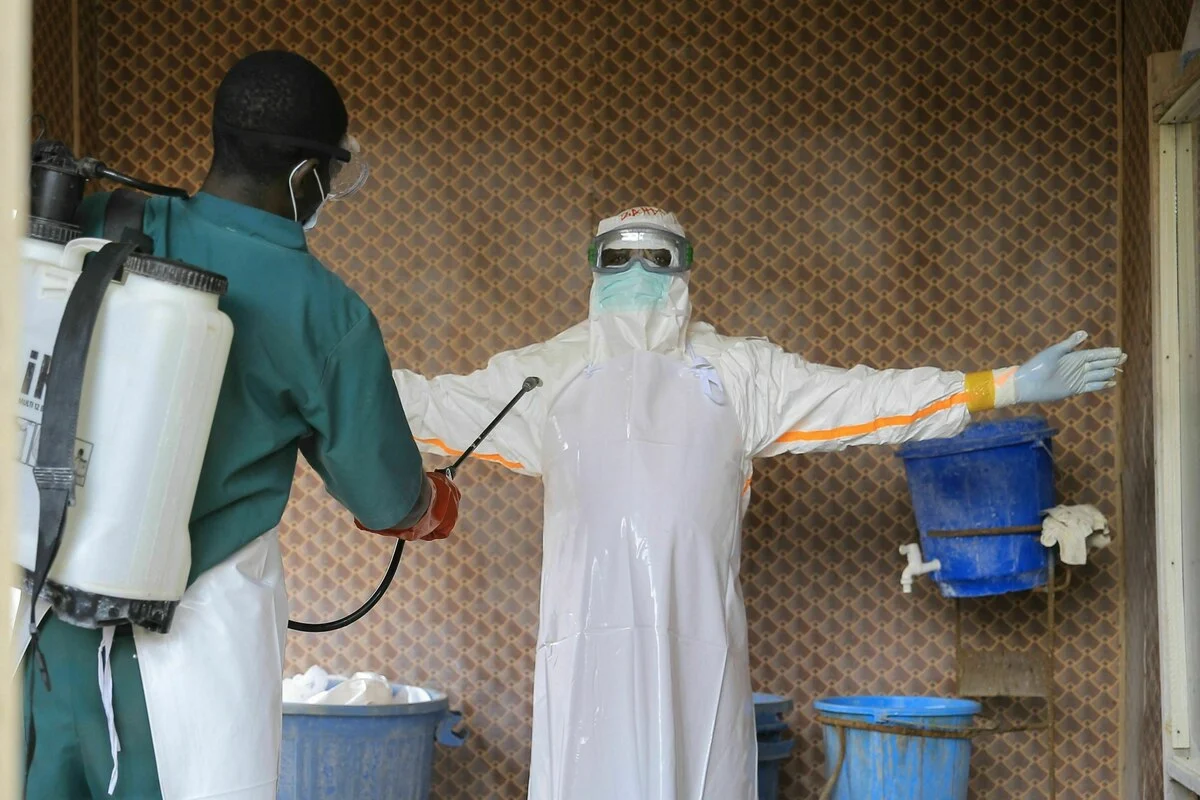
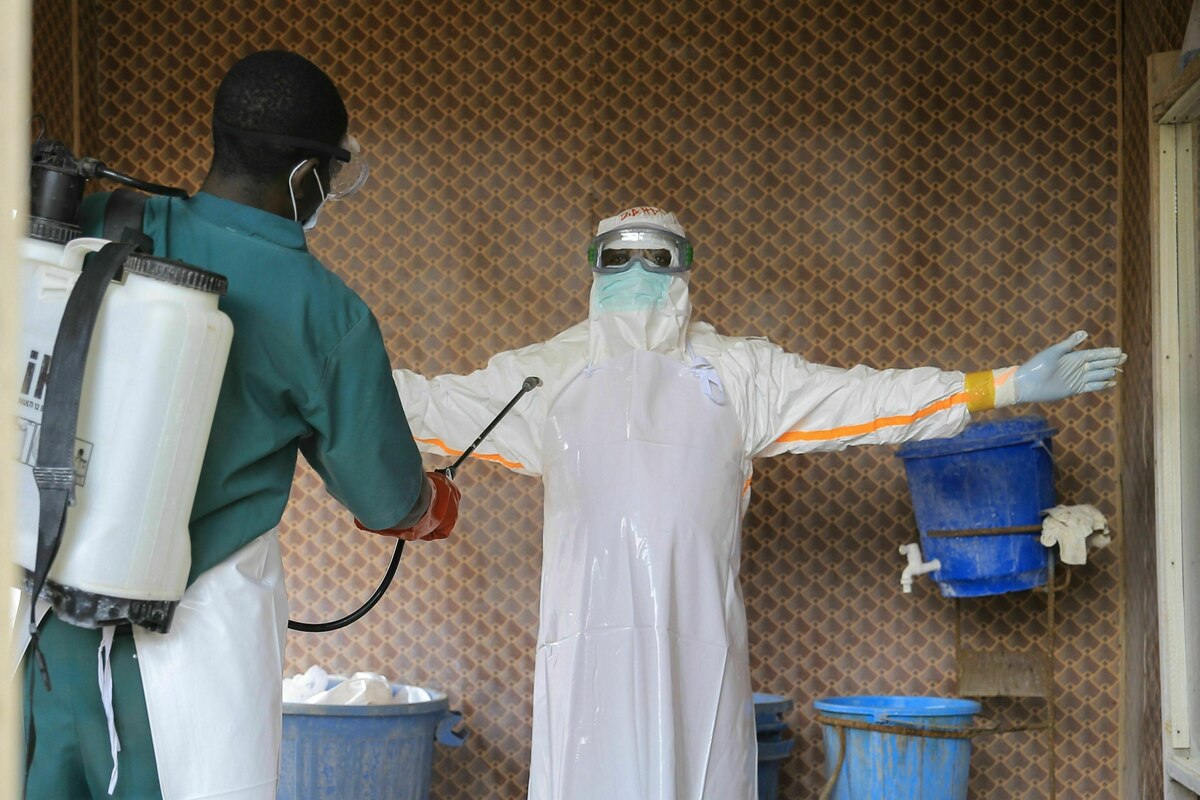
For the Bundibugyo strain, there is currently no specialized, WHO-approved vaccine or targeted therapeutic protocol equivalent to the ones that successfully mitigated the 2018–2020 outbreaks. This has forced health workers to rely on supportive care—fluid resuscitation, electrolyte balance, and pain management—which, while life-saving, is labor-intensive and requires high levels of personal protective equipment (PPE) that are frequently in short supply.

The Scientific Race: Research and Development
Since July 2026, an intense, accelerated research program has been underway. Scientists are currently testing two antiviral therapies, though results remain in the preliminary stages. The scientific community is also evaluating the cross-reactivity of existing vaccines.
The primary question occupying researchers is whether the Ervebo vaccine, which has proven highly effective against the Zaire-Ebolavirus, can provide any measure of protection against the Bundibugyo strain. While initial data suggest limited efficacy, it is not a "silver bullet."
"We are at a critical juncture," noted a WHO representative in the DRC. "We are currently preparing for the next phase of trials, which will involve vaccines specifically engineered for the Bundibugyo variant. We hope to begin these trials within weeks. However, in the interim, we are operating with a significant blind spot in our immunological armor."
Implications for Public Health Policy
The rapid expansion of this outbreak carries profound implications for global health policy. First, it demonstrates the limitations of the current international response mechanism. The dependency on centralized, Western-led pharmaceutical solutions creates a lag time that the virus, in its rapid evolution, exploits.
Second, the crisis highlights the necessity of localized, community-based surveillance. In Beni and other hotspots in North Kivu, success has only been achieved where local leaders and traditional healers have been integrated into the response. When the community views the health response as an "external imposition," compliance with isolation measures drops, and the virus spreads further.

Third, the funding gap remains a persistent shadow. As seen in the recent crisis in Uganda and the ongoing struggle in the DRC, the lack of consistent, long-term financing for health systems means that protective equipment, clean water, and trained personnel are often diverted or unavailable when the next wave hits.
Socio-Economic and Humanitarian Consequences
The economic toll of the outbreak is already severe. Local markets in the affected provinces have seen significant downturns as movement restrictions are enforced. The stigma associated with the disease continues to tear at the social fabric, with families of the deceased often ostracized and survivors facing long-term health complications that the local medical systems are ill-equipped to manage.
Furthermore, the vulnerability of children remains a tragic focal point. Data from the World Health Organization indicates that the mortality rate for infected children is as high as 60%. This is not merely a clinical statistic; it represents the loss of a generation in the hardest-hit districts, creating a long-term demographic and social crisis that will require years of humanitarian intervention to resolve.
Conclusion: A Call for Global Solidarity
The 10,060 infections in the DRC are more than just a number; they represent a failure of global preparedness and an indictment of the inequality in medical access. As the Bundibugyo strain tests the limits of our diagnostic and therapeutic capabilities, the international community must pivot from a reactive stance to a proactive, integrated global health strategy.
The lessons from this outbreak are clear:

- Investment in Local Infrastructure: Health security is only as strong as the local clinic.
- Vaccine Equity: Research into neglected strains like Bundibugyo must be prioritized before the next outbreak begins.
- Cross-Border Collaboration: Data sharing and epidemiological surveillance must be seamless across national boundaries.
As of late 2026, the world watches the DR Congo with growing concern. Whether the current measures to curb the transmission prove successful will depend on the speed of the scientific response and the resilience of the health workers on the front lines. The battle against Ebola is far from over; it is a persistent, evolving, and deadly challenge that requires nothing less than the full, sustained, and unified attention of the global community.