The escalating war between Russia and Ukraine has taken an increasingly desperate and sinister turn, drawing in individuals who never intended to become soldiers. In recent weeks, alarming reports from Kazakhstan have surfaced, revealing a disturbing trend: labor migrants from Central Asia are being coerced, deceived, and forced into combat roles within the Russian military. These individuals, who traveled to Russia seeking economic stability in industries like food processing and security, find themselves trapped in a geopolitical conflict that has robbed them of their agency and, in some cases, their lives.
The Illusion of Economic Opportunity
The story begins with the promise of a better life. Many citizens from Kazakhstan, as well as from neighboring Kyrgyzstan, Tajikistan, and Uzbekistan, head to Russia annually to fill labor shortages in the construction, manufacturing, and service sectors. For these workers, Russia is a primary destination for remittances—money that supports families back home.
However, in early October, the narrative shifted from economic survival to a fight for life. Videos began circulating on social media showing men in military fatigues, huddled in damp, makeshift bunkers on what appears to be Ukrainian territory. Their message was consistent and chilling: they were not volunteers.
According to testimonies provided by these men, the recruitment process was predatory. They reported applying for jobs at security firms or food processing plants—factory work that required manual labor but no military affiliation. Upon arrival, they were subjected to administrative processes where their limited grasp of the Russian language was exploited. Under the guise of signing employment contracts, they were presented with military service agreements. The victims claim they were unaware of the true nature of these documents, only realizing they had been enlisted in the Russian Armed Forces when it was too late to back out.
A Chronology of Coercion
The scale of this issue is difficult to quantify, but the pattern suggests a systematic exploitation of vulnerable populations.
- Initial Recruitment: Migrants arrive in Russia, often through informal recruitment agencies, under the impression that they are securing stable civilian employment.
- The "Signature" Trap: Under pressure, or through deliberate obfuscation, migrants sign contracts written in Russian—a language many of them do not command with the level of fluency required to understand the legal nuances of military enlistment.
- Deployment: Once the documents are signed, the legal leverage shifts entirely to the Russian state. Those who attempt to refuse are reportedly met with threats, intimidation, and, in some instances, physical violence.
- The October Appeal: The recent outcry began when a group of 15 Kazakh citizens released video evidence from a frontline bunker. By the time the story gained international traction, six of these men had already been moved to active combat zones, leaving only nine to plead for help.
Supporting Data: The Scope of the Crisis
While independent verification remains notoriously difficult due to the "fog of war" and the opaque nature of the Russian military bureaucracy, the numbers being circulated by observers are staggering. The Ukrainian-backed program "I Want to Live"—a project designed to encourage Russian soldiers to surrender—estimates that nearly 13,000 individuals from Central Asian countries are currently serving or have served in the Russian military during the ongoing conflict.
Of that number, approximately 2,389 are identified as citizens of Kazakhstan. While these figures cannot be independently audited, they highlight a significant demographic phenomenon: the intersection of economic migration and military mobilization. It remains unclear how many of these individuals signed up under duress, how many were actively deceived, and how many might have been coerced through threats against their families.
Official Responses: A Diplomatic Shift
For years, reports of Central Asian nationals being funneled into the war effort were met with a muted response from regional governments, who were wary of damaging relations with Moscow. However, the recent case of the nine men in the bunker marks a notable departure from this status quo.

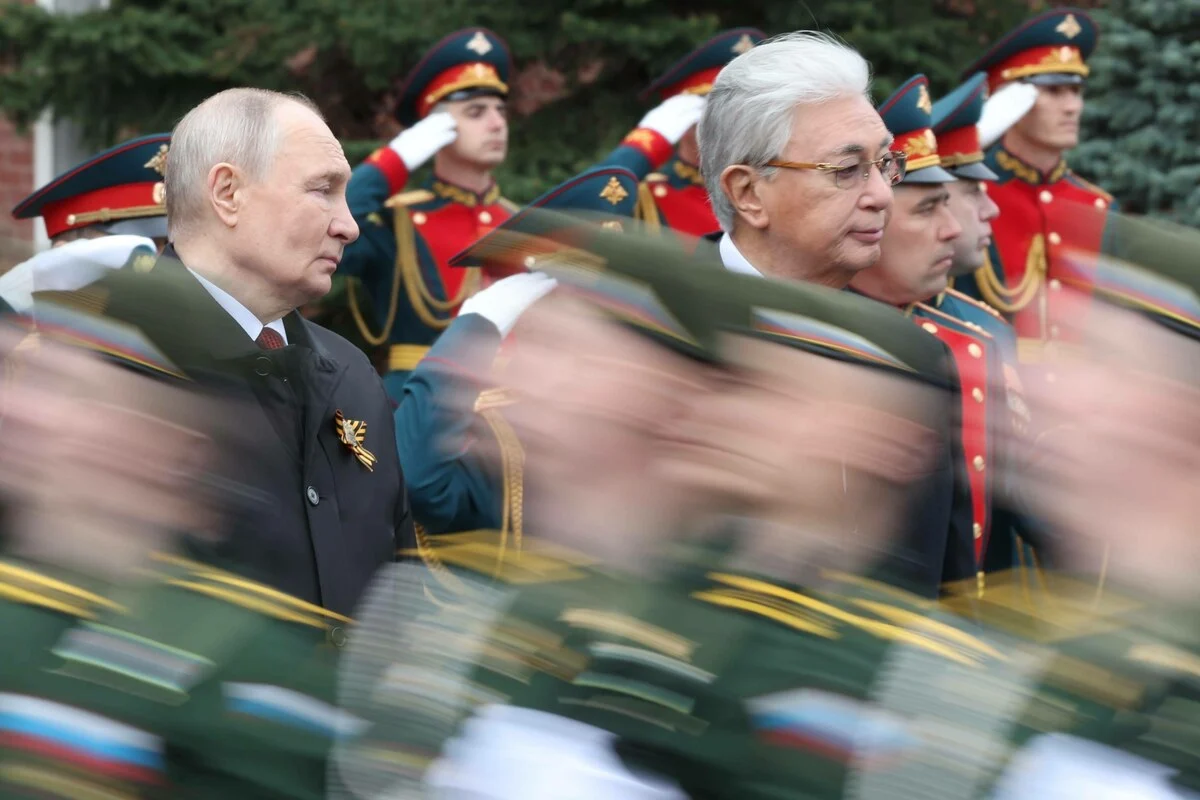
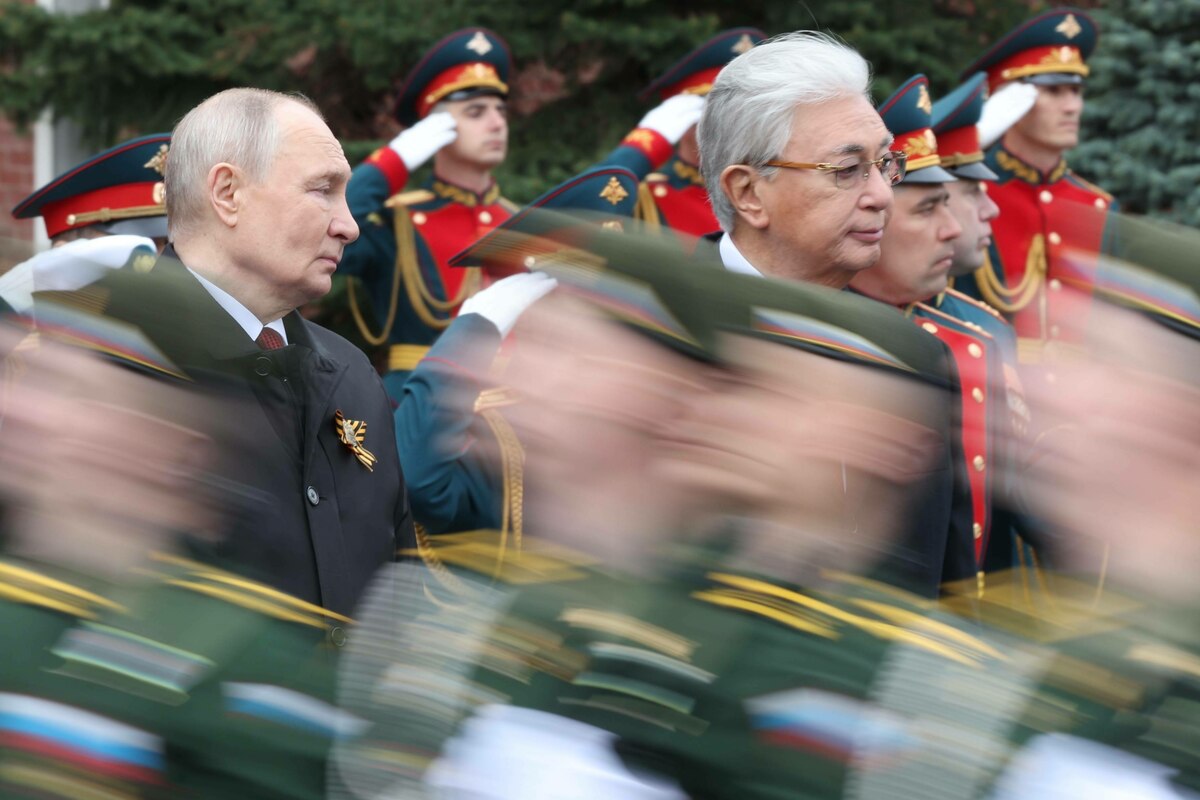
The Kazakh government, under President Kassym-Jomart Tokayev, has faced mounting pressure from its own citizenry to protect its nationals. Unlike previous incidents where diplomatic channels remained silent, the Ministry of Foreign Affairs in Astana intervened directly. Following intense negotiations with the Russian side, it was announced that nine of the Kazakh citizens had been extracted from the immediate combat zone and relocated to the Russian city of Voronezh.
While this represents a temporary victory for diplomacy, the situation remains precarious. It is currently unknown when these men will be allowed to return to Kazakhstan, or if they will be subjected to further legal hurdles upon their arrival. The fate of the other twelve men mentioned in the initial reports remains entirely unknown, as communication with them has effectively ceased.
Legal and Geopolitical Implications
The predicament of these migrants highlights a complex web of legal and humanitarian issues.
The Domestic Dilemma
Even if these men manage to return home, they are not necessarily safe from prosecution. Under Kazakh law, mercenary activity and the participation in armed conflicts on foreign soil are criminal offenses. In previous years, Kazakh citizens who returned from the frontlines—even those who claimed they were forced into service—have faced prison sentences of up to five years. The government in Astana must now navigate the delicate task of differentiating between genuine victims of human trafficking/coercion and those who may have participated voluntarily, all while maintaining a diplomatic balance with a powerful northern neighbor.

The Vulnerability of Migrants
This situation underscores the extreme vulnerability of migrant workers in Russia. As the Russian military faces increasing personnel shortages due to heavy casualties, the pressure to mobilize non-citizens has grown. These individuals are often seen as "disposable" by the military apparatus; their lack of legal standing, language barriers, and distance from their home governments make them easy targets for recruitment officers looking to meet quotas.
Regional Instability
The exploitation of Central Asian nationals is a growing source of friction within the Commonwealth of Independent States (CIS). While countries like Kazakhstan, Kyrgyzstan, and Tajikistan maintain strategic partnerships with Moscow, the involuntary involvement of their citizens in a controversial war is testing the limits of these alliances. If the public perception in these countries continues to turn against Russia due to these practices, it could lead to a long-term cooling of relations and a push for these nations to diversify their foreign policy away from the Kremlin.
Conclusion: The Human Cost
At its core, this is a story about the intersection of human rights, economic desperation, and the brutal reality of modern warfare. The men currently trapped in Voronezh or lost on the frontlines are more than just statistics; they are individuals who left their homes in search of a better life for their families, only to find themselves pawns in a conflict that does not belong to them.
The international community, including human rights organizations, is now faced with the challenge of holding the Russian state accountable for these practices. The "informed consent" required for military service is fundamentally incompatible with the coercion and deception described by these migrants.

As the war drags on into its fifth year, the plight of these Central Asian workers serves as a grim reminder that the reach of a war often extends far beyond the borders of the combatants, pulling in the most vulnerable members of society and forcing them into a battle they never chose to fight. The path forward for these individuals remains uncertain, caught between the threat of a foreign front line and the potential for a prison cell in their own homeland. Their struggle for recognition and repatriation is, perhaps, one of the most hidden yet profound human rights crises of the current conflict.