


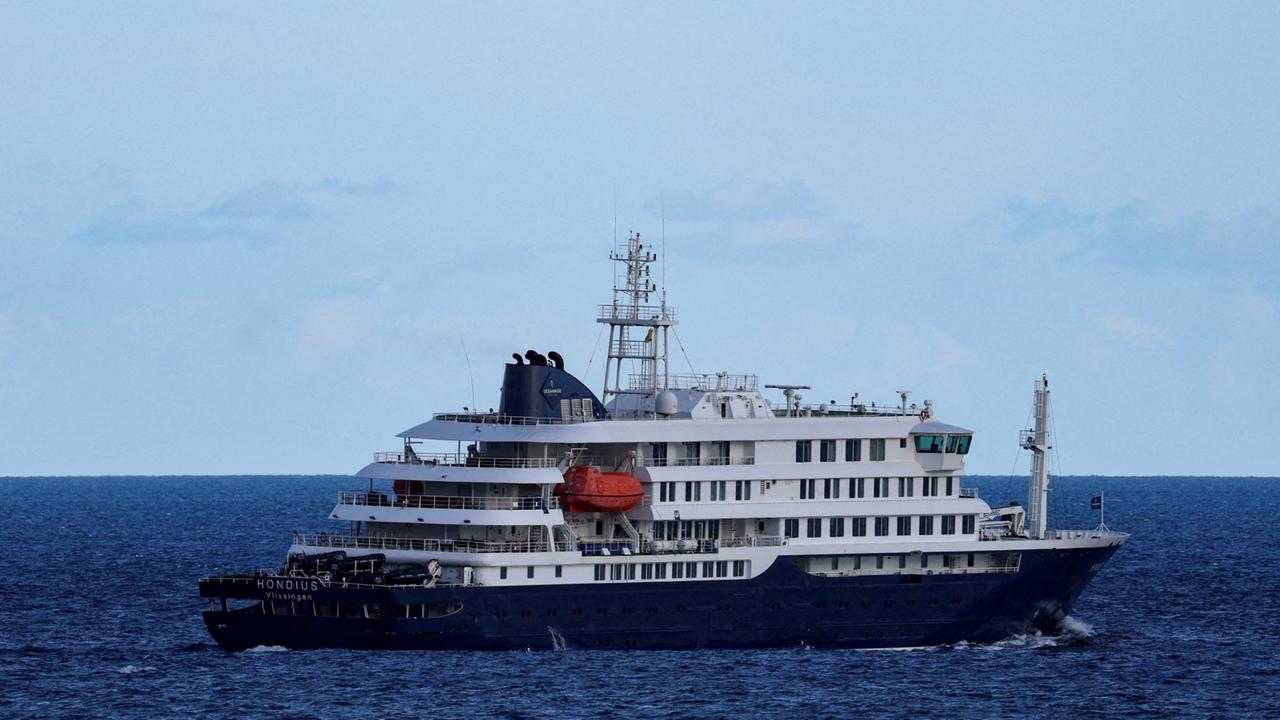
A severe Hantavirus infection aboard the cruise ship "Hondius" has plunged a French passenger into critical condition, necessitating connection to an artificial lung. This alarming development comes as the total number of reported cases linked to the outbreak climbs to eleven, with nine confirmed by laboratory tests. The incident has prompted swift action and heightened vigilance from international health authorities, with Italy and Great Britain implementing further precautionary measures to contain the potential spread of the deadly virus.
Date: May 13, 2026, 06:56 AM CET
Byline: [Your Name/News Agency Name]
The Gravity of the Situation: A Critical Case Unfolds
The focus of the Hantavirus outbreak originating on the cruise ship "Hondius" has intensified with the dire condition of a French passenger. The individual, infected with the virus, has been placed on extracorporeal membrane oxygenation (ECMO), a life-support technology that functions as an artificial lung and heart. Dr. Xavier Lescure, a specialist in infectious diseases at Bichat Hospital in Paris, described the ECMO intervention as "the final stage of supportive therapy," emphasizing its role in alleviating the strain on the patient’s lungs and heart, thereby granting vital time for organ recovery.
This critical case underscores the potentially devastating impact of Hantavirus, a group of viruses primarily transmitted to humans through contact with infected rodents. While many Hantavirus infections are mild or asymptomatic, certain strains can lead to severe and life-threatening conditions, including Hantavirus Pulmonary Syndrome (HPS), characterized by rapid onset of fever, muscle aches, fatigue, and a severe respiratory illness that can progress to respiratory failure.
The total number of reported cases connected to the "Hondius" outbreak has now reached eleven. The World Health Organization (WHO) has confirmed nine of these cases through laboratory testing, highlighting the robust diagnostic capabilities being deployed to track the spread. Tragically, three individuals have succumbed to the infection, a grim testament to the virus’s lethality. The evacuation of passengers from the "Hondius" was initiated to facilitate thorough medical assessments and prevent further transmission, a decision that now appears prescient given the escalating severity of one case.
A Chronology of the Outbreak and Evacuation
The "Hondius," a vessel known for its expeditions in remote and environmentally sensitive regions, was on a voyage through the South Atlantic. The ship made several stops en route from Argentina to the Cape Verde Islands, a common itinerary for nature and adventure tourism. It is during these stops, or potentially through exposure to rodent habitats near port facilities, that passengers and crew are believed to have contracted the virus.
The first indications of the outbreak likely emerged when passengers began exhibiting symptoms consistent with Hantavirus infection. As the number of symptomatic individuals grew, and with the potential for a serious contagion, ship authorities initiated protocols to manage the situation. The decision to evacuate the ship, a complex logistical undertaking for a cruise liner, was a crucial step taken to ensure the health and safety of all on board and to prevent the potential spread of the virus to new populations. The timeline for this evacuation, while not explicitly detailed in the initial reports, would have involved coordination with port authorities and medical professionals at the disembarkation points.
Upon disembarkation, passengers and crew would have undergone initial medical screenings. Those showing symptoms or deemed at high risk would have been prioritized for further testing and medical attention. The subsequent confirmation of Hantavirus infections, and the subsequent critical deterioration of the French passenger, have painted a stark picture of the risks associated with such outbreaks.
Supporting Data and Scientific Understanding
Hantaviruses are a diverse group of RNA viruses belonging to the family Hantaviridae. They are carried by rodents, particularly rats and mice, and are shed in their urine, feces, and saliva. Humans typically become infected through inhalation of aerosolized virus particles, often in dusty or poorly ventilated environments where rodents have been present. Less commonly, infection can occur through direct contact with infected rodents or contaminated surfaces, followed by touching the eyes, nose, or mouth.
The incubation period for Hantavirus infections can vary, generally ranging from one to eight weeks, although it can be longer in some cases. Symptoms of Hantavirus Pulmonary Syndrome (HPS), the most severe form, typically begin with a sudden onset of flu-like symptoms, including fever, headache, and muscle aches. This is followed by a rapid progression of respiratory distress, characterized by shortness of breath, coughing, and fluid accumulation in the lungs. Without prompt and intensive medical care, HPS can be fatal in a significant percentage of cases.
The specific strain of Hantavirus responsible for the "Hondius" outbreak has not yet been publicly identified. However, understanding the geographical context of the ship’s itinerary – South America and potentially parts of Africa – suggests the involvement of strains prevalent in these regions. For example, the Andes virus is known to cause HPS in South America, while the Seoul virus, often found in urban rat populations, can also cause HPS and has been associated with international trade and travel.
The WHO’s confirmation of nine cases through laboratory testing is vital. This involves detecting viral RNA or antibodies in patient samples, which helps to definitively diagnose the infection and track its spread. The fact that three deaths have occurred highlights the aggressive nature of this particular outbreak or the vulnerability of the affected individuals.
International Responses and Precautionary Measures
The escalating Hantavirus situation has triggered a coordinated international response, with several nations implementing enhanced precautionary measures.
Italy: Italian health authorities have tested two additional individuals for potential Hantavirus infection. These individuals include an Argentinian tourist and a man from the Calabria region of Italy. Their testing stems from recent travel to affected areas or direct contact with individuals confirmed to be infected. This proactive testing demonstrates a commitment to early detection and isolation, crucial steps in preventing wider transmission within the country.
United Kingdom: In a significant move, the United Kingdom has arranged for the repatriation of ten of its citizens. These individuals have been placed in precautionary isolation upon their return. Their presence in remote island territories or their contact with confirmed cases necessitated this rigorous approach. The UK’s action reflects a cautious strategy, prioritizing the containment of any potential imported cases and protecting the national health infrastructure.
These measures, implemented by Italy and the UK, are critical in the context of global travel. Cruise ships, by their nature, facilitate the movement of large numbers of people across international borders, making them potential vectors for disease transmission. The swift implementation of enhanced surveillance, testing, and isolation protocols by these nations is a testament to the lessons learned from past public health crises.
Implications and Future Outlook
The Hantavirus outbreak on the "Hondius" serves as a stark reminder of the persistent threat posed by zoonotic diseases. Several key implications emerge from this incident:
- Vulnerability of Expedition Travel: Voyages to remote or ecologically sensitive areas, while offering unique experiences, also carry inherent risks. The interaction with local environments and wildlife necessitates stringent health and safety protocols, including awareness of potential zoonotic disease transmission.
- Global Health Surveillance: The rapid identification and reporting of the outbreak, coupled with the WHO’s involvement, highlight the importance of robust global health surveillance networks. These systems are essential for detecting emerging infectious diseases and coordinating international responses.
- Importance of Public Health Infrastructure: The critical condition of the French passenger underscores the necessity of well-equipped healthcare facilities and advanced medical interventions like ECMO. Access to specialized care can be the difference between life and death in severe cases of Hantavirus infection.
- Long-Term Health Impacts: Beyond the immediate crisis, there are concerns about the long-term health consequences for survivors of Hantavirus infection. Some individuals may experience lingering respiratory issues or other health complications.
- Economic and Reputational Risks: Outbreaks associated with travel and tourism can have significant economic repercussions for affected destinations and the travel industry as a whole. Furthermore, the reputation of cruise lines and expedition operators can be severely impacted.
Moving forward, it will be crucial to understand the precise source of the Hantavirus on the "Hondius" to prevent future occurrences. This will likely involve detailed epidemiological investigations, including environmental assessments and rodent population studies at the ship’s points of call. Enhanced awareness campaigns for travelers and crew members regarding Hantavirus risks and prevention methods will also be vital.
The ongoing situation demands continued vigilance from health authorities worldwide. The swift and coordinated actions taken by Italy and the UK, alongside the critical care being provided to the severely ill French passenger, offer a glimmer of hope amidst the concerning developments. This outbreak, however, serves as a potent reminder of our interconnectedness and the perpetual need for preparedness in the face of emerging infectious threats.








Leave a Reply