Kyiv, Ukraine – June 22, 2026 – In a move designed to address the profound human cost of protracted conflict, Ukraine’s Ministry of Defence has unveiled a significant military reform aimed at providing much-needed respite for its long-serving soldiers. The initiative, spearheaded by Defence Minister Mykhailo Fedorov, seeks to introduce a more equitable rotation system, allowing soldiers who have endured years of front-line combat to receive a period of rest and reintegration before potentially returning to service. This reform comes as the nation grapples with the immense strain of a conflict that has stretched for over a decade in its eastern regions, with many soldiers having fought continuously since the initial escalations in 2014.
The core of the reform centers on a contractual re-engagement system. While not an immediate release for all, the new framework guarantees a specified period of service followed by a period of guaranteed respite. This aims to offer a semblance of normalcy and a chance for soldiers to reconnect with their families and civilian lives, a crucial element for maintaining morale and preventing burnout. However, the reform has also ignited debate, with critics advocating for immediate demobilization for those who have served for exceptionally long periods, while the Ministry of Defence emphasizes the indispensable role these seasoned fighters play in maintaining the army’s operational capacity.
The Unseen Toll: Years of Uninterrupted Combat
For many Ukrainian soldiers, the concept of a "break" from the front lines has become a distant memory. The conflict in eastern Ukraine, which Russia initiated in 2014, has evolved into a brutal war of attrition. The initial stages saw intense fighting in the Donbas region, often exacerbated by local support for Russian-backed separatists. Over the subsequent years, the front lines have solidified, demanding unwavering vigilance and immense personal sacrifice from those stationed there.
The sheer duration of this commitment has created a unique and challenging situation for the Ukrainian Armed Forces. Soldiers who enlisted in the early days of the conflict, or even before, have spent years, sometimes more than a decade, in a state of constant readiness. The emotional and physical toll of this sustained combat is immeasurable. The absence of a clear rotation policy has led to a sense of injustice among many who risk their lives daily, feeling that their prolonged service is not adequately recognized or addressed. This ongoing strain poses a significant threat to the long-term sustainability of Ukraine’s defense capabilities.
Minister Fedorov’s Vision: A "Heart Operation" for the Military
Defence Minister Mykhailo Fedorov, who assumed office at the beginning of the year, has framed the reform as a critical step towards establishing greater fairness within the military. Speaking to the television channel 1+1, he likened the situation to performing a complex medical procedure under duress. "We have found ourselves in a situation where we must perform a heart operation without the necessary instruments, without light, and without the required syringes," Fedorov explained. "But you have to do it, so that the heart continues to beat."
This powerful metaphor underscores the delicate balance the ministry is attempting to strike. The reform is not intended as an immediate discharge for all long-serving personnel. Instead, it proposes a new contractual framework that will apply to all soldiers, including those with extensive service records. Under this new system, soldiers will be guaranteed a defined period of service, after which they will be eligible for a period of release. Front-line soldiers will be required to serve for at least an additional ten months, with the duration varying based on their total years of service. Those in less perilous roles will be subject to a minimum of two years of service before being eligible for respite.
This approach aims to ensure that the operational capacity of the army is not compromised while still acknowledging the sacrifices of its longest-serving members. The reform is seen as a necessary adaptation to the protracted nature of the conflict, a recognition that the war is a marathon, not a sprint, and that the well-being of the soldiers is paramount to sustaining the fight.
A Glimmer of Hope: The Promise of Respite
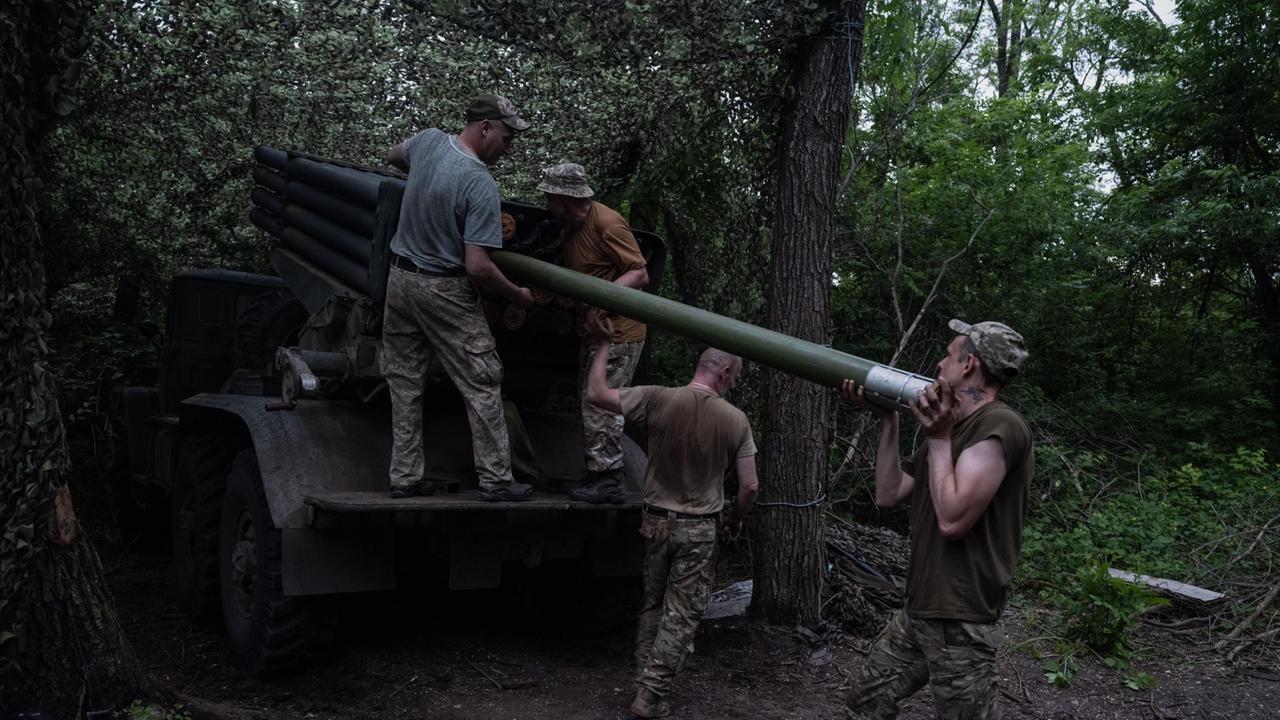
For soldiers like Andrij, a 34-year-old commander of a drone-defense unit near Zaporizhzhia, the reform offers a tangible prospect of relief. "I will probably sign such a contract," he stated, reflecting on the potential for a "temporary release." He envisions periods where he can "simply go away with the family, to Odesa, to the Carpathian foothills, to rest, to truly rest, to forget that there is a war, so that the head can cool down a bit."
Andrij’s unit is stationed mere dozens of kilometers from the front lines in southeastern Ukraine, facing a relentless barrage of Russian drones. The increasing intensity and volume of these aerial threats highlight the ongoing challenges faced by Ukrainian forces. The prospect of a guaranteed period of rest, even if temporary, holds significant psychological value for soldiers operating under such constant pressure. It offers a chance to decompress, to reconnect with loved ones, and to mentally prepare for future service, potentially mitigating the debilitating effects of combat fatigue.
The reform’s emphasis on providing this crucial respite acknowledges the human element at the heart of the military’s strength. It recognizes that even the most dedicated soldiers require periods of recovery to maintain their effectiveness and prevent the erosion of their fighting spirit.
Criticisms and Concerns: The Debate Over Demobilization
Despite the positive reception from some soldiers, the reform has not been without its critics. A primary concern voiced by some is that the "release" offered is merely temporary. Soldiers are eligible for a minimum of six months of respite, with longer periods for those with more extensive service. However, the possibility of being recalled to service after this period raises questions about the true extent of the "demobilization" being offered.
For many who have served for years, the expectation is not just a temporary break, but a permanent return to civilian life. The argument is that these soldiers have fulfilled their duty and deserve to be demobilized, allowing younger generations to take up the mantle of defense. This sentiment is particularly strong among those who have been in uniform since the earliest days of the conflict in 2014.
The core demand from this segment of the population and their supporters is immediate release for those who have endured the longest periods of service. They argue that continuing to rely on these veterans indefinitely is an unfair burden, and that Ukraine needs to transition to a more sustainable model of military engagement that doesn’t disproportionately tax its most experienced fighters.
Defence Minister’s Rationale: The Indispensable Veteran
Minister Fedorov directly addresses these concerns, explaining why immediate, unconditional demobilization for all long-serving soldiers is not feasible at this juncture. "Of course, it would be just to immediately release those who have been serving since 2014 or even since 2023," he conceded. However, he immediately follows with a crucial caveat: "But what happens then on the battlefield? These soldiers are the backbone of our army; they hold the front. They have experience and train new recruits."
Fedorov’s argument hinges on the invaluable experience and institutional knowledge possessed by these seasoned soldiers. They are not only combat veterans but also vital trainers and mentors for the influx of new recruits. Their presence on the front lines provides stability and tactical expertise that cannot be easily replicated. The ministry believes that their continued, albeit rotated, service is essential for maintaining the army’s effectiveness and for ensuring the successful integration and training of new personnel.
The reform, therefore, is presented as a compromise – a way to provide relief without sacrificing the hard-won operational capacity that these veterans represent. The intention is to gradually transition to a system where newer soldiers can assume more responsibility, but this process, Fedorov argues, requires the continued guidance and presence of those who have already proven their mettle.
Incentivizing the Next Generation: Financial and Professional Growth
To facilitate the transition and attract new talent, the Ukrainian Armed Forces are also implementing significant financial incentives. New soldiers are expected to receive substantially higher salaries than previously offered. Front-line infantry soldiers are slated to earn the equivalent of €5,800 per month, with even higher compensation for those undertaking particularly dangerous missions.
Fedorov believes that these increased financial rewards will not only entice Ukrainian citizens to join the ranks but also attract foreign nationals willing to fight for Ukraine. The prospect of competitive pay, combined with the opportunity to serve in a cause deemed just, could prove a powerful draw for international volunteers. This strategy aims to broaden the recruitment base and ensure a steady flow of personnel to replace those who are rotated out or eventually demobilized.
Beyond financial incentives, the reform also hints at opportunities for professional development and career progression within the army. While not explicitly detailed in the initial announcements, the implicit goal is to create a more attractive and sustainable career path within the military, encouraging long-term commitment and fostering a more professional and well-compensated fighting force. This multifaceted approach, combining respite for veterans with enhanced incentives for new recruits, signals a strategic evolution in Ukraine’s approach to sustained defense in a prolonged conflict. The success of this reform will ultimately be measured by its ability to balance the immediate needs of the front lines with the long-term well-being and motivation of its soldiers.