London, UK – July 11, 2026 – The political landscape of Great Britain is reeling from the shocking death of former Minister and prominent figure Ann Widdecombe. Police have released a 26-year-old man who was initially arrested on suspicion of murder, casting a shadow of uncertainty over the ongoing investigation. The release of the suspect marks a significant development, prompting authorities to broaden their search for a perpetrator and appeal to the public for crucial information.
Widdecombe, a formidable presence in British politics for decades, was discovered deceased in her home in southern England on Thursday. Preliminary reports from investigators indicate she had sustained severe injuries, suggesting a violent end to her life. The initial timeline suggests the incident may have occurred as early as Wednesday. The abrupt loss of such a well-known and often outspoken political commentator has sent ripples of concern and speculation across the nation.
The Arrest and Subsequent Release: A Twist in the Investigation
The arrest of the 26-year-old man on Friday had offered a semblance of progress in the perplexing case. However, after a period of intensive questioning and further forensic examination, police officials have confirmed that the individual is no longer considered a suspect. A spokesperson for the investigating force stated, "Following thorough inquiries and the analysis of all available evidence, we have determined that the individual previously apprehended is not involved in the death of Ms. Ann Widdecombe. Consequently, he has been released and is no longer part of our investigation."
This sudden turn of events underscores the complexity of the case and the meticulous, albeit sometimes protracted, nature of homicide investigations. The decision to release the suspect, while potentially frustrating for those seeking immediate answers, reflects a commitment to ensuring that justice is pursued through rigorous evidence-based procedures. The police have now reiterated their urgent need for any information that might shed light on Widdecombe’s final hours and identify the individual or individuals responsible for her death.
A Life in Public Service and the Spotlight
Ann Widdecombe, aged 78, had a distinguished and often controversial career in British public life. Her political journey began with the Conservative Party, where she served as a Member of Parliament for Maidstone and then for Christchurch in the 1990s. During her tenure, she was known for her staunchly conservative views, particularly on social issues, and her sharp wit, which often made her a compelling figure in parliamentary debates and media appearances.
In recent years, Widdecombe had become an increasingly vocal supporter of the populist right. In 2023, she formally joined the Reform UK party, becoming one of its most ardent advocates and a key ally of its leader, Nigel Farage. Her alignment with Reform UK signaled a continued engagement with the political discourse, albeit on a different platform than her earlier parliamentary career. Her presence within the party was seen as a significant boost to its efforts to gain traction in the British political arena.
Beyond her political roles, Widdecombe also cultivated a significant public profile through her appearances on popular reality television programs. These ventures, including her participation in "Strictly Come Dancing" and "Celebrity Big Brother," introduced her to a broader audience, solidifying her status as a recognizable and often debated public figure. Her candid personality and willingness to engage with the public in different formats contributed to her enduring presence in the national consciousness.
The Scene of the Crime and Initial Findings
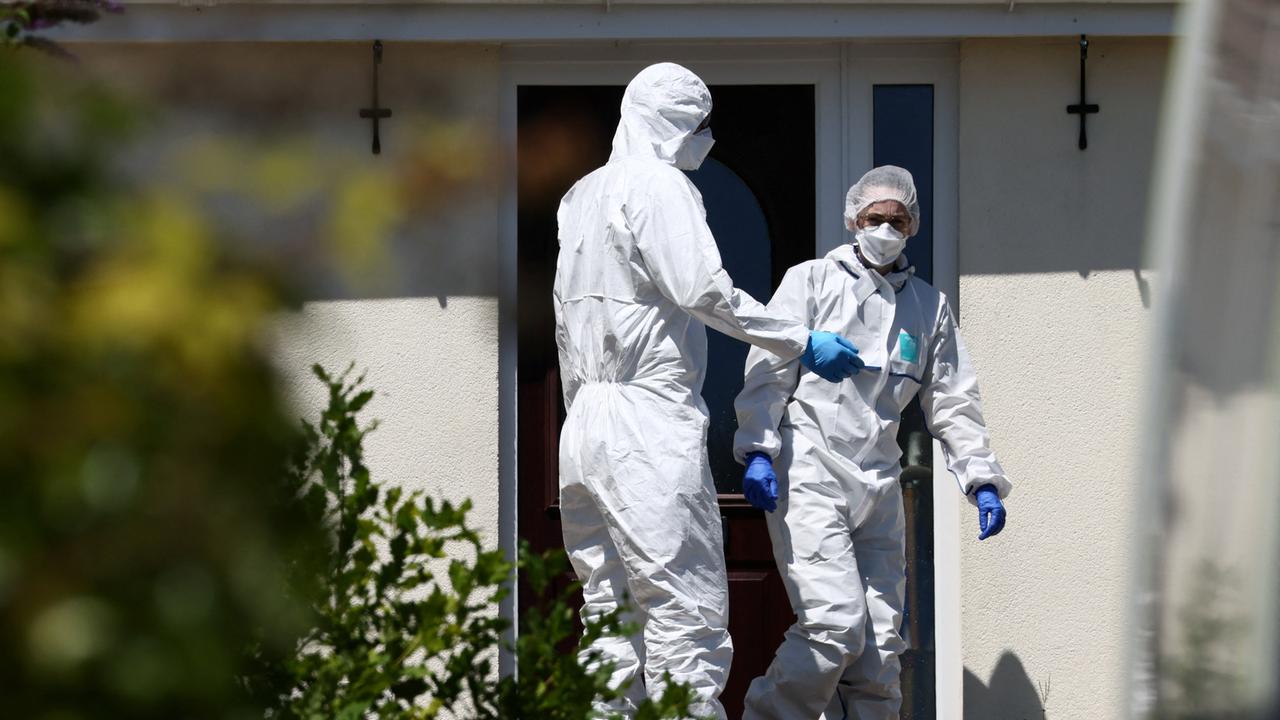
The investigation is currently focused on Widdecombe’s residence in southern England. While the exact cause of death has not been publicly disclosed, the presence of "severe injuries" strongly suggests a violent altercation. Law enforcement has established a cordon around her property, with forensic teams meticulously working to collect evidence. Detectives are meticulously piecing together Widdecombe’s movements in the days leading up to her discovery, interviewing neighbours, friends, and associates to build a comprehensive picture of her final days.
The initial assessment by the police has ruled out certain motives, providing a degree of clarity amidst the speculation. Authorities have stated that they are not currently treating the death as an act of terrorism, nor do they believe it to be politically motivated. This clarification, while narrowing the potential scope of inquiry, leaves a wide range of possibilities open, including personal disputes, robbery gone wrong, or other unforeseen circumstances. The lack of a clear motive adds another layer of complexity to the investigation.
Chronology of Events: A Timeline of the Investigation
Wednesday, July 8, 2026: Ann Widdecombe is believed to have died in her home in southern England. The exact circumstances and time of death are still under investigation.
Thursday, July 9, 2026: Ann Widdecombe is discovered deceased in her home. Police are alerted, and an investigation into the circumstances of her death is immediately launched. Forensic teams are dispatched to the scene.
Friday, July 10, 2026: In a significant development, police arrest a 26-year-old man in connection with Widdecombe’s death, stating he was apprehended on suspicion of murder. The arrest brings a temporary sense of progress to the investigation.
Saturday, July 11, 2026 (18:29 BST): Police announce the release of the 26-year-old suspect. They confirm he is no longer part of the investigation, indicating that evidence has led them to exclude him as a perpetrator. The investigation is now re-focused on finding a new suspect, and the public is urged to come forward with any relevant information.
Supporting Data and Context
Ann Widdecombe’s political career spanned over two decades in the House of Commons. Her transition from a prominent Conservative MP to a vocal supporter of Reform UK highlights the shifting political landscape in Britain and the appeal of populist movements. Her membership in Reform UK, particularly her close association with Nigel Farage, placed her at the forefront of a political force seeking to challenge the established order.
The party, formerly known as the Brexit Party, has positioned itself as a voice for those disillusioned with mainstream politics. Widdecombe’s endorsement and active participation lent considerable credibility and visibility to their platform. Her death removes a significant voice from their ranks, potentially impacting the party’s future trajectory and public perception.
Her earlier career as a Conservative MP saw her hold various positions, including Shadow Home Secretary. She was also a member of the Privy Council. Her resignation from the Conservative Party in 2005 and subsequent move towards more populist politics reflected a broader trend of political realignment in the UK.
Official Responses and Public Reaction
The news of Ann Widdecombe’s death has elicited a wave of shock and sadness from across the political spectrum. Tributes have poured in from former colleagues, political adversaries, and the general public, acknowledging her significant impact on British public life.
Nigel Farage, leader of Reform UK, expressed his profound grief, stating, "We are all utterly devastated by the loss of Ann. She was a true patriot, a brilliant communicator, and a dear friend. Her voice will be sorely missed, not just by Reform UK, but by the nation as a whole. We are praying for her family and for justice to be done."
Conservative Party figures have also paid tribute, with many acknowledging her long service to public life, even if their political ideologies differed. Former Prime Minister, who served during Widdecombe’s parliamentary years, commented, "Ann Widdecombe was a formidable debater and a dedicated public servant. Her presence in Parliament was always felt. This is a deeply tragic loss, and our thoughts are with her loved ones."
The public reaction has been a mixture of sorrow, disbelief, and a growing sense of unease regarding the ongoing investigation. Social media platforms have been abuzz with discussions, with many expressing hope for a swift resolution and calling for anyone with information to come forward. The appeal from the police for public assistance underscores the critical role that community involvement can play in solving complex crimes.
Implications and Future of the Investigation
The release of the initial suspect places immense pressure on the police to identify and apprehend the true perpetrator. Detectives will now be re-examining all evidence, pursuing new leads, and potentially revisiting individuals who may have been overlooked in the initial stages of the investigation. The focus will likely shift to identifying anyone with a motive, opportunity, and the means to commit such a crime.
The investigation’s lack of a terrorism or political motive suggests a more personal or opportunistic crime. This broadens the pool of potential suspects and necessitates a meticulous and comprehensive approach. The police will be working to establish a detailed timeline of Widdecombe’s activities leading up to her death, looking for any unusual interactions, visitors, or changes in her routine.
The public appeal for information is a crucial element in this phase of the investigation. Authorities are likely hoping that someone may have seen or heard something out of the ordinary, even if it seemed insignificant at the time. Any piece of information, no matter how small, could prove to be the breakthrough needed to solve this deeply troubling case.
The death of Ann Widdecombe is a stark reminder of the vulnerability of public figures and the enduring challenges of solving violent crimes. As the investigation continues, the nation will be watching closely, hoping for answers and for justice for a woman who, for better or worse, left an indelible mark on British public life. The coming days and weeks will be critical as law enforcement works to unravel the mystery surrounding her untimely demise.