Introduction: A Cool Surprise Amidst the Heat
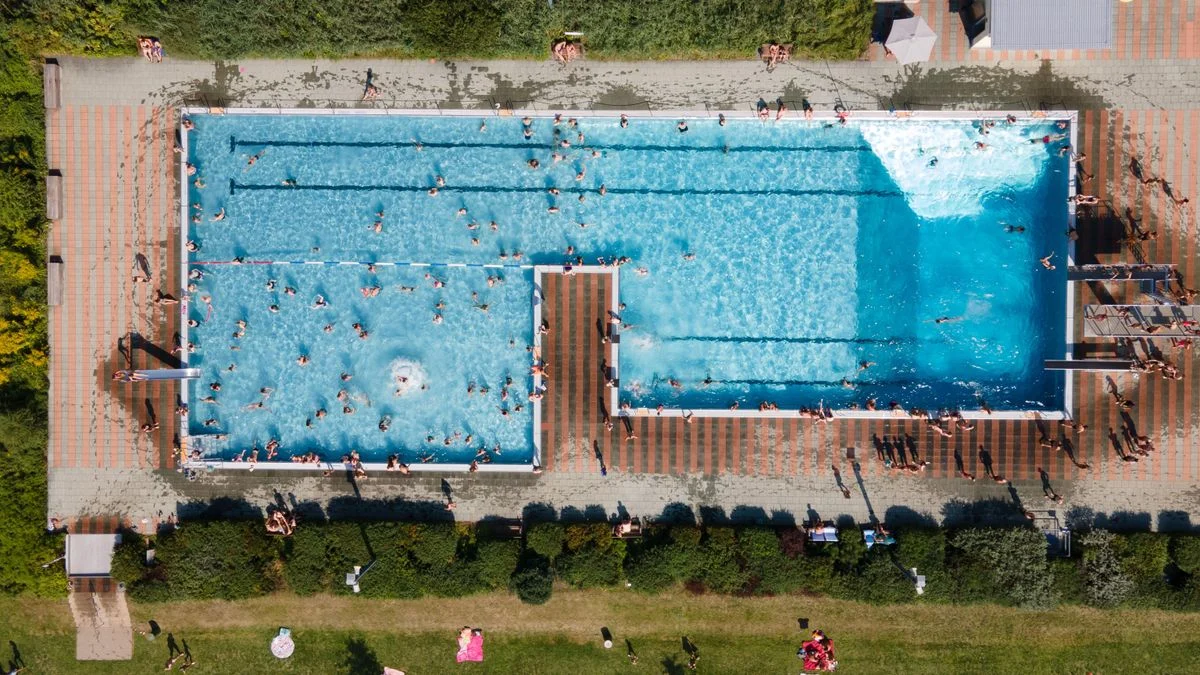
For the children and teenagers of Dresden, the summer break has taken on a brighter, more refreshing tone. As temperatures rise and the local schools shutter their doors for the annual summer holidays, a quiet wave of benevolence has swept through the city’s recreational landscape. At the Wostra outdoor swimming pool, young visitors arriving with their towels and sunscreen are being met with an unexpected development: their admission fees are being covered by an anonymous benefactor.
This act of kindness, which allows anyone up to the age of 17 to enter the facility for free, has transformed the typical routine of a summer afternoon into a source of community joy. While the identity of the donor remains a well-guarded secret, the impact of the gesture is visible on the faces of the children who walk through the gates, unburdened by the cost of entry.
The Facts: How the Wostra Initiative Works
The initiative is straightforward in its execution but profound in its accessibility. According to Lars Kühl, the spokesperson for the Dresden municipal bathing authority (Dresdner Bäder), the arrangement was finalized shortly before the commencement of the summer break.
The core parameters of the program are as follows:
- Eligibility: All children and teenagers up to and including the age of 17.
- Location: Specifically the Wostra outdoor swimming pool in Dresden.
- Duration: Valid throughout the entirety of the summer school holiday period.
- Mechanism: The donor provided a lump sum or a commitment to cover costs to the Dresdner Bäder management, ensuring that when a child approaches the ticket booth, the transaction is marked as covered.
Kühl noted that the administration has respected the donor’s strict requirement for anonymity. The organization has intentionally refrained from creating a public spectacle or a marketing campaign around the donation, preferring to let the experience speak for itself. "The children come, they are surprised that they don’t have to pay, and they are simply happy," Kühl remarked.
Chronology: From Private Intent to Public Relief
The story of the Wostra donation did not begin as a grand public announcement. It started as a private outreach between a concerned citizen and the municipal operators.
The Initial Contact
Weeks before the summer heat began to peak, a representative of the Dresdner Bäder was approached by an individual wishing to make a philanthropic contribution. The donor’s request was simple: to lower the barrier of entry for local youth who might otherwise be unable to afford frequent trips to the pool during their time off from school.
The "No-Fanfare" Policy
The donor insisted on remaining entirely out of the limelight. In a world where corporate sponsorships and philanthropic acts are often leveraged for public relations and brand building, this "no-fanfare" approach is notable. The management of the Dresden pools agreed to facilitate the transaction without drawing unnecessary attention to the donor’s personal life, ensuring the focus remained squarely on the beneficiaries—the children.

Implementation
As the summer holidays officially commenced, the staff at the Wostra facility were briefed on the protocol. Since the start of the season, the system has operated seamlessly. Young swimmers arrive, verify their age, and proceed into the facility, with the admission fees tallied and covered by the donor’s fund.
The Broader Context: A National Trend of Altruism
The phenomenon in Dresden is not an isolated incident. It reflects a growing trend of "micro-philanthropy" that has recently captured the public imagination across Germany.
The Case of Schwalmstadt
A strikingly similar narrative unfolded recently in Schwalmstadt, Hessen. There, another anonymous benefactor took it upon himself to fund the entrance fees for local children and youths at the municipal pool. When asked by reporters about his motivation, the donor offered a refreshingly pragmatic perspective: "The last shirt has no pockets," he said, referencing the German idiom that one cannot take material wealth into the afterlife. "You might as well spend it on things like this."
These stories highlight a shift in how individuals choose to engage with their communities. By targeting local infrastructure—the swimming pool, the library, or the playground—donors are seeing the immediate, tangible impact of their wealth on the quality of life for the next generation.
Official Responses and Administrative Perspectives
The Dresdner Bäder management has adopted a posture of professional gratitude. While the administration usually manages tight budgets and public funds, the inclusion of private donations allows for a level of flexibility that standard municipal budgeting cannot always accommodate.
The Role of Municipal Management
Lars Kühl’s role as the spokesperson has been to manage the logistics while preserving the donor’s privacy. His comments reflect an appreciation for the social cohesion such acts foster. By removing the financial barrier to entry, the pool becomes a "third space"—a place that is neither home nor school, where children from all socioeconomic backgrounds can mingle freely.
The Administrative Challenge
While such gifts are welcomed, they do pose administrative questions for public operators. Managing anonymous funds requires transparent accounting to ensure that the money is used exactly as intended. The Dresdner Bäder has confirmed that the process has been handled with full compliance, ensuring that the donation serves as a direct subsidy for youth engagement.
Socioeconomic Implications: Swimming as a Public Good
The impact of these donations extends far beyond a simple "free ticket." In urban environments like Dresden, access to swimming facilities is a matter of public health, safety, and social equity.

Public Health and Physical Activity
With the rise of sedentary lifestyles and the increasing reliance on digital entertainment, providing free access to an environment that encourages physical activity is a significant public health intervention. Swimming is a full-body exercise that is essential for development, and during the hot summer months, it also serves as a necessary respite from high temperatures.
Safety and Skill Acquisition
Tragically, the number of children who do not know how to swim remains a concern for safety officials across Europe. By encouraging regular visits to the pool, these programs inadvertently increase the amount of time children spend in the water, which can lead to increased comfort, better swimming technique, and higher water safety awareness.
Social Equity and Inclusion
Access to leisure activities is often determined by the economic status of a family. When a municipal pool charges an entry fee, those from lower-income households may be excluded. An anonymous donor, by paying for everyone, effectively "levels the playing field." Within the walls of the Wostra pool, every child is a guest of the city, regardless of their family’s financial standing. This removes the stigma of "subsidized" entry; no child has to apply for a hardship pass or identify themselves as needy. They simply walk in.
The Philosophy of "The Last Shirt Has No Pockets"
The quote from the donor in Schwalmstadt serves as a philosophical cornerstone for these recent acts of generosity. It challenges the traditional concept of wealth accumulation, suggesting that the true value of money is found in the joy it creates while the owner is still alive to witness it.
In an era of economic uncertainty, such acts of kindness provide a psychological boost to the community. They serve as a reminder that wealth can be a tool for social improvement rather than just a private commodity. For the youth of Dresden, the message is one of inclusion: the community cares enough about their well-being to ensure they have a place to cool off and play.
Conclusion: Looking Ahead
As the summer continues, the Wostra outdoor pool remains a hub of activity. The experiment in generosity has been a resounding success, proving that when barriers are removed, community engagement flourishes.
While the donor (or donors) will likely never be publicly thanked by the children they have helped, their impact will be felt throughout the rest of the season. This summer in Dresden will be remembered by many as the year the pool felt a little more open, a little more welcoming, and a little more like a place where every child belongs.
As the autumn approaches and the pools prepare to close, the legacy of this initiative may encourage others to consider similar acts. Whether it is funding entry fees, supporting local youth clubs, or investing in neighborhood projects, the model established in Dresden and Schwalmstadt offers a blueprint for how individuals can make a direct, positive difference in their immediate surroundings. The lesson is clear: sometimes, the most significant contributions to society don’t come from government policy or institutional grants, but from the quiet, anonymous choice of an individual to do something good for the next generation.