In the quiet town of Blankenburg, nestled in the Harz region of Germany, a unique social experiment has been quietly thriving for nearly two decades. Within the walls of a single complex, the boisterous energy of toddlers meets the tempered wisdom of the elderly. This intergenerational model, which integrates a daycare center (Kita) with a long-term nursing home, is increasingly being viewed by experts not just as a logistical solution, but as a potential breakthrough in the global fight against loneliness and the cognitive decline associated with dementia.
The Core Concept: Life Under One Roof
At the heart of the Blankenburg facility, the day often begins with a game of "sitting soccer." Werner Bannasch, 92, sits in his chair in the garden, waiting with a group of fellow residents. Suddenly, a group of children from the attached daycare bursts through the doors, eager for the match.
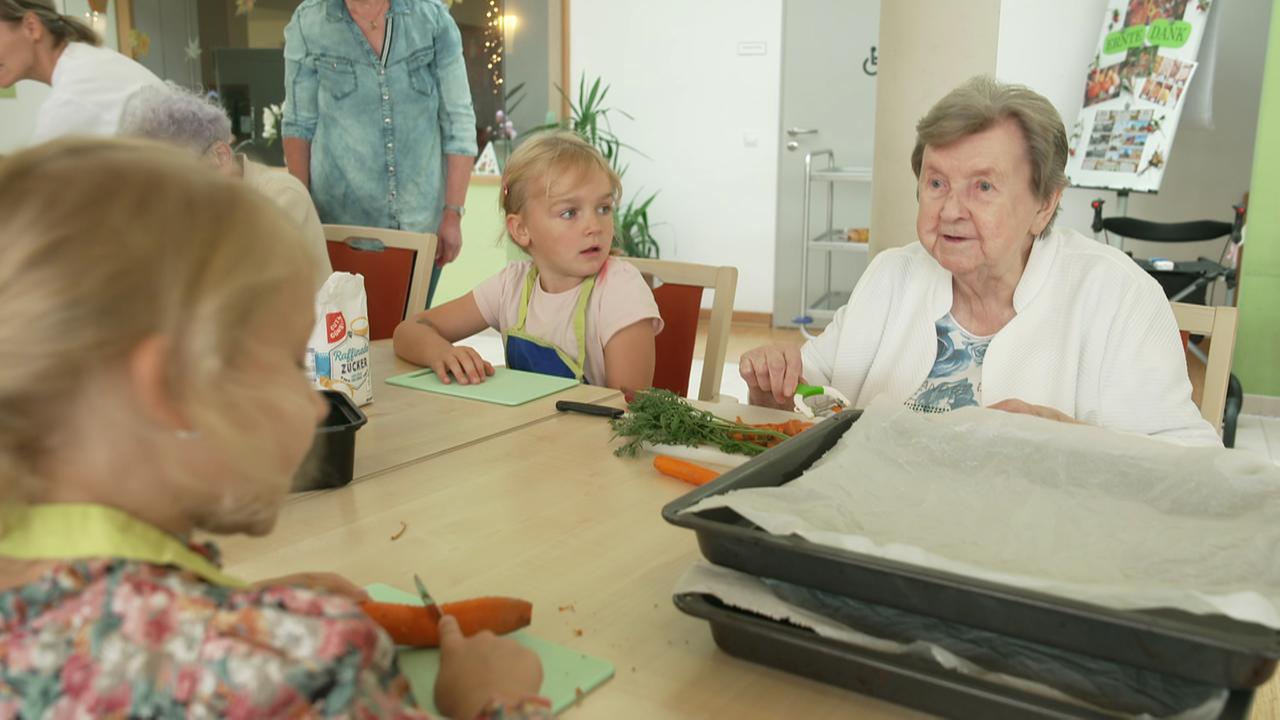
"The best part is the activities we share," says Bannasch, whose own descendants live far from the Harz region. "There is always something happening." For residents like Bannasch, the facility offers a rare commodity: a sense of belonging and a connection to the future. Residents have the autonomy to retreat to quiet, private spaces or join the communal meeting areas for meals, ensuring that social interaction is a choice, not a mandate. Weekly activities—ranging from baking and walking to organized games—create a vibrant ecosystem where the age gap is not a barrier, but a bridge.
Chronology: From Pragmatic Necessity to Model Project
The inception of the Blankenburg project was born more out of necessity than grand social design. Nearly 20 years ago, the institution faced a dual crisis: the local daycare center was struggling with under-occupancy for its 100 available spots, and the existing nursing facility run by the same provider was becoming functionally obsolete and unable to meet modern standards.
By consolidating the two into a single "multi-generational house," the administration transformed a structural problem into a social advantage. Doreen Irrgang, the facility’s director, recalls the early skepticism. "Healthy aging is fundamentally linked to social contact," she explains. Over the past two decades, the facility has matured, proving that the integration of age groups creates a mutually beneficial environment. The children gain a natural, unvarnished exposure to the realities of life—including aging, frailty, and the cycle of existence—while the seniors receive a revitalizing infusion of vitality and joy.
The Neurobiological Case: Emotions and Dementia
The impact of these intergenerational interactions extends beyond mere morale; there is growing scientific curiosity regarding its effect on neurodegenerative health. While research specifically isolating "child-senior interaction" is still in its infancy, the broader field of psychosocial epidemiology suggests significant protective benefits.
Dr. Francisca Rodriguez, a leading researcher at the German Center for Neurodegenerative Diseases (DZNE), notes that social isolation is a known risk factor for cognitive decline. "Social contacts are generally protective," says Rodriguez. As the global population ages, the challenge of dementia is becoming one of the most pressing public health issues of the century.
Supporting Data: The Rising Tide of Dementia
The statistics provided by the DZNE underscore the urgency of finding non-pharmacological interventions.
- Current Prevalence: In 2023, there were approximately 1.8 million people living with dementia in Germany.
- Future Projections: By 2050, that number is expected to climb to 2.7 million.
- Economic Impact: The direct medical costs associated with dementia in 2023 were estimated at 38 billion euros. When accounting for the "informal economy"—the massive, unpaid labor provided by family caregivers—the burden increases by an additional 45 billion euros annually.
Research into "surprise moments"—such as the shared singing sessions observed in Blankenburg—suggests that music and creative engagement can trigger dormant neural pathways. "When we sing with the children, the residents join in," says Irrgang. "It is an incredibly heartwarming surprise, but it also reflects how emotional stimuli can pierce through the fog of dementia."
Implications: The Economic and Social Necessity
The argument for scaling these models is as much economic as it is altruistic. If regular social participation can delay the onset of severe neuropsychiatric symptoms or improve the individual’s daily functional capacity, the overall strain on national healthcare budgets could be significantly reduced.
Dr. Rodriguez emphasizes that the financial sustainability of such projects is the biggest hurdle to widespread adoption. "If we can maintain the participation and autonomy of the elderly through these programs, we decrease the reliance on high-cost, specialized care. It is a long-term investment in public health," she argues.
However, scaling this model is not without its challenges. The Blankenburg model works seamlessly in part because the daycare and the nursing home share the same parent organization. When multiple agencies are involved, administrative friction, differing regulatory requirements for child and geriatric care, and conflicting organizational cultures often lead to failure.
Official Perspectives and Operational Challenges
Despite the clear benefits, these facilities remain outliers in Germany. Other notable examples exist, such as the multi-generational campus in Weißenfels, the collaboration between the Paul-Riebeck-Stiftung and a Montessori school in Halle, and the upcoming facility in Cunewalde. Yet, they remain the exception rather than the rule.
The primary obstacle identified by operators like Irrgang is the "interface problem." Most regulatory frameworks for nursing homes and daycare centers are siloed. They operate under different staffing mandates and funding streams.
"We need a shift in policy," says Irrgang. "If we want these models to succeed, we cannot just look at the nursing ratio or the teacher-to-student ratio in isolation. We need to fund the ‘connective tissue’—the staff whose job it is to manage the interaction between these two worlds."
Conclusion: A Natural Rhythm of Life
The success of the Blankenburg project is perhaps best summarized by 89-year-old resident Ingrid Schrader. A former pediatric nurse herself, she views the environment not as a clinical setting, but as a living, breathing community.
"Children can be loud, yes," she says, watching a four-year-old named Meena sitting nearby. "But when you tell them to be quiet, they listen. They are very well-behaved." The silent, knowing smiles exchanged between the 89-year-old and the toddler represent the true success of the model.
In a world increasingly segregated by age and digital distraction, the Blankenburg model offers a poignant reminder: the most effective medicine for the challenges of the modern era may not be found in a laboratory, but in the simple, age-old act of living together. By creating spaces where the elderly are not hidden away and children are not sheltered from the realities of the human condition, we do not just build better care facilities—we build a more resilient society. As the waiting lists for such facilities grow longer, the message to policymakers is clear: the future of elder care should be inclusive, intergenerational, and above all, communal.