In an atmosphere of intense political polarization, the United States is witnessing an unprecedented mobilization of citizens and partisan entities determined to safeguard the integrity of the electoral process. As the November 3 election approaches, the Democratic Party, in collaboration with a vast network of civil rights organizations, has launched a massive, coordinated effort to monitor polling stations across the country. This operation, described by organizers as a necessary defensive measure, aims to mitigate potential interference by the federal government—a fear fueled by the rhetoric of President Donald Trump.
The landscape of American democracy is currently undergoing a stress test. With volunteers standing guard to report suspicious activity and specialized units hunting for digital disinformation, the upcoming election is being framed by both sides as a critical battle for the soul of the nation.
Main Facts: A Massive Mobilization
The scale of the "voter protection" initiative is unprecedented in modern American history. The Democratic National Committee (DNC) and various independent organizations have deployed tens of thousands of trained volunteers to monitor polling locations. This is not merely a local effort; it is a nationwide project designed to ensure that the mechanics of voting remain free from external pressure, intimidation, or federal overreach.
The operation has three primary pillars:
- Physical Presence: Volunteers are being positioned outside polling stations to observe the flow of traffic, monitor for potential intimidation, and document any unauthorized presence of federal officials.
- Cyber Vigilance: The DNC has established a dedicated cybersecurity unit, staffed by former intelligence and law enforcement professionals from the CIA and FBI. Their mandate is to monitor, flag, and neutralize disinformation campaigns, including the increasingly sophisticated threat of AI-generated "deepfakes" that seek to confuse voters.
- Legal Preparedness: Local mayors, attorneys general, and election supervisors have formed a coalition to provide rapid legal responses to any disruptions, ensuring that election laws are strictly upheld and that no federal entity violates the jurisdictional boundaries of local election management.
Chronology of Escalating Tensions
The roots of this mobilization trace back to the growing rhetoric from the White House regarding the validity of the electoral process.
- Early 2020: President Trump begins to amplify claims—largely unsubstantiated—of widespread voter fraud, specifically targeting mail-in ballots.
- Mid-2020: As concerns grow, Democratic Party officials and activists begin discussing the need for a formal observation program. The discussion shifts from passive monitoring to active, protective presence.
- Late Summer 2020: The DNC formalizes its cybersecurity task force. Simultaneously, civil rights organizations such as the ACLU and Common Cause initiate training modules for thousands of volunteers.
- October 2020: Training reaches its peak. Simulated "worst-case scenario" drills are conducted by local officials, preparing for events such as the unauthorized seizure of ballot boxes or the deployment of immigration enforcement (ICE) officers at polling sites.
Supporting Data: The Scale of the Effort
The numbers behind the effort are staggering. According to internal reports, the Democratic Party has trained roughly 10,000 volunteers across key battleground states. Complementing this, Common Cause has mobilized an additional 16,000 observers. A broader coalition of over 300 advocacy groups has collectively trained "tens of thousands" more, creating a massive, decentralized network of observers.
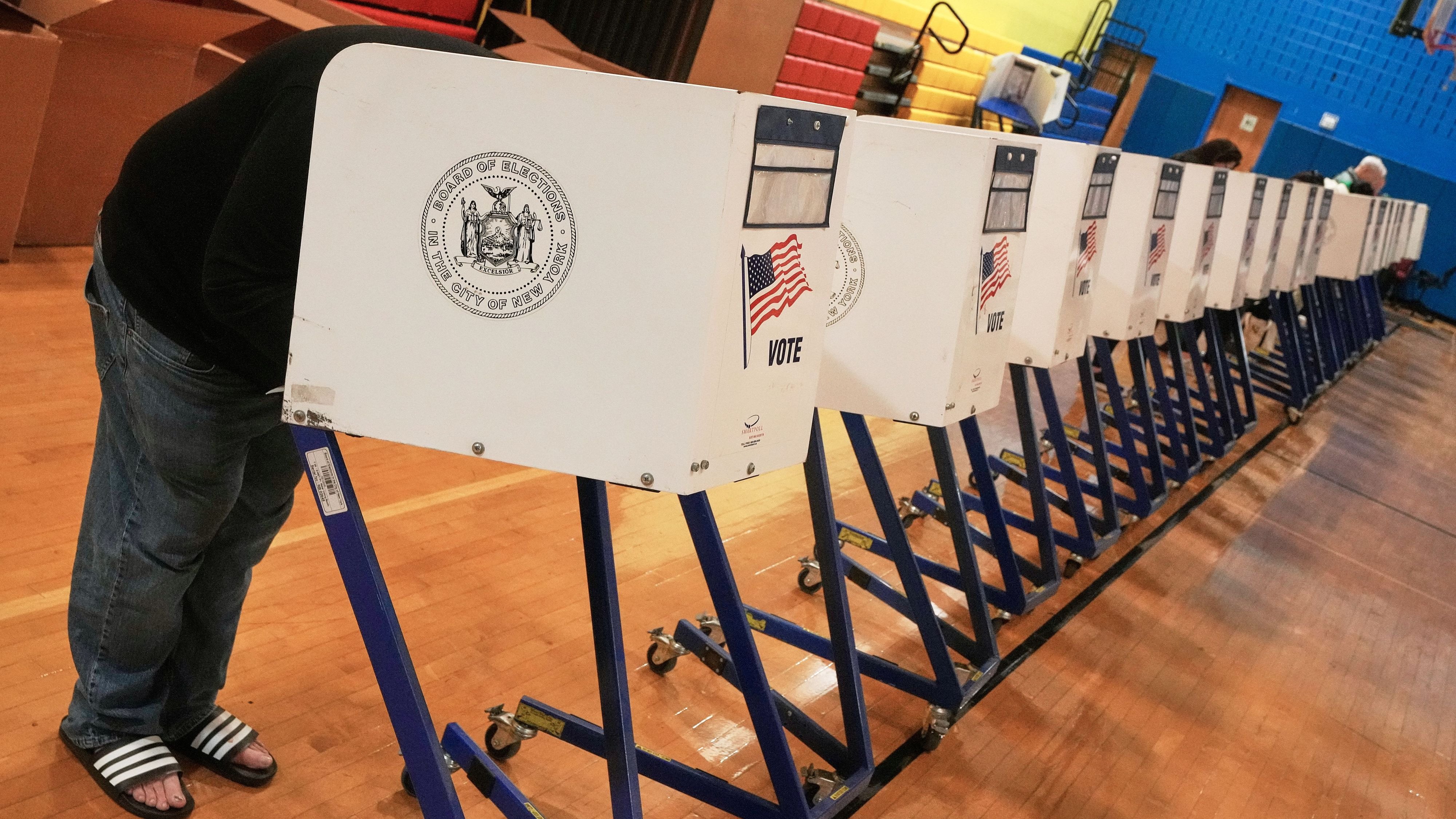
In contrast, the U.S. Department of Justice (DOJ) under the Trump administration is planning its own, historically large, election observation program. Officials have stated they intend to deploy approximately 1,000 personnel to polling stations across all 50 states. The stated goal is to monitor for compliance with federal election laws. However, this has created a direct, often uncomfortable, overlap with the non-governmental observers, raising concerns about potential friction.
Official Responses: A Clash of Narratives
The disagreement over the necessity of these monitors is profound. Jane Kleeb, Vice Chair of the DNC, emphasized the uniqueness of the situation, stating, "We have never had to deal with a President of the United States saying he might seize ballots or station ICE agents outside polling places." For the Democrats, the mobilization is a reactive measure to perceived authoritarian impulses.
The White House, however, vehemently rejects this characterization. White House spokeswoman Lauren Bis dismissed the concerns as fear-mongering by "radical Democrats." She stated, "President Trump has done more than any other president to ensure that we have free and fair elections," arguing that the resistance to voter ID laws and other Republican-led security measures is what actually compromises the vote.
The DOJ maintains that its presence is standard procedure, aimed solely at upholding the law. Harmeet Dhillon, head of the DOJ’s Civil Rights Division, explicitly stated that there are no plans to deploy ICE agents to polling locations. Yet, the memory of recent primary elections—where observers were described by local officials like Wyoming Governor Mark Gordon as "unusually aggressive"—has kept the skepticism high.
Implications for American Democracy
The implications of this standoff are far-reaching. The presence of so many different groups—partisans, civil rights activists, and federal monitors—creates a high probability of confusion, if not outright chaos, at the polls.
The Risk of Disruption
The sheer number of observers creates a "too many cooks in the kitchen" scenario. In many precincts, local election workers may find themselves overwhelmed by the presence of multiple, competing observers, each with different mandates and allegiances. Suzanne Almeida of Common Cause admitted that confusion is a distinct possibility, yet she maintained that the collective effort is an essential insurance policy against the risks that keep democratic institutions awake at night.

The Erosion of Trust
Perhaps the most dangerous implication is the continued erosion of trust in the electoral system itself. When a political party feels it must "protect" the polls from the sitting president, and when the president claims the system is inherently fraudulent, the baseline consensus required for a functioning democracy begins to crumble.
Legal and Constitutional Boundaries
The situation has forced local officials into a defensive posture. In cities like Lansing, Michigan, election administrators have had to consult with legal counsel and local police as a contingency against potential federal overreach. The reliance on the legal system to define the boundaries of federal authority in a local election is a symptom of a federalist system under strain.
As November 3 approaches, the focus is shifting from the candidates to the process itself. The question is no longer just who will win, but whether the infrastructure of the American vote can withstand the weight of the scrutiny it is currently enduring. Whether this massive citizen-led oversight acts as a bulwark for democracy or a catalyst for disorder remains to be seen. What is clear, however, is that the 2020 election will be remembered not only for its result but for the extraordinary measures taken to ensure that the results are counted at all.
Ultimately, the nation is holding its breath, waiting to see if the "watchers" will ensure a fair vote, or if the sheer density of observers will turn the sacred act of casting a ballot into a flashpoint for national tension. As the polls open, the eyes of the world will be on these observers—a testament to the fragility of a process that relies, above all else, on the faith of the governed.