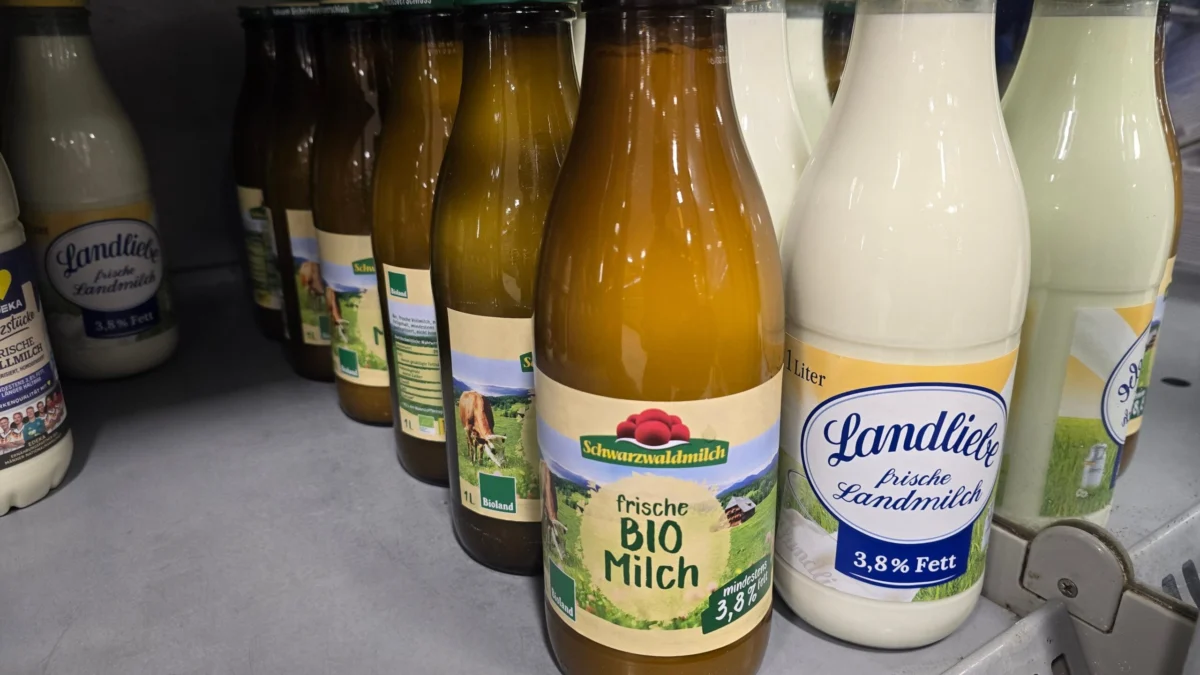
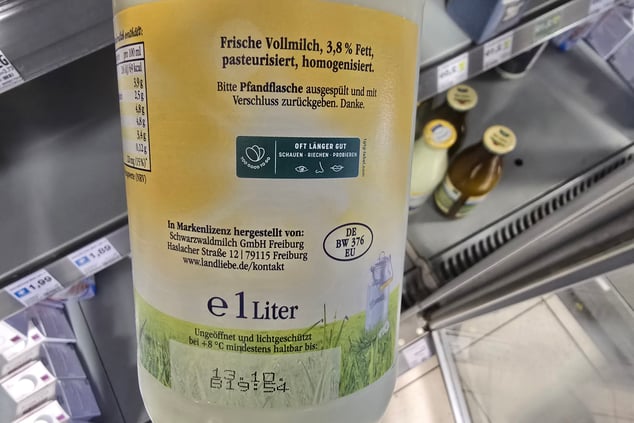
In the aisles of an Edeka supermarket in Hamburg-Eilbek, two glass bottles of fresh milk stand as silent witnesses to a complex logistical and economic reality. The milk inside has traveled over 750 kilometers from the idyllic, rolling green pastures of the Black Forest in Southern Germany. While the labels evoke images of local, sustainable farming, they also highlight a tension between consumer expectations of regionality and the realities of modern supply chains. As the German dairy industry faces its most profound transformation in history, producers like the Freiburg-based cooperative Schwarzwaldmilch are fighting a multifaceted battle: to remain independent, sustainable, and profitable in a market characterized by aggressive competition and diminishing margins.
The Sustainability Dilemma: Tradition vs. Carbon Footprint
The choice of packaging has become a focal point of the modern dairy debate. For many consumers, the glass bottle is a symbol of environmental consciousness—a return to a more sustainable, circular economy. However, data from the Institute for Energy and Environmental Research (ifeu) paints a different picture. For long-distance transport, such as shipping fresh milk from the depths of the Black Forest to the northern metropolis of Hamburg, glass bottles are more than four times as climate-damaging as the standard beverage carton (Tetra Pak).
Andreas Schneider, the CEO of Schwarzwaldmilch, is acutely aware of this contradiction. While conducting a tour of the cooperative’s production facilities in Freiburg, he candidly admits that, from a strictly ecological perspective, filling milk for the northern market in lighter, more transport-efficient cartons would be the superior choice. Yet, the company persists with glass.

This decision is not rooted in ignorance but in the harsh competitive reality of the German dairy sector. To abandon the glass bottle would be to risk losing a specific segment of the customer base that equates premium, regional quality with glass packaging. In a market where "we are under permanent, massive pressure," as Schneider describes it, every consumer preference must be carefully weighed against the risk of losing market share.
A Chronology of Consolidation: The Shrinking Landscape
The challenges faced by Schwarzwaldmilch are representative of a broader structural shift. The German dairy industry is currently experiencing the largest wave of consolidation in its history. The number of dairies in Germany has plummeted since the turn of the millennium, dropping by nearly 50 percent to fewer than 140 operational sites.
This trend toward centralization reached a new milestone in June, when the Danish dairy giant Arla merged with the German Deutsches Milchkontor (DMK). The resulting entity is now Europe’s largest dairy conglomerate, boasting a combined annual turnover exceeding 20 billion euros. For regional, mid-sized cooperatives, this creates an environment of "eat or be eaten."
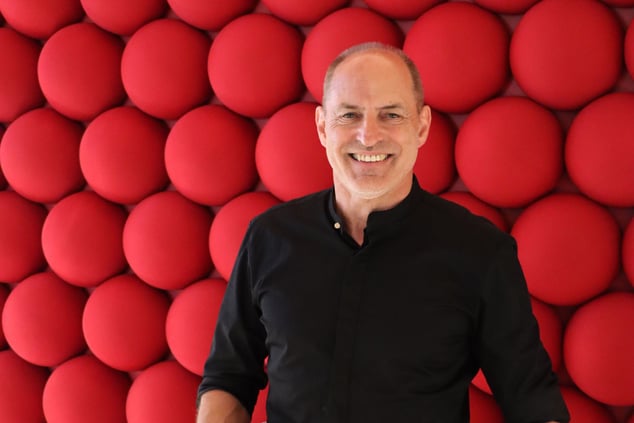
Schwarzwaldmilch finds itself in a position where survival requires constant innovation. Schneider is unequivocal: "We must develop ourselves in such a way that we remain indispensable." This strategy of "indispensability" has thus far been successful. Despite the pressures, the company has managed to grow steadily. In 2025, the cooperative reported a record turnover of 271 million euros, with a annual surplus of four million euros in 2024. The strategy is built on a two-pronged approach: securing premium brand licenses and betting heavily on high-growth, modern categories.
Strategic Pivot: The Power of Branding and Licenses
For decades, many cooperatives remained passive, content to act as anonymous suppliers of raw milk or generic store-brand products. Hans Foldenauer of the Bund Deutscher Milchviehhalter (Association of German Dairy Farmers) notes that this lack of brand development was a strategic failure for many. "Many cooperative dairies have neglected to build their own brands and sell their products through those channels," he argues.
Schwarzwaldmilch is attempting to buck this trend. Under Schneider’s leadership, the company has shifted its focus aggressively toward its own branded portfolio and strategic licensing agreements. Currently, the brand business accounts for nearly two-thirds of the company’s total revenue, totaling more than 175 million euros. Their portfolio now includes high-margin segments such as lactose-free lines ("LAC"), pasture-raised milk, and specialized protein-rich products.

A key turning point in this strategy occurred three years ago when the Theo-Müller Group acquired the Landliebe brand. As part of an antitrust requirement, the Federal Cartel Office forced Müller to delegate some of its bottling licenses to external partners. Schwarzwaldmilch seized this opportunity. "We have acquired an infinite license," explains Schneider. "This means we can treat Landliebe products bottled at our facilities as our own brand. It is a massive business field for us."
Furthermore, in 2024, the company added the bottling of Ehrmann protein milk to its repertoire. While these licenses provide scale, the core of the business remains the "Schwarzwaldmilch" brand itself, which has seen its brand segment grow by an impressive twelve percent in 2025.
The Plight of the Primary Producers: An Economic Crisis
While the dairy processing companies fight for market position, the farmers at the beginning of the chain are facing a different set of challenges. The sector is currently reeling from a persistent economic crisis. For months, European overproduction has kept milk prices artificially low. While the drought during the past summer briefly reduced supply and caused a slight uptick in prices, the situation remains dire.
According to the Dairy Industry Association, the price paid to producers remains approximately 25 percent lower than the previous year’s levels, with farmers receiving roughly 40 cents per liter of raw milk. "We as milk producers remain in a massive profitability crisis," says Foldenauer.
The cooperative structure of Schwarzwaldmilch is meant to act as a buffer, but even there, the pressure is palpable. Fridolin Saier, a farmer in St. Märgen who keeps 75 organic cows, has supplied the cooperative for generations. He speaks for many when he describes the environment: "The price war is always the same, throughout all these years. It exists with retailers and among farmers themselves. No one lets the other have anything anymore. We farmers are all human."
Schneider emphasizes that the cooperative’s goal is to ensure an "existence-securing payout price" for its 800 members in Baden-Württemberg. He admits, however, that while they aim for stability, they cannot always be the absolute price leader in the market.

Future Outlook: Expansion and Innovation
In an effort to diversify, Schwarzwaldmilch is looking beyond the German borders. Currently, the company generates one out of every eight euros abroad. While this 12 percent export share is lower than the industry average of one-third, it is a growth engine that Schneider considers "absolutely necessary for our independence."
The company’s ability to move into new, high-growth categories has also been a contentious internal issue. When Schwarzwaldmilch announced its entry into the production of oat drinks (marketed under the brand "Velike"), the reaction from some traditional dairy farmers was visceral. "We had some very negative reactions, involving strong emotional outbursts—to put it very mildly," Schneider recalls.
Despite the initial backlash, the move was a strategic necessity. By following consumer trends—even those that compete with traditional milk—the company aims to bolster its overall profitability, which in turn feeds back into the payout prices for its farmers.

Implications for the Industry
The case of Schwarzwaldmilch provides a microcosm of the challenges facing the European agricultural sector. The company’s trajectory highlights three critical requirements for survival in the current climate:
- Innovation over Tradition: The willingness to venture into plant-based alternatives and high-protein segments, despite internal resistance, has proven to be a vital hedge against the volatility of the traditional milk market.
- Brand Autonomy: By transitioning away from being a low-margin supplier for third-party private labels (such as those for Penny or Edeka), the company has gained more control over its margins and its future.
- Regionality as a Premium Product: Even as it scales, the company leverages its "Black Forest" heritage to justify premium positioning, even when the logistics of such a brand promise—like shipping glass bottles across the country—clash with modern sustainability metrics.
As the industry continues to consolidate, the "middle" players are disappearing. They are either being swallowed by massive conglomerates or, like Schwarzwaldmilch, they are forced to reinvent themselves as agile, brand-driven, and diversified entities.
The future of the German dairy farmer may well depend on the success of these mid-sized cooperatives. If they can successfully navigate the tightrope between maintaining the trust of their local farmer-members and the cold, hard requirements of the national retail market, they may survive the current wave of consolidation. However, as the industry continues to produce more than 30 million tons of milk annually—the highest in the EU—the pressure to innovate or perish will only intensify.

For now, the bottles on the shelf in Hamburg are more than just a container for milk; they are a symbol of a legacy industry in the midst of a difficult, necessary, and ongoing metamorphosis. Whether the "Black Forest" brand can maintain its premium status while scaling its operations remains the central question for the years to come.