Kyiv/Moscow – June 21, 2026 – Ukraine has intensified its campaign to cripple Russian logistical capabilities by launching a significant drone assault targeting energy infrastructure on the occupied Crimean Peninsula. The attacks, which authorities on both sides have confirmed, resulted in a substantial disruption of fuel supplies and led to casualties, including fatalities. In the wake of these strikes, Russia unleashed retaliatory attacks on eastern Ukraine, claiming further lives.
The precision strikes on Crimea underscore Ukraine’s evolving strategy to degrade Russia’s ability to sustain its forces and maintain control over the annexed peninsula, a key strategic asset and a vital transportation hub for Moscow’s ongoing war effort. The repercussions of these attacks are already being felt across the peninsula, with significant impacts on fuel availability and the looming threat to the crucial Crimean Bridge.
Main Facts
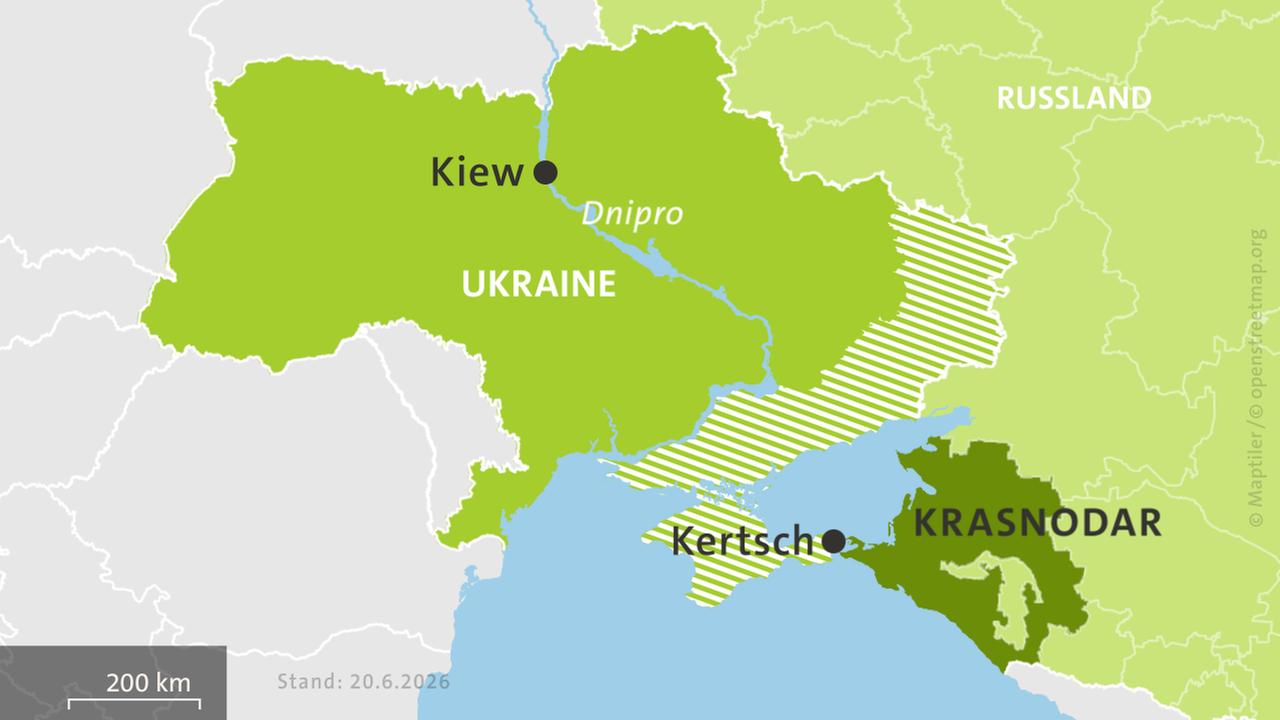
- Ukrainian Drone Attacks on Crimea: Ukrainian drones targeted fuel infrastructure on the Crimean Peninsula, with specific focus on the Kertsch region. Russian authorities reported at least four fatalities and 28 injuries. Several explosions and fires were observed across the peninsula, including at a fuel terminal in Kertsch.
- Crimean Bridge Disruption: The vital Crimean Bridge, connecting the peninsula to mainland Russia, was temporarily closed to vehicular traffic following the attacks. The port of Kavkaz on the Russian side of the Kerch Strait also reportedly sustained damage.
- Fuel Crisis Deepens: The attacks have exacerbated an existing fuel shortage on Crimea. Authorities announced the cancellation of planned gasoline and diesel allocations for motorists due to further delays in fuel deliveries.
- Russian Retaliation: In response, Russia launched aerial attacks on eastern Ukraine. Ukrainian officials reported three fatalities in these strikes.
- Casualties in Eastern Ukraine: Attacks in the Dnipropetrovsk region of eastern Ukraine resulted in one death and nine injuries, according to the regional governor. In the Poltava region, two people were killed and 13 injured by a separate Russian strike.
- Strategic Significance: Crimea, annexed by Russia in 2014, serves as a critical military staging ground and supply route for Russian forces in Ukraine. The Ukrainian strikes aim to disrupt these vital logistical lines.
- Tourism Impact: The ongoing conflict and supply chain disruptions are projected to significantly deter tourism to Crimea this summer, with millions of potential visitors expected to stay away.
Chronology of Events
Early Morning, June 21, 2026: Ukrainian drone attacks commenced on energy infrastructure across the Crimean Peninsula. Initial reports from Russian-appointed authorities indicated multiple explosions and fires, particularly in the vicinity of Kertsch.
Overnight, June 20-21, 2026: Russian authorities announced the temporary closure of the Crimean Bridge to vehicular traffic, citing security concerns in the wake of the Ukrainian strikes. The port of Kavkaz in the Krasnodar region of Russia, a key transit point for supplies to Crimea, was also reportedly affected by the attacks.
Dawn, June 21, 2026: Russian officials confirmed casualties resulting from the Ukrainian drone attacks, reporting four deaths and 28 injuries in the Kertsch area.
Morning, June 21, 2026: Ukrainian President Volodymyr Zelenskyy confirmed Ukrainian operations in both regions, stating that oil facilities on both sides of the Crimean Bridge were targeted.
Throughout the Day, June 21, 2026: Reports emerged of Russian retaliatory air strikes across eastern Ukraine. Ukrainian officials detailed casualties in the Dnipropetrovsk and Poltava regions.
Midday, June 21, 2026: Crimean authorities announced further complications in fuel deliveries, leading to the cancellation of planned gasoline and diesel distributions for the day, deepening the existing fuel crisis on the peninsula.
Supporting Data and Context
Crimea as a Strategic Hub: Since its annexation in 2014, Crimea has been transformed into a significant military stronghold for Russia. It hosts key naval bases, airfields, and serves as a crucial logistical node for supplying Russian forces operating in southern and eastern Ukraine. The Kerch Strait Bridge, a monumental engineering feat, is the primary land link connecting the peninsula to mainland Russia, facilitating the flow of military equipment, personnel, and essential supplies.
Ukraine’s Evolving Strategy: For months, Ukraine has been intensifying its efforts to isolate Crimea and degrade its military utility. This strategy involves a multi-pronged approach, including drone strikes on military installations, naval bases, and, increasingly, critical infrastructure like fuel depots and transportation routes. The aim is to erode Russia’s ability to project power from the peninsula and to create logistical bottlenecks that hinder its military operations.
The Fuel Crisis: The attacks on fuel terminals and the resulting disruptions to supply lines have created a palpable fuel crisis on Crimea. This not only impacts civilian life, leading to long queues at petrol stations, but also has significant implications for military operations that rely on a steady supply of fuel for vehicles, aircraft, and naval vessels. The cancellation of fuel allocations for motorists underscores the severity of the shortage.
Tourism and Economic Impact: The tourism sector, a significant contributor to Crimea’s economy, is bracing for a difficult season. The combination of ongoing conflict, increased security risks, and the severe fuel shortage is expected to deter the millions of tourists, primarily from Russia, who typically visit the peninsula during the summer months. This economic blow could further strain the resources of the Russian administration on Crimea.
Russian Military Presence: The peninsula is home to the Russian Black Sea Fleet, a critical component of Russia’s naval power in the region. Attacks on infrastructure supporting these forces are a key objective for Ukraine, aiming to neutralize Russia’s naval capabilities and disrupt its maritime operations.
Official Responses and Statements
Russian Authorities: Following the Ukrainian strikes, Russian officials were quick to condemn the attacks as acts of terrorism and to report on the casualties and damage. They emphasized the temporary closure of the Crimean Bridge for security reasons and initiated efforts to restore disrupted supply lines. The Russian Ministry of Defense has yet to issue a comprehensive statement on the full extent of the damage and the long-term implications for its operations.
Ukrainian Authorities: President Volodymyr Zelenskyy, in a televised address, confirmed Ukraine’s responsibility for the attacks on oil facilities. He stated, "Our goal is to dismantle Russia’s logistical chains and make their occupation of our land untenable. These strikes are a necessary step towards achieving that objective." The Ukrainian Ministry of Defense reiterated its commitment to liberating all occupied territories, including Crimea.
International Reactions: While official statements from major international bodies and governments were still emerging at the time of reporting, the escalation of attacks on critical infrastructure is likely to draw further international attention to the ongoing conflict and its broader implications for regional stability.
Implications and Future Outlook
The intensified Ukrainian strikes on Crimean infrastructure signal a strategic shift, aiming to inflict significant logistical and economic pain on Russia’s occupation. The successful disruption of fuel supplies and the temporary closure of the Crimean Bridge demonstrate Ukraine’s growing capability to strike deep into Russian-controlled territory.
The immediate implication is a deepening fuel crisis on Crimea, potentially affecting both civilian life and military operations. The psychological impact on the local population and the broader perception of Russian control could also be significant. Furthermore, the sustained attacks on the Crimean Bridge highlight its vulnerability and the potential for Ukraine to further degrade this critical link.
The Russian retaliatory strikes in eastern Ukraine underscore the cyclical nature of the conflict, with each side seeking to inflict damage and deter further aggression. The casualties reported in Dnipropetrovsk and Poltava regions serve as a grim reminder of the ongoing human cost of the war.
Looking ahead, it is probable that Ukraine will continue its campaign to target Russian logistics and military assets in Crimea, seeking to further isolate the peninsula and degrade its military utility. Russia, in turn, is likely to intensify its retaliatory strikes across Ukraine, seeking to disrupt Ukrainian defense capabilities and to retaliate for attacks on its territory.
The summer tourism season in Crimea, already precarious, is now under severe threat, potentially impacting the region’s economy and Moscow’s narrative of stability and integration. The long-term implications for Russia’s military posture in the Black Sea region and its ability to sustain its war effort in Ukraine will heavily depend on its capacity to mitigate these logistical challenges and to restore critical infrastructure. The conflict appears to be entering a new phase of intensified strategic targeting, with significant implications for both military operations and civilian populations on both sides.