Jerusalem, Gaza City, Beirut, Tehran – May 13, 2026 – The Middle East finds itself once again at a critical juncture, as Israel significantly escalates its military operations in the Gaza Strip following a recent ceasefire in the broader regional conflict involving Iran. This intensification of violence, marked by a surge in fatalities and Israeli airstrikes, casts a long shadow over ongoing diplomatic efforts and a fragile regional truce. Simultaneously, Lebanon reels from deadly Israeli aerial assaults near its capital, while Iran continues a disturbing trend of executing individuals accused of espionage for Israel, further fueling regional animosity. The intricate web of interconnected conflicts, covert diplomacy, and domestic political maneuvering paints a picture of profound instability, as key international and regional players grapple with an evolving geopolitical landscape.
The situation is fluid, with multiple fronts experiencing heightened activity, from direct military engagements to shadow wars, economic sanctions, and high-stakes negotiations. The underlying tensions, exacerbated by the recent "Iran War" – a term broadly used to encompass a period of direct US-Israel bombardments on Iran and subsequent regional flare-ups – underscore the persistent challenges to achieving lasting peace and security in the volatile region.
Renewed Violence in Gaza and Lebanon
The fragile regional calm has been shattered by a pronounced uptick in military action, particularly in the Palestinian territories and along the Israel-Lebanon border.
Israel’s Intensified Operations in Gaza
In the five weeks since April 8, which marked the end of joint US-Israel bombardments on Iran, Israel has dramatically increased its military activity in the Gaza Strip. According to the Gaza Health Ministry, at least 120 people have been killed in the Palestinian enclave during this period, representing a stark 20 percent increase compared to the preceding five weeks. Further data from the Armed Conflict Location & Event Data Project (ACLED), an independent conflict monitoring group, indicates a 35 percent rise in Israeli attacks in April compared to March, highlighting a clear escalation pattern.

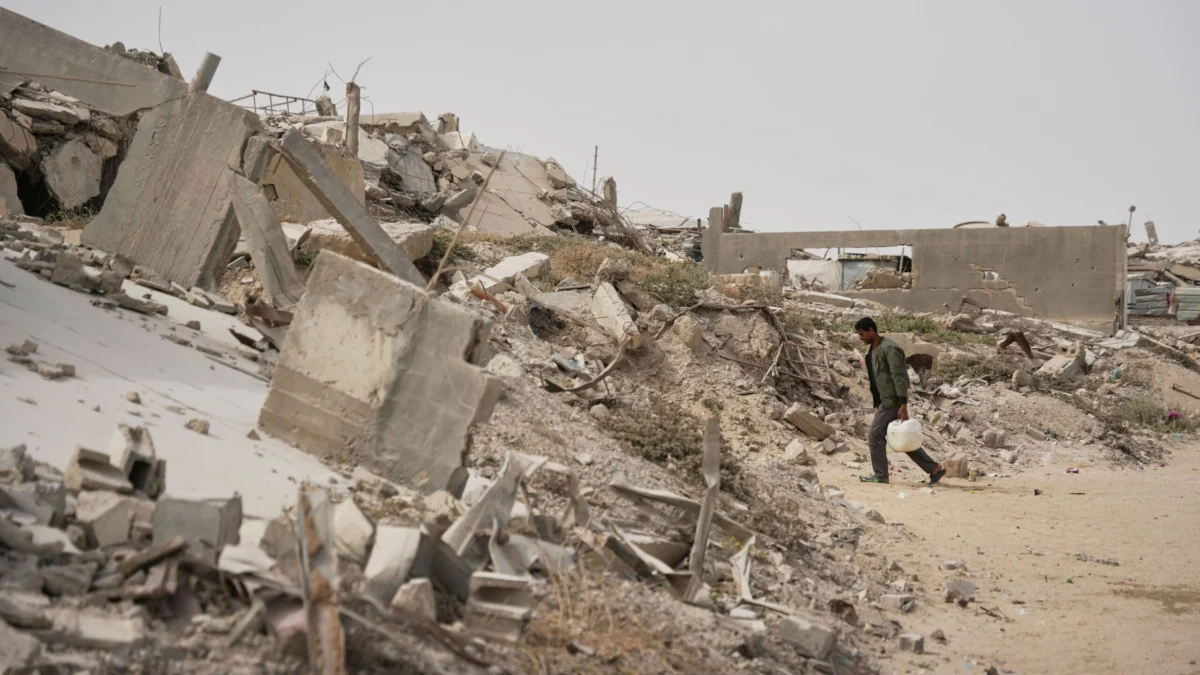
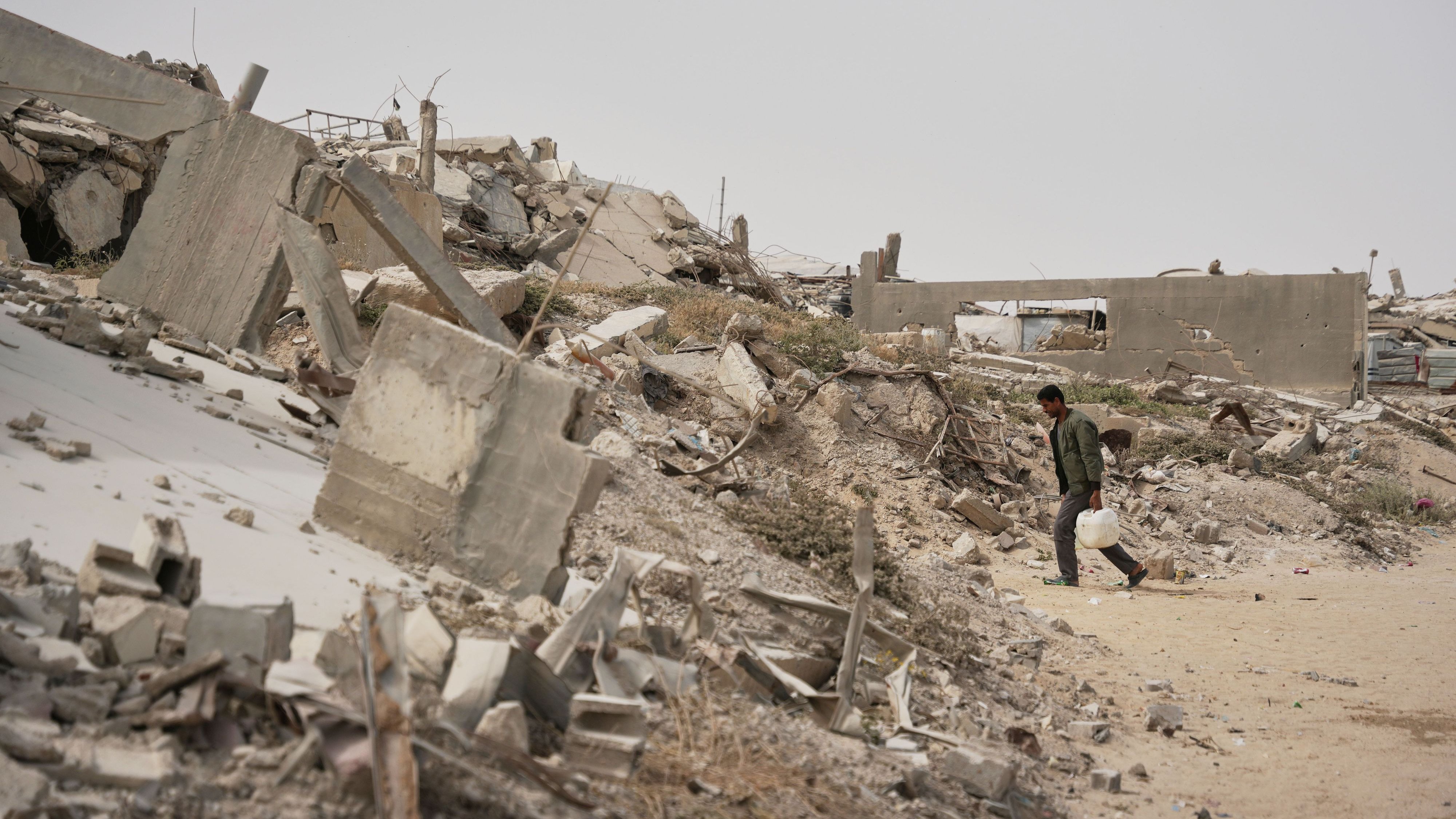
While the Israeli military has not officially commented on the specific reasons behind this recent surge in operations, multiple Israeli insiders have reportedly conveyed to the government of Prime Minister Benjamin Netanyahu that the Israel Defense Forces (IDF) had warned of a significant resurgence of Hamas. These warnings suggested that the Islamist group was actively re-establishing control, redeploying its forces, and resuming weapons production within the coastal strip. This perceived reconstitution of Hamas capabilities appears to have prompted Israel’s renewed and intensified campaign, aimed at degrading the group’s infrastructure and preventing it from solidifying its hold on the territory. The humanitarian situation in Gaza, already dire due to years of blockade and previous conflicts, is expected to worsen with this escalation, raising concerns among international aid organizations. Access to basic necessities like water, as depicted by a man carrying a water canister amidst rubble in Gaza City, remains a critical challenge for the civilian population.
Deadly Israeli Airstrikes Rock Lebanon
The escalation is not confined to Gaza. Lebanon has also witnessed a severe uptick in Israeli military action, resulting in significant civilian casualties. The Lebanese Health Ministry reported that eight people, including two children, were killed in Israeli airstrikes on a highway south of Beirut. Security sources indicated that these fatalities were the result of three separate attacks targeting vehicles on a coastal road approximately 20 kilometers south of the capital.
Although the Israeli military did not immediately comment on these specific incidents, it confirmed that it was actively targeting the infrastructure of the Iran-backed Hezbollah militia in South Lebanon. In conjunction with these operations, the IDF issued evacuation orders to residents of six villages in the southern part of the country, signaling an intent for sustained military engagement. Earlier reports from Lebanon’s state news agency NNA detailed numerous Israeli attacks across several areas in the south, including locations near the coastal city of Tyre. Two vehicles were also struck on a highway near the coastal town of Jieh, about 30 kilometers south of Beirut.
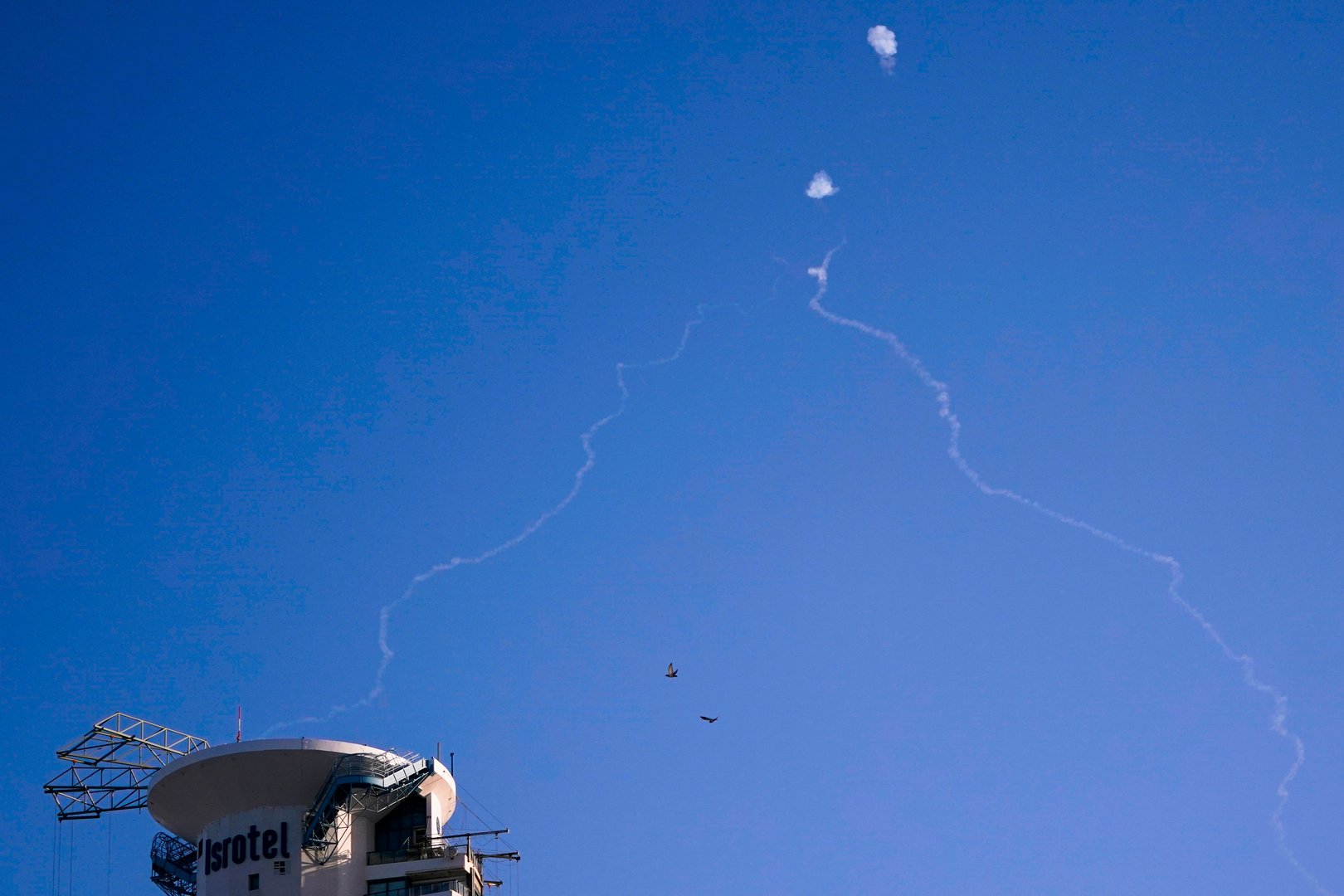
Hezbollah, a powerful political party and militant group in Lebanon, has historically engaged in cross-border clashes with Israel, often supported by Iran. The Israeli military has accused Hezbollah of misusing civilian infrastructure, including ambulances and medical teams, to transport weapons and fighters, a claim that remains difficult to independently verify. In response to Israeli actions, Hezbollah has reportedly launched its own drone attacks towards Israel, with several intercepted by Israeli air defense systems. Some explosive-laden drones, however, detonated on Israeli territory near the border, though no injuries were reported. Warning sirens repeatedly blared in northern Israeli communities, underscoring the constant threat of retaliation and the volatile nature of this front. The cross-border exchanges highlight a dangerous cycle of violence that risks drawing both parties into a more extensive conflict.
The Broader "Iran War" – A Fragile Truce and Nuclear Shadow
Beyond the immediate hotspots, the overarching regional confrontation, referred to as the "Iran War," continues to shape diplomatic efforts and strategic calculations, particularly concerning Iran’s nuclear ambitions and military capabilities.
US Diplomatic Efforts and Nuclear Concerns
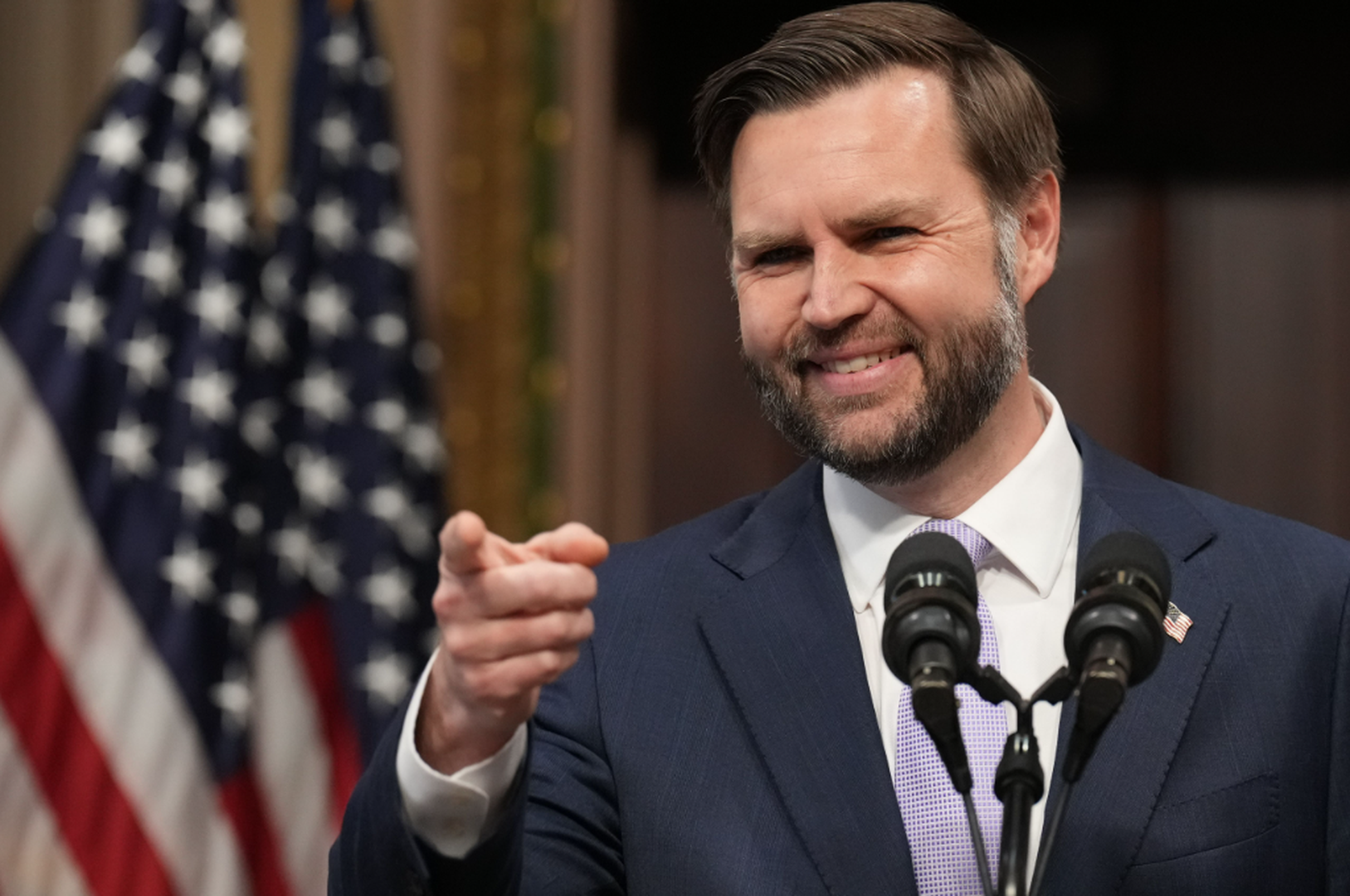
US Vice President JD Vance has announced that negotiations with Iran aimed at ending the protracted conflict are making progress. Speaking to journalists at the White House, Vance emphasized that the fundamental question revolves around achieving sufficient progress to uphold President Donald Trump’s "red line" – ensuring that Iran never acquires nuclear weapons. This declaration comes amidst a fragile ceasefire that has been in place following a period of direct US-Israel bombardments on Iran earlier in the year.

However, the diplomatic path is fraught with challenges, not least due to Iran’s own defiant statements. A prominent Iranian parliamentarian, Ebrahim Resaei, spokesman for the parliamentary committee for national security and foreign policy, openly threatened on the platform X (formerly Twitter) that Iran could enrich uranium to a weapons-grade purity of 90 percent if it faces another attack. He stated that this option would be reviewed in parliament, a clear signal of Tehran’s willingness to escalate its nuclear program in response to perceived threats. The current ceasefire was initiated after the US and Israel launched attacks on Iran on February 28, with the stated objective of preventing the Islamic Republic from developing nuclear weapons.
Adding to the complexity are recent US intelligence assessments, as reported by the New York Times and Washington Post. These reports suggest that despite the earlier bombardments, Iran still retains a significant portion of its missile arsenal. The New York Times indicated that Iran possesses approximately 70 percent of its mobile launchers and about 70 percent of its pre-war missile stocks. The Washington Post cited similar figures, with an unnamed US official reporting around 75 percent of launchers and 70 percent of missiles. Crucially, both outlets highlighted that Iran has largely regained access to most of its underground missile storage facilities, with some damaged missiles reportedly repaired and new ones completed. Of particular concern to some senior officials, according to the New York Times, is Iran’s restored access to its missile positions along the strategically vital Strait of Hormuz, raising fears of renewed disruption to global shipping.
Economic Warfare and Maritime Tensions
The economic dimension of the "Iran War" remains a critical tool in the US strategy to curb Tehran’s influence and nuclear ambitions. The United States has imposed new sanctions on three individuals and nine entities – four based in Hong Kong, four in the United Arab Emirates, and one in Oman – for their alleged role in facilitating the transport of Iranian oil to China. This move by the Treasury Department, announced by Secretary Scott Bessent, is part of an ongoing effort to increase pressure on Tehran and deprive its government and military of funds for weapons, its nuclear program, or support for regional proxies. The sanctions followed similar measures just days prior against individuals and companies accused of aiding Iran in acquiring weapons and components for its drone and ballistic missile manufacturing. These sanctions also come strategically ahead of a planned meeting between President Trump and Chinese President Xi Jinping in Beijing, where Trump is expected to press Xi on the Iran confrontation and the imperative of keeping the Strait of Hormuz open.
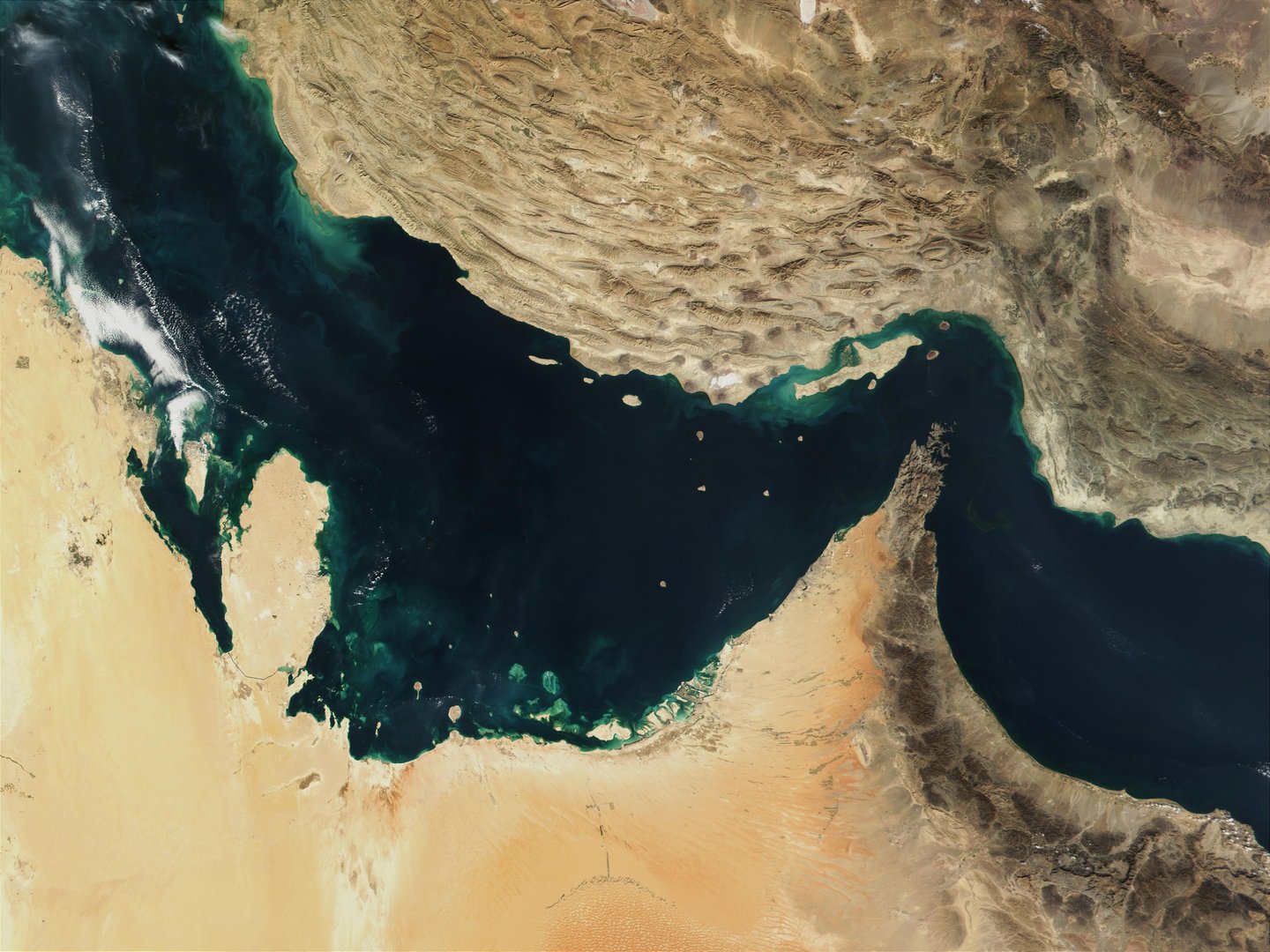
The Strait of Hormuz itself continues to be a focal point of regional tensions. Iran has declared a significant expansion of the area it designates as the Strait of Hormuz, now referring to it as a "vast operational zone." According to Mohammad Akbarsadeh, a senior officer in the Revolutionary Guard Corps (IRGC) Navy, the strategic zone no longer encompasses merely a narrow strip around islands like Hormuz and Hengam, but now stretches from the city of Jask in the east to Siri Island in the west. This marks the second such expansion since the conflict with the US and Israel began, underscoring Iran’s assertion of control over this critical maritime chokepoint. Approximately one-fifth of the world’s crude oil and liquefied natural gas supply typically transits through this waterway, making any Iranian assertion of expanded control or imposition of tolls a major concern for global energy markets. Significantly, the US State Department confirmed that both the US and China agree that no country should levy fees for passage through the Strait, a stance reaffirmed by Secretary of State Marco Rubio and Chinese Foreign Minister Wang Yi in an April phone call, indicating a rare convergence of interests between the two global powers on this issue.
Further illustrating the regional volatility, Kuwait has accused Iran’s Revolutionary Guard Corps of attacking one of its islands. The Kuwaiti Interior Ministry reported that six armed men, acting on behalf of the IRGC, approached the uninhabited Bubiyan Island in a fishing boat approximately two weeks prior. A shootout ensued with Kuwaiti security forces, leading to the escape of two individuals and the arrest of four others. The arrested men reportedly confessed to being IRGC members and operating under orders to conduct "hostile actions" against Kuwait. Bubiyan Island, located in northern Kuwait near the borders with Iraq and just a few kilometers from Iran, is currently a site of significant Chinese investment as part of its Belt and Road Initiative, with plans for a major port development. This incident underscores the potential for regional flashpoints to arise from long-standing sovereignty disputes and the IRGC’s assertive regional posture.
Amidst these tensions, some nations are experiencing an unexpected economic boon. Norway, a major energy producer, anticipates significant additional revenues this year due to the increased energy prices driven by the "Iran War." The Norwegian government projects oil and gas revenues of 721.1 billion Kroner (approximately 70 billion Euros) for 2026, a roughly 30 percent increase from its initial forecast of 557.4 billion Kroner. These windfall earnings are slated to be directed into Norway’s substantial sovereign wealth fund, already the world’s largest at $2.2 trillion. While Norway benefits, its government faces the challenge of managing these additional funds responsibly to avoid exacerbating domestic inflation through excessive demand.

Regional Diplomacy, Alliances, and Domestic Politics
The complex geopolitical landscape is also characterized by a mix of overt and covert diplomatic maneuvers, the strengthening of regional alliances, and significant domestic political challenges for key actors.
Covert Diplomacy and Shifting Alliances
In a striking revelation, the office of Israeli Prime Minister Benjamin Netanyahu confirmed that he undertook a secret visit to the United Arab Emirates (UAE) during the "Iran War," meeting with President Mohammed bin Zayed. This clandestine engagement was described as leading to a "historic breakthrough" in relations between Israel and the UAE, though specific details of the breakthrough were not immediately disclosed. This development builds upon earlier reports of secret visits and official phone calls between the two leaders, highlighting the deepening strategic alignment between Israel and Arab states that share concerns about Iran’s regional ambitions.

Further solidifying this emerging alliance, US Ambassador Mike Huckabee announced that Israel has dispatched its advanced Iron Dome missile defense system, along with operational personnel, to the UAE. This deployment, according to Huckabee, is a direct outcome of the "extraordinary relations" fostered by the Abraham Accords and is intended to protect the UAE from Iranian attacks, which have reportedly increased since the onset of the conflict with the US and Israel on February 28. The provision of such sophisticated defense technology underscores a growing security cooperation network in the region, aimed at countering Iranian influence and missile threats.
Stalled Peace Efforts and Mediation Challenges
Despite the existing ceasefire, a high-ranking envoy from the US President Donald Trump-led "Peace Council," Nikolaj Mladenow, expressed deep pessimism regarding progress in resolving the Gaza conflict. During a visit to Jerusalem, Mladenow stated that "the door to Gaza’s future is still closed" despite the ceasefire that has been in effect since October. He lamented that this outcome is "not what the Palestinians were promised and it is not what they deserve. And it does not give Israel the security to move forward, as the Israelis also want." His remarks underscore the profound and enduring stalemate in the Israeli-Palestinian conflict, even as regional dynamics shift.

Meanwhile, efforts to de-escalate tensions between Israel and Lebanon are underway, with representatives from both historically adversarial nations set to convene for further US-mediated talks in Washington on Thursday and Friday. The US State Department indicated that these discussions aim to advance a "comprehensive peace and security agreement that substantially addresses the central concerns of both countries." Key topics on the agenda include the restoration of Lebanese sovereignty, the precise demarcation of state borders, and the establishment of concrete pathways for humanitarian aid and reconstruction efforts in Lebanon. The identities of the delegates representing each country remained undisclosed at the time of reporting, reflecting the sensitive nature of these discussions.
However, the path to regional mediation is not without its controversies. Influential US Senator Lindsey Graham voiced "outrage" over media reports suggesting that Pakistan might be allowing Iranian aircraft to be stationed at its military bases as part of a mediation effort in the "Iran War." Graham confronted US Defense Secretary Pete Hegseth and Chief of Staff General Dan Caine on the matter in a Senate committee hearing, though neither official would comment on the specific allegations. Graham asserted that if Iranian planes were indeed being stationed on Pakistani bases to protect Iranian military installations, it would indicate that the US should "look for someone else as mediator" and suggested this could be a reason for the stalled negotiations between Washington and Tehran. CBS News, citing unnamed US government officials, had reported that Iran transferred several military aircraft to Pakistan and Afghanistan shortly after President Trump announced the ceasefire in April, with some planes remaining at a military base near Islamabad in anticipation of further peace talks. The Pakistani Foreign Ministry, however, rejected the CBS report as "misleading and sensationalist," clarifying that while some Iranian and US aircraft did arrive in Pakistan to support logistics for peace negotiations in Islamabad, their continued presence was purely in anticipation of future discussions, not for hostile purposes.

Domestic Political Ramifications
The regional turmoil is also having significant reverberations in the domestic political arenas of the involved nations. In Israel, Prime Minister Benjamin Netanyahu’s ruling coalition has initiated steps toward early parliamentary elections by submitting a bill for the dissolution of the Knesset. A preliminary vote on the bill is anticipated next week. With Netanyahu’s four-year term nearing its scheduled end in October, some ultra-Orthodox coalition partners have pressed for an earlier election, potentially in early September. Current opinion polls suggest that the ruling coalition could face a tough battle for re-election, reflecting public sentiment influenced by the ongoing security challenges and economic pressures.
In the United States, the financial and logistical strains of the "Iran War" are becoming a subject of intense scrutiny. Jules Hurst, the Pentagon’s Chief Financial Officer, informed a congressional hearing that the costs incurred by the US for the "Iran War" have escalated to nearly $29 billion, an increase from the $25 billion estimated just two weeks prior. This rise is attributed to updated expenditures for equipment repair and replacement, as well as general operational costs. However, US Defense Secretary Pete Hegseth sought to downplay concerns about depleted US military ammunition and missile stockpiles, which had been raised by Senator Mark Kelly. Hegseth asserted that the US military knows "exactly what we have" and possesses "plenty of what we need," dismissing the debate as