Berlin/Saarbrücken – A simmering debate over Germany’s persistently high electricity costs has intensified, as a promise by Friedrich Merz, leader of the Christian Democratic Union (CDU) and the parliamentary opposition, to lower the electricity tax for all consumers has drawn sharp criticism from within the governing coalition. Anke Rehlinger, the Social Democratic Party (SPD) Minister-President of Saarland, publicly denounced Merz’s pledge as "lip service" and an "empty promise," highlighting the absence of a concrete financing plan.
Merz’s remarks, made at the Christian Social Union (CSU) party conference, signaled a strong intention to reduce the electricity tax next year if his party were in power. However, Rehlinger quickly retorted, emphasizing that while "reducing the electricity tax for everyone is a good way to provide direct relief," such an announcement remains hollow without a clear strategy for funding the substantial revenue loss it would entail for the federal budget. Her criticism, voiced to the "Rheinische Post," underscores the deep political divide on how best to address the financial burden of energy prices on German households and businesses.
The current political landscape sees Merz’s CDU in opposition, while Rehlinger’s SPD is the leading party in the "traffic light" coalition government, alongside the Greens and the Free Democratic Party (FDP). This context is crucial, as Merz’s statement positions the opposition as a champion of broad consumer relief, while Rehninger’s response challenges the feasibility and fiscal responsibility of such a promise without a detailed financial blueprint. The exchange highlights the ongoing struggle to balance energy affordability, climate goals, and sound public finances in Europe’s largest economy.
Chronology of a Contentious Promise
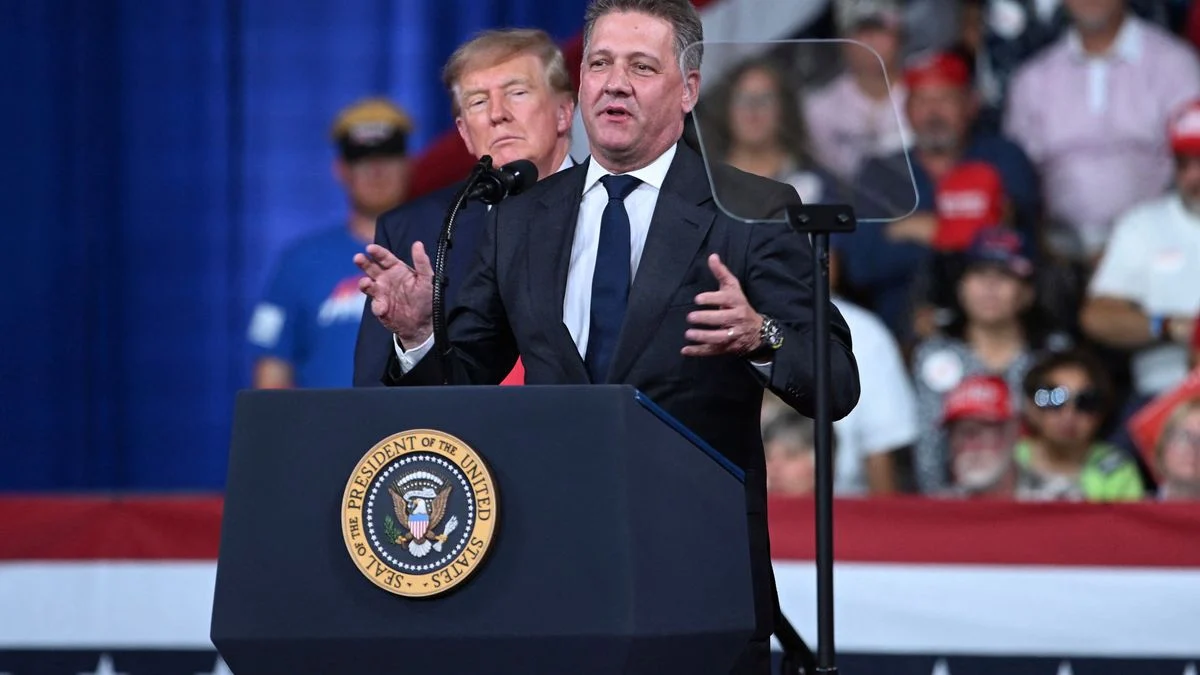
The genesis of the current political spat lies in statements made by Friedrich Merz at the recent CSU party conference. The CSU, the CDU’s Bavarian sister party, convened its delegates for a weekend assembly where energy policy and economic competitiveness were prominent themes. Addressing the party faithful, Merz expressed optimism regarding the potential for an electricity tax reduction.
Weekend of Optimism: At the CSU party conference, held over the past weekend, Friedrich Merz articulated his vision for energy relief. "If it’s possible, and I believe it is, then the electricity tax must come down next year," Merz declared before the assembled delegates. His statement was met with applause, reflecting a widespread desire within conservative ranks and among the broader public for tangible relief from high energy costs. The pledge was framed as a direct response to the economic pressures faced by German households and businesses, aiming to restore competitiveness and alleviate financial strain. This promise resonated with an electorate increasingly concerned about inflation and the rising cost of living, particularly regarding essential utilities like electricity.
Immediate Rebuttal from Saarland: The reaction from Saarland’s Minister-President Anke Rehlinger was swift and unequivocal. Speaking to the "Rheinische Post," the prominent SPD politician wasted no time in dismantling Merz’s proposal, characterizing it as politically expedient but lacking substance. "The reduction of the electricity tax for everyone is a good way to directly provide relief," Rehlinger conceded, acknowledging the inherent appeal of such a measure. However, she quickly pivoted to the critical missing piece: "As long as there is no financing solution, the announcement by the federal chancellor [referring to Merz in the context of his opposition leadership] is an empty promise."
Rehlinger’s choice of words – "Lippenbekenntnis" (lip service) and "leeres Versprechen" (empty promise) – are strong political accusations, designed to question the credibility and seriousness of Merz’s commitment. Her critique is rooted in the practical realities of governing: any significant tax cut requires a corresponding adjustment in public spending or alternative revenue generation. Without such a plan, Rehlinger argues, the promise serves merely as a rhetorical flourish rather than a genuine policy proposal. This immediate pushback underscores the strategic political maneuvering ahead of potential future elections, where energy policy is likely to be a key battleground.
Historical Context: The Grand Coalition’s Unfulfilled Promise: Adding another layer of complexity to the debate is the reference to a past agreement. Both the Union (CDU/CSU) and the SPD, during their time in a grand coalition government (which concluded in 2021), had explicitly agreed in their coalition agreement to "reduce the electricity tax for all as quickly as possible to the European minimum." This commitment, however, remained largely unfulfilled for the general populace.
Under the current "traffic light" coalition government, the reduction of the electricity tax has so far been implemented only for specific sectors: industry, agriculture, and forestry. Private households and other businesses, including small and medium-sized enterprises (SMEs) – often referred to as the backbone of the German economy – have not yet benefited from this reduction. This selective approach has been justified by the government as a means to protect the competitiveness of energy-intensive industries in a challenging global economic environment. However, it has also fueled discontent among private consumers and other businesses who feel overlooked and continue to bear the full brunt of high energy costs. Merz’s promise, therefore, taps into this existing frustration, while Rehlinger’s criticism indirectly defends the current government’s more targeted approach by questioning the fiscal viability of a universal cut.
Supporting Data and Economic Realities
The debate over the electricity tax is not merely a political skirmish; it is deeply rooted in Germany’s economic realities and fiscal constraints. Understanding the current structure of the electricity tax and its implications is crucial for appreciating the arguments put forth by both sides.
The German Electricity Tax Landscape: Germany’s electricity tax is an excise duty levied on electricity consumption. Its primary purpose is to generate revenue for the federal budget, but it also serves as an environmental steering tax, aiming to encourage more efficient energy use and promote renewable energies. The current standard rate for private households and most businesses is 2.05 cents per kilowatt-hour (kWh). For energy-intensive industries, agriculture, and forestry, a significantly reduced rate of 0.05 cents per kWh applies, which is the European Union’s minimum permissible rate. This differential treatment is a contentious point, as it creates a clear disparity between different consumer groups.
Fiscal Implications of a Universal Reduction: Reducing the electricity tax for all consumers to the EU minimum of 0.05 cents per kWh, as Merz proposes, would entail a substantial loss of revenue for the federal government. Estimates vary, but such a measure could cost the federal budget several billion euros annually, potentially in the range of €10-15 billion, depending on total consumption and the precise implementation. This revenue is currently used to fund various public services and investments, including parts of the energy transition (Energiewende) itself.
Rehlinger’s core argument about the lack of a "financing solution" directly addresses this fiscal challenge. Where would these billions come from? Would it necessitate cuts in other areas of public spending, an increase in other taxes, or a willingness to incur more debt? These are fundamental questions that Merz’s proposal, at this stage, leaves unanswered. The FDP, a junior partner in the current coalition, generally favors tax cuts but is also a staunch advocate for fiscal discipline, making a universal cut a complex issue even within the governing alliance.
Economic Impact: Relief vs. Sustainability: Proponents of a universal electricity tax reduction argue that it would provide much-needed relief to households struggling with inflation and boost the competitiveness of small and medium-sized businesses. High electricity prices are a significant cost factor, particularly for energy-intensive sectors, but also for countless SMEs that do not qualify for the industrial rate. Lowering the tax could stimulate consumption, encourage investment, and ultimately contribute to economic growth.
However, critics, like Rehlinger, often point to the potential sustainability implications. The electricity tax, while a burden, contributes to the financing of Germany’s ambitious energy transition. A significant reduction without alternative funding mechanisms could jeopardize investments in renewable energy infrastructure, grid modernization, or energy efficiency programs. Moreover, some economists argue that broad, untargeted tax cuts can be less effective than specific support measures for vulnerable groups or strategic industries, as they may disproportionately benefit higher-income households.
The Energy Price Crisis and its Roots: Germany has faced exceptionally high energy prices in recent years, largely due to the geopolitical fallout from Russia’s war in Ukraine, which disrupted gas supplies and drove up wholesale electricity prices. Furthermore, the costs associated with Germany’s "Energiewende" – the transition to renewable energy – are also reflected in electricity bills, through various levies and surcharges designed to fund renewable energy expansion and grid stability. While some of these surcharges have been reformed or abolished, the underlying cost structure remains high. The political debate thus centers on how to mitigate these costs without undermining long-term energy policy goals or fiscal stability.
Official Responses and Broader Political Context
The exchange between Merz and Rehlinger is not an isolated incident but rather a microcosm of the broader political discourse surrounding energy policy and economic relief in Germany. While direct responses from other key figures were not immediately detailed in the source, we can infer the positions of various political actors based on their known stances and the dynamics of the current "traffic light" coalition.
The Opposition’s Stance (CDU/CSU): Friedrich Merz’s promise aligns perfectly with the CDU/CSU’s strategy as the leading opposition bloc. By advocating for a universal reduction in the electricity tax, the Union positions itself as the champion of the "common man" and the beleaguered Mittelstand (SMEs) – traditional voter bases. This move seeks to contrast their approach with that of the current government, which has been criticized for its perceived complexity in energy policy and its targeted relief measures. The Union’s narrative is one of simplicity and broad-based relief, aiming to demonstrate a clear alternative for voters grappling with economic anxieties. Merz’s confident assertion that a reduction "can" be achieved also implies a critique of the current government’s perceived inaction or inability to deliver such relief.
The Government’s Response (SPD, Greens, FDP):
- SPD (Anke Rehlinger’s Position): Rehlinger’s strong rebuttal reflects the SPD’s emphasis on fiscal responsibility and the need for concrete, financed solutions. While the SPD also advocates for energy affordability, their approach often leans towards targeted support for those most in need, alongside maintaining the stability of public finances. Her criticism of Merz’s "empty promise" underscores the government’s challenge to implement relief measures while navigating budget constraints and the ambitious goals of the Energiewende.
- The Greens: As a key partner in the coalition, the Greens prioritize climate protection and the expansion of renewable energies. While they acknowledge the need for energy affordability, they would likely be wary of any measure that could undermine the financing of the Energiewende or lead to increased fossil fuel consumption. They might argue for alternative relief mechanisms that are more environmentally friendly or socially targeted. A universal tax cut, if unfunded, would likely face strong resistance from the Green party.
- The FDP: The Free Democrats, traditionally advocates for tax cuts and fiscal discipline, find themselves in a complex position. While they would generally support lowering taxes, their commitment to the "debt brake" (Schuldenbremse) and balanced budgets means they would demand a clear and credible financing plan for any significant tax reduction. Finance Minister Christian Lindner (FDP) has consistently emphasized fiscal prudence. Therefore, while ideologically aligned with the idea of tax relief, the FDP would likely echo Rehlinger’s demand for a concrete funding strategy, making a universal, unfunded cut a difficult proposition for the current government.
The European Dimension: The reference to the "European minimum" electricity tax rate is significant. Germany’s current rate for most consumers is substantially higher than this minimum. The EU allows member states flexibility in setting their energy tax rates, but there are floor levels. Bringing Germany’s rate down to the EU minimum would align it with other European countries that have lower electricity taxes, potentially enhancing Germany’s industrial competitiveness within the single market. However, such a move would also represent a significant departure from Germany’s traditional approach of using energy taxes for revenue generation and environmental steering.
Implications for German Politics and Economy
The debate over the electricity tax is more than just a squabble over numbers; it carries significant implications for Germany’s political landscape, economic trajectory, and future energy policy.
Political Ramifications:
- Election Campaign Prelude: This exchange can be seen as an early skirmish in the run-up to future federal elections. Energy costs are a top concern for voters, and both the opposition and the government are keen to present themselves as capable of providing solutions. Merz’s promise aims to draw a clear distinction with the current government’s approach, while Rehlinger’s criticism seeks to expose potential weaknesses in the opposition’s platform.
- Trust and Credibility: The ability of politicians to deliver on promises, especially concerning economic relief, is crucial for public trust. Rehlinger’s accusation of "empty promises" directly challenges Merz’s credibility and the seriousness of his policy proposals. Conversely, if the current government struggles to provide tangible relief, its own credibility could be undermined.
- Inter-Party Dynamics: The debate highlights the ongoing tensions within the "traffic light" coalition regarding fiscal policy and the pace of energy transition, as well as the clear opposition between the CDU/CSU and the governing parties. It will likely shape future coalition negotiations and legislative debates on economic and energy issues.
Economic Outlook:
- Consumer and Business Confidence: High energy costs continue to weigh on consumer spending and business investment. A credible plan for reducing these costs, whether through tax cuts or other mechanisms, could boost confidence. Conversely, prolonged uncertainty and political bickering could exacerbate economic anxieties.
- Competitiveness of German Industry: While some large industries already benefit from reduced electricity taxes, many SMEs and other businesses still face high costs. A universal reduction could improve their competitiveness, especially in an international context. However, the fiscal impact of such a measure needs careful consideration to avoid creating new economic challenges.
- Inflationary Pressures: While lowering electricity taxes could directly reduce electricity bills, its broader impact on inflation is complex. It could provide some disinflationary pressure, but if unfunded, it could also contribute to inflationary pressures if financed through debt or money creation.
Future of German Energy Policy:
- Balancing Act: The debate underscores the persistent challenge of balancing energy affordability, climate protection goals (Energiewende), and fiscal sustainability. Germany is committed to phasing out fossil fuels and expanding renewable energy, which requires massive investment. How these investments are financed, and how the burden is distributed, remains a central question.
- Targeted vs. Universal Relief: The discussion reignites the debate over whether targeted relief measures (e.g., for specific industries or low-income households) are more effective and fiscally responsible than universal tax cuts. Each approach has its merits and drawbacks, and the political preference often depends on ideological leanings and perceived economic priorities.
- Long-term Strategy: Ultimately, this debate prompts a broader reflection on Germany’s long-term energy strategy. Beyond short-term relief, questions about grid infrastructure, energy storage, hydrogen development, and the overall cost structure of the Energiewende will continue to dominate the political agenda. The electricity tax debate is but one facet of this larger, intricate challenge facing Germany.
In conclusion, Friedrich Merz’s promise to reduce the electricity tax for all has ignited a significant political discussion, exposing the fault lines in Germany’s approach to energy policy and economic relief. While the appeal of lower energy costs is undeniable, Minister-President Anke Rehlinger’s pointed criticism highlights the crucial need for concrete financing plans and a pragmatic understanding of the fiscal realities involved. As Germany navigates a complex economic and geopolitical landscape, the path forward for energy affordability will likely remain a central, and highly contested, battleground in its political discourse.