Britain Under New Leadership: Prime Minister Burnham Unveils Cabinet Reshuffle, Signalling a Shift in Government Direction
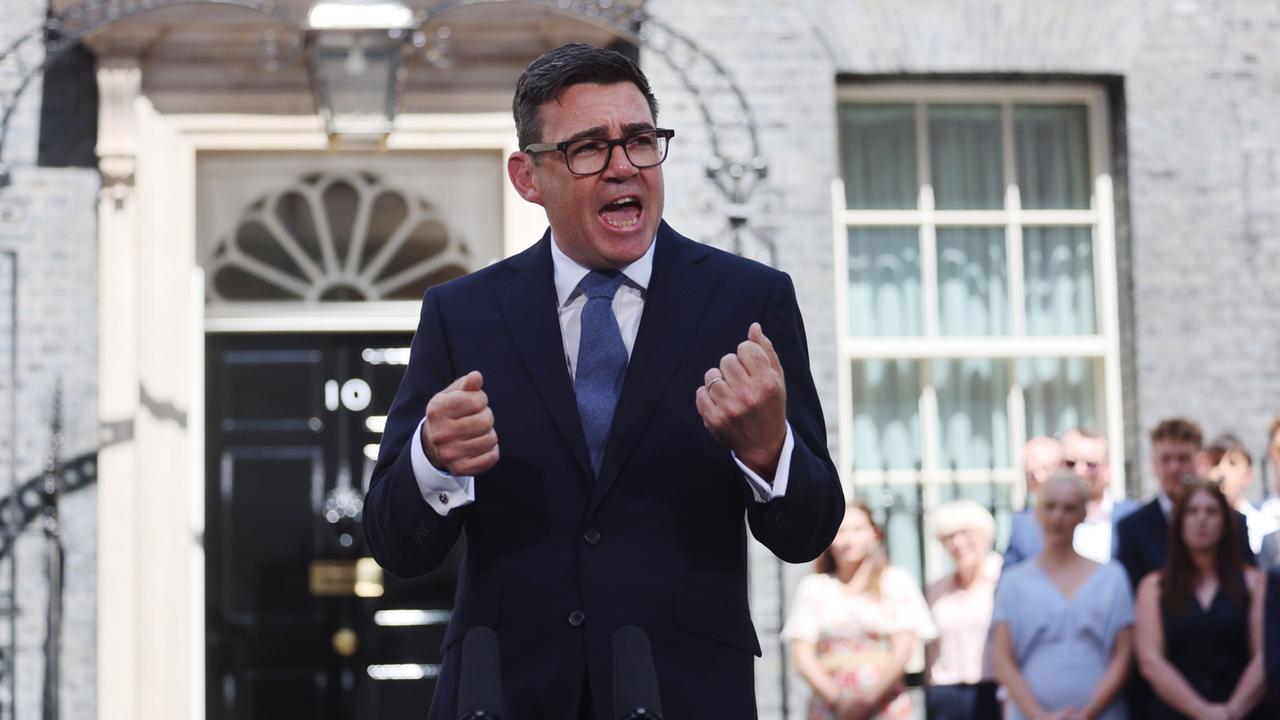
London, UK – July 21, 2026 – In the immediate aftermath of his ascension to the highest office, British Prime Minister Andy Burnham has moved swiftly to reshape his cabinet, appointing key figures to crucial ministerial roles. This significant reshuffling sees several prominent allies of his predecessor, Keir Starmer, depart from their positions, while unexpected appointments signal a distinct new direction for the Labour government. The changes, announced earlier today, are being closely scrutinized for their potential impact on domestic and international policy.
The New Guard: Burnham’s Strategic Cabinet Appointments
Prime Minister Andy Burnham has initiated a comprehensive overhaul of his cabinet following his appointment as the United Kingdom’s new leader. The move signifies a decisive break from the previous administration and introduces a fresh slate of ministers tasked with steering the nation through its current challenges. The appointments reflect Burnham’s strategic vision and his commitment to consolidating his authority within the party and the government.
The most striking appointment is that of John Healey, formerly the Secretary of State for Defence, to the pivotal role of Chancellor of the Exchequer. This decision comes as a surprise to many political observers, as Healey had recently resigned from his defence portfolio over disagreements concerning funding proposals for his department. His return to a senior cabinet position, particularly to lead the Treasury, underscores Burnham’s trust in his fiscal acumen and his willingness to bring back experienced hands who have demonstrated conviction. Healey replaces Rachel Reeves, a staunch supporter of the former Prime Minister, whose departure from the Treasury marks the end of an era for that department. Reeves’ exit is seen as a clear indication of Burnham’s desire to establish his own economic agenda, independent of his predecessor’s legacy.
Adding another significant surprise to the new cabinet is the appointment of Ed Miliband as the Secretary of State for Foreign Affairs. Miliband, a former leader of the Labour Party, had been serving as the Minister for Energy Security. His elevation to the Foreign Office is a testament to Burnham’s recognition of Miliband’s extensive experience in national and international affairs and his ability to articulate complex policy positions. This move replaces Yvette Cooper, who has been reassigned to the critical Secretary of State for Health and Social Care portfolio. Cooper’s tenure at the Foreign Office was characterized by a focus on strengthening alliances, and her transition to health will undoubtedly be a key area to watch as the government tackles pressing healthcare reforms.
Further solidifying the new administration’s leadership team, Shabana Mahmood will continue in her role as the Secretary of State for the Home Department, a position she has held with considerable stability. Her continued presence at the Home Office suggests Burnham’s confidence in her ability to manage the nation’s internal security and immigration policies.
In a strategic realignment of defence responsibilities, Wes Streeting, the former Secretary of State for Health, has been appointed as the new Secretary of State for Defence. This move signals a potential recalibration of defence priorities and resource allocation, with Streeting expected to bring a fresh perspective to the role. His predecessor, Healey, is now poised to exert significant influence over the nation’s economic direction.
The reshuffling extends to other key departments:
- Alex Norris takes on the challenging role of Secretary of State for Justice.
- Angela Eagle has been appointed as the Secretary of State for Environment, Food and Rural Affairs.
- Miatta Fahnbulleh is the new Secretary of State for Energy Security and Net Zero, a critical role in the face of evolving energy challenges.
- Angela Rayner assumes the crucial position of Secretary of State for Housing.
- Jonathan Reynolds is appointed as the Secretary of State for Business and Trade.
- Lucy Powell will serve as the Secretary of State for Education.
In addition to these ministerial appointments, Anneliese Midgley has been named the Chief Whip, a vital role in maintaining party discipline and coordinating parliamentary strategy. Lisa Nandy retains her position as the Secretary of State for Culture, Media and Sport, providing continuity in this influential sector.
A Strategic Departure: Key Figures Out of Cabinet
The formation of Prime Minister Burnham’s cabinet has also been marked by the conspicuous absence of several figures closely associated with the former Prime Minister, Keir Starmer. This strategic pruning of Starmer’s loyalists from senior positions underscores Burnham’s intent to forge his own path and assert his leadership.
Notably, David Lammy, who served as the Deputy Prime Minister and Secretary of State for Justice under Starmer, has been removed from the cabinet. His departure signifies a significant shift in the government’s senior leadership, and his absence will be felt in the justice and constitutional affairs portfolios. Similarly, Rachel Reeves, the former Chancellor of the Exchequer, has also been asked to step down. Her tenure at the Treasury was characterized by a focus on fiscal responsibility and economic stability, and her exit suggests a divergence in economic philosophy between Burnham and his predecessor’s closest advisors.
The departures of Lammy and Reeves, along with other figures who were instrumental during Starmer’s leadership, indicate a deliberate move by Burnham to assemble a team that aligns more closely with his personal vision and political priorities. This consolidation of power is a common characteristic of new leadership, aimed at ensuring loyalty and a unified approach to governance.
Chronology of the Transition
The events leading to Prime Minister Burnham’s cabinet reshuffle unfolded rapidly, marking a significant period of political transition in the United Kingdom.
- Early July 2026: Following a period of intense political maneuvering and internal party discussions, Andy Burnham emerges as the new leader of the Labour Party, securing the mandate to form a government. This succession followed the resignation of Keir Starmer, citing personal reasons and a desire for new leadership.
- July 20, 2026: Her Majesty The Queen formally invites Andy Burnham to form a government at Buckingham Palace. This constitutional step marks the official commencement of his premiership.
- July 20, 2026 (Evening): Initial reports emerge of extensive consultations and discussions within the Labour Party regarding the formation of the new cabinet. Rumors of significant shifts in key ministerial roles begin to circulate among political journalists and commentators.
- July 21, 2026 (Morning): Prime Minister Andy Burnham officially announces the composition of his new cabinet. Key appointments, including the Chancellor of the Exchequer and Foreign Secretary, are confirmed, alongside a significant number of other ministerial changes. The scale of the reshuffling, particularly the departure of several Starmer loyalists, generates immediate widespread media attention and analysis.
- July 21, 2026 (Midday): The newly appointed ministers begin to issue statements and attend engagements, outlining their initial priorities and signalling their departmental agendas. Political analysts commence their detailed assessments of the new cabinet’s composition and its implications for the government’s policy direction.
Supporting Data and Context
The current political landscape in the United Kingdom presents a complex backdrop against which Prime Minister Burnham’s cabinet appointments will be tested. The nation is navigating ongoing economic challenges, including inflationary pressures and the need for sustained economic growth. The recent resignation of the former Defence Secretary, John Healey, over funding disputes, highlights the delicate balance required between departmental needs and fiscal prudence. Healey’s return to a senior economic role suggests Burnham’s commitment to addressing these fiscal concerns with a pragmatic and experienced hand.
Furthermore, the international stage demands a robust and coherent foreign policy. The appointment of Ed Miliband, a figure with considerable experience in international diplomacy and a history of engaging with global leaders, to the Foreign Office signals a focus on strengthening the UK’s position on the world stage. His predecessor, Yvette Cooper, leaves behind a legacy of focused engagement on key geopolitical issues.
The domestic agenda is equally pressing, with significant challenges in healthcare, education, and housing. The reassignments of Wes Streeting to Defence and Yvette Cooper to Health, alongside new appointments in Justice, Education, and Housing, indicate that these areas will be central to the government’s immediate policy focus. The retention of Shabana Mahmood at the Home Office provides a degree of stability in a department responsible for national security and law enforcement.
Official Responses and Reactions
The initial reactions to Prime Minister Burnham’s cabinet appointments have been varied, reflecting the diverse political spectrum and the inherent subjectivity of such assessments.
Government Spokesperson: A spokesperson for the Prime Minister’s office stated, "Prime Minister Burnham has assembled a talented and experienced team of ministers who are ready to deliver on the priorities of the British people. This cabinet represents a blend of seasoned expertise and fresh perspectives, united by a common purpose to build a stronger, fairer, and more prosperous United Kingdom. We are confident that this team has the vision and the capability to meet the challenges ahead and to seize the opportunities for our nation."
Opposition Parties: The Conservative Party, now in opposition, has responded with a mix of criticism and cautious observation. A senior Conservative source commented, "While we welcome the change in leadership, the composition of this new cabinet raises questions about the government’s priorities and its ability to deliver on the pressing issues facing the country. We will be scrutinizing their every move and holding them accountable to the promises they make." The Liberal Democrats have similarly indicated a focus on key policy areas, particularly in relation to public services and economic management, stating they will offer constructive opposition where possible.
Political Analysts: Independent political analysts have widely noted the significance of Burnham’s strategic decisions. Dr. Eleanor Vance, a political scientist at the London School of Economics, observed, "This is a clear statement of intent from Prime Minister Burnham. The departure of several key figures from the previous leadership, coupled with the elevation of Ed Miliband and the surprise return of John Healey to the Treasury, suggests a deliberate pivot. The success of this new administration will hinge on its ability to unify the party, articulate a clear policy agenda, and deliver tangible results for the British public."
International Diplomats: While official government statements from abroad are typically measured, diplomatic circles are abuzz with discussions about the implications of the new appointments. The elevation of Miliband to the Foreign Office is seen as potentially signaling a renewed emphasis on multilateralism and strengthened relationships with European allies, although concrete policy shifts will take time to emerge.
Implications and Future Outlook
The formation of Prime Minister Andy Burnham’s cabinet is more than just a routine reshuffling; it signifies a potential turning point for the Labour government and, by extension, for the United Kingdom. The departure of several long-standing figures associated with Keir Starmer’s leadership and the elevation of new voices and experienced individuals suggest a concerted effort to establish a distinct identity and policy agenda.
The most immediate implications revolve around the economic direction of the country. With John Healey at the Treasury, the government’s fiscal policies will be under intense scrutiny. His past disagreements over departmental funding indicate a potential for a more assertive stance on public expenditure and revenue generation, but also a commitment to fiscal responsibility. The success of his tenure will be critical in addressing inflationary concerns and fostering sustainable economic growth.
On the international front, Ed Miliband’s appointment as Foreign Secretary could usher in a new era of diplomatic engagement. His known commitment to international cooperation and his extensive network of contacts suggest a potential for a more proactive and engaged foreign policy. The nature of his approach to existing geopolitical challenges and new emerging threats will be a key area to monitor.
Domestically, the appointments in Health, Education, and Housing signal that these are likely to be front-line policy areas for the Burnham government. The challenges within the National Health Service, the ongoing debate over educational standards, and the persistent housing crisis require bold solutions. The effectiveness of the ministers appointed to these portfolios will have a direct impact on the daily lives of millions of Britons.
The coming months will be crucial for Prime Minister Burnham and his new cabinet. They must not only navigate the complex domestic and international landscape but also demonstrate to the public that their new direction is one of competence, vision, and tangible progress. The unity of the Labour party, the effectiveness of their policy implementation, and their ability to communicate their successes will all play a significant role in shaping the political future of the United Kingdom under this new leadership.