The Silent Cathedral: A City Confronts Its Darkest Chapter
The air inside the Zwickau Cathedral on this Wednesday afternoon was heavy, not just with the chill of the stone walls, but with the weight of unresolved history. Fifteen years have passed since the "National Socialist Underground" (NSU) terror cell—a trio consisting of Beate Zschäpe, Uwe Mundlos, and Uwe Böhnhardt—revealed its existence to the world through a trail of fire, smoke, and cold-blooded murder.
Mandy Boulgarides stood at the lectern, her voice echoing through the nave. She spoke not of statistics or legal proceedings, but of her father, Theodoros Boulgarides, an honest businessman in Munich whose life was snuffed out in 2005. Her testimony served as a poignant reminder that behind the bureaucratic labels of "NSU terror" lie ten distinct human beings, their families, and a void that fifteen years of investigation and public discourse have failed to fill.
The Chronology of Terror and Concealment
The story of the NSU is not merely one of violence, but of a systemic failure to recognize the nature of that violence. For years, the trio lived in Zwickau, a city in Saxony that served as their operational base. From apartments on Polenzstraße and later Frühlingsstraße, they coordinated a decade of hate.
Key Milestones of the NSU’s Path:
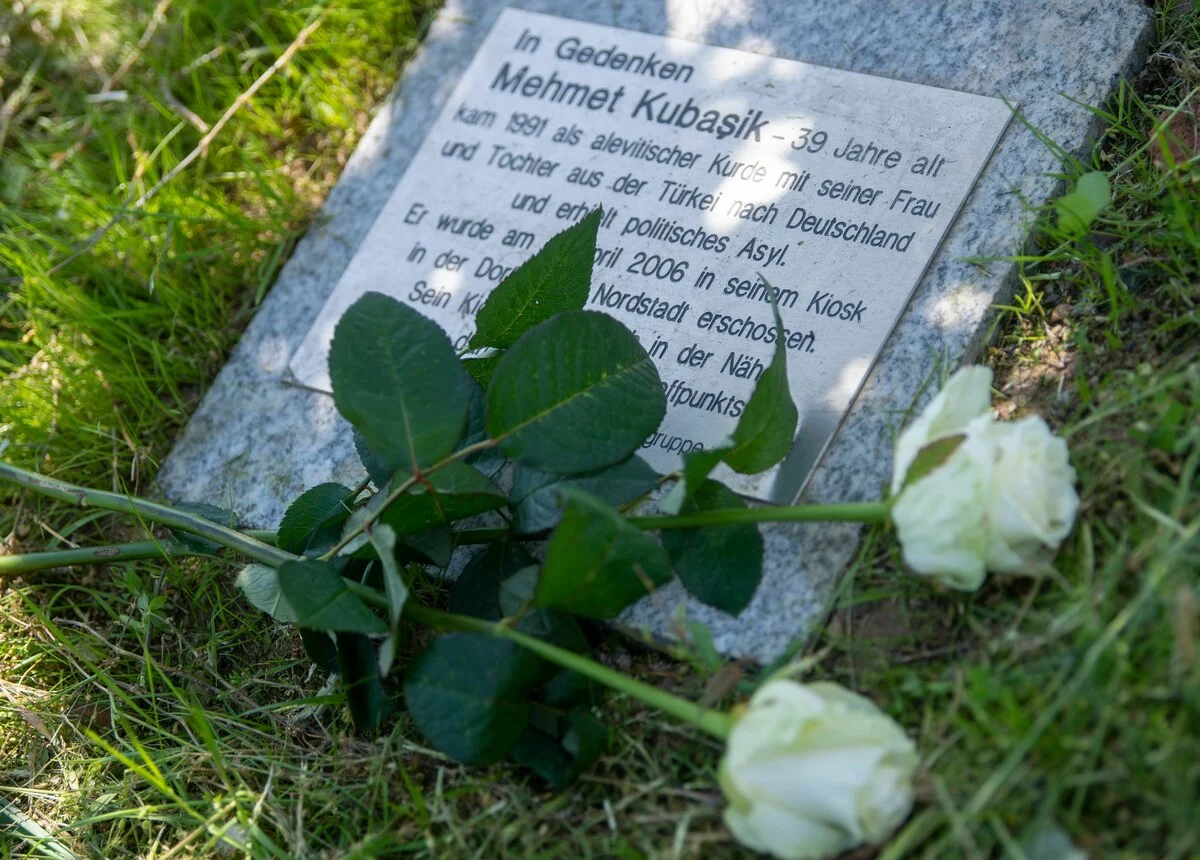
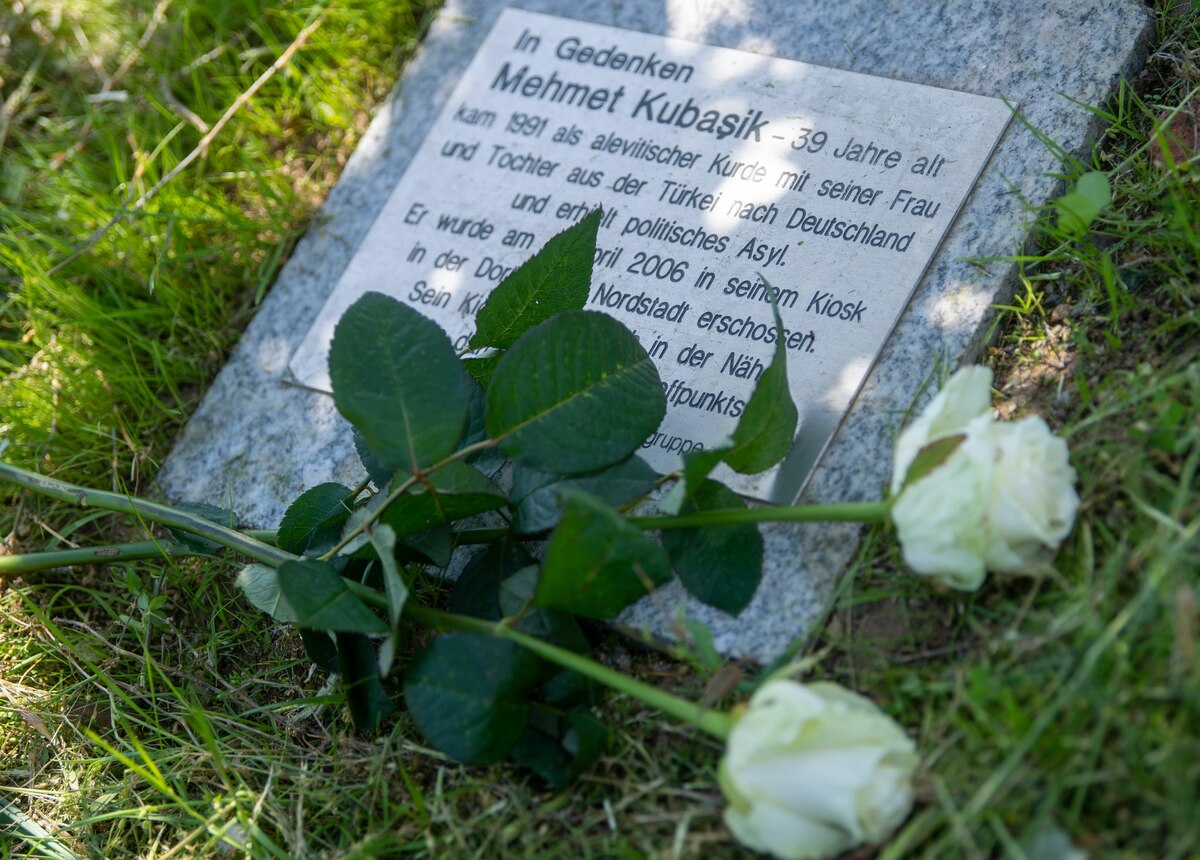
- 2000–2007: The group commits a series of murders targeting individuals of immigrant descent, including Enver Şimşek, Abdurrahim Özüdoğru, Süleyman Taşköprü, Habil Kılıç, Mehmet Turgut, İsmail Yaşar, Mehmet Kubaşık, Halit Yozgat, and police officer Michèle Kiesewetter.
- The "Other" Victims: During this period, the German authorities—specifically police and intelligence agencies—pursued the "Döner-morde" (kebab murders) theory, focusing on the victims and their families as potential criminals, while ignoring the obvious right-wing extremist motive.
- November 4, 2011: The date of "Self-Exposure." After a botched bank robbery in Eisenach, Uwe Mundlos and Uwe Böhnhardt were found dead in a camper van. Hours later, Beate Zschäpe set fire to the group’s final hideout on Frühlingsstraße in Zwickau, attempting to incinerate the evidence of their crimes before turning herself in.
The "Underground" Myth vs. Reality
A central theme of the 15th-anniversary commemoration was the debunking of the group’s chosen name. They were not, as the name "National Socialist Underground" suggests, operating in a vacuum or a deep-state bunker. They were neighbors.
During a walking tour organized by the "Dokumentationszentrum Offener Prozess," participants gathered on the sidewalk of Polenzstraße. For years, the trio lived there, maintaining normal social interactions, engaging with neighbors, and even enjoying holiday acquaintances. This revelation is perhaps the most chilling aspect of the NSU’s legacy: the banality of their evil. They were able to hide in plain sight, supported by a network of sympathizers whose full extent remains a subject of intense scrutiny and, for many, deep frustration.
Supporting Data and Unanswered Questions
Despite the passage of a decade and a half, the families of the victims remain dissatisfied with the depth of the official investigation. During the memorial, flyers were distributed among the pews outlining eight core demands. Among them:
- Comprehensive Support: Sustainable, trauma-informed, and non-bureaucratic support for the victims’ families.
- Uncovering the Network: A demand for the continued investigation and indictment of all facilitators, supporters, and sympathizers who enabled the NSU to remain active for so long.
The suspicion that the NSU was not merely a trio, but the tip of a much larger, state-tolerated, or state-infiltrated network, continues to fuel critical inquiries. The fact that the police investigations initially targeted the families of the victims rather than the perpetrators is viewed by many as a form of "secondary victimization," an institutional failure that has left scars almost as deep as the murders themselves.
Official Responses: The Admission of Institutional Failure
The presence of federal and state representatives at the Zwickau commemoration marked a shift from previous years. Sebastian Wüste, State Secretary in the Federal Ministry of the Interior, offered a somber acknowledgment of past mistakes.

"The security authorities investigated in many directions, but not in the right one," Wüste conceded. This admission, while necessary, provides little solace to those who spent years under the suspicion of the state while the true murderers lived quietly in their midst. The absence of top-level ministers at the event was noted by critics, who argued that the gravity of the NSU’s crimes warrants the highest level of political accountability and presence.
An "Umkämpftes Gedenken": The Battle for Memory
In Zwickau, the act of remembering has been a long and contentious struggle. The city’s efforts to memorialize the victims have frequently met with resistance from local right-wing elements.
In 2016, memorial benches dedicated to the victims were defaced, sawn through, and stolen. A tree planted in 2019 in memory of Enver Şimşek was cut down by vandals just weeks after it was placed in the ground. The current "Gedenkhain" (memorial grove) near the Schwanenteich—a site where ten trees now stand for the victims—is a testament to persistence.

However, even the creation of this site was marred by initial errors, such as the misspelling of victims’ names, and political provocations, such as the deposition of a wreath by the far-right AfD party, which led to significant public outcry. Today, the trees are under police protection, a grim necessity that highlights the ongoing tension between the city’s past and its present.
Implications: The Legacy of the NSU Today
The 15-year anniversary is more than a date on a calendar; it is a barometer of German society’s relationship with its right-wing extremist fringe. The persistence of the "Dokumentationszentrum Offener Prozess" and their efforts to educate the public through guided tours of the perpetrators’ former residences signifies a refusal to allow the city of Zwickau to be defined by its association with the NSU.
The implications for the German justice system and security apparatus are profound. The NSU case forced a structural overhaul of how state agencies handle hate crimes. Yet, as recent reports and ongoing investigative committee efforts—such as those in Hamburg—suggest, the culture of silence and the reluctance to fully expose networks of support remain significant hurdles.

Conclusion: A Minute of Silence
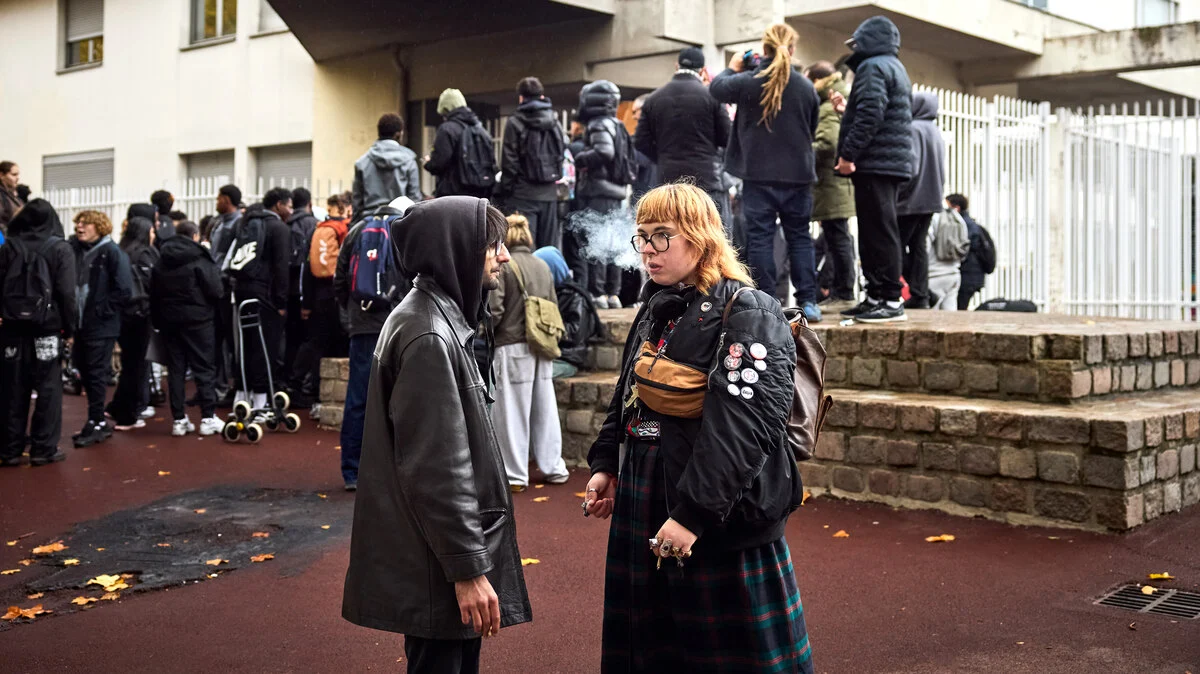
As the sun set, the memorial participants walked from the cathedral to the memorial grove at the Schwanenteich. In the darkness, the group of roughly one hundred people formed a semicircle. They spoke the names of the ten victims aloud, one by one—a rhythmic, haunting recitation that broke the silence of the park.
Then came the minute of silence. In that minute, the leaves of the young trees, already turning in the autumn wind, seemed to stand as the only witnesses to a tragedy that continues to demand justice. The NSU may have been dismantled, but the work of acknowledging the full breadth of their crimes, and the failure of the state to stop them sooner, remains a work in progress. For the families, the struggle for truth is not a historical project—it is a daily reality, and one that they show no intention of abandoning until every question is answered and every facilitator is brought to light.