The political landscape in Spain has been plunged into a state of high-stakes volatility following a catastrophic high-speed rail collision that claimed the lives of 69 people and left dozens more injured. In the immediate aftermath of the tragedy, Spanish Minister of Transport Óscar Puente announced his resignation, a move that the government of Prime Minister Pedro Sánchez has framed as a necessary act of accountability. As the nation grapples with the scale of the loss, the incident has fundamentally altered the trajectory of the upcoming general elections, forcing a pivot from a campaign of "love and unity" to a defensive battle for political survival.
The Tragedy and Its Immediate Aftermath
The collision, which occurred on a high-speed line between Madrid and Seville, has been described as one of the most significant transport disasters in modern Spanish history. While preliminary reports suggest a combination of a localized computer system failure and subsequent human error in the railway control center, the sheer scale of the casualty count has shocked the nation.
For Prime Minister Sánchez, the timing could not have been more damaging. Prior to the crash, his socialist party (PSOE) had been running a meticulously crafted campaign. Under the slogan "The Power of Love," Sánchez had attempted to shift the national discourse away from the polarization exacerbated by right-wing rhetoric and legal challenges against his wife, which the administration has characterized as politically motivated harassment. The "Power of Love" campaign was designed to mobilize the progressive base and neutralize the aggressive tactics of the conservative Partido Popular (PP) and the far-right Vox party.
However, the reality of the railway disaster rendered the abstract messaging of the campaign tone-deaf overnight. The transition from campaigning to crisis management was abrupt, with the administration forced to set aside its manifesto to address a national trauma.
Chronology of the Crisis
The unfolding of events follows a grim timeline that has paralyzed the Spanish government:
- The Incident: A high-speed train, operating on a primary artery, collided with another vessel after a critical failure in the signaling and control infrastructure.
- The Shock: Initial reports of the derailment were followed by hours of uncertainty, during which the death toll climbed steadily to 69.
- Public Outcry: As information surfaced regarding known systemic risks and maintenance concerns on the line, public anger mounted, directed specifically at the Ministry of Transport.
- The Resignation: Recognizing the gravity of the situation and the political firestorm, Minister Óscar Puente submitted his resignation. This was not merely an admission of personal failure, but a tactical maneuver to insulate the Prime Minister from the burgeoning scandal.
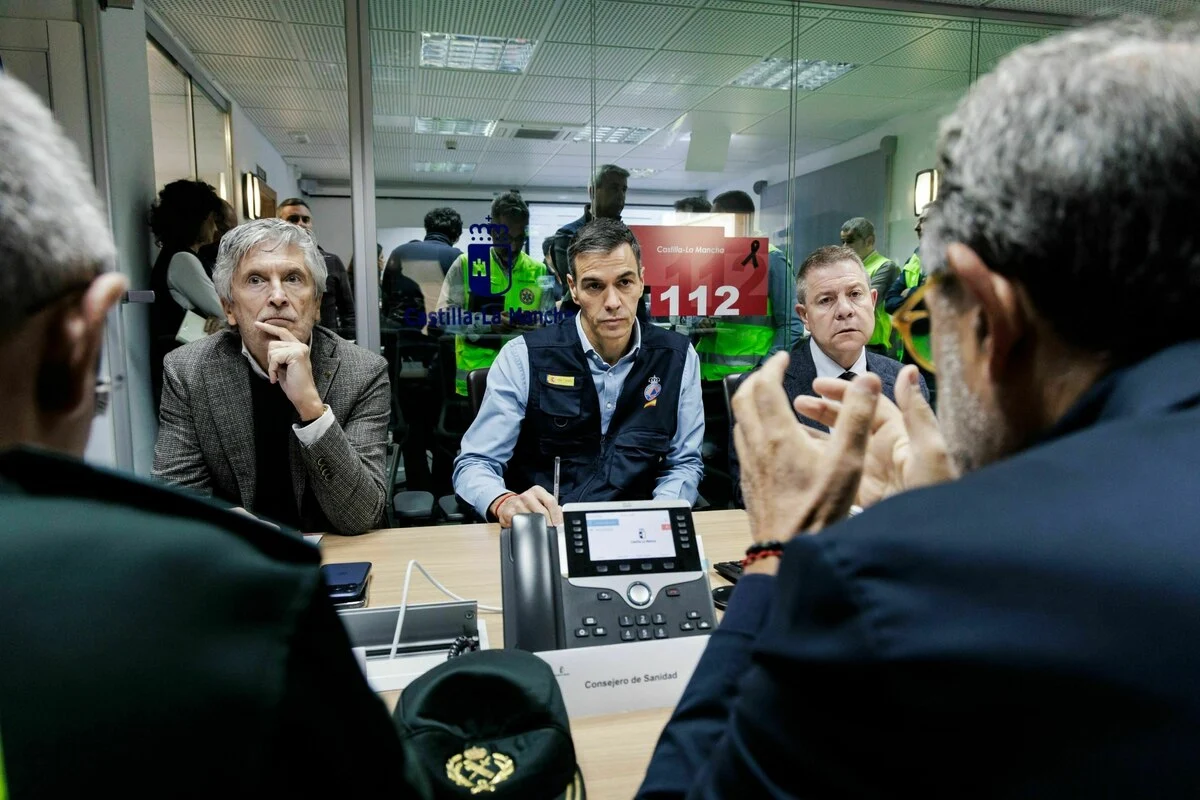
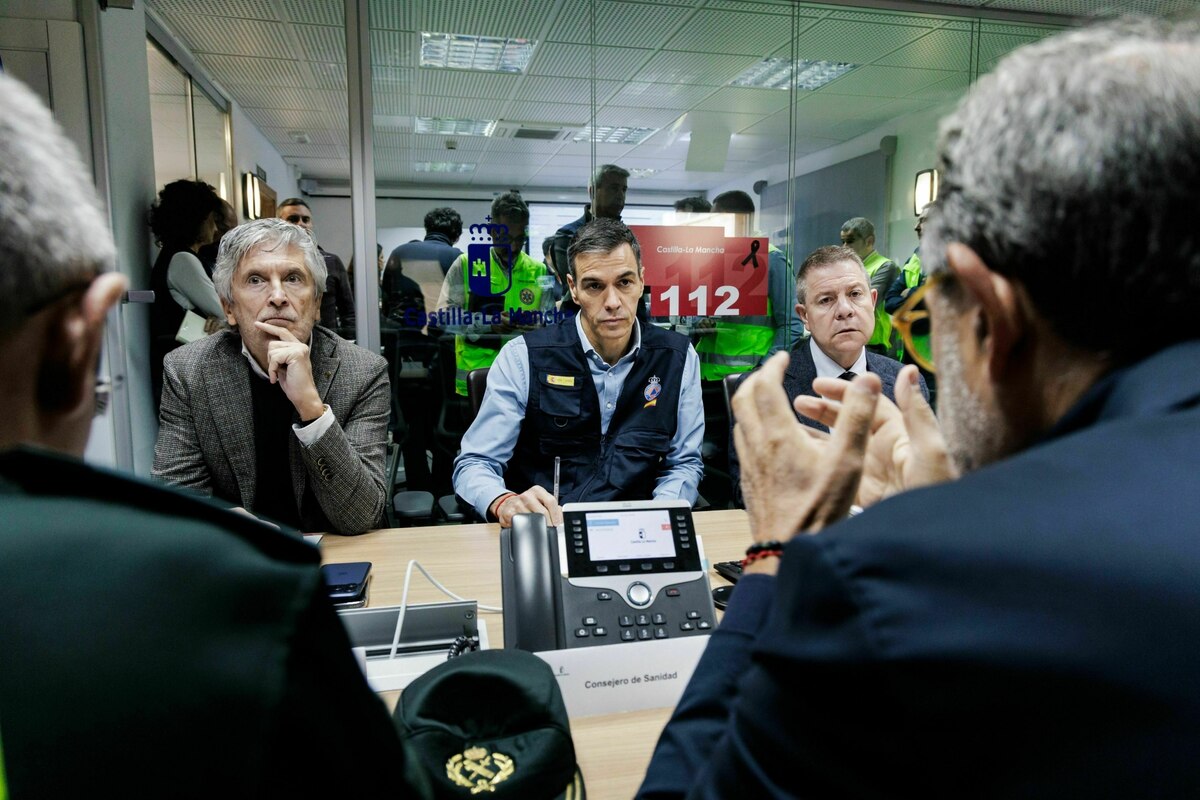
- The Pivot: Prime Minister Sánchez immediately attended the Integrated Operational Coordination Center (CECOPI) to oversee the response, shifting the government’s image from a campaigning entity to a state-focused, responsive administration.
Supporting Data and Systemic Failures
The investigation into the disaster has revealed that the crash was not an isolated freak accident. Technical analysis indicates that a breakdown in the computer systems managing the Madrid-Seville line occurred first, leading to a cascade of errors. When the automated systems failed, the intervention by the control center was described as inadequate.

Reports from transport experts have suggested that the risks on this specific line had been identified in previous audits, yet the pace of addressing these infrastructure gaps was deemed insufficient. Critics argue that the prioritization of high-speed expansion may have come at the expense of upgrading existing safety protocols. The opposition has seized upon these revelations, arguing that the government’s focus on flashy infrastructure projects masked a neglect of the "bread and butter" maintenance required to keep the existing network safe.
Official Responses and Political Implications
The resignation of Óscar Puente is being interpreted by political analysts as a "flight forward"—a strategy of taking a significant, painful loss now to prevent a catastrophic defeat at the polls on November 29.
Prime Minister Sánchez, a seasoned political survivor who has previously defied polls to form a government, faces his most difficult challenge yet. His strategy, according to party insiders, is to immediately pivot back to "social issues." By highlighting the economic platforms of the opposition—which include proposed cuts to pensions, wage stagnation, and a reliance on the "free market" to solve the housing crisis—Sánchez hopes to frame the election as a choice between two visions of the future.

"Only if Sánchez regains control of the campaign narrative will the opposition be forced to reveal its own vulnerabilities," noted political correspondent Reiner Wandler. The strategy is to force the PP and Vox into making mistakes by overplaying their hand, particularly regarding social austerity measures that could alienate moderate voters.
Implications for the November 29 Elections
With less than a month remaining before the parliamentary elections, the political climate in Spain is brittle. The "Power of Love" slogan has been replaced by a somber reality: the government is now playing for its political life.
The opposition has been quick to demand a full inquiry into the Ministry of Transport’s oversight, accusing the current administration of institutional negligence. Conversely, the PSOE is attempting to frame the resignation of the Minister as an act of integrity—a contrast to the perception that conservative administrations in the past have attempted to deflect blame during similar crises.

The upcoming weeks will be decisive. The Spanish electorate is currently faced with a choice between a government that is attempting to own its failures and an opposition that is aggressively weaponizing a national tragedy to secure power. Whether this tragedy will serve as the catalyst for a shift in power or as the moment that tested and refined the resilience of the current socialist government remains to be seen.
The Human Toll vs. The Political Game
Behind the maneuvers and the headlines lie the victims and their families. The national mourning process is ongoing, and any attempt by political parties to utilize the tragedy for electoral gain risks backfiring severely. Sánchez is walking a tightrope: he must demonstrate the gravity and sorrow of a leader, while simultaneously defending his government’s record to avoid a total collapse in the polls.
As the country moves toward the end of November, the discourse remains tense. The focus on social issues, such as pension security and the cost of living, remains the only viable path for the left to mobilize its base. However, the shadow of the rail disaster will remain a constant, looming factor, serving as a reminder that in politics, as in transport, even a minor failure in the system can lead to a catastrophic derailment of the entire mission.

For the socialist government, the message is clear: the path to victory lies in absolute transparency, a commitment to systemic reform, and the ability to steer the conversation away from the tragedy and toward the future of the Spanish social contract. Whether the electorate will accept this pivot or demand a complete change in leadership will be the ultimate test of the November vote.