Introduction: A Tale of Two Realities
The Oxford Street pavement in London, typically a cacophony of shopping bags and hurried commuters, became the stage for a stark socio-political clash this Wednesday. As the doors opened to the United Kingdom’s largest Harry Potter flagship store, the air was split between two distinct sounds: the ecstatic cheers of fans—many adorned in Gryffindor scarves and waving plastic wands—and the piercing, rhythmic chants of a protest group.
"Trans rights are human rights!" and "How many people have to die?" echoed against the polished glass storefront. Inside, the narrative was one of nostalgia, immersion, and commercial triumph. Outside, it was a desperate plea for recognition in the face of what protesters describe as systemic, state-sanctioned erasure. This opening serves as a microcosm of a larger, unresolved tension: Can the cultural artifacts of a beloved childhood franchise be severed from the increasingly controversial political trajectory of its creator?
Chronology of the Conflict
The day began hours before the store’s ribbon-cutting ceremony. Long before the staff welcomed the first paying customers, a small group of seven activists had established a perimeter. Armed with megaphones and pride flags, they positioned themselves in direct view of the snaking queue.
For the fans—many of whom had traveled internationally for this specific event—the morning was meant to be a pilgrimage. Instead, they were forced into a forced dialogue. As the store’s security guards looked on with visible tension, the protesters directed their messaging specifically at the franchise’s creator, J.K. Rowling. The group highlighted Rowling’s 2024 donation of £70,000 to an activist group, a move that fueled a high-stakes legal challenge at the British Supreme Court.
The subsequent 2025 ruling by the Supreme Court—which codified that "man" and "woman" refer strictly to biological sex, thereby legally excluding trans women from the legal definition of "womanhood"—served as the catalyst for the day’s protest. The demonstrators argued that this legislative shift, supported by the author’s financial backing, is not merely an abstract ideological stance but a policy that directly endangers lives.
The Commercial Engine: Inside the "Wizarding World"
Once the doors opened, the atmosphere shifted instantly. The transition from the harsh reality of the street to the carefully curated "magic" of the store was seamless. Inside, the store is a triumph of experiential retail. Spanning two floors, the space is designed to mimic the fictional "Diagon Alley."
The commercial success of the brand remains staggering. Fans crowded around the "Leaky Cauldron" bar, where a "Butterbeer"—a concoction of non-alcoholic wheat-based flavor and a thick, syrupy foam—retailed for approximately £9.50 (roughly €11.40), a price point notably higher than a standard pint at a neighboring local pub.
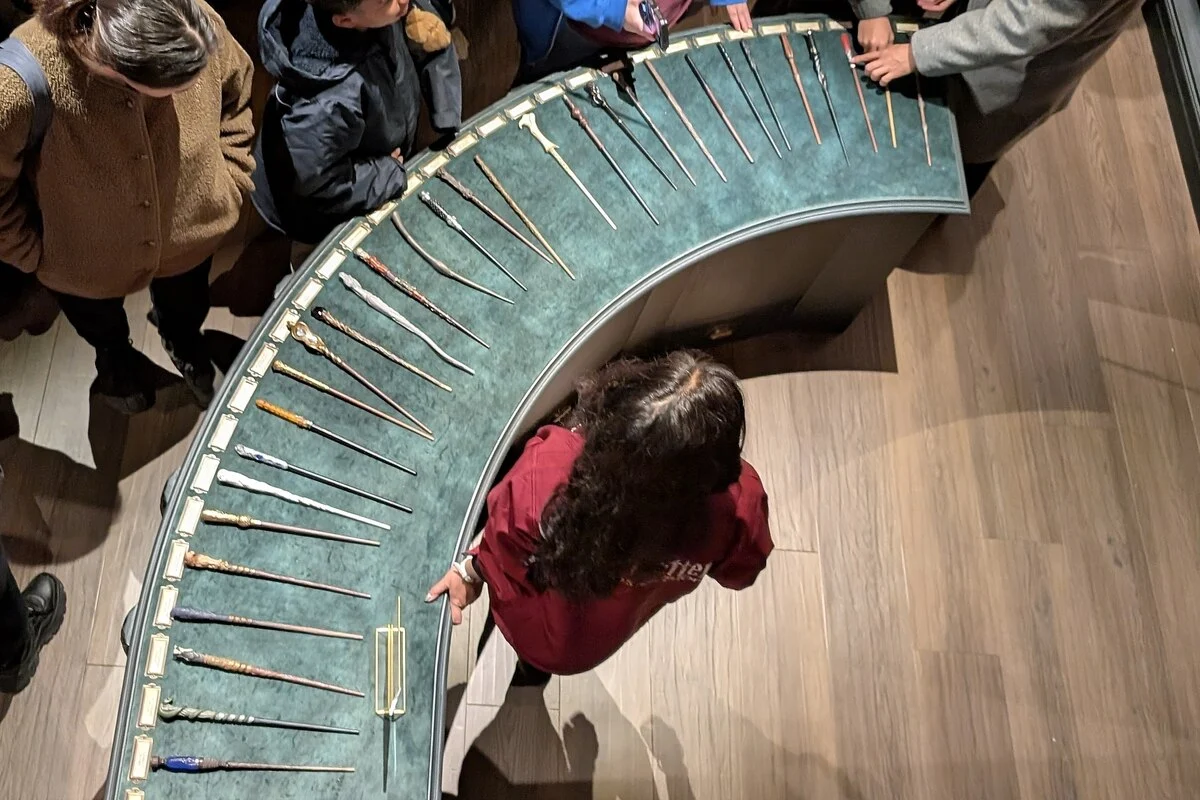
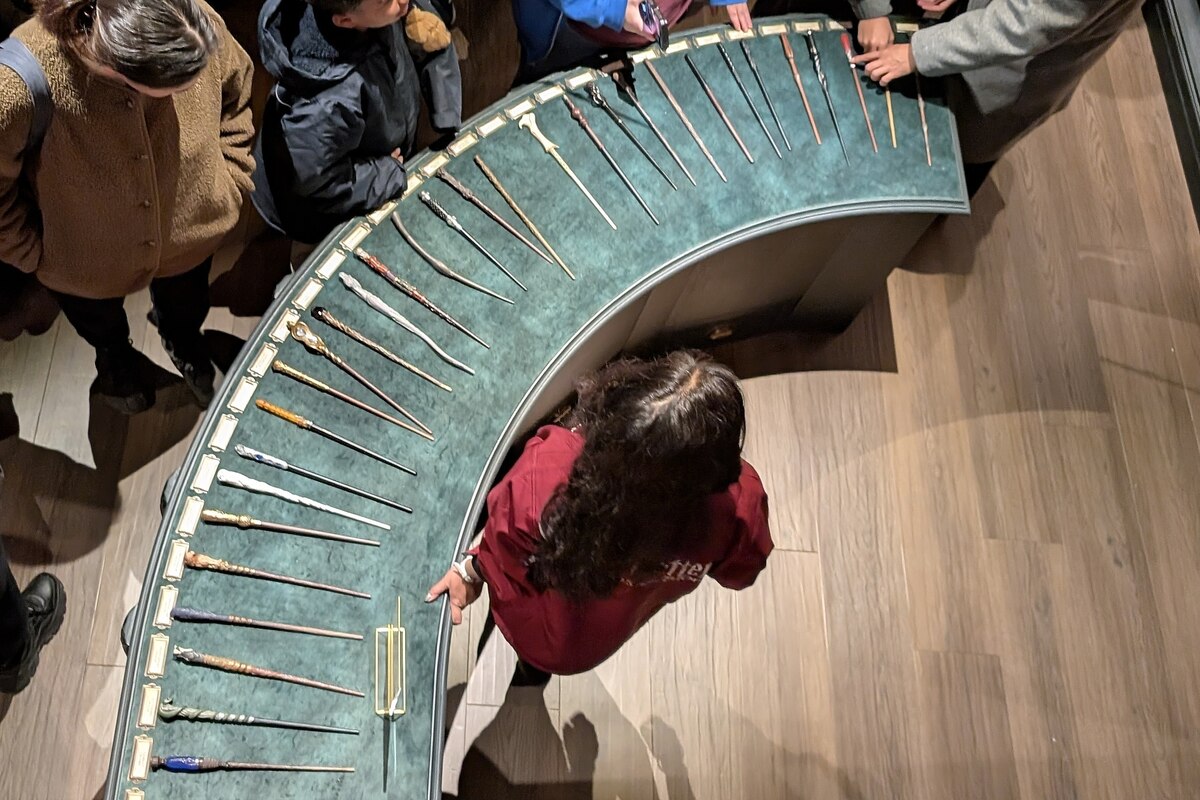
Beyond the beverages, the store offers a comprehensive array of merchandise: "Bertie Bott’s Every Flavour Beans," chocolate frogs, and an exhaustive collection of wands. Exclusive items, such as a life-sized replica of the "Knight Bus" and a massive, animatronic-style "Ukrainian Ironbelly" dragon, serve as the crown jewels of the store’s interior design. For the visitors, the store is a sanctuary of nostalgia. For the store management and the investors, it is a high-performing asset that continues to prove that, regardless of the controversy surrounding its creator, the "Potter" brand remains a global economic juggernaut.

The Cognitive Dissonance of the Fan Base
The reaction of the visitors queuing outside provided a fascinating look at how modern consumers navigate ethical consumption. When interviewed, two German tourists who had discovered the opening by chance expressed visible discomfort.
"We were confused at first," one admitted. "We saw the protest and thought, ‘Is this because of Rowling’s transphobic comments?’" Yet, despite this awareness, they remained in line. Their justification, "I separate the art from the person," is a refrain that has become the standard defense for fans of controversial creators. For this couple, who identified as part of the LGBTQ+ community themselves, the internal conflict was palpable but ultimately subordinated to the desire to participate in a shared cultural memory.
This sentiment was echoed by others in the queue. There is a profound psychological barrier to "canceling" a franchise that provided the blueprint for their childhood. The brand has achieved a level of ubiquity that makes it, for many, indistinguishable from their own identity.
Supporting Data and Broader Implications
The protest at the London store is part of a growing, documented movement of backlash against Rowling’s public activities. Academic circles and human rights organizations have increasingly voiced concerns regarding the UK’s approach to gender-critical legislation.

Recent reports from activists indicate that the climate for trans people in the UK has reached a critical juncture. The solidarity displayed by hundreds of academics and medical professionals following raids on trans community spaces in Berlin underscores that this is not a localized dispute, but a systemic struggle over human rights. When Rowling uses her platform and capital to influence legal precedents, the "art vs. artist" debate ceases to be a theoretical discussion about books and becomes a tangible debate about legal personhood.
The protesters’ frustration, therefore, is directed at the normalization of Rowling’s views. By continuing to consume her products, they argue, the public is providing the financial oxygen that allows her to continue her political advocacy. "The creator of this franchise has chosen to invest her money in bigotry and hate," one protester shouted through a megaphone.
Official Responses and Store Management
The store management, for their part, remained strictly focused on the operational aspects of the opening. A security guard, visibly exhausted by the ongoing protest, remarked, "Don’t they ever get tired? They’ve been at it for hours."
There has been no formal response from J.K. Rowling or the corporate entities managing the Potter merchandise regarding the specific protests on Oxford Street. Historically, Rowling has maintained that her position is one of protecting women’s rights, a stance that has only further polarized her critics and supporters. The corporate strategy appears to be one of "business as usual"—relying on the sheer gravitational pull of the brand to drown out the discord outside the doors.

The Future of the Wizarding Brand
As the sun set on the London flagship store, the protests continued, albeit with diminished intensity. The queues had shortened, but they had not disappeared.
The long-term implication of this day is clear: the Harry Potter brand is entering a phase of permanent political tension. It is no longer possible to enter a shop like this without the specter of the author’s politics looming over the merchandise. Whether this will lead to a decline in sales or merely a hardening of the "us vs. them" dynamic remains to be seen.
However, the events in London suggest that the "Wizarding World" has reached a point of maturity where the magic is no longer untainted. The brand has become a battleground. For the fans inside, the wands and chocolate frogs provide a temporary escape from a complex world. For those outside, the store represents the very real-world consequences of the influence that wealth and fame can purchase.
Ultimately, the store in London serves as a mirror to our current cultural moment. We are increasingly living in a world where consumption is political. Every purchase is an act of tacit approval or silent disagreement. As the "Sound of the Consumption Rush" continues to blare inside the store, the chants of the protesters serve as a reminder that the world of the "Chosen One" is now inextricably linked to the very real, very urgent fight for the rights of marginalized people in the real world. The legacy of Harry Potter will likely continue to thrive, but it will do so in the shadow of a deeply divided reality that no amount of fictional magic can easily resolve.