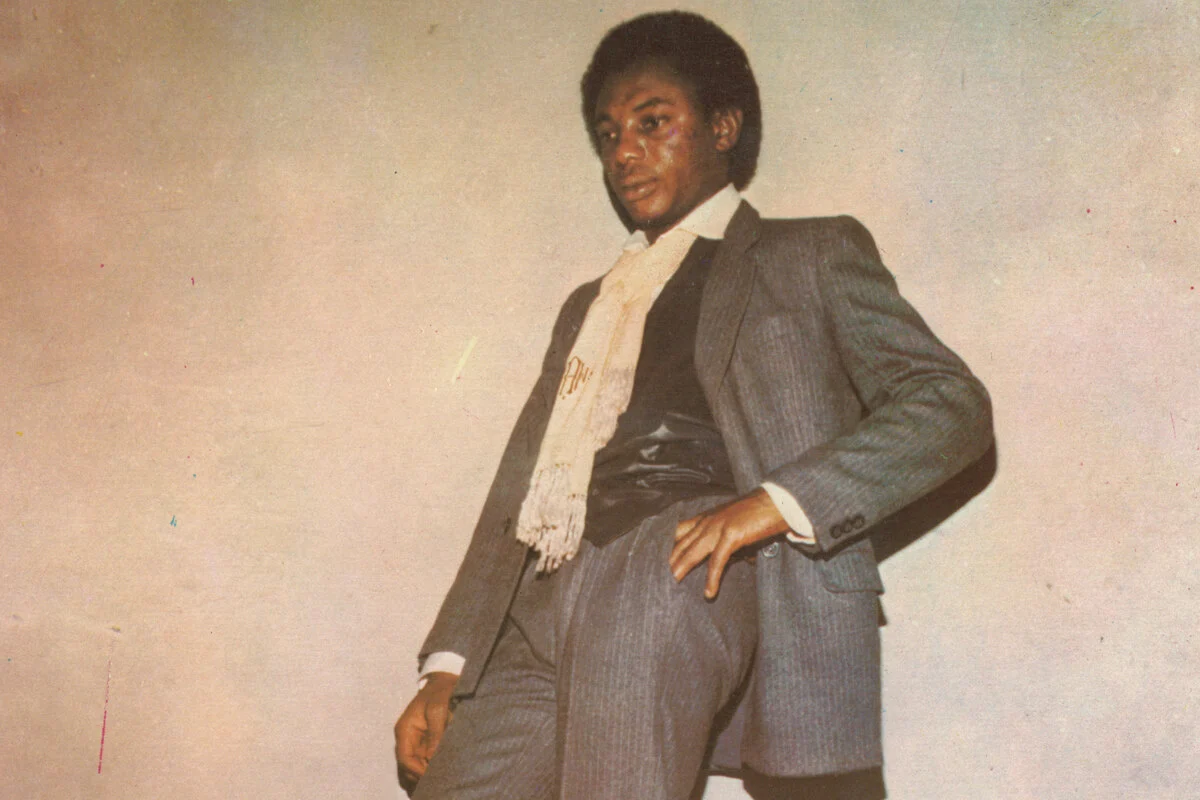
The sound of West Africa is often crystallized in the global consciousness as the hypnotic, brass-heavy, and politically charged Afrobeat pioneered by Fela Kuti in the late 1960s. Yet, to view the musical evolution of Nigeria solely through the lens of Kuti’s Kalakuta Republic is to miss a vibrant, sprawling, and technologically transformative decade. The new compilation Nigeria 80, released by the esteemed British label Strut, serves as a crucial corrective—an archival dive into a period where traditional rhythms collided with the synthesizers of disco, the burgeoning grit of rap, and the sophisticated arrangements of high-end studio production.
Main Facts: A Sonic Time Capsule
Nigeria 80 is not merely a collection of songs; it is a cultural map of a nation in transition. Compiled by music historian and archivist Duncan Brooker, the record acts as a sequel to the groundbreaking 2001 release Nigeria 70. While the earlier compilation defined the "Golden Age" of Lagos funk, Nigeria 80 shifts the focus toward the "mutation of the beats"—a period where the raw energy of Afrobeat began to bleed into the global disco and boogie explosions of the 1980s.
The compilation features eleven carefully curated tracks that highlight the immense diversity of the era. From the polyrhythmic Juju-fusion of Segun Adewale to the pioneering hip-hop of I.C. Rock and the politically conscious roots-reggae of Evi-Edna Ogholi, the collection demonstrates that Nigerian musicians were not passive observers of global trends, but active, innovative participants.
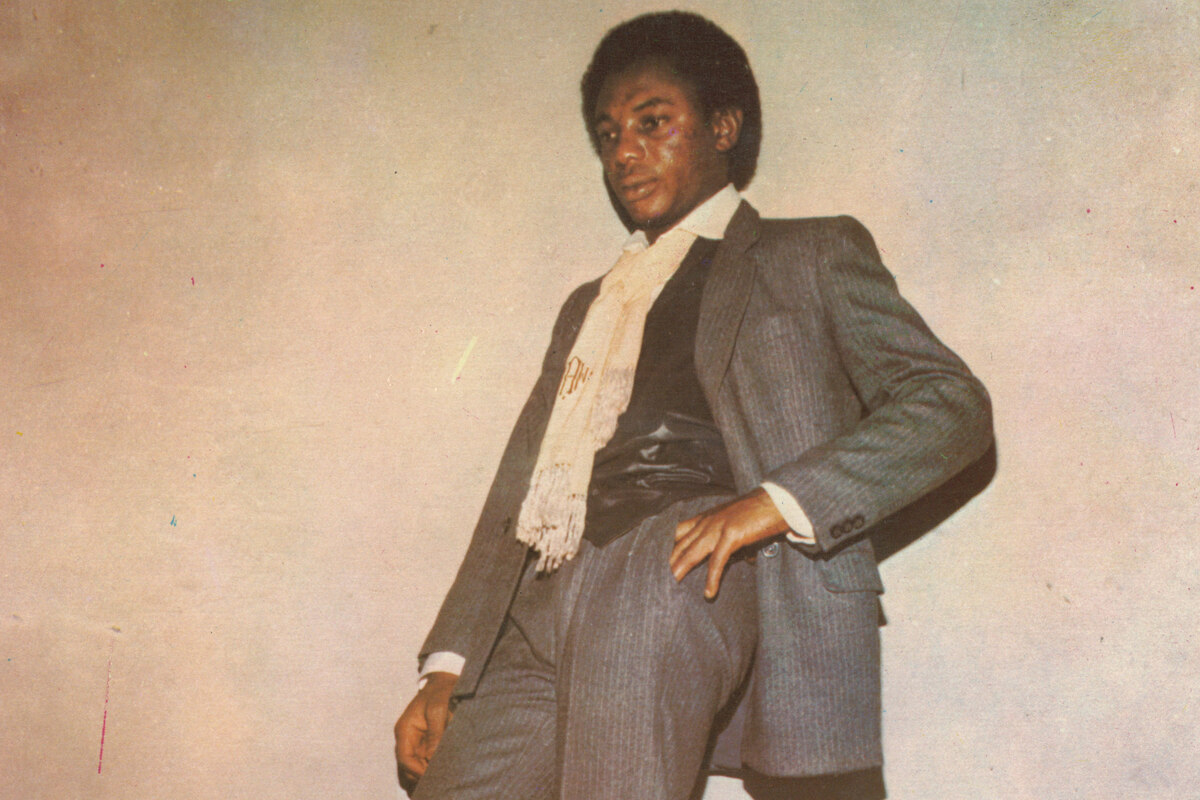
Chronology: From Afrobeat to the Boogie Era
To understand the significance of Nigeria 80, one must trace the timeline of Nigerian music production across the late 20th century.
- Late 1960s – 1970s: The Afrobeat era. This period, immortalized in the Nigeria 70 compilation, saw Fela Kuti, Tony Allen, and others fuse jazz, highlife, and funk into a distinctively Nigerian protest music.
- Early 1980s: The period of industrial and musical flux. As Nigeria grappled with shifting economic tides, the music scene diversified. Traditional genres like Juju and Highlife began to incorporate electronic instrumentation.
- 1983: A watershed year for international recognition. King Sunny Ade, a titan of Juju music, toured internationally, including a legendary performance on the German TV show Rockpalast in Essen. This era marked the first real attempt to position Nigerian artists as global superstars on par with Bob Marley.
- 1985: The emergence of nascent hip-hop. I.C. Rock released "Advice," one of the first recorded instances of rap music within the Nigerian borders, signaling a radical shift in urban storytelling.
- 1995: The archival release of "Se Rere" by Lekan Animashaun. Recorded much earlier, its delayed release on Fela Kuti’s Kalakuta label highlighted the enduring legacy of the Afrobeat backbone even as the 90s approached.
Supporting Data: The Mosaic of Influence
The tracklist of Nigeria 80 is a testament to the "archaeological" approach taken by Strut Records. By moving away from the "Great Man" theory of history—which credits everything to a few male icons—the compilation elevates figures who have often been relegated to the footnotes of music history.
The Role of Women in the Industry
A highlight of the collection is the inclusion of Evi-Edna Ogholi. Her 1988 track "The World" is a masterclass in political roots-reggae. Her career serves as a vital case study for the rising influence of women in the Nigerian music industry during the 80s, a narrative that has historically been underrepresented in musicological discourse.

Genre-Bending Pioneers
Segun Adewale’s "Yo-Pop Music" (1983) is perhaps the most emblematic track of the compilation’s thesis. By synthesizing Juju, Reggae, and Jazz, Adewale demonstrated that the Nigerian sound was never static. It was a porous, breathing entity that absorbed external influences and spat them back out as something entirely unique.
Official Responses and Critical Reception
Music critics and ethnomusicologists have lauded the compilation for its depth, though some note the absence of industry titans like Ebenezer Obey. However, this absence is intentional. As the liner notes by Francis Gooding (The Wire) explain, the goal of the collection is to provide a "tapestry" rather than a "best-of" list.
The critical consensus suggests that while Nigeria 70 was the definitive, foundational document, Nigeria 80 is the necessary, nuanced follow-up. It does not attempt to reinvent the wheel, but rather to show the tracks the wheel carved into the landscape as it accelerated toward the end of the century.

Implications: The Legacy and the Future
The release of Nigeria 80 arrives at a time when the world’s appetite for Nigerian sound is at an all-time high. However, the current global phenomenon of "Afrobeats" (a distinct, electronic-heavy pop genre dominated by artists like Burna Boy and WizKid) is often confused with the original "Afrobeat" of the 70s.
The "Afrobeats" Confusion
It is essential to clarify that the contemporary, synth-driven Afrobeats phenomenon is a different beast from the analog-rich compositions of the 80s. Nigeria 80 serves as a bridge, helping listeners understand the lineage between the two. It provides the "missing link" that explains how the funk-heavy foundations of the 70s evolved into the polished, international pop sounds of today.
Cultural Preservation
Beyond the dance floor, these compilations have profound implications for cultural heritage. By digitizing and reissuing these tracks, labels like Strut and Soundway are ensuring that the history of Nigeria’s musical innovation is preserved for future generations. These recordings are not just "old music"; they are primary source documents of a post-colonial nation finding its voice in a globalized, capitalist market.

Conclusion: A Living History
Nigeria 80 is a reminder that music is never truly "finished." It is a constant state of becoming. While the compilation may lack the singular, explosive impact of its predecessor, it succeeds in a more complex task: it paints a portrait of a decade characterized by experimentation, economic struggle, and the birth of new urban identities.
For the listener, the experience is one of discovery. It is an invitation to listen to the crackle of the vinyl, the heavy basslines of the disco era, and the nascent, stuttering delivery of early Nigerian rap. It is a testament to the fact that when the world looked at Nigeria in the 1980s, they weren’t just looking at a country of political unrest—they were looking at a laboratory of sound.
As we continue to navigate the global dominance of contemporary Nigerian pop, Nigeria 80 provides the essential context. It reminds us that the "new" sound of Lagos is built upon the tireless, creative, and often overlooked work of those who picked up their instruments in the 1980s, plugged them into the nearest amplifier, and changed the beat of the world forever. The compilation is a vital addition to the library of any serious music lover, not just for the quality of the tracks, but for the story it tells about the resilience and evolution of the human spirit through rhythm.