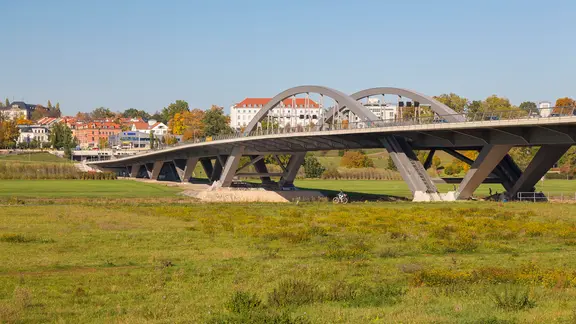
DRESDEN – A significant traffic disruption gripped the city of Dresden this Thursday morning as hazardous weather conditions contributed to a major collision on the iconic Waldschlösschen Bridge. The incident, which occurred during the height of the early morning rush hour, has prompted widespread traffic delays and sparked renewed discussions regarding winter road safety in the Saxon capital.
Main Facts: A Morning of Chaos
At approximately 7:00 AM on Thursday, November 5, 2026, a series of collisions involving three vehicles took place on the Waldschlösschen Bridge (Waldschlösschenbrücke). The incident was precipitated by a combination of dense morning fog and localized patches of black ice, which caught many motorists off guard.
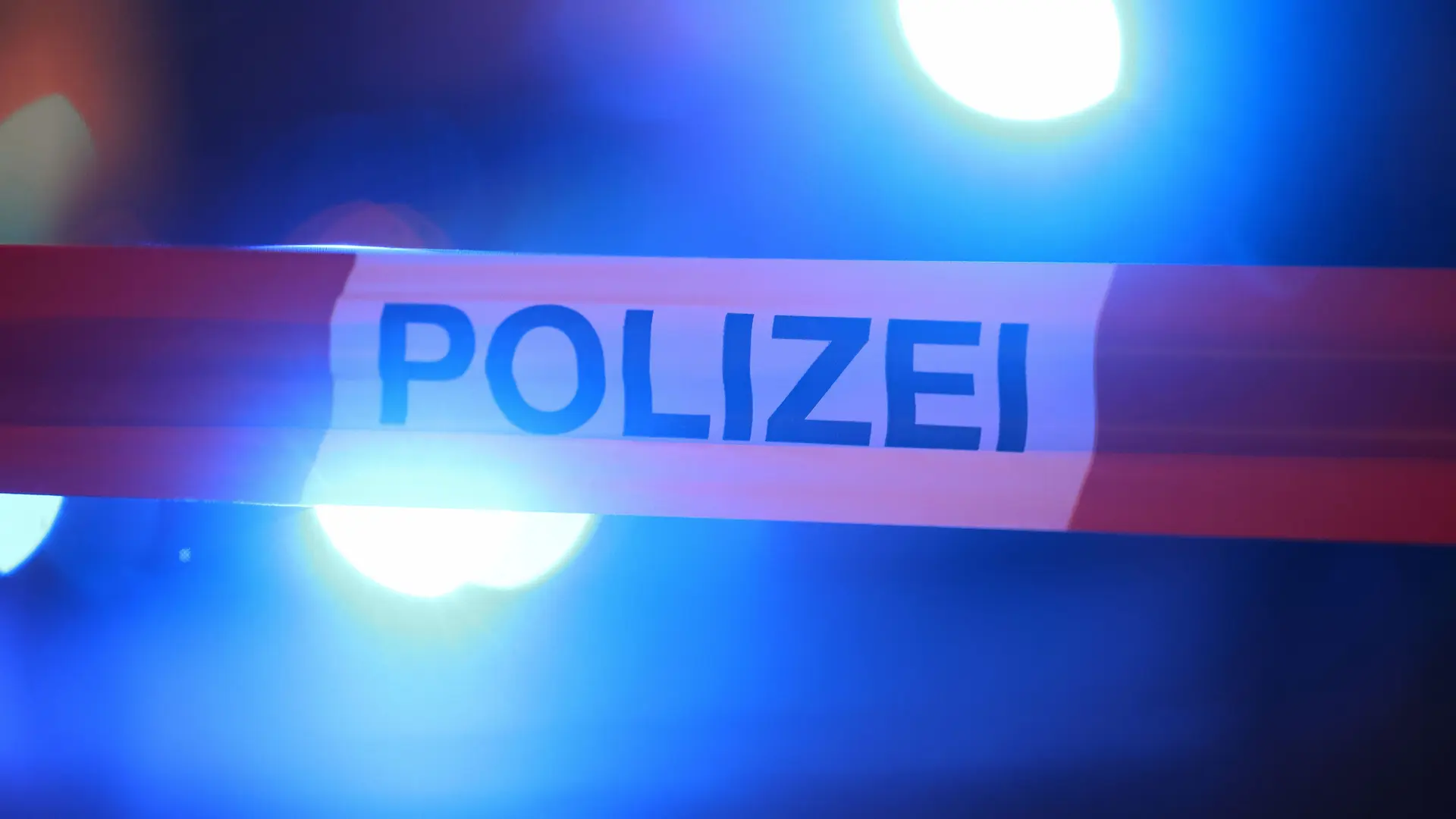
The impact of the crash was immediate. Local authorities, including the Dresden Police, confirmed that two individuals sustained injuries in the pile-up. Emergency services, including paramedics, fire rescue teams, and police units, were dispatched to the scene immediately to provide medical assistance and secure the perimeter.
As of the latest reports, the bridge remains partially restricted. While the lane heading toward the Dresden Neustadt district has been reopened to traffic, the primary artery leading toward the city’s historic Altstadt remains completely closed. This obstruction has severely hampered the flow of commuters, turning the morning journey for thousands of residents into a prolonged ordeal.

Chronology of the Incident
- 06:45 AM: Early commuters report extremely low visibility due to dense, localized fog banks settling over the Elbe valley.
- 07:00 AM: The first distress calls reach the police dispatch center. Initial reports indicate a collision involving three vehicles on the bridge deck.
- 07:15 AM: Emergency vehicles arrive on-site. The bridge is fully closed in both directions to facilitate rescue operations and vehicle recovery.
- 08:00 AM: As investigators begin processing the scene, authorities decide to partially reopen the bridge. The lanes leading to the Neustadt district are cleared, while the Altstadt-bound lanes remain cordoned off.
- 09:30 AM: Traffic congestion reaches peak levels on surrounding arterial roads, including the Käthe-Kollwitz-Ufer and Fetscherstraße, as motorists scramble to find alternative routes.
- 10:30 AM: Ongoing cleanup and accident investigation continue, with traffic authorities advising commuters to avoid the area if possible.
Supporting Data and Traffic Impact
The Waldschlösschen Bridge serves as one of the most critical infrastructure links in Dresden, connecting the northern and southern parts of the city across the Elbe River. Any restriction on this route typically creates a "domino effect" across the city’s traffic network.
Data from local traffic monitors suggests that the congestion caused by this morning’s accident extended well beyond the immediate vicinity of the bridge. Significant bottlenecks were reported on the following routes:
- Käthe-Kollwitz-Ufer: Severe delays were recorded as traffic diverted away from the bridge entrance.
- Fetscherstraße: Heavy gridlock as local transit and commercial vehicles attempted to bypass the closure.
- Inner City Arteries: Traffic flow slowed to a crawl as the pressure of displaced commuters flooded secondary roads.
Public transport services, particularly bus lines traversing the bridge, have been subjected to significant delays. The Dresden transit authority (DVB) has warned passengers to expect disruptions throughout the morning, as buses caught in the gridlock are unable to maintain their regular schedules.
Official Responses and Safety Measures
The local police department has issued a cautionary statement to the public, emphasizing that the combination of rapid temperature drops and high humidity created "perfect conditions" for black ice.

"We urge all drivers to adjust their speed to match the prevailing weather conditions," a police spokesperson stated. "Even if the air temperature appears to be above freezing, bridge surfaces and overpasses are the first areas to ice over. We are currently investigating the specific circumstances of the accident, but initial findings point toward speed being a contributing factor in light of the poor visibility."
While emergency teams have cleared the wreckage, the structural integrity of the roadway was checked to ensure no hazardous materials were spilled or debris left behind that could endanger further traffic. The focus now shifts from immediate rescue to the forensic investigation of the crash site.

Implications for Winter Safety in Dresden
The incident on the Waldschlösschen Bridge serves as a stark reminder of the vulnerability of urban infrastructure to sudden shifts in weather. This is particularly relevant for Dresden, where the topography of the Elbe valley often traps cold, humid air, leading to sudden, thick fog and rapid icing of bridges and tunnels.
The Debate on Winter Preparedness
The event has ignited a local debate regarding the timing and intensity of winter road maintenance. Critics have questioned whether the salt-spreading and de-icing operations were initiated early enough this morning. City maintenance departments typically follow a strictly scheduled protocol, but events like this highlight the potential need for more dynamic, sensor-driven responses to localized micro-climates on the city’s bridges.
Furthermore, the incident underscores the psychological challenge for drivers transitioning into the winter season. The first significant frost or fog event of the year frequently results in a spike in accident statistics, as drivers often underestimate the change in road friction coefficients.
Infrastructure and Urban Resilience
The closure of the Waldschlösschen Bridge, even for a few hours, demonstrates the lack of redundant capacity in Dresden’s river-crossing infrastructure. When one of the major bridges is compromised, the alternative routes—such as the Albertbrücke or the Carolabrücke—quickly reach their saturation points. Urban planners are increasingly tasked with finding ways to improve traffic resilience, perhaps through smarter traffic management systems that can reroute commuters in real-time when a bottleneck occurs.
Long-Term Recommendations
Safety advocates are now calling for:
- Enhanced Warning Systems: Implementing more sophisticated weather sensors on the bridge deck that can trigger early-warning electronic road signs for motorists.
- Increased Awareness Campaigns: A push for annual "Winter Driving Refreshers" for local residents, focusing on the dangers of black ice and the importance of increasing following distances during periods of low visibility.
- Public Transit Integration: Encouraging greater use of the tram network, which is generally less affected by road surface conditions and traffic jams than private automobiles.
Conclusion: A Lesson in Caution
As the investigation into the Waldschlösschen Bridge collision continues, the incident stands as a somber lesson for the city. While the authorities work to clear the final remnants of the accident and restore normal traffic flow, the message to the public remains clear: winter has arrived, and with it, the necessity for heightened vigilance on the roads.

The two injured individuals are currently receiving treatment at a local hospital. Their conditions have not been released, but authorities have confirmed that they are receiving the necessary care.
For the residents of Dresden, the morning of November 5th will be remembered as a day of inconvenience and anxiety. However, it also serves as a necessary wake-up call for the coming months. As temperatures continue to fluctuate and the fog rolls off the Elbe, the bridge will remain a symbol of both the city’s connectivity and the inherent risks that come with modern urban life in a changing climate.

Motorists are advised to monitor official traffic reports for the remainder of the day, as traffic patterns are expected to normalize slowly throughout the afternoon. Drivers are encouraged to allow for extra time for their evening commute, as lingering caution and potential residual delays may persist until the evening rush hour is fully clear.