Executive Summary: The Crisis Averted
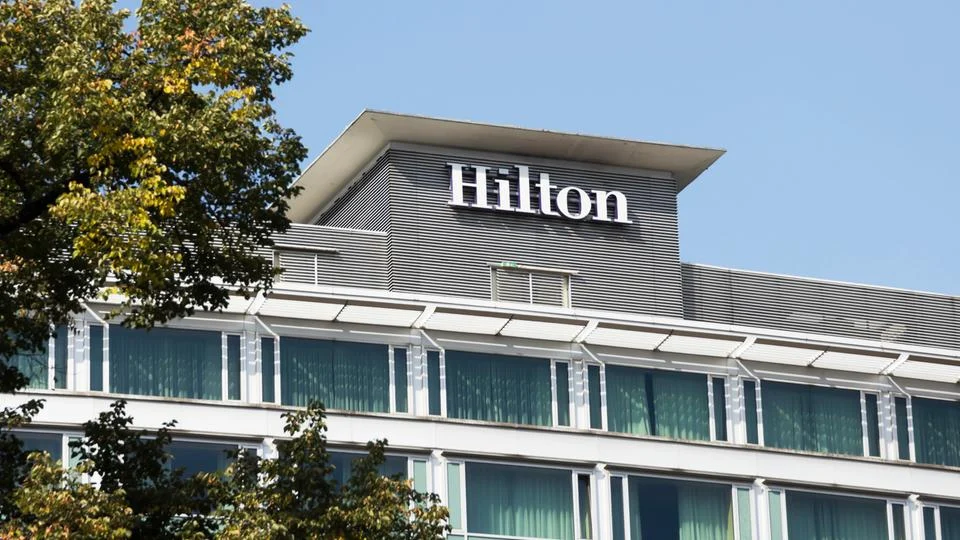
The iconic Hilton Frankfurt City Centre, a cornerstone of the city’s hospitality sector, has successfully avoided an imminent closure that threatened to displace hundreds of employees and disrupt the local tourism landscape. Following months of uncertainty caused by international sanctions levied against the hotel’s former ownership, a strategic restructuring has paved the way for the property to continue operations under a new lease agreement.
The crisis, which centered on the property’s historical ties to an Iranian businessman subject to stringent Western sanctions, serves as a case study in the complexities of global real estate ownership, international geopolitics, and the corporate responsibility of major hospitality chains. With the announcement on Wednesday, the hotel has confirmed that all ties to sanctioned entities have been severed, securing its status as a fully operational venue for guests and staff alike.
1. The Anatomy of a Corporate Rescue
For weeks, the staff and management of the Hilton Frankfurt City Centre operated under a cloud of existential doubt. The threat of closure was not a result of poor business performance or a lack of demand, but rather a legal entanglement involving the property’s landlord, the Dutch-based "Tidalwave Corporation B.V."
The core of the issue lay in the ownership structure of Tidalwave, which was controlled by the Iranian businessman Ali Ansari. Mr. Ansari has been placed on various international sanctions lists, most notably by the United States and the United Kingdom. The charges brought against him are grave: Western governments allege that he has engaged in corrupt practices and provided financial support to the Islamic Revolutionary Guard Corps (IRGC), a designation that necessitated immediate compliance actions from global corporations like Hilton.
The Restructuring Process
To preserve the hotel, a radical shift in the property’s legal framework was required. The assets formerly held by Tidalwave were transferred into a newly established Dutch foundation, the "Stichting Golfbreker Beheer." Hilton confirmed that a new lease agreement has been signed with this entity.
"No sanctioned person is involved in the ownership structure," a Hilton spokesperson stated, emphasizing that the property has been successfully decoupled from the previous owner’s assets. While this satisfies immediate regulatory and compliance requirements, the use of a "Stichting" (a Dutch foundation) has drawn attention from financial observers. Under Dutch law, these foundations lack traditional shareholders or owners, a structure that provides a layer of legal insulation but simultaneously obscures the identities of the ultimate economic beneficiaries.
2. Chronology of the Conflict
The road to this resolution was paved with instability. The timeline of the "Hilton Crisis" in the Rhine-Main region illustrates the volatility of international business dealings:
- Early 2024: Heightened international scrutiny of Ali Ansari’s assets leads to the inclusion of his holdings on updated sanctions lists, triggering internal compliance reviews at Hilton Worldwide.
- August 2024: The Hilton Gravenbruch (Offenbach) faces a crisis. With the brand forced to terminate its management contract due to sanctions, the hotel enters insolvency and is forced into a period of emergency operation.
- September–October 2024: Pressure mounts on the Frankfurt City Centre location. Negotiations regarding the landlord’s status become the primary focus for the hotel’s executive team.
- October 2024: The historical "Stadtbad Mitte," which operates in conjunction with the hotel’s amenities, shuts its doors, signaling the severity of the operational disruption.
- November 2024: The formal announcement of the transfer of assets to the Stichting Golfbreker Beheer is finalized. The threat of closure is declared "off the table."
3. Supporting Data and Economic Context
The economic stakes of this situation cannot be overstated. Frankfurt is a global financial hub, and the Hilton Frankfurt City Centre serves as a primary destination for business travelers, international diplomats, and large-scale conference attendees.
The Ripple Effect: The Stadtbad Mitte
Beyond the hotel, the closure of the Stadtbad Mitte—a historic swimming pool facility that was operated by Fitness First within the hotel’s ecosystem—caused significant public outcry. The facility had been a public resource, and its closure in October served as a tangible reminder of how high-level international sanctions impact the daily lives of local citizens.
With the hotel’s future now secured, the city government of Frankfurt has expressed renewed optimism regarding the reopening of the pool. Oberbürgermeister Mike Josef (SPD) confirmed that the city had secured guarantees that the swimming pool would remain accessible to the public as part of the hotel’s ongoing operations. Fitness First is reportedly reviewing options to resume operations, potentially restoring a vital fitness and leisure hub for the downtown population.

Regional Comparisons: The Gravenbruch Precedent
The Frankfurt City Centre rescue stands in stark contrast to the fate of the Hilton in Gravenbruch. That property, also linked to the same ownership structure, could not be saved under the original management banner. After several weeks of struggling through an insolvency process, the hotel was sold to an outside investor—the Comer Group—marking the end of its direct affiliation with the Hilton brand. The ability of the City Centre location to survive as a Hilton property suggests a more robust negotiation or a more favorable legal position compared to its regional counterpart.
4. Official Responses and Stakeholder Perspectives
The resolution of the dispute has been met with relief across the political and business spectrum in Hesse.
Mayor Mike Josef (SPD):
"The continued operation of this hotel is a very good piece of news for Frankfurt," the Oberbürgermeister stated. He highlighted the importance of preserving both the professional hospitality standards of the city and the public amenities like the Stadtbad Mitte. His office played a quiet but instrumental role in mediating the concerns regarding the public access components of the property.
Hilton Corporate Stance:
The hotel chain has been careful to frame this as a victory for compliance. By distancing themselves from individuals on international sanctions lists, the company has protected its brand integrity in the European market. Their public communications emphasize that the new lease structure is legally sound and fully compliant with all applicable sanctions, though they have remained largely silent on the specific nature of the Stichting Golfbreker Beheer beyond the legal requirements.
5. Future Implications: Transparency and Accountability
While the immediate crisis has passed, the "Hilton Case" raises broader questions about transparency in the European commercial real estate market.
The "Stichting" Dilemma
The reliance on a Dutch foundation to resolve a sanctions-related impasse highlights a growing trend in international business: the use of complex legal vehicles to maintain asset continuity. Because these foundations are "ownerless," they offer a high degree of privacy. For regulators, this poses a challenge: if the "economic beneficiaries" are effectively hidden behind a legal veil, how can future compliance be verified?
Legal analysts suggest that while this move has saved the Hilton, it may invite increased scrutiny from the European Central Bank and EU regulatory bodies regarding "beneficial ownership" transparency. As Frankfurt continues to attract international capital, the demand for clarity in property ownership will likely intensify.
The Resilience of Frankfurt’s Hospitality Market
Despite the political and legal turbulence, the Frankfurt hospitality sector has shown resilience. The fact that the property was able to find a path to continued operation—rather than remaining shuttered like many other assets caught in similar sanctions traps—speaks to the intrinsic value of the location.
For the employees, the news brings an end to a period of professional uncertainty. For the guests, the Hilton remains a reliable staple of the city center. However, the saga remains a sobering reminder that in an increasingly interconnected global economy, the shadow of geopolitics can reach even the most prestigious lobbies of the Rhine-Main metropolis.
Conclusion: A New Chapter
As the Hilton Frankfurt City Centre begins this new chapter, the focus shifts to operational stability. The hotel has navigated a legal minefield, preserved its brand, and kept its doors open to the public. As the city looks forward, the successful resolution of this case will likely be viewed as a blueprint for how major brands can decouple themselves from problematic ownership structures without abandoning their footprint in key global markets. The task now lies in maintaining that stability while ensuring that the "hidden" structures behind the property remain beyond the reach of future controversies.