By MDR Sachsen | Published: November 5, 2026
As the autumn air grows crisp and the first hints of the holiday season begin to permeate the streets of Saxony, the small, historic town of Pulsnitz is preparing for its most significant event of the year. The annual Pulsnitzer Pfefferkuchenmarkt (Gingerbread Market) is set to open its gates this coming weekend, drawing thousands of visitors from across Germany to celebrate a tradition that has defined the town’s identity for nearly half a millennium.
To manage the anticipated surge in tourism, the Verkehrsverbund Oberelbe (VVO) has announced a comprehensive transportation strategy designed to ensure a stress-free experience for the expected crowds. With limited parking space in the historic city center, the emphasis for this year’s festival is squarely on public transit and efficient logistics.
The Heart of the Matter: A Legacy of Craftsmanship
Pulsnitz is known far beyond the borders of Saxony as the "Pfefferkuchenstadt" (Gingerbread City). The history of this delicate art form is not merely a hobby here; it is a vital economic and cultural pillar. Records confirm that the craft of gingerbread baking has been documented in Pulsnitz since 1558. Today, eight traditional gingerbread bakeries and one specialized factory continue this long-standing legacy, preserving secret recipes and manual techniques that have been passed down through generations.

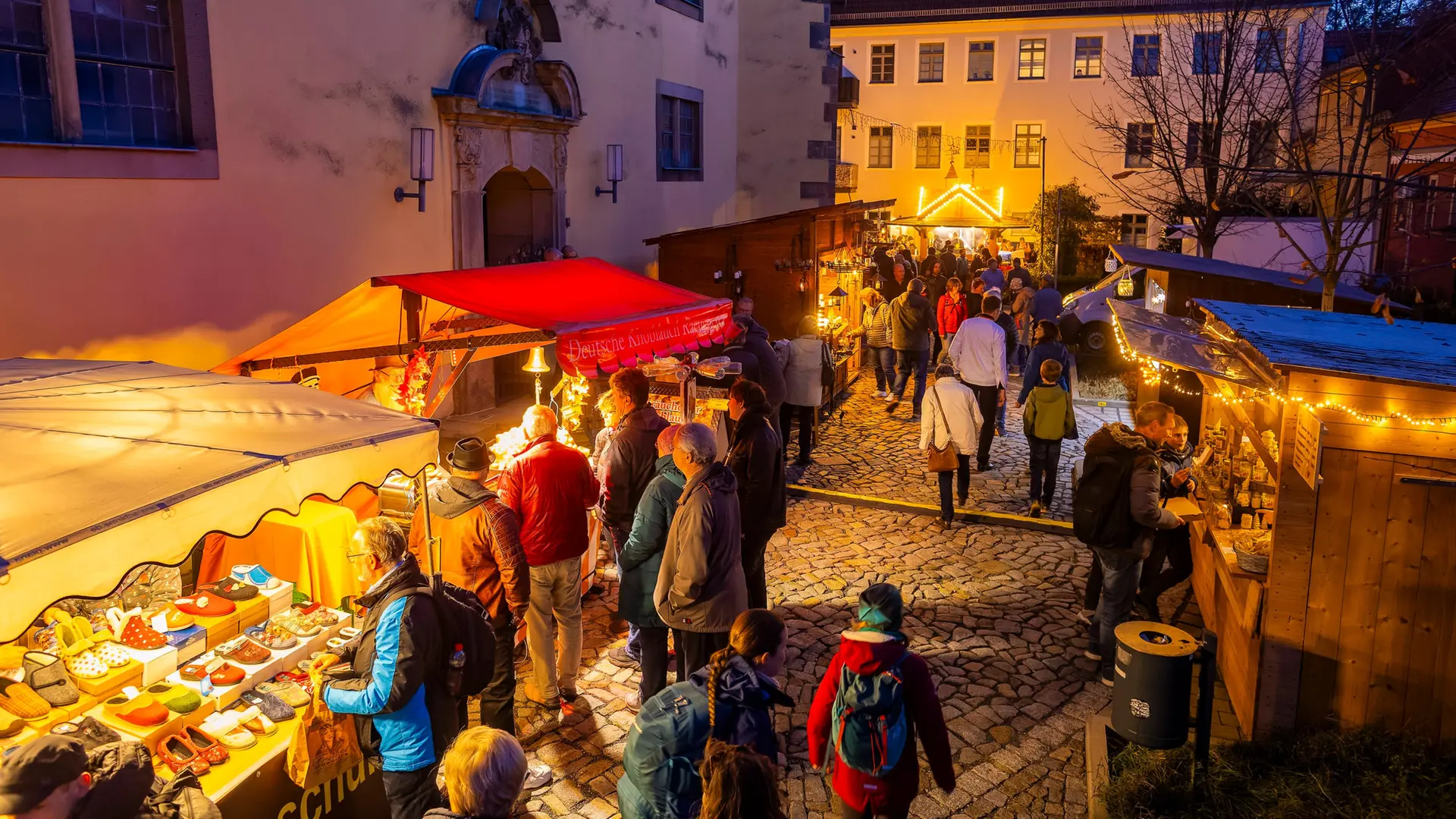
The upcoming market is not just a commercial event; it is a cultural exhibition. Visitors will find approximately 100 vendors gathered around the town’s central church, offering everything from traditional honey cakes to spiced delicacies that are synonymous with the region.
Chronology and Logistics: Managing the Influx
The festival, which runs from Friday through Sunday, requires a massive logistical effort to maintain the flow of visitors without paralyzing the town’s infrastructure.

The Event Schedule:
- Friday: 1:00 PM – 8:00 PM
- Saturday: 9:00 AM – 8:00 PM
- Sunday: 10:00 AM – 6:00 PM
Recognizing that the town’s narrow, historic streets cannot accommodate the influx of thousands of private vehicles, the VVO has implemented a "rail-first" approach. For the weekend, train services between Dresden and Kamenz will be significantly bolstered. Passengers will see the deployment of triple-coupled train sets on Saturday and Sunday, providing a total capacity of 360 seats per journey. Furthermore, the S8 line will operate with extra capacity as early as Friday, with two-unit trains running off-schedule to accommodate early arrivals.

For those traveling from the eastern outskirts of Dresden, specifically the Loschwitz and Bühlau districts, the regional bus line 521 provides a direct link to Pulsnitz via Radeberg. For visitors who insist on driving, the town has established a comprehensive shuttle service. These buses will operate between the overflow parking lots in Großröhrsdorf and the center of Pulsnitz, running at 15 to 20-minute intervals depending on the real-time demand.
Supporting Data: Why the Infrastructure Matters
The necessity for these measures is rooted in the sheer volume of visitors the market attracts. Historically, the Pfefferkuchenmarkt has served as one of the most successful regional tourism magnets in the Bautzen/Kamenz district.

The economic implications of the weekend are substantial. Local bakeries often produce their entire annual surplus of seasonal products in anticipation of these three days. By shifting the transport burden to public transit, the municipality aims to reduce the "friction" of the visit—preventing the gridlock that would otherwise occur if every attendee attempted to park near the market square.
Moreover, the emphasis on public transport aligns with modern sustainability goals. By utilizing the VVO network, the town promotes a "green" visitor experience, keeping the historic air of the medieval town clear of the exhaust fumes that would accompany a massive influx of private automobiles.

Official Responses and Stakeholder Coordination
The collaboration between the town of Pulsnitz and the VVO represents a model of regional cooperation. Mayor and city planning committees have spent months coordinating with the Verkehrsverbund to ensure that the capacity increases are not just sufficient, but reliable.
"Our goal is to allow our guests to focus on the sensory experience of the market—the smell of spices, the warmth of the traditional ovens, and the charm of our historic architecture—rather than the stress of navigating traffic," a city spokesperson noted.

The VVO has echoed this sentiment, highlighting that the investment in extra train cars is a direct response to data gathered from previous years. By monitoring ticket sales and passenger counts from years prior, the transport authority has been able to forecast the peak hours and adjust their schedules with surgical precision.
The Implications: Beyond the Gingerbread
While the market is a celebratory event, it also highlights the broader challenges facing small German towns in the 21st century. Maintaining a tradition that dates back to the 16th century requires more than just good recipes; it requires the infrastructure to support modern tourism.

The success of the Pulsnitzer Pfefferkuchenmarkt is a testament to the town’s ability to balance heritage with modernity. By integrating the local craft with a robust, regional transport network, Pulsnitz is ensuring that its traditions remain accessible to a new generation of travelers.
The implications for other regional towns are clear: in an era of high mobility, the survival of local cultural institutions often depends on the quality of regional connectivity. If a town wants to be a destination, it must be easy to reach. Pulsnitz has mastered this lesson.
Why Pulsnitz is Unique
The distinction of Pulsnitz gingerbread lies in its protected status. Unlike mass-produced Lebkuchen, authentic Pulsnitzer Pfefferkuchen must be produced within the traditional craft bakeries of the city. This geographic designation ensures that the quality and method remain strictly controlled. For many visitors, the opportunity to buy these products directly from the master bakers is the primary motivation for the trip.
A Call to Visitors: Practical Tips
For those planning to attend the market this weekend, here is a summary of the best practices for a seamless visit:

- Prioritize Rail: Use the VVO train network whenever possible. It is the most reliable way to arrive on time and avoid the frustration of hunting for parking.
- Plan for the Shuttle: If you must drive, head directly to the designated parking areas in Großröhrsdorf. Do not attempt to drive into the center of Pulsnitz, as access will be restricted to ensure pedestrian safety and emergency vehicle access.
- Check the VVO App: Real-time updates on train capacity and potential delays can be found on the VVO website or mobile application.
- Go Early or Late: The mid-day hours (Saturday from 1:00 PM to 4:00 PM) are typically the busiest. If you prefer a quieter experience, Friday afternoon or Sunday morning are ideal times to browse the stalls.
- Bring Cash: While many vendors accept digital payments, the charm of the market is best experienced with some pocket change for small samples and individual cookies.
Looking Ahead: Sustaining the Craft
As the town prepares to open its doors to thousands of guests, the underlying narrative is one of resilience. In a world of globalized food production, the dedication of the Pulsnitz bakers to their 470-year-old craft is a rare and precious thing.
The event this weekend is a celebration of this persistence. It serves as a reminder that culture is not static; it is something that must be practiced, shared, and supported. By investing in the infrastructure to bring people to the market, the city of Pulsnitz is not just managing a traffic problem—they are investing in the future of their own history.

Whether you are a long-time fan of the spiced honey cakes or a first-time visitor, the Pulsnitzer Pfefferkuchenmarkt offers a rare opportunity to step back in time, supported by the efficiency of the modern world. As the trains roll into the station and the smell of cinnamon, ginger, and cloves begins to fill the air, the town is ready. The ovens are hot, the stalls are stocked, and the community is prepared to welcome the world to the heart of Saxony.
Final Thoughts on the Regional Landscape
The broader region of Bautzen, Hoyerswerda, and Kamenz has faced significant demographic and economic shifts over the past few decades. Yet, towns like Pulsnitz have managed to carve out a niche by leveraging their unique cultural assets. The success of the gingerbread market acts as a beacon for the region, proving that even small municipalities can thrive if they have a strong brand and the will to adapt to the logistical requirements of modern life.
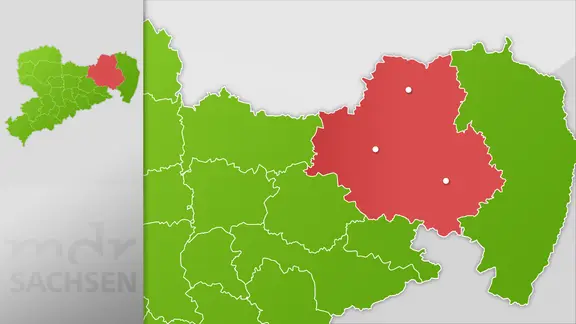
As we look toward the 2026 holiday season, the market in Pulsnitz stands as a premier example of how tradition can be sustained through intelligent planning and community-wide effort. It is more than a market; it is a vital organ in the body of Saxon culture, beating with the rhythm of tradition and the heartbeat of modern, sustainable tourism.
Make sure to mark your calendars, pack your warmest coat, and prepare for a weekend of sweet indulgence in one of Germany’s most storied and aromatic towns. Whether you come for the history, the craft, or simply the unparalleled taste of an authentic Pulsnitzer Pfefferkuchen, you will find that the journey—thanks to the VVO—is just as smooth as the experience itself.