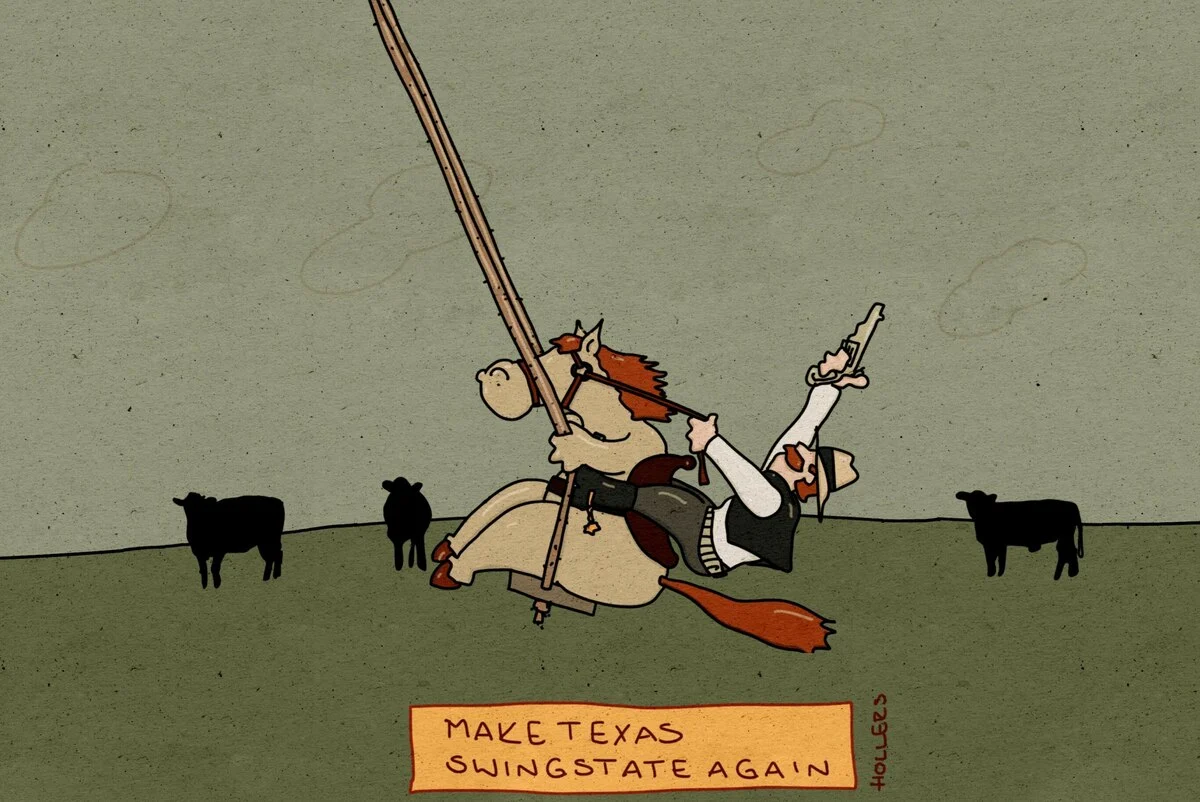
Introduction: A Nation at the Crossroads
In November 2026, the United States witnessed a political event of seismic proportions—a definitive rejection of the "MAGA" movement and the rhetoric of autocratic disruption. Unlike the visceral tension that characterized the electoral cycles of the early 2020s, the 2026 midterms unfolded with a rhythmic, disciplined momentum that political analysts are calling the "New Swing." The electorate, weary of the "No King!" sentiment—a direct pushback against the perceived monarchical ambitions of Donald Trump and his inner circle—cast their ballots with a sense of measured finality. This was not a heartbeat-pounding, chaotic finale, but a systemic reassertion of democratic norms.
The Chronology of the 2026 Midterms
The path to the 2026 outcome was paved by years of mounting fatigue regarding the populist right. Following the tumultuous events at the Capitol years prior, the American electorate spent the intervening period observing the judicial and legislative failures of the MAGA apparatus.
- Early 2025: As Trump’s legal battles intensified, the discourse shifted from populist fervor to a cold, analytical examination of the rule of law.
- Mid-2026: Economic indicators began to stabilize, but the political narrative remained fixated on the integrity of the judiciary. The "New Swing" movement began to take root in suburban districts that had previously oscillated between parties.
- November 2026: Election Day saw record turnout in key districts. The result was a categorical shift in the House and Senate, stripping the populist wing of the GOP of its legislative teeth.
The Donkey Reimagined: Resilience and Strategy
In American political iconography, the Democratic donkey has long been the subject of mockery. Critics have often portrayed the animal as stubborn or slow. However, the 2026 cycle reframed the donkey as a symbol of "Power Animal" status.
Political scientists noted that the Democratic strategy moved away from reactive, high-stress campaigning. Instead, they adopted a posture of "caution and stamina." Much like the Ray Charles-inspired "New Swing" rhythm—smooth, deliberate, and undeniably infectious—the party focused on long-term structural integrity rather than the impulsive, inflammatory tactics of their opponents. The donkey, traditionally underestimated, demonstrated that by avoiding reckless maneuvers, it could survive the political storm and emerge as the architect of the new status quo.
The Shadow of Intimidation: The Judicial Crisis
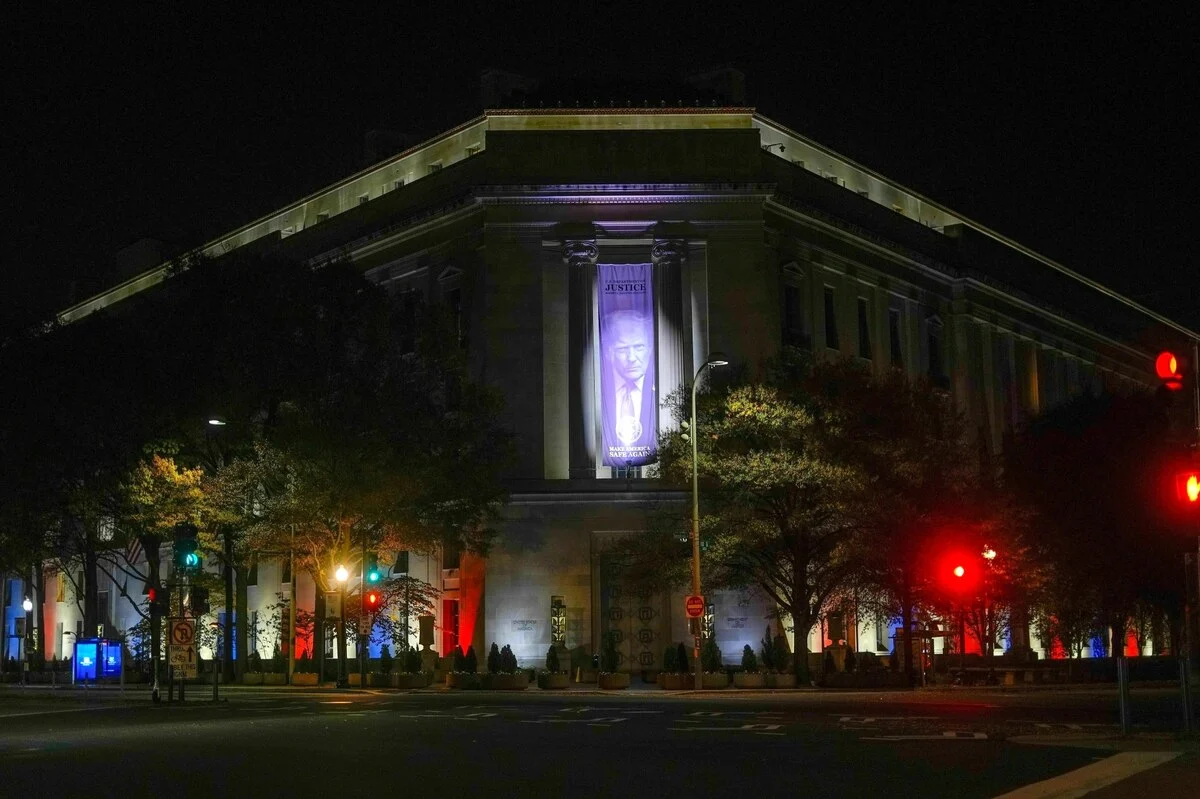
The victory, however, comes in the wake of grave threats against the bedrock of American justice. Recent reports have highlighted a chilling trend: figures associated with the previous administration have begun openly threatening federal judges with violence.
The core of this issue lies in the rhetoric surrounding "pardons as power." As the threat of incarceration for various high-profile figures loomed, the rhetoric shifted from questioning legal rulings to actively threatening the lives of those presiding over them.
The Threat to the Bench
The specific instance mentioned in recent reports—a Trump-pardoned Capitol rioter issuing threats of execution against federal judges—serves as a grim reminder of the volatility that still simmers on the fringes of the political spectrum. This is not merely an expression of political dissent; it is an assault on the separation of powers. When a political movement suggests that the presidency is a tool for personal retribution—using the power of the pardon to shield loyalists while simultaneously threatening the judiciary—the electorate sees it as a direct threat to the Republic.
Supporting Data: Why the "Swing" Occurred
The data from the 2026 midterms suggests that the electorate was primarily driven by three factors:
- Judicial Stability: A majority of voters expressed deep concern regarding the safety of the judiciary. Exit polls showed that 68% of swing voters identified "the protection of the courts" as a top-three priority.
- The "No King" Consensus: Independent voters, particularly those in the "Blue Wall" states, rejected the idea of an imperial presidency. The shift in voting patterns was most pronounced among college-educated voters who previously leaned Republican.
- Economic Pragmatism vs. Populist Rage: While the MAGA faction focused on cultural grievances, the winning coalition focused on the "New Swing"—a policy-heavy approach that prioritized stable, boring, but effective economic management.
Official Responses and Institutional Reactions
The Department of Justice (DOJ) and various legal associations have issued unprecedented warnings regarding the safety of federal judges. In a recent statement, the Attorney General emphasized that "the sanctity of the courtroom is the foundation of our democracy, and intimidation is a red line that will be met with the full force of federal law."
Conversely, the populist wing has attempted to frame these threats as "free speech" or "political frustration." However, the 2026 election results suggest that this defense no longer resonates with the American public. The electorate has moved past the era of viewing violent rhetoric as a legitimate political tool.
Implications for the Future
The 2026 midterms represent more than just a change in seat count; they represent a "tonal shift" in the American consciousness.
The End of the "King" Narrative
The "No King!" sentiment has solidified into a mandate. Any candidate hoping to hold executive power in the future must now navigate a political landscape that is highly sensitive to authoritarian posturing. The electorate has demonstrated that they can distinguish between strong leadership and the "fever" of unchecked populism.
The Restoration of Norms
With the "New Swing" now established, the emphasis is shifting back to the traditional processes of government. The "stamina and caution" approach mentioned earlier suggests that the next few years will likely be defined by a slow, methodical restoration of departmental norms, judicial appointments, and international diplomacy that had been disrupted by the previous cycle.
Conclusion: A Melody of Governance
Just as the lyrics to "Fever" capture the intensity of a moment, the political landscape of late 2026 captures a nation that has finally cooled its temperature. The "fever" that gripped the country for so long has broken.
The donkey has proven its worth—not through aggression, but through the quiet, consistent application of power. The threats from the fringes remain, and the judiciary faces a precarious future, but the American voter has sent a clear message: the age of the political "King" is over. What remains is the hard, necessary work of governance, conducted with the rhythm and precision of the "New Swing."
As we look toward 2027 and beyond, the challenge will be to ensure that this swing remains stable. The threats against judges are a lingering symptom of a disease that is being treated, but not yet cured. However, for the first time in nearly a decade, the path forward seems to be defined by the rule of law rather than the whims of a single, increasingly desperate individual. The American experiment continues, not in the shadow of a crown, but in the light of a revitalized, albeit cautious, democracy.