The nationwide youth-led movement "Gen Z Regelt" (Gen Z Rules) has concluded its latest wave of demonstrations, claiming a moral victory despite lower-than-expected participation and isolated outbreaks of violence that marred the events in several major German cities. As the dust settles, the organizers are already looking ahead to international mobilization, though critics and law enforcement remain wary of the movement’s internal structure and the security implications of their future gatherings.
Executive Summary: A Movement Finds Its Voice
On November 1, 2026, thousands of young people across Germany took to the streets under the banner of "Gen Z Regelt." The movement, which positions itself as an independent, non-partisan collective of individuals born between 1997 and 2010, aims to address systemic grievances affecting their generation. Their demands are broad and ambitious, encompassing increased funding for public schools, expanded access to mental health services, robust substance abuse support programs, aggressive climate action, and a more equitable distribution of the economic burden caused by rising living costs.
Furthermore, the movement has taken a firm stance against the reintroduction of mandatory military service in Germany and the expansion of state surveillance measures. While the organizers heralded the day as a milestone for youth political engagement, the reality on the ground was more complex. With attendance figures falling significantly short of projected goals and localized clashes occurring after the formal conclusion of the rallies, the movement faces a critical juncture in its development.
Chronology of the Protest Day
The events were meticulously planned across 34 German cities, including major urban centers such as Berlin, Frankfurt, and Munich. The atmosphere throughout the day was largely peaceful, characterized by vibrant displays of activism, speeches, and slogans echoing the frustrations of a generation grappling with an uncertain future.
- Morning/Early Afternoon: Demonstrators began gathering in city centers. In many locations, the energy was high, with participants highlighting the urgency of their demands regarding social justice and climate policy.
- Late Afternoon: As the formal marches progressed, it became apparent that turnout was significantly lower than the projected 182,000 attendees. Reporters on the ground observed that in many cities, the actual participation reached only about 50% of the figures initially estimated by the organizers.
- Evening (The Turning Point): As the organized demonstrations officially concluded, the character of the events shifted. In cities like Frankfurt and Cologne, local law enforcement reported the infiltration of the crowds by autonomous, and in some cases masked, extremist elements.
- Late Night: Tensions escalated into riots and isolated acts of looting. While these events dominated the headlines, police spokespersons were quick to note that much of the nocturnal unrest, particularly in Cologne, was likely tied to the simultaneous celebration of Halloween rather than the political demonstrations themselves.
Supporting Data and Participation Analysis
The discrepancy between the movement’s expectations and the actual turnout has sparked debate regarding the influence and organizational capacity of "Gen Z Regelt." Spokesperson "Amadeo," a representative of the group’s press team, defended the movement’s impact, stating, "Today, one hundred thousand people showed what they are fighting for." Even as he provided this count, he acknowledged that data from six to eight cities had yet to be consolidated.
Despite the shortfall, the fact that over 100,000 young people mobilized simultaneously across the country is, by any metric, a significant political mobilization. However, the movement’s reliance on a decentralized, "loose" organizational structure has invited scrutiny. The Bundes-Schülerkonferenz (National Student Conference), a body representing students nationwide, has notably kept its distance from the group, citing a lack of transparency regarding the movement’s decision-making committees and financial backing.
Official Responses and Security Concerns
The response from the German authorities has been cautious. Andreas Roßkopf, head of the Federal Police branch of the police union (GdP), characterized the majority of the day as remarkably peaceful. However, he expressed concern over the "spillover" effect observed after the official programs ended.
"The protests of Gen Z proved to be very peaceful," Roßkopf noted in an interview with the Rheinische Post. "However, the situation escalated in some cities after the end of the events." He pointed specifically to the presence of radicalized individuals who used the cover of the protests to engage in activities unrelated to the movement’s stated goals.
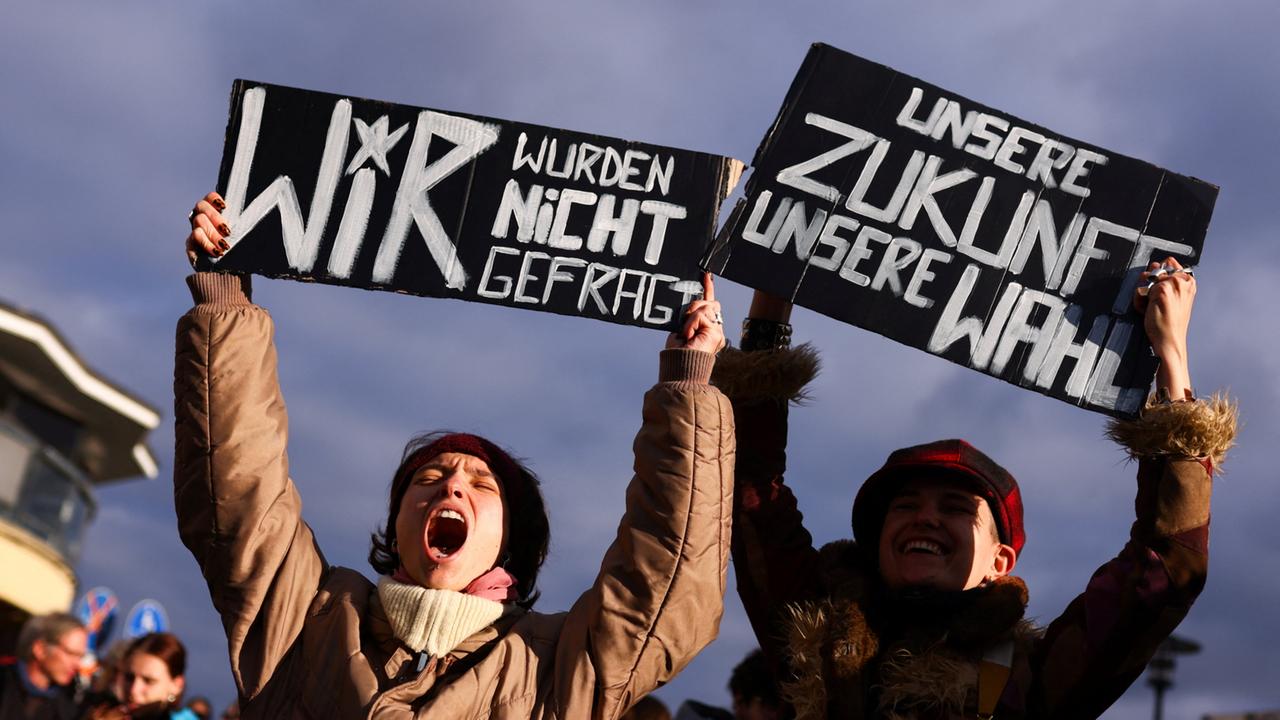
"Gen Z Regelt" leadership has been swift to distance itself from these incidents. Amadeo, speaking on behalf of the initiative, stated clearly, "What happens after the end of the demonstrations is beyond our control." This defense, while legally and logically sound, highlights a recurring challenge for decentralized, social-media-driven protest movements: the difficulty of maintaining narrative and behavioral discipline once the official leadership loses control over the crowd’s trajectory.
Implications for the Future of Youth Activism
The future of "Gen Z Regelt" appears to be defined by a shift toward international alignment. The movement has confirmed its intention to participate in the upcoming International Youth Strike Day on November 20. This event, organized by a broader coalition of groups, will serve as a litmus test for whether "Gen Z Regelt" can maintain momentum or if it will be sidelined by more established youth advocacy organizations.
The Challenge of Sustainability
A key hurdle for the movement is the question of long-term viability. A short-lived post on their website briefly announced another protest date for November 14, which was subsequently removed in favor of a vague promise that protests would occur "soon." This ambiguity suggests that the organizers are struggling to find a consistent tempo for their activism.
Furthermore, the movement’s "loose" structure, which initially helped it gain rapid support via social media, is now becoming a liability. Without a clear hierarchy, the group struggles to address concerns regarding transparency and accountability, which are vital for securing long-term public and political legitimacy.
The Broader Political Landscape
The issues raised by the protesters—mental health, education, and economic security—are not niche concerns; they are central to the current German political discourse. By refusing to align with traditional political parties, "Gen Z Regelt" has created a unique space for unfiltered expression. Yet, the history of such movements shows that without a bridge to the parliamentary process or a clear policy agenda, the energy of the streets risks dissipating without translating into concrete legislative change.
Conclusion
The events of November 1, 2026, serve as a mirror for the current state of youth engagement in Germany. There is a palpable, widespread desire for change among the younger generation, and the capacity for large-scale, nationwide mobilization is clearly present. However, the movement "Gen Z Regelt" is currently grappling with the growing pains of a digital-first organization: the difficulty of managing expectations, the challenge of security in a chaotic public sphere, and the necessity of organizational maturity.
As they prepare for the November 20th international demonstrations, the organizers face a critical choice: either evolve into a more structured, transparent, and policy-oriented organization capable of navigating the complexities of the political establishment, or risk being remembered as a transient, albeit powerful, flash in the pan. The strength of their resolve is evident, but the path to achieving their stated goals—social equity, climate justice, and a secure future—remains unpaved and increasingly complex. For now, the "Gen Z" generation has demonstrated that they are not content to remain silent, but the transition from protest to progress remains a work in progress.