With the release of the first developer beta for watchOS 27.3, Apple has officially introduced two of the most ambitious—and polarizing—artificial intelligence features to the Apple Watch Series 12 and Apple Watch Ultra 4. Under the banner of "Audio Intelligence," these tools promise to augment human memory and productivity through real-time processing of ambient conversation. However, the rollout has reignited intense debates surrounding digital privacy, the ethics of ambient recording, and the potential for "unconsented" participation in AI-generated summaries.
Main Facts: What Are "Live Rewind" and "Siri Recap"?
The new update, currently available to developers, brings two distinct but related features to the flagship wearables. Both are designed to leverage the advanced microphones and the S11 chip’s processing power to turn spoken words into actionable data.
Live Rewind acts as a digital "instant replay" for conversations. By performing a double-tap on the Digital Crown, the user can prompt the watch to display the previous 15 seconds of audio as a text transcription on the screen. This feature is intended for scenarios where a user may have missed a detail, struggled to hear in a noisy environment, or simply needs a quick reference for a name or address. Once displayed, the text can be queried via Siri or saved within the Siri application.
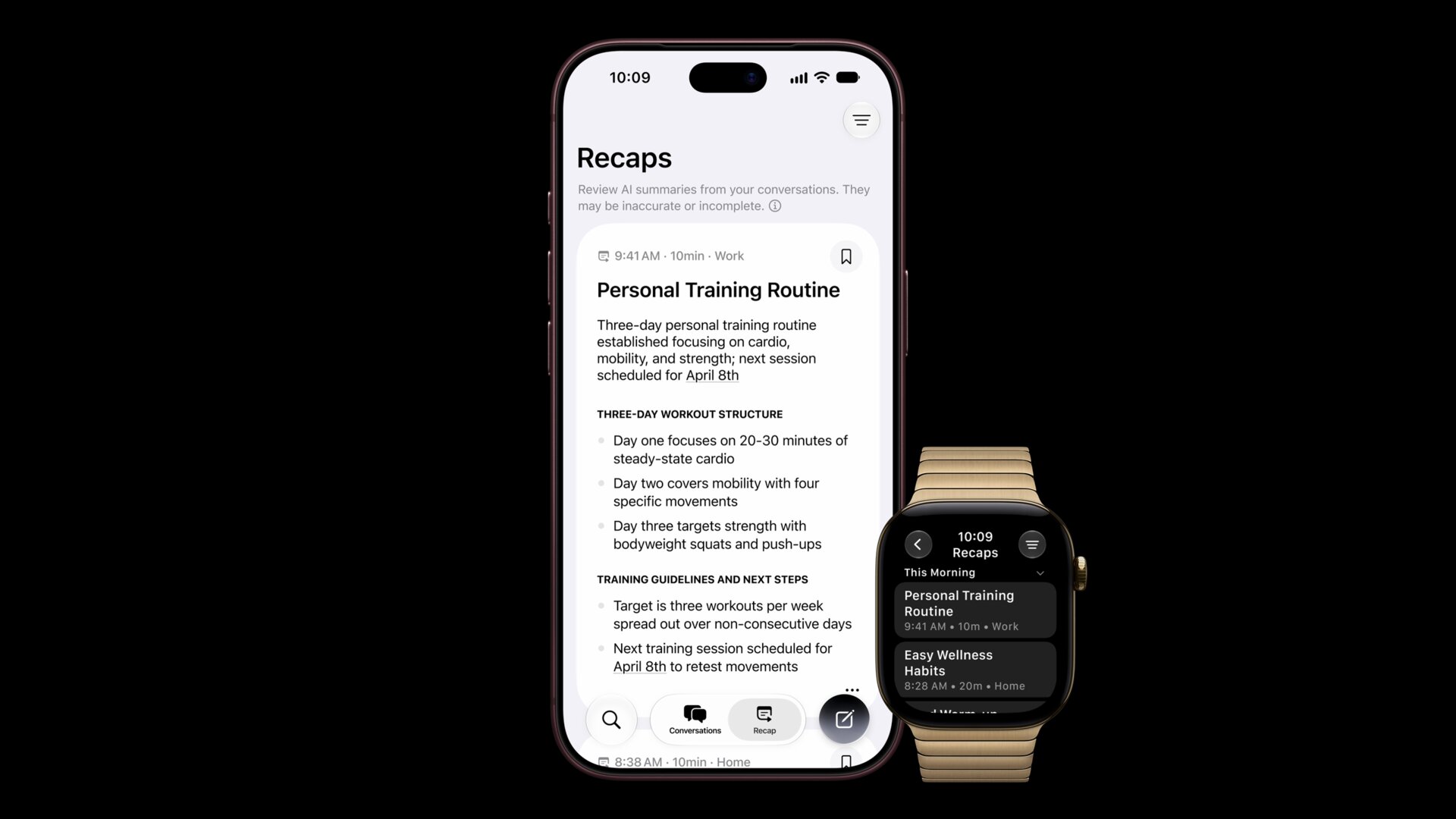
Siri Recap is a more persistent, long-form utility. Throughout the day, the Apple Watch listens for conversational cues and generates notes based on the discussions it captures. Rather than providing a verbatim transcript—which Apple argues would be privacy-invasive—the system provides a high-level overview: a title, a brief summary, and a list of key takeaways. Crucially, the feature is designed to redact sensitive information such as financial data or government-issued identification numbers, attempting to balance utility with data security.
Chronology of Development
The path to these features began with the launch of the Apple Watch Series 12 and Ultra 4, where Apple first teased its "Audio Intelligence" roadmap.
- Initial Launch (Series 12/Ultra 4 Debut): Apple introduced the foundational hardware capable of processing audio locally. At this stage, limited functions like Sound Recognition and Shazam-powered music identification were the only available audio-centric features.
- The Privacy Backlash: Upon the initial announcement, privacy advocates and legal experts immediately voiced concerns. The primary issue was the "asymmetry of information": the watch wearer is aware that recording is active, but the person being recorded remains unaware that their words are being fed into an AI summarization engine.
- watchOS 27.3 Developer Beta: The current phase. Apple has moved from theory to implementation, testing these tools with a select group of developers.
- Future Rollout: Apple has signaled a transition to a public beta phase, followed by a general release. Notably, European Union users will not see these features in the initial wave, owing to both the current absence of Apple Intelligence/Siri AI support in the region and strict regulatory scrutiny regarding privacy.
Supporting Data and Technical Architecture
Apple has gone to significant lengths to outline the security measures governing these features, emphasizing that the "on-device" nature of the processing is the primary safeguard against abuse.
Technical Safeguards
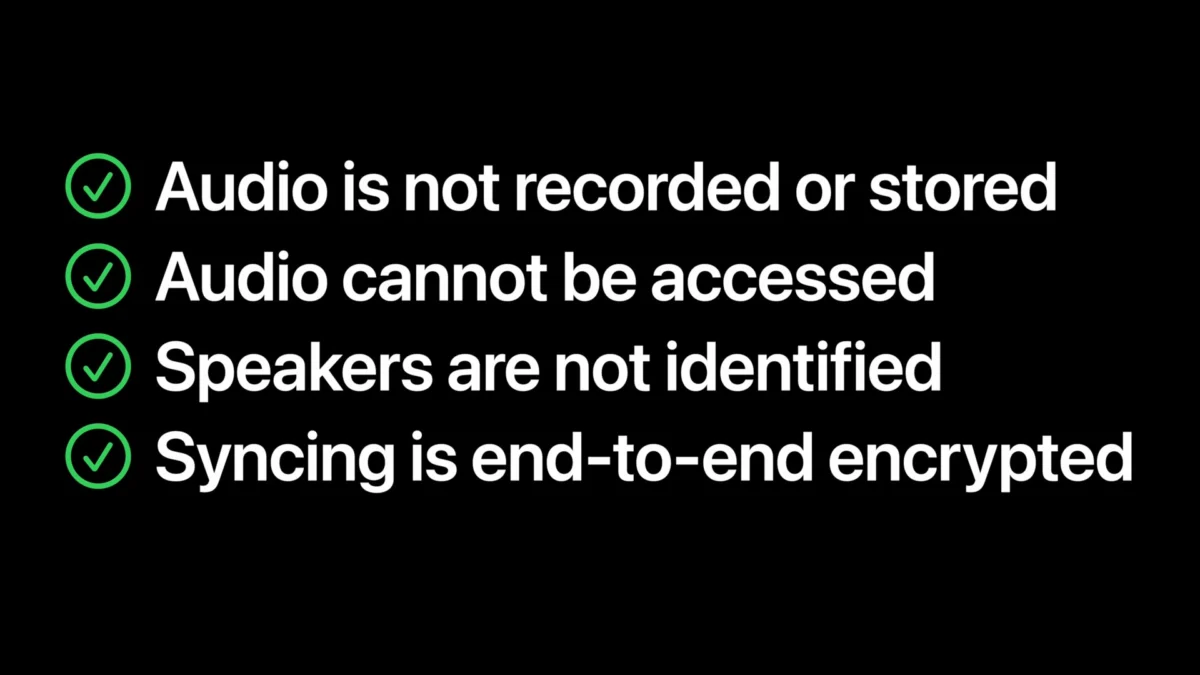
For Live Rewind, processing occurs exclusively within the Secure Exclave on the S11 chip. The audio data is never stored in a retrievable format; it is effectively a "rolling buffer" that is wiped roughly 30 seconds after the display dims. Apple insists that neither the OS, nor third-party apps, nor Apple itself can access the raw audio stream used to create the temporary transcript.
For Siri Recap, the process is more complex. While the initial analysis of the conversation occurs on-device, the generation of the "summary" involves sending a condensed version of the transcript to Apple’s cloud servers. Apple claims that this data is anonymized and that the system does not attribute specific statements to individual speakers, mitigating the risk of identifying participants. Furthermore, these summaries are ephemeral, set to self-destruct after seven days unless the user manually opts to save them to the "Notes" or "Journal" applications.
Hardware and Software Requirements
These features are not universally available across the Apple Watch lineup. They require:
- Hardware: Apple Watch Series 12 or Apple Watch Ultra 4.
- Ecosystem: A paired iPhone 16 or newer (excluding the iPhone 16e).
- Regional Availability: Currently limited to English-speaking regions with full Apple Intelligence support.
- Age Restrictions: The features are strictly locked for users under the age of 13 to protect minors from unauthorized data collection.
Official Responses and Strategic Positioning
Apple has framed these features as an evolution in "human-centric computing." During internal briefings, company representatives have described the tools as "assistive technologies" designed to reduce the cognitive load of everyday life. By offloading the task of remembering specific details to the Apple Watch, users can remain more present in conversations, or so the argument goes.
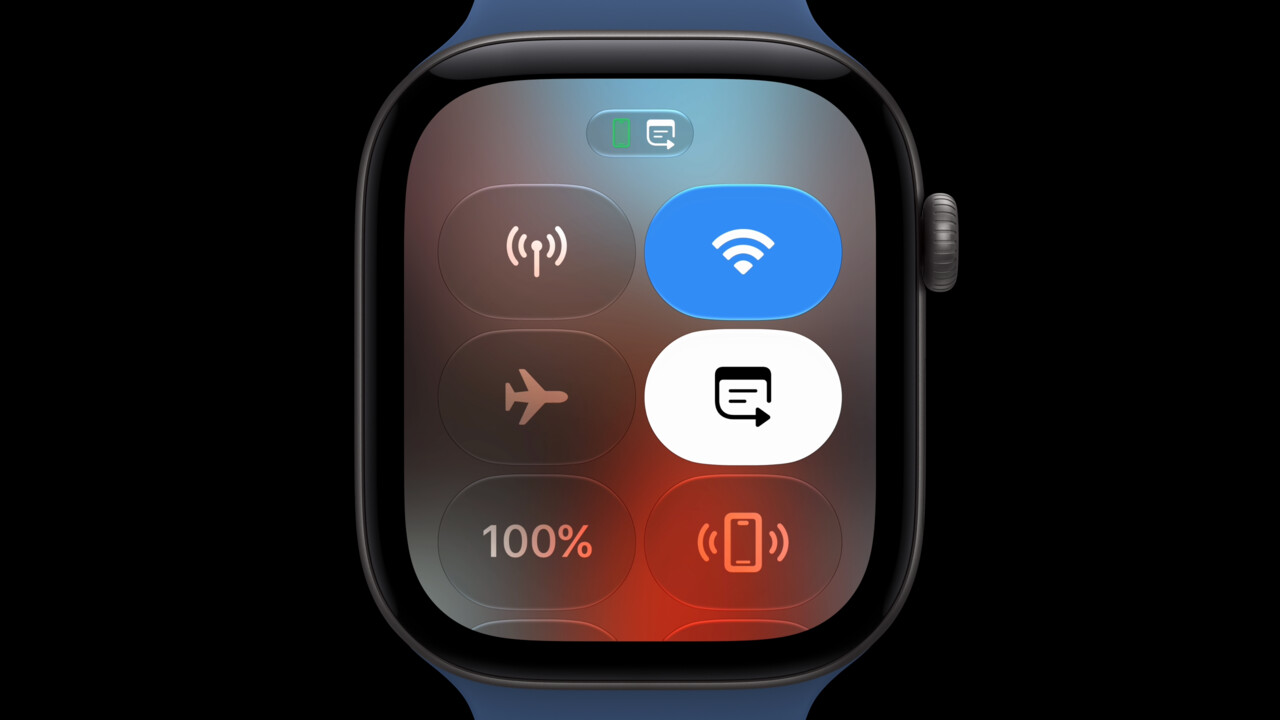
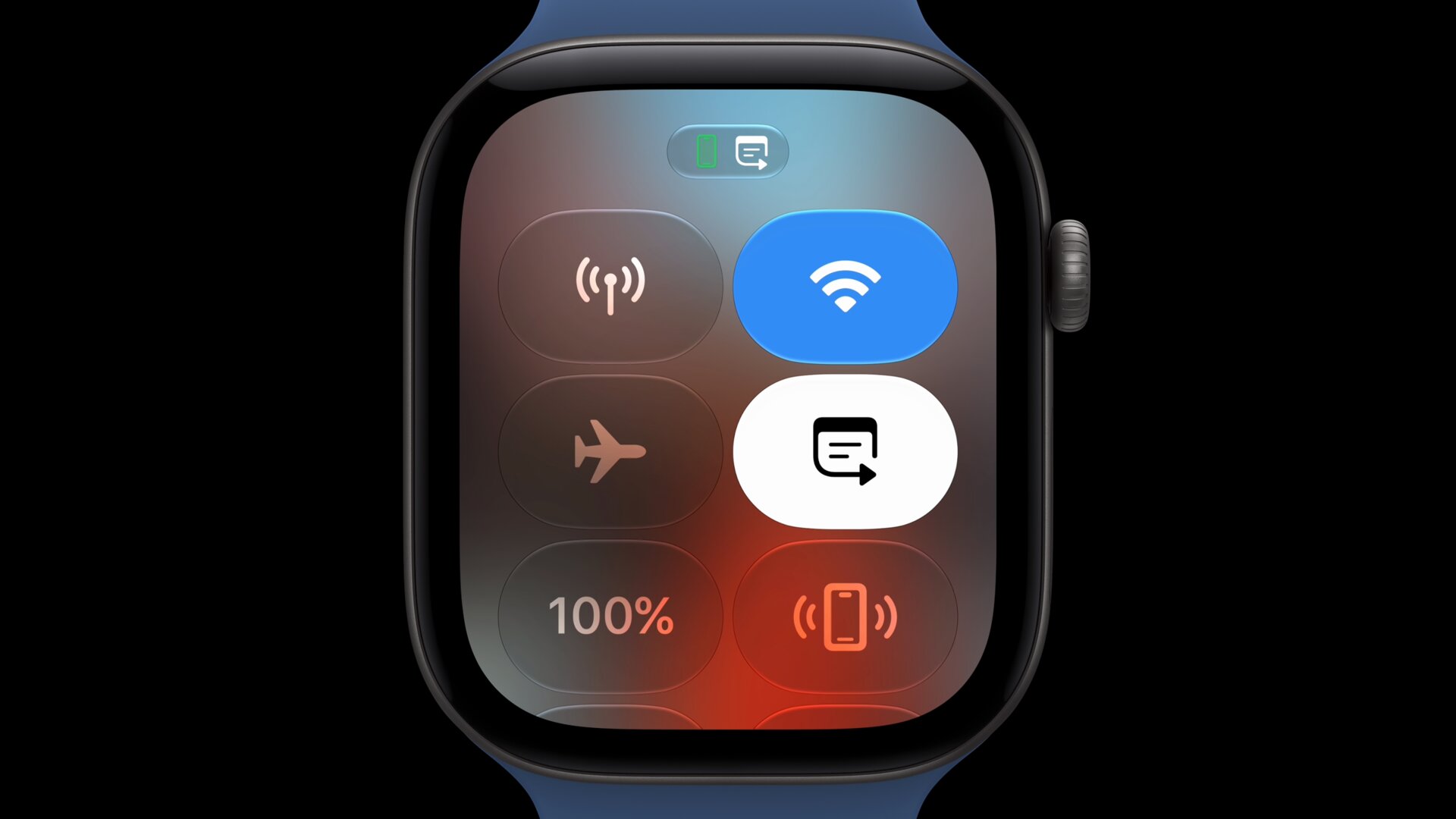
Regarding the "unconsented" recording concern, Apple emphasizes that these features are entirely optional. The user must actively enable them in the Control Center, and they can be scheduled based on location (e.g., geofenced to the workplace) or time (e.g., disabled at night). By providing granular control, Apple hopes to mitigate the social friction that these features inherently create.
However, critics remain unconvinced. Privacy researchers point out that even if the recording is local, the social implication is that every conversation in the presence of an Apple Watch user is now potentially "on the record."
Implications for the Future of Wearables
The introduction of Live Rewind and Siri Recap marks a significant shift in the wearable market. The Apple Watch is no longer just a fitness tracker or a notification mirror; it is becoming a persistent, AI-powered "second brain."
The "Social Contract" of AI
The primary implication is the disruption of the traditional social contract in face-to-face communication. In the past, the expectation of privacy in a private conversation was absolute. With AI-enabled recording, that expectation is now conditional on the technological capabilities of the participants. This may lead to new forms of social etiquette—or social avoidance—where individuals may feel uncomfortable speaking freely in the presence of advanced wearables.
The Privacy vs. Utility Trade-off
Apple is betting that the utility of these features will outweigh the privacy concerns. For professionals in meetings, students in lectures, or individuals with memory-related disabilities, the ability to "rewind" or summarize a conversation is undeniably powerful. Yet, the company faces a precarious balancing act. If a high-profile breach or a scandal involving "secret" recordings occurs, the public perception of these tools could turn toxic overnight.
Regulatory Challenges
The decision to delay the rollout in the European Union is a tacit admission that Apple is aware of the regulatory hurdles. The EU’s AI Act and GDPR (General Data Protection Regulation) place heavy emphasis on transparency and user consent. Because these tools function in environments where third parties are present, Apple’s model of "individual user consent" may not satisfy EU regulators who argue that the privacy of the other party must also be protected.
Conclusion
As Apple pushes forward with the watchOS 27.3 beta, the industry will be watching closely. Is this the future of ambient computing, where our devices help us navigate a complex world, or is it a step too far into the realm of surveillance?
The technical architecture—specifically the use of the S11 Secure Exclave and the ephemeral nature of the data—shows that Apple is taking the privacy risks seriously from a design perspective. However, the social and ethical questions surrounding the recording of others remain unanswered. As these features move toward a public release, the ultimate test will be whether society accepts the "Watchful Wrist" as a helpful companion or rejects it as an intrusive auditor of our private lives. For now, the first beta represents a technological marvel, but one that arrives with a heavy burden of responsibility.