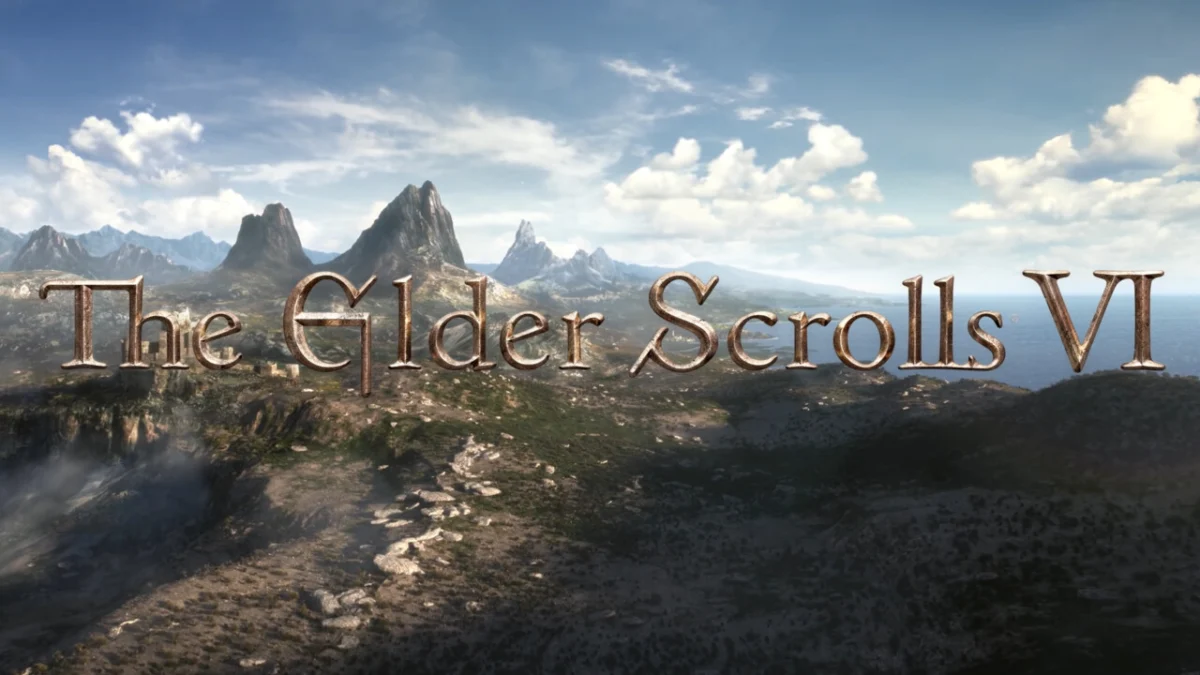
The gaming world has long been captivated by the promise of The Elder Scrolls VI, a title that has transitioned from a highly anticipated announcement to a symbol of the modern, prolonged development cycle. While the official confirmation of the subtitle Sentinel has provided a focal point for fan speculation, the sobering reality remains that the return to the continent of Tamriel is still a distant prospect. According to industry insiders and recent reports, players should not expect to set foot in Hammerfell before late 2028 at the earliest.
Main Facts: The Reality of the Development Timeline
Despite the excitement generated by the official naming of the project, the development roadmap for The Elder Scrolls VI: Sentinel remains firmly in the "under construction" phase. Renowned investigative journalist Jason Schreier recently clarified the situation via the social platform Bluesky, noting that the game is still more than two years away from completion.
This assessment serves as a reality check for the community. Bethesda Game Studios, under the leadership of Todd Howard, has long maintained a policy of caution regarding release dates. While Howard noted in early 2026 that the team had reached significant internal milestones and that the game was beginning to take a more concrete, playable shape, he remained steadfast in avoiding a firm release window. The gap between a game being "playable" in a developer’s build and a title being "ready for market" is vast, particularly for a studio known for the immense scale and complexity of its open-world RPGs.
A Chronology of Anticipation and Delay
To understand why the wait for Sentinel feels so monumental, one must look back at the history of the project’s public existence.
2018: The Strategic Reveal
The saga began at E3 2018. Bethesda, facing significant backlash following the announcement and subsequent rocky launch of the multiplayer-focused Fallout 76, needed to reassure its core fanbase. By showing a brief, atmospheric teaser for The Elder Scrolls VI, the studio sent a clear message: the single-player RPG was still the heart of the company. At the time, this was a brilliant PR maneuver, but it arguably set the stage for a decade of impatience.
2018–2025: The Silent Years
For several years, news regarding the project was practically non-existent. Bethesda focused its resources on Starfield, their new intellectual property. During this period, The Elder Scrolls V: Skyrim continued to be re-released and ported to every major platform, keeping the franchise in the public consciousness even as the development of its successor remained shrouded in mystery.
2026: The Milestone Year
By 2026, the discourse shifted from "Will it happen?" to "When will it happen?" With Starfield having launched and received its expansions, the studio’s focus shifted entirely toward Hammerfell. However, the optimism surrounding the project has been tempered by internal instability and the broader economic challenges facing the gaming industry.
Supporting Data: The Scale of the Challenge
The development of The Elder Scrolls VI is not merely a technical endeavor; it is a logistical one. Bethesda is currently tasked with balancing the immense pressure of living up to the legacy of Skyrim—a game that, as of this month, celebrates its 15th anniversary—while operating under the corporate umbrella of Microsoft/Xbox.
Industry observers note that the complexity of modern engine development, coupled with the desire to push the boundaries of procedural generation and AI-driven NPC interaction, has exponentially increased development cycles. If Schreier’s estimate holds, more than a decade will have passed between the initial 2018 teaser and the eventual launch. This "ten-year gap" is emblematic of the "Triple-A" development trap: announcing games too early to satisfy shareholders, only to face a grueling, multi-year polish phase that tests the limits of fan loyalty.
The Human Element: Bethesda Under Pressure
Perhaps the most concerning aspect of the current development cycle is the environment within Bethesda itself. In July 2026, reports surfaced regarding a significant wave of layoffs within Microsoft’s gaming division, which impacted Bethesda directly. Sources indicated that more than 50 employees who had been working on the Elder Scrolls project were affected.
Beyond the raw numbers, there have been whispers of morale issues within the studio. The transition from the creative high of the Skyrim era to the corporate-integrated reality of the post-acquisition environment has been difficult for many veteran developers. The combination of losing institutional knowledge through layoffs and the immense pressure to deliver a "system-seller" title has created a challenging atmosphere.
When a project is in development for this long, maintaining a consistent creative vision becomes a Herculean task. The team must ensure that the game feels modern in 2028, despite being designed in an era (2018–2020) that feels vastly different in terms of technological standards and gaming trends.
Official Responses and Strategic Implications
Bethesda has remained tight-lipped regarding specific development setbacks, preferring to focus on the "vision" for the title. Todd Howard’s rhetoric has consistently emphasized quality over speed. In various interviews, he has likened the development of the Elder Scrolls series to a marathon rather than a sprint, noting that the game needs to be a platform that players can enjoy for another decade, much like Skyrim.
The Strategic Importance of Sentinel
For Bethesda and Microsoft, The Elder Scrolls VI: Sentinel is more than a game; it is a critical asset. Following the mixed reception of Starfield, the studio needs a resounding success to solidify its reputation as the industry leader in open-world RPGs. The success of Sentinel will determine the long-term viability of Bethesda’s current design philosophy.
Impact on the Xbox Ecosystem
As an Xbox-exclusive title, Sentinel carries the weight of the platform’s future on its shoulders. Microsoft has invested billions into Bethesda, and they require a return on investment that transcends initial sales figures. They need a "cultural phenomenon"—a game that drives Game Pass subscriptions and keeps users locked into the ecosystem for years. This high-stakes environment likely adds to the pressure on the development team, potentially contributing to the "slow and steady" approach that has characterized the last few years.
Conclusion: The Horizon Remains Distant
As we approach the end of 2026, the landscape for The Elder Scrolls VI: Sentinel is one of cautious anticipation. While we finally have a title, the path to the release of the game remains a long and winding road. The combination of technical ambition, the legacy of a 15-year-old predecessor, and the shifting tides of the gaming industry means that the wait is far from over.
For the legions of fans who have waited patiently since 2011, the message is clear: patience is the only currency that matters. Whether the result will justify a decade of development remains to be seen, but one thing is certain: when Sentinel finally arrives, it will be one of the most scrutinized and analyzed games in the history of the medium. For now, the deserts of Hammerfell remain a dream on the horizon, waiting for the day when Bethesda is finally ready to pull back the curtain.