The landscape of residential solar energy storage is undergoing a significant transformation. As the distinction between simple "balcony power plants" (plug-and-play solar systems) and full-scale residential photovoltaic installations blurs, hardware manufacturers are rushing to fill the gap. With the launch of the Stream 5000, EcoFlow has introduced a next-generation storage solution that aims to redefine performance and scalability, positioning itself as a direct and formidable competitor to the Anker Solix Solarbank 4 Pro.
The Stream 5000 is not merely an incremental update; it is a complete rethink of how modular energy storage should function. Boasting a 5 kWh battery, four MPPT controllers capable of handling 5,000 watts of solar input, and a robust 3,000-watt output, the system targets the growing segment of DIY enthusiasts and homeowners seeking to optimize their energy self-sufficiency without the complexity of traditional, professional grid-tied installations.
Main Facts: Redefining the "Balcony" Power Plant
The Stream 5000 represents the pinnacle of EcoFlow’s efforts to address the feedback gathered from their previous iterations, including the Stream Ultra and Stream Ultra X. The core specifications are designed to handle more than just a couple of solar panels:
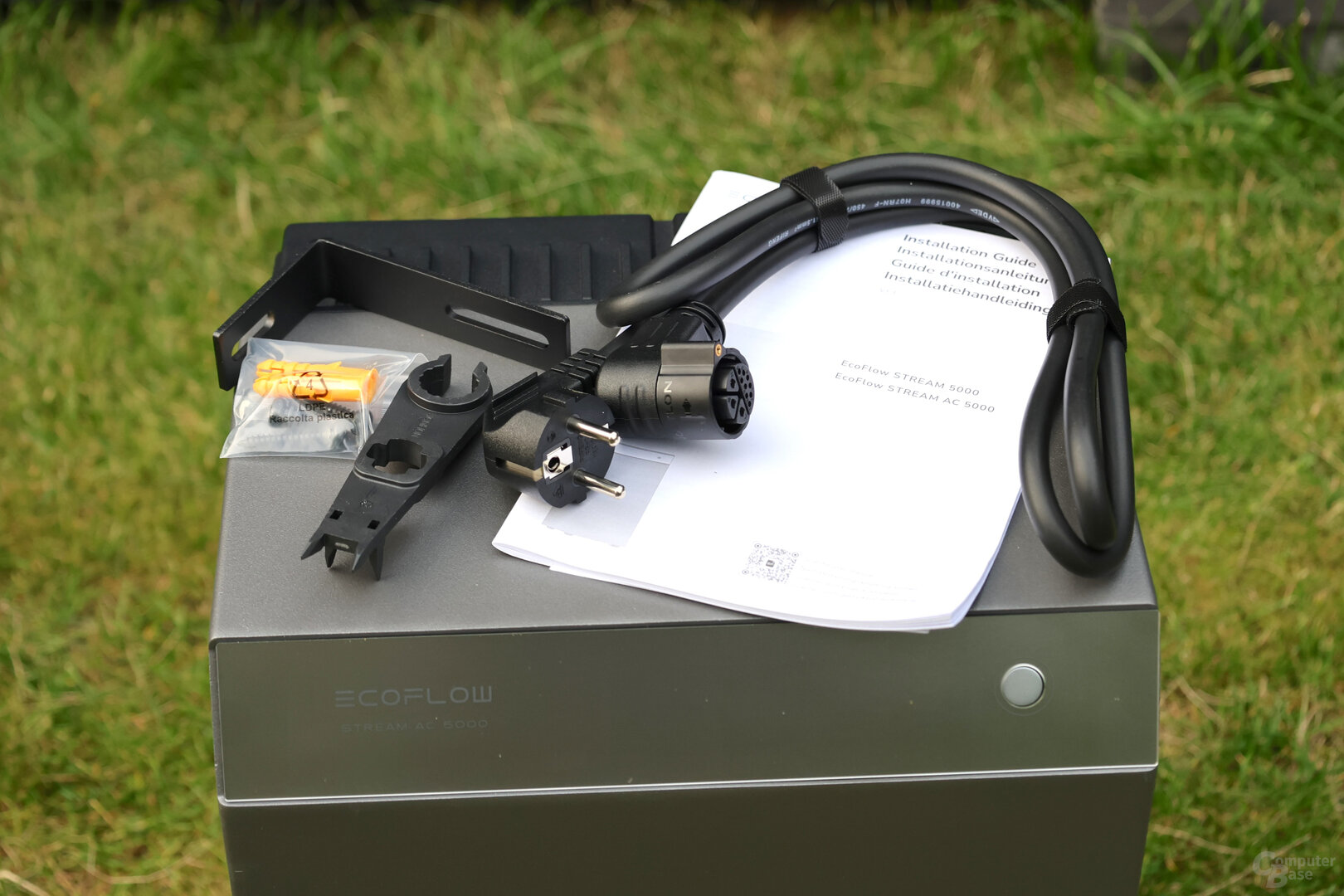
- Capacity: 5,024 Wh, expandable up to 15 kWh per stack.
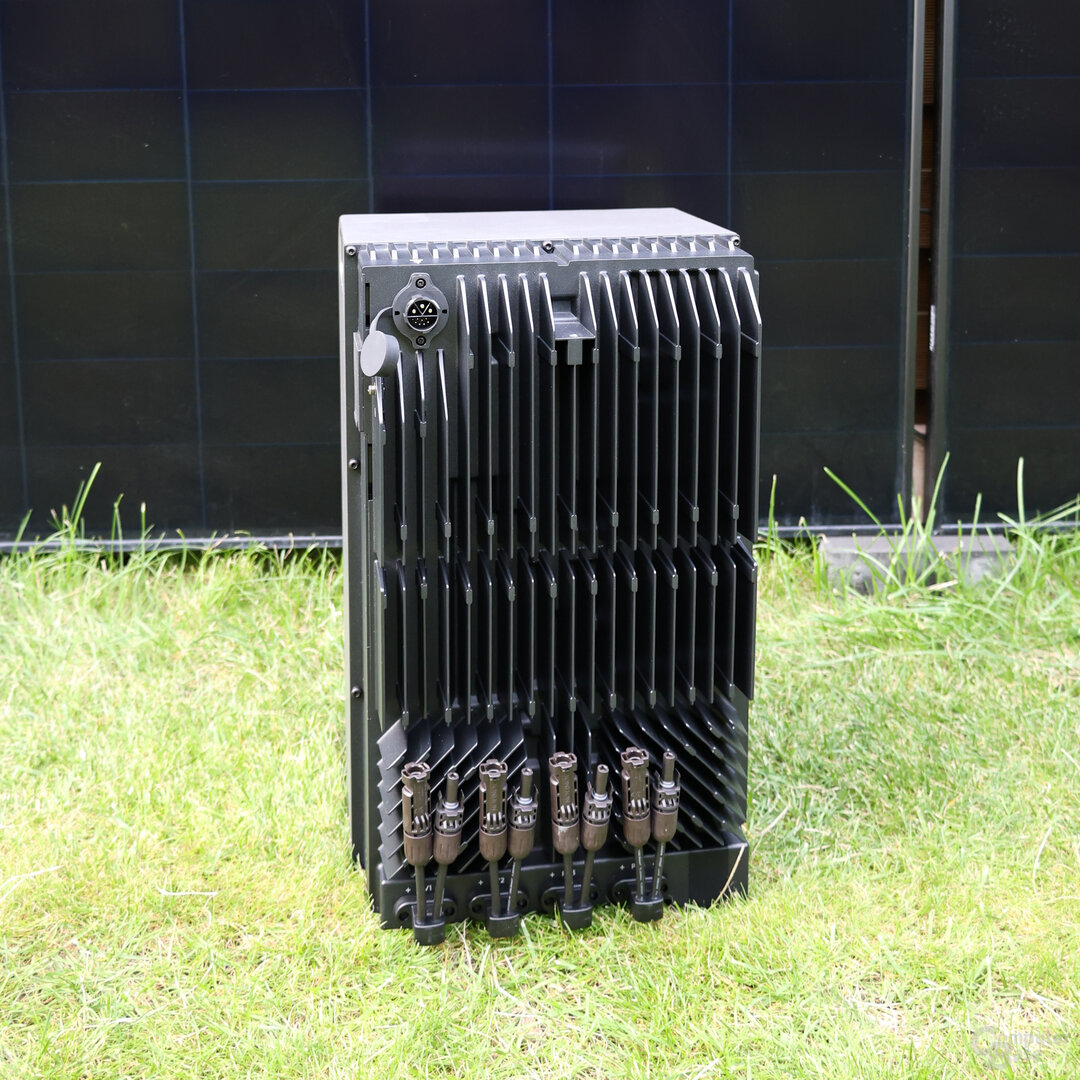
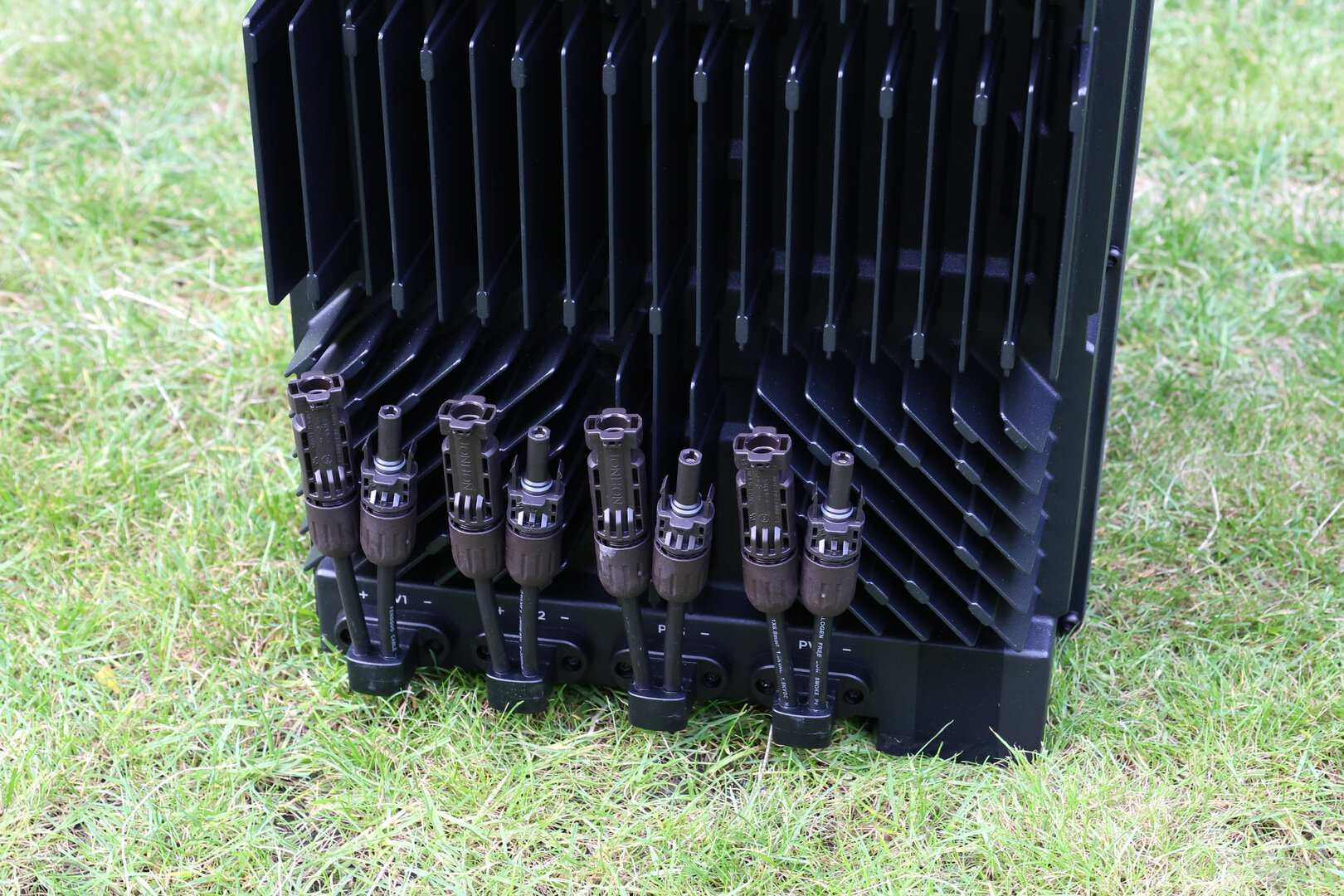
- Solar Input: 5,000 watts total across four independent Maximum Power Point Tracking (MPPT) inputs.
- Output Power: Up to 3,000 watts.
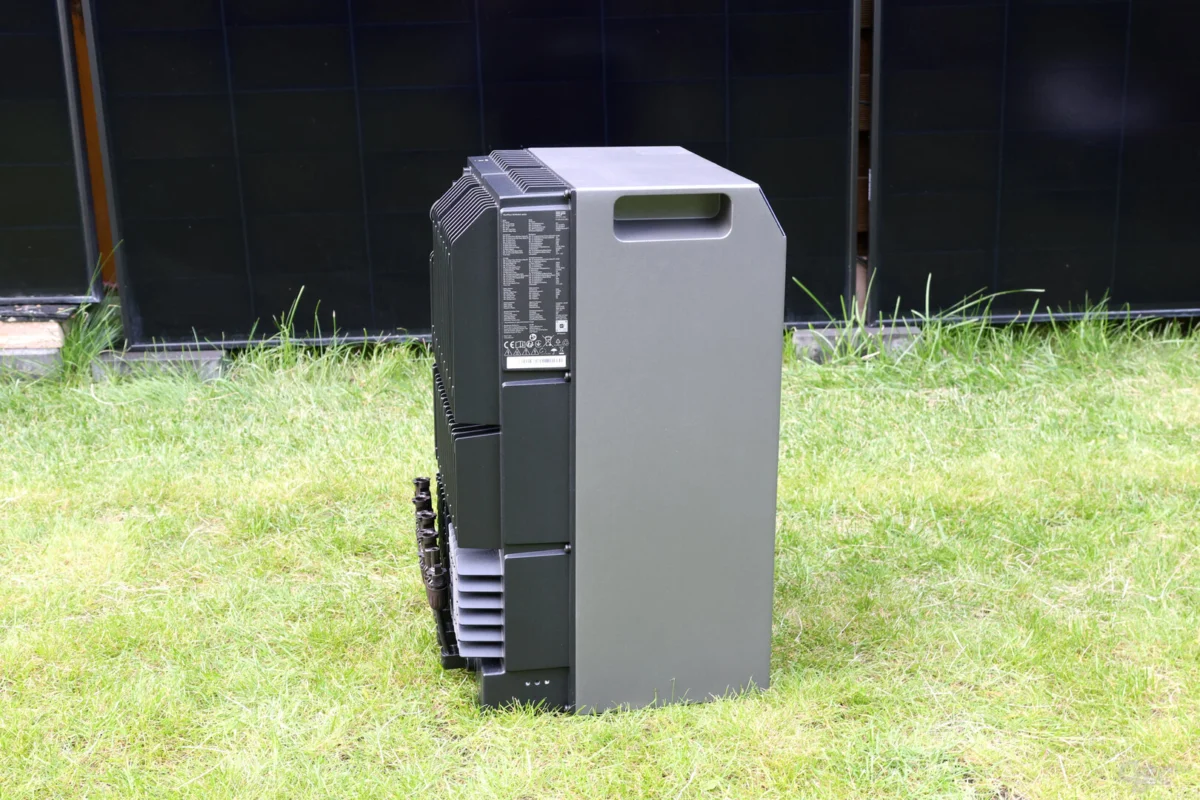
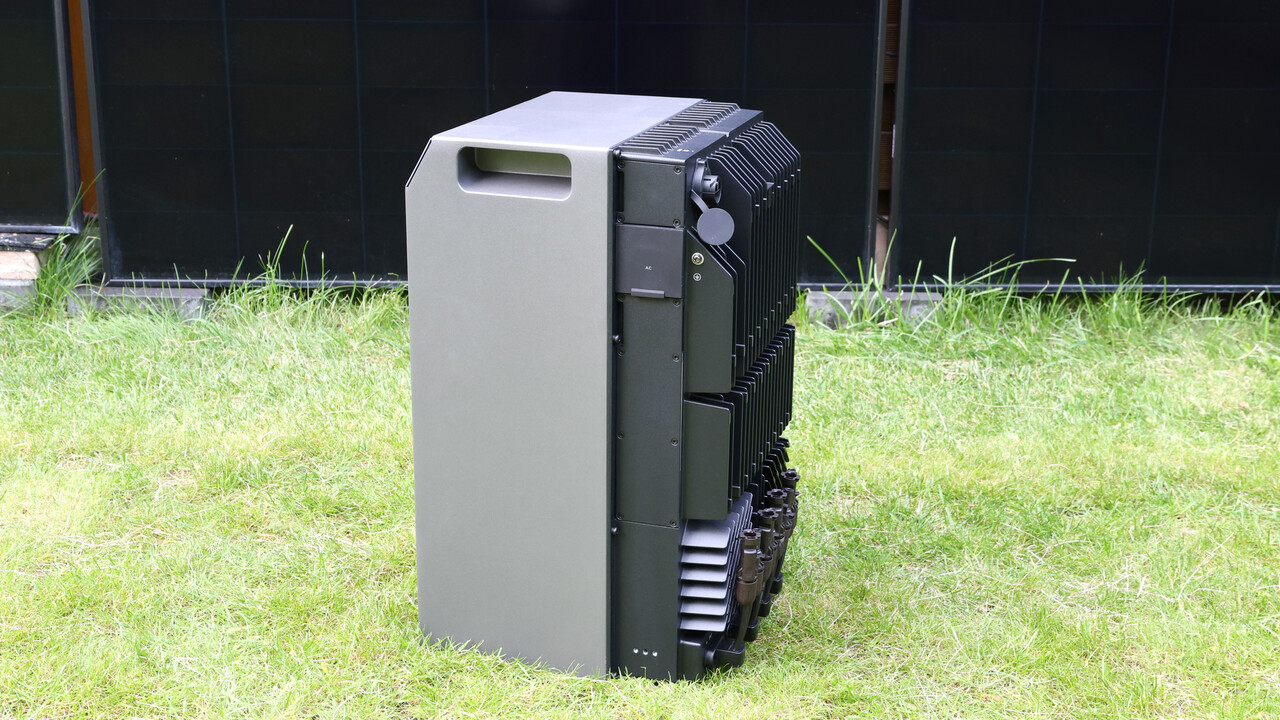
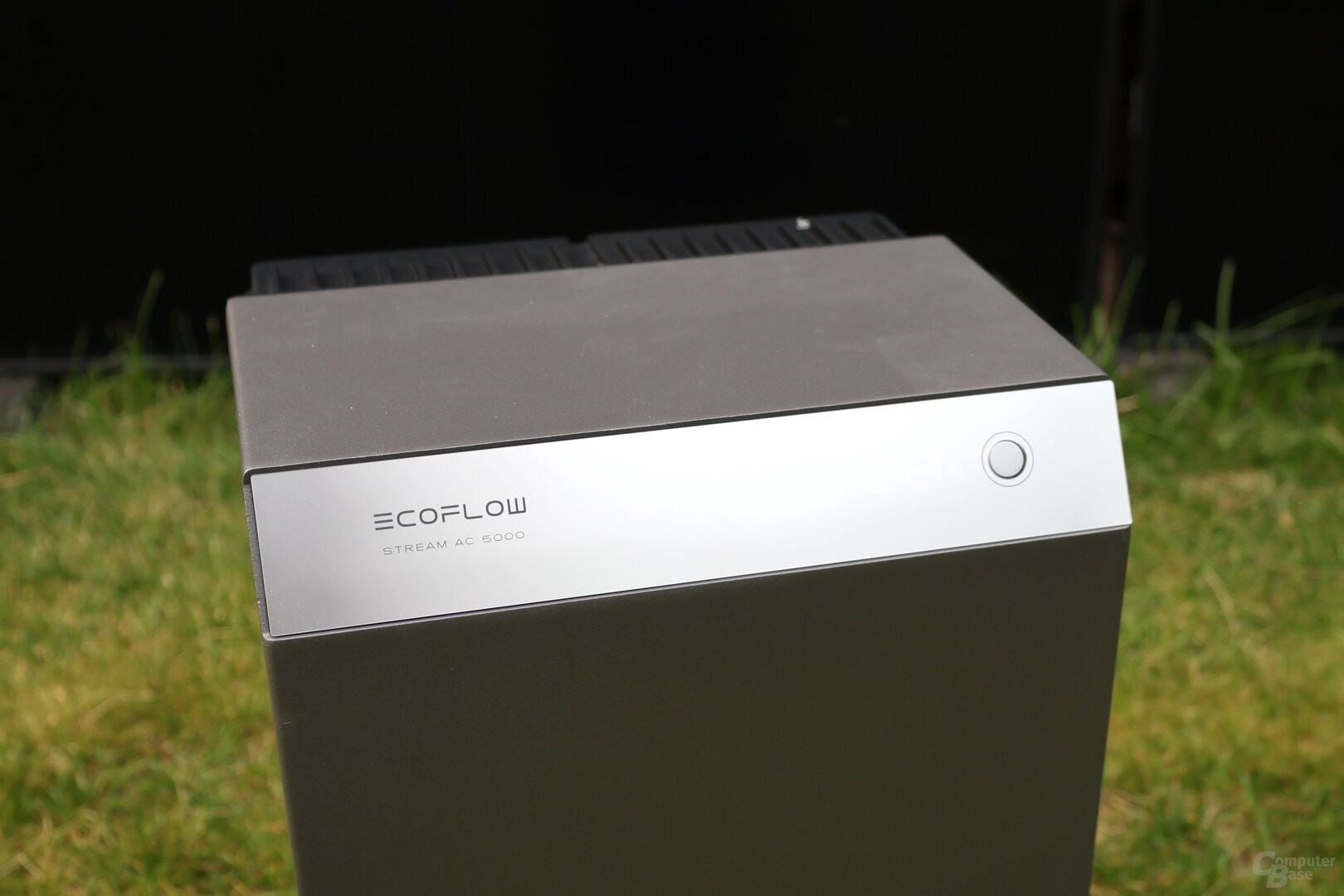
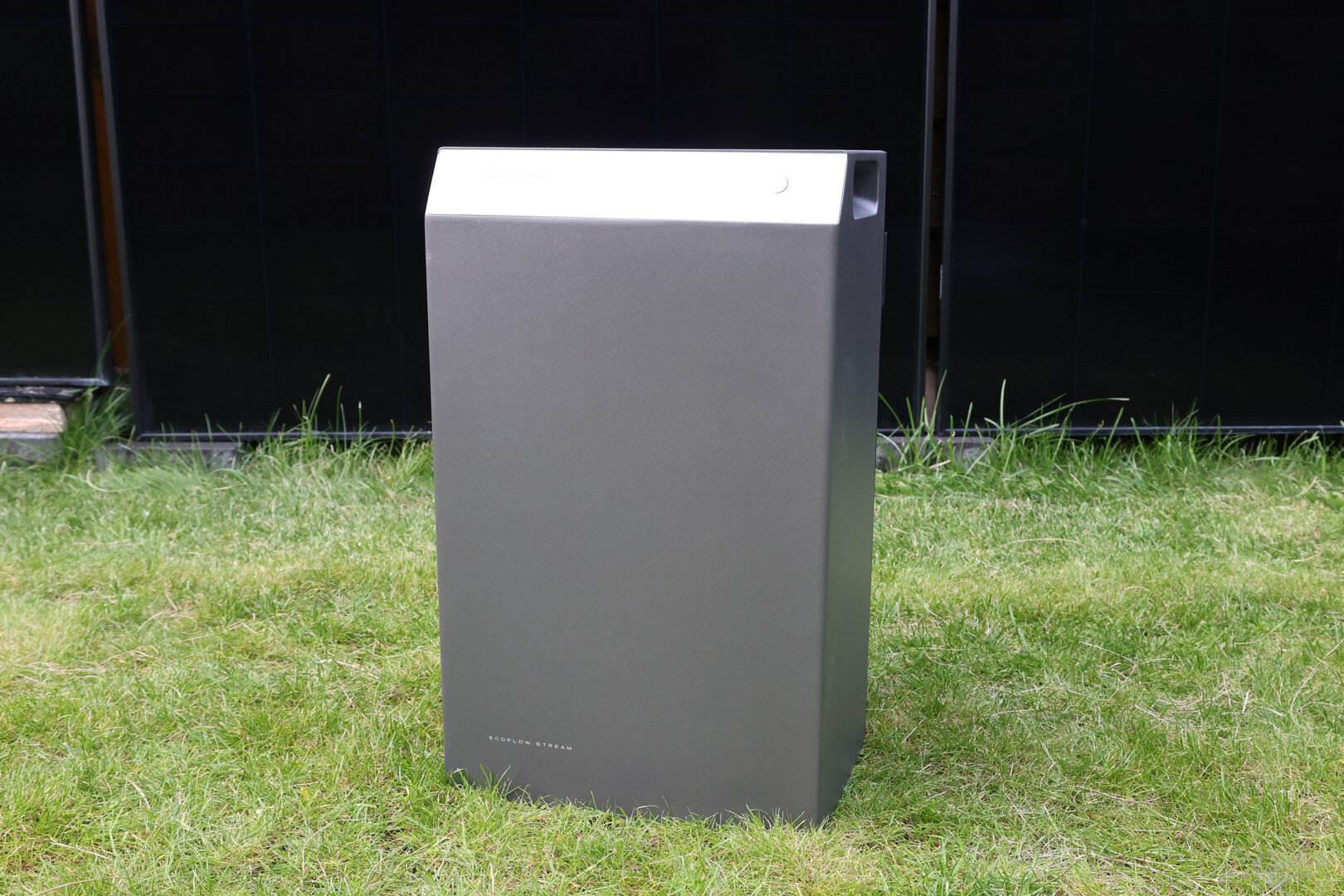
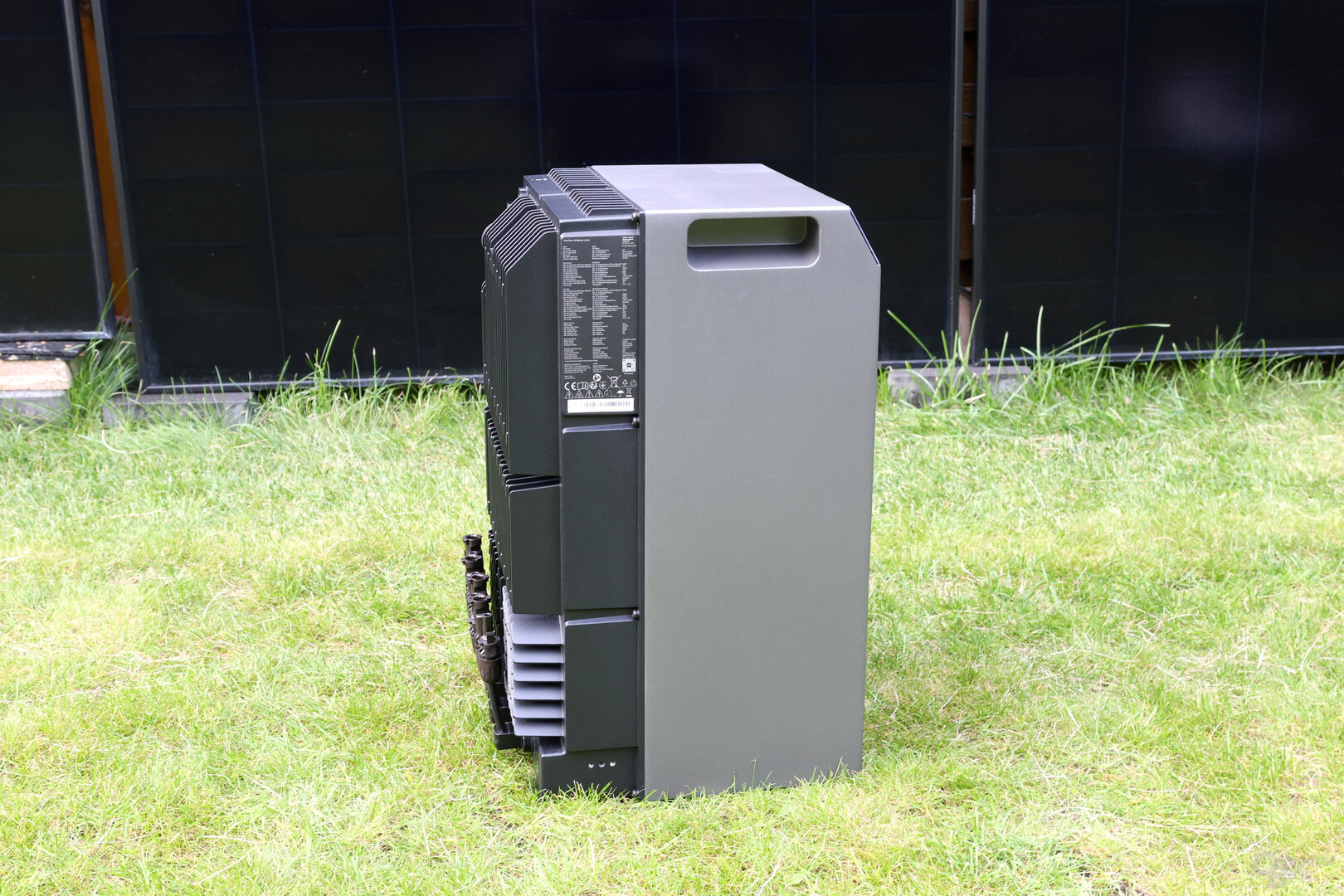
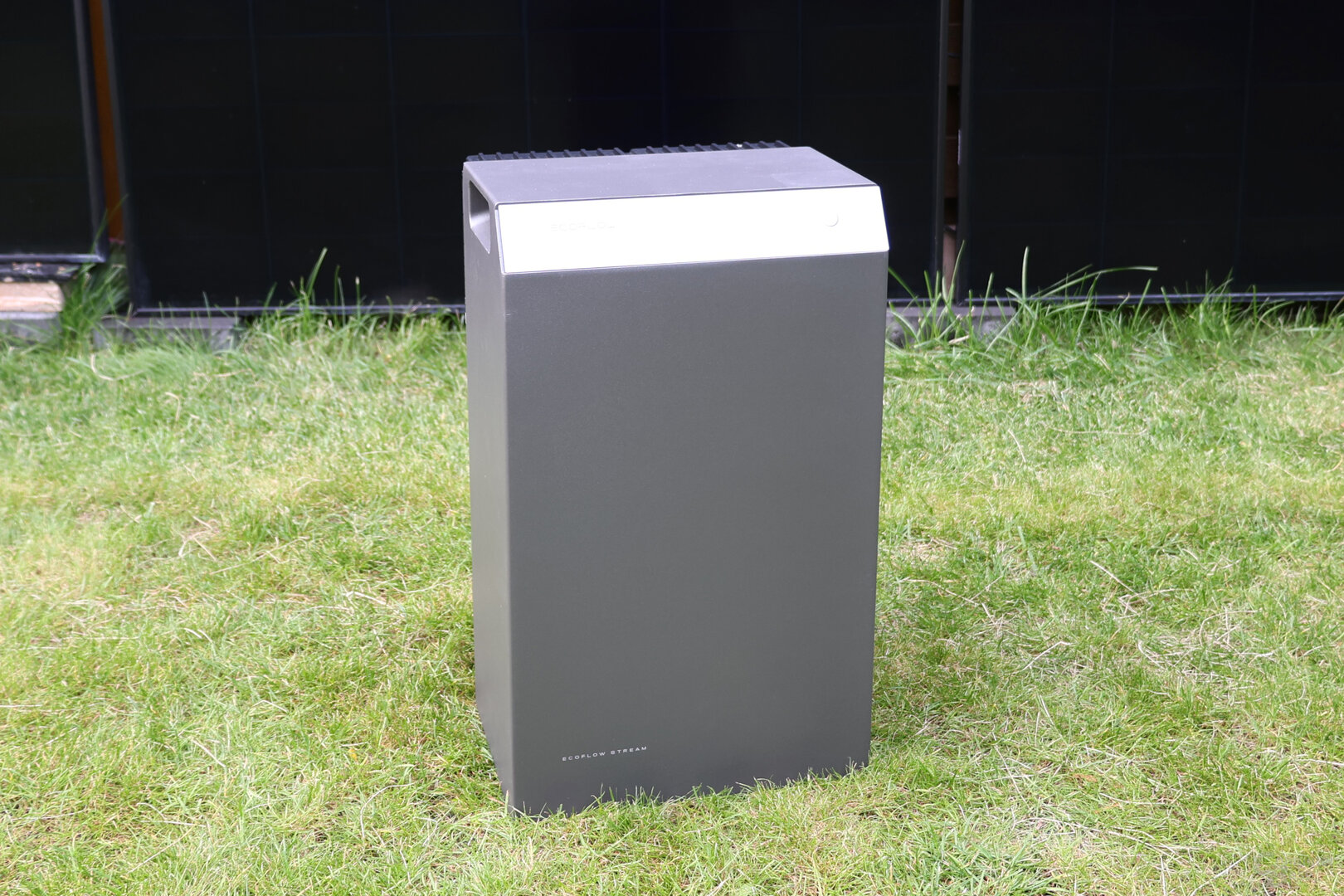
- Design: A vertical, stackable aluminum chassis that prioritizes a smaller physical footprint.
- Chemistry: High-cycle Lithium Iron Phosphate (LFP) cells rated for 10,000 cycles.
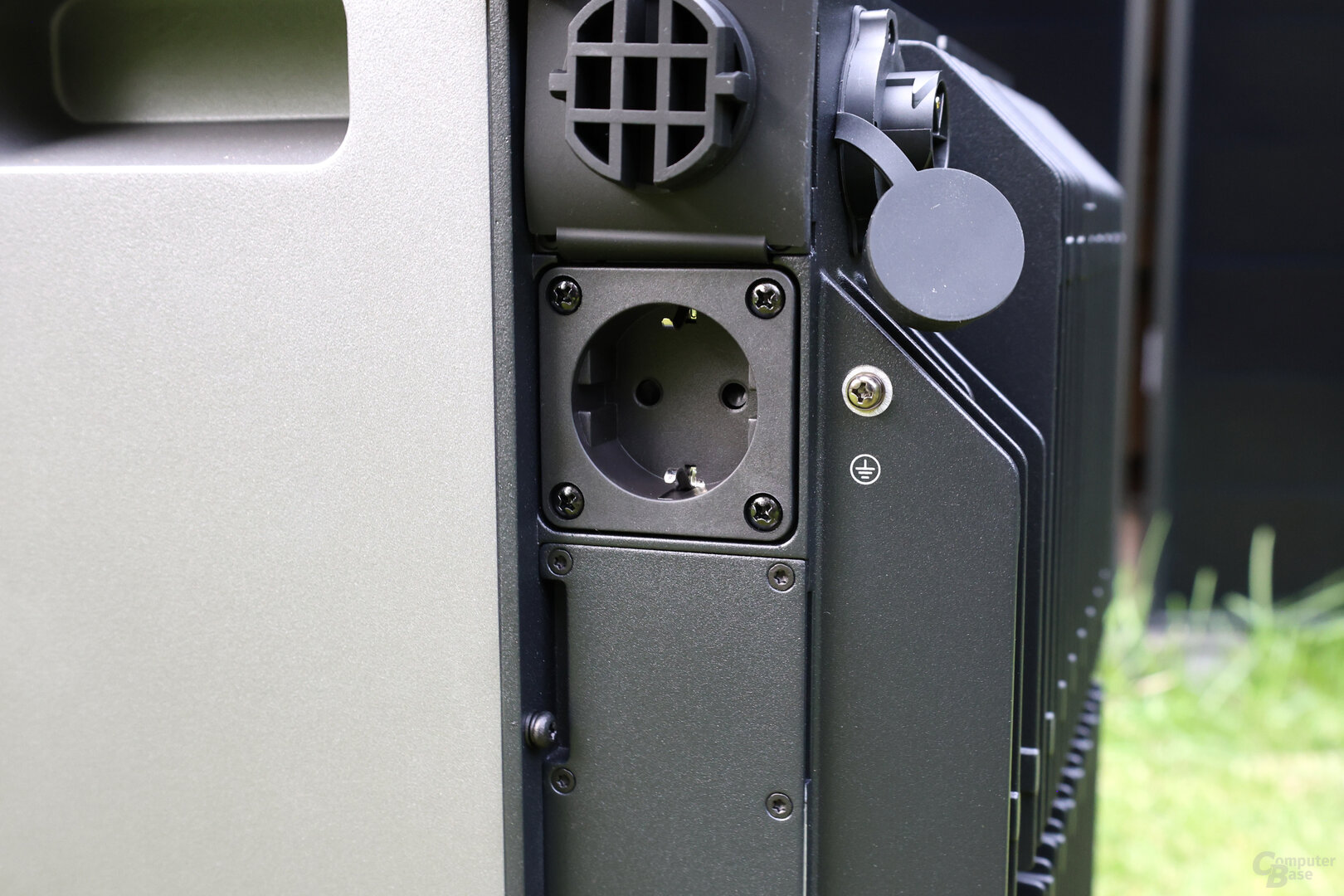
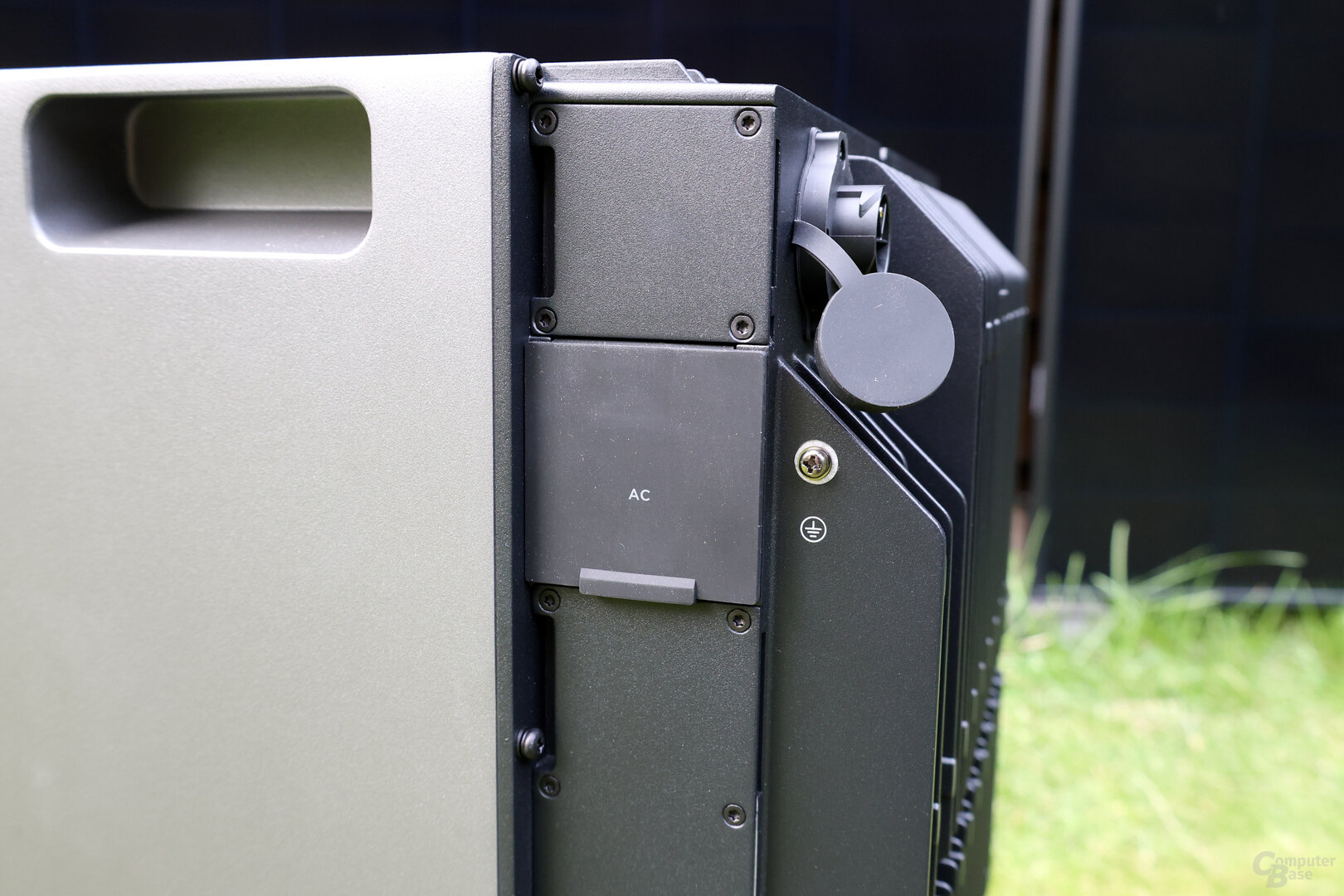
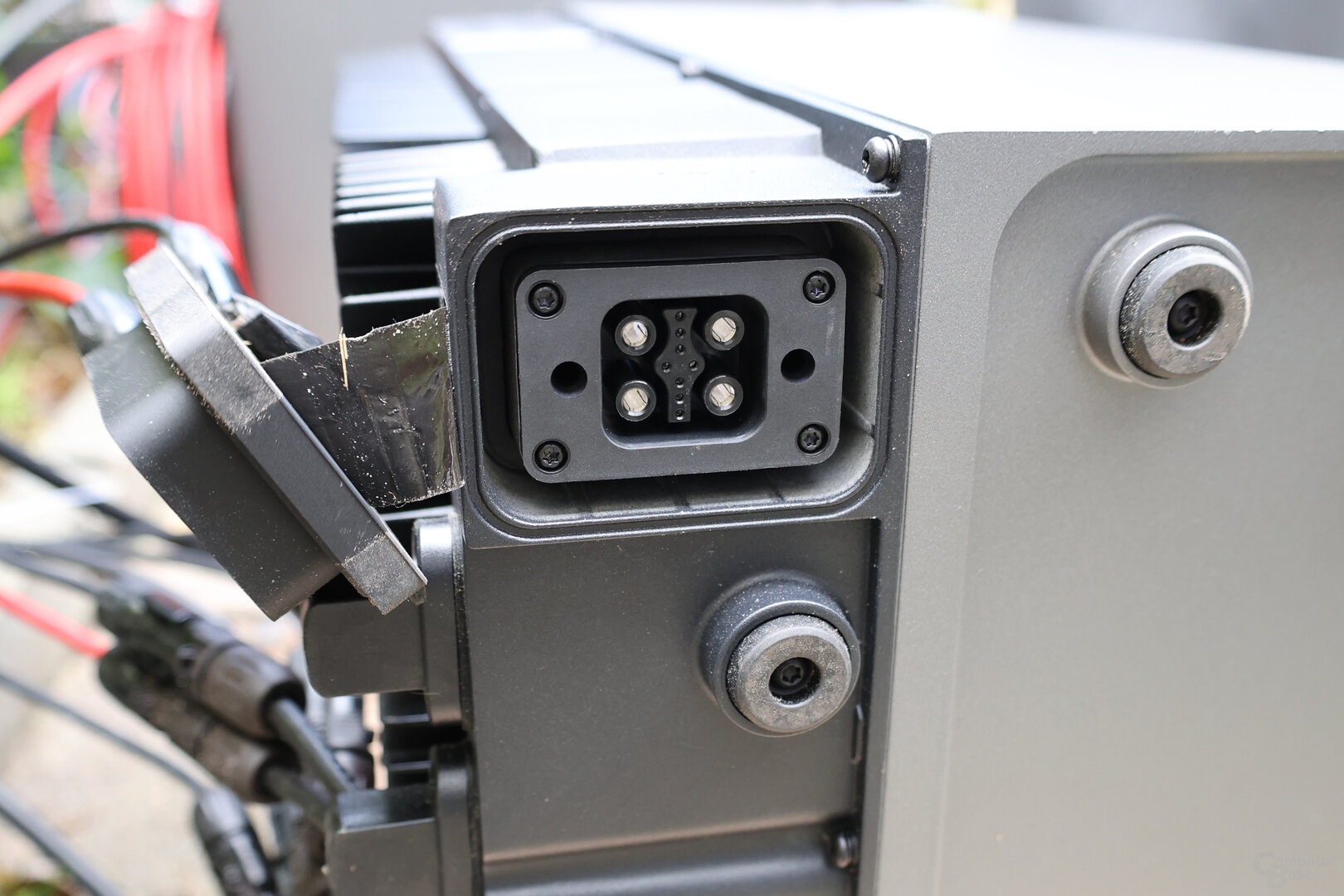
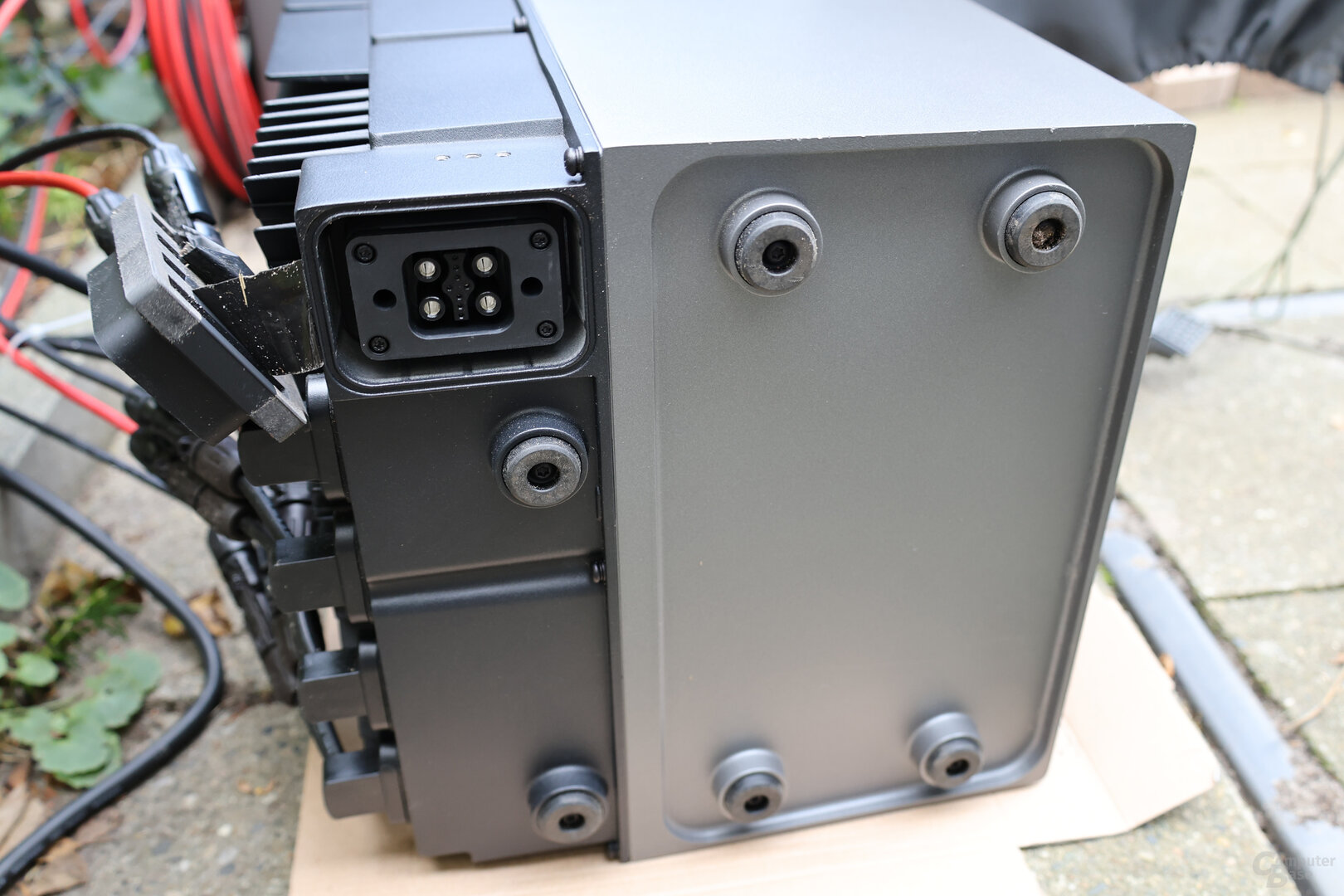
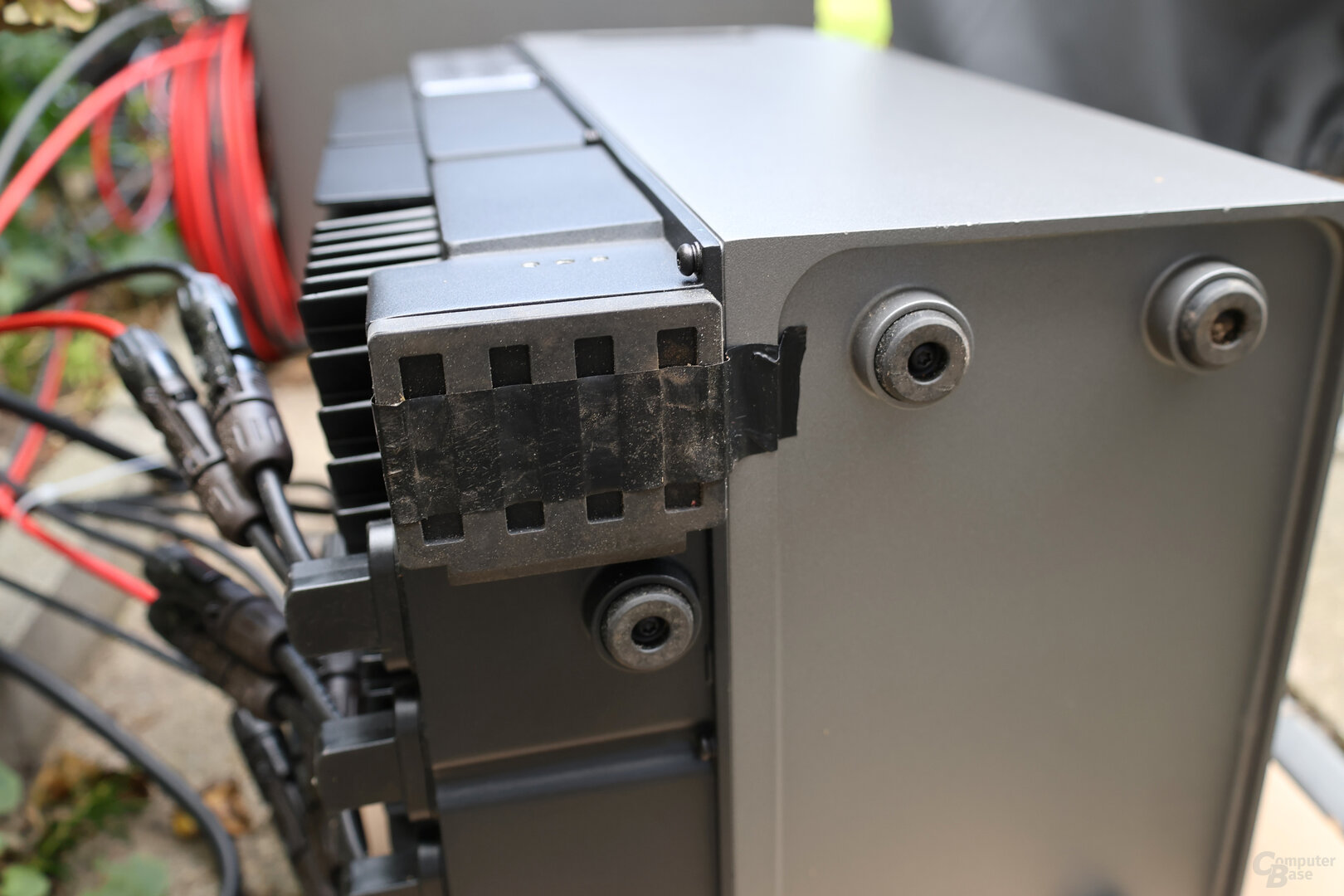
Unlike its predecessors, which relied heavily on plastic housings and external cabling for expansion, the Stream 5000 moves toward a modular tower design. This allows users to add battery units by simply stacking them, connecting via integrated electrical contacts—eliminating the need for cumbersome external wiring.
Chronology: The Evolution of the Stream Series
EcoFlow’s journey into the consumer solar market has been marked by rapid iteration.
- Phase One (The Entry): The initial Stream Ultra and Stream AC Pro models established EcoFlow in the niche of "trickling" energy into the grid. While innovative, they were limited by lower capacities (1.92 kWh) and limited solar input.
- Phase Two (Performance Growth): The Stream Ultra X arrived, pushing boundaries with increased power and the introduction of AI-driven energy management. However, the cabling and design were still essentially "gen 1" concepts.
- Phase Three (The Current Generation): The Stream 5000 series is the company’s answer to the "prosumer" market. By decoupling the product line into the Stream 3000 (a more compact entry-level model), the Stream 5000 (the all-in-one flagship), and the Stream AC 5000 (a dedicated storage unit for existing PV systems), EcoFlow has addressed the diverse needs of different user groups.
Supporting Data: Technical Capabilities and Efficiency
In real-world testing, the Stream 5000 demonstrates high operational efficiency. When subjected to a constant 800-watt load at 21°C, the system delivered 4,740 Wh of usable energy from its 5,024 Wh nominal capacity—a conversion efficiency of roughly 94.4%.
The Power of Four MPPTs
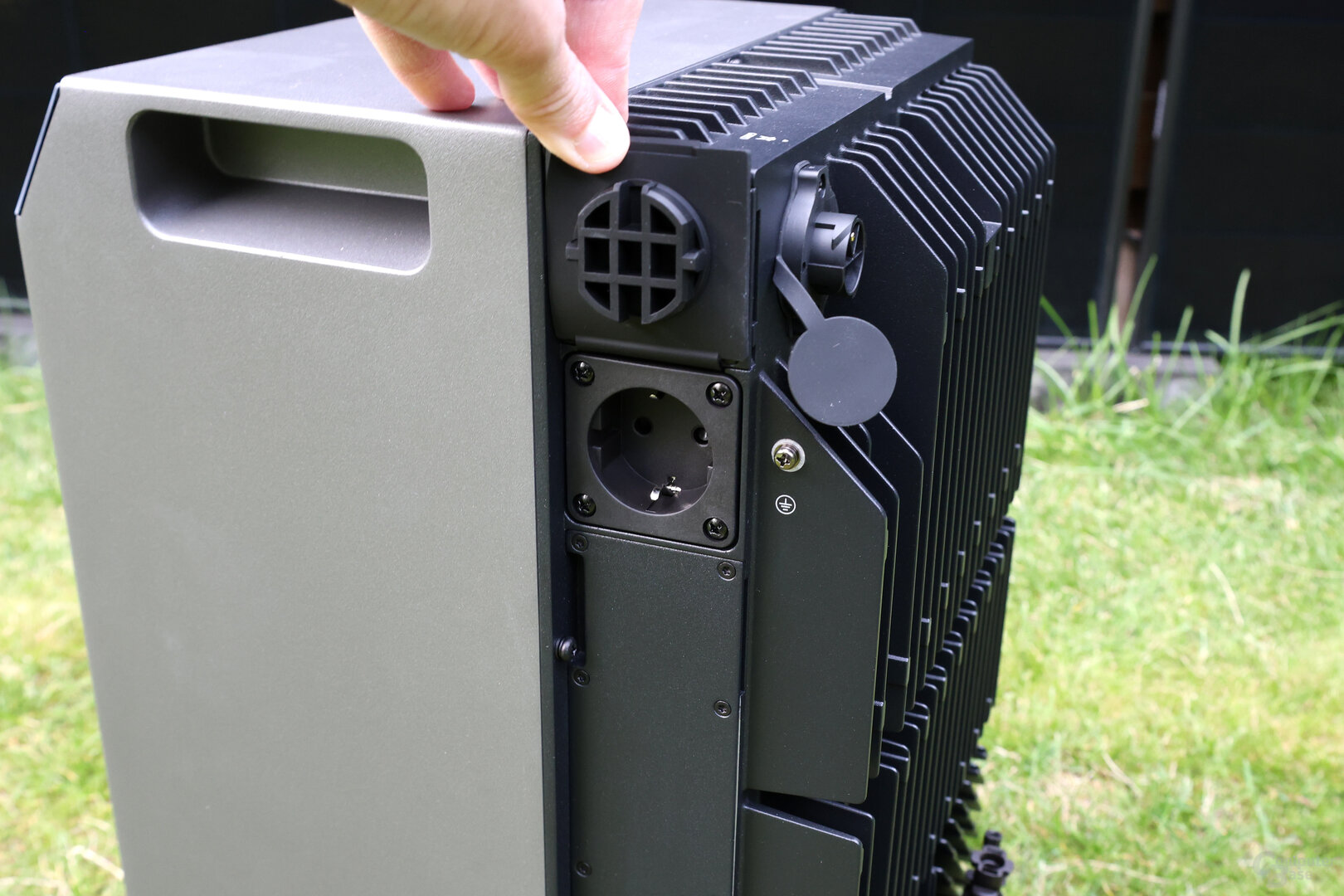
One of the most critical technical upgrades is the inclusion of four independent MPPT controllers. Each can handle up to 1,250 watts of solar power. This is a game-changer for complex roof layouts or balcony configurations where panels are oriented in different directions (e.g., East and West). By allowing each pair of panels to work independently, the system ensures that shading on one panel does not drag down the performance of the entire array.
Durability and Safety
EcoFlow has placed a heavy emphasis on longevity, quoting 10,000 charge cycles for the LFP cells. Even with daily full-discharge usage, the system is theoretically viable for over 27 years. To ensure safety, the unit features two pressure-relief valves—a "belt-and-suspenders" approach that surpasses industry standards—and a sophisticated battery management system (BMS) that includes over-current, short-circuit, and over-voltage protections.
Official Responses and Strategic Positioning
EcoFlow has shifted its software strategy significantly. Previously, the company experimented with "premium" subscription models for advanced features. Following user feedback, they have largely abandoned these paywalls, making AI-driven energy management (HEMS), weather forecasting, and dynamic tariff optimization accessible to all users.
Regarding the "smart" capabilities of the device, EcoFlow’s HEMS platform, Oasis 3.0, acts as the central brain. It integrates data from smart meters (like the Shelly 3EM) to ensure that the system only draws or injects power when it is most economically beneficial. While the integration with Home Assistant is not "officially" native out-of-the-box, the company has encouraged community-driven support, acknowledging the importance of the DIY smart-home ecosystem.
Implications: The Future of Residential Energy
The introduction of the Stream 5000 has several major implications for the energy market:
1. The Death of the "Small" Storage Myth
By offering up to 90 kWh of total capacity when multiple units are linked via an EcoFlow Gateway, the brand is signaling that it no longer considers itself a "balcony" player. It is competing with dedicated domestic energy storage systems that typically require professional installation and higher price tags.
2. The "Dynamic Tariff" Opportunity
With the rise of hourly electricity pricing in Europe, the ability to charge the 5 kWh battery from the grid during low-price windows and discharge it during peak hours is a massive financial advantage. While conversion losses (roughly 20% total round-trip) must be factored in, the Stream 5000’s high-power AC charging capability (up to 3,000W) makes this strategy feasible for average households.
3. Installation Complexity vs. Regulatory Hurdles
While the system is technically capable of 3,000 watts of output, German and European regulations currently place strict limits on plug-in systems. EcoFlow’s decision to allow higher output only after confirming "professional installation" reflects a proactive stance to ensure compliance while giving users the flexibility to scale their systems safely.
4. Competitive Dynamics
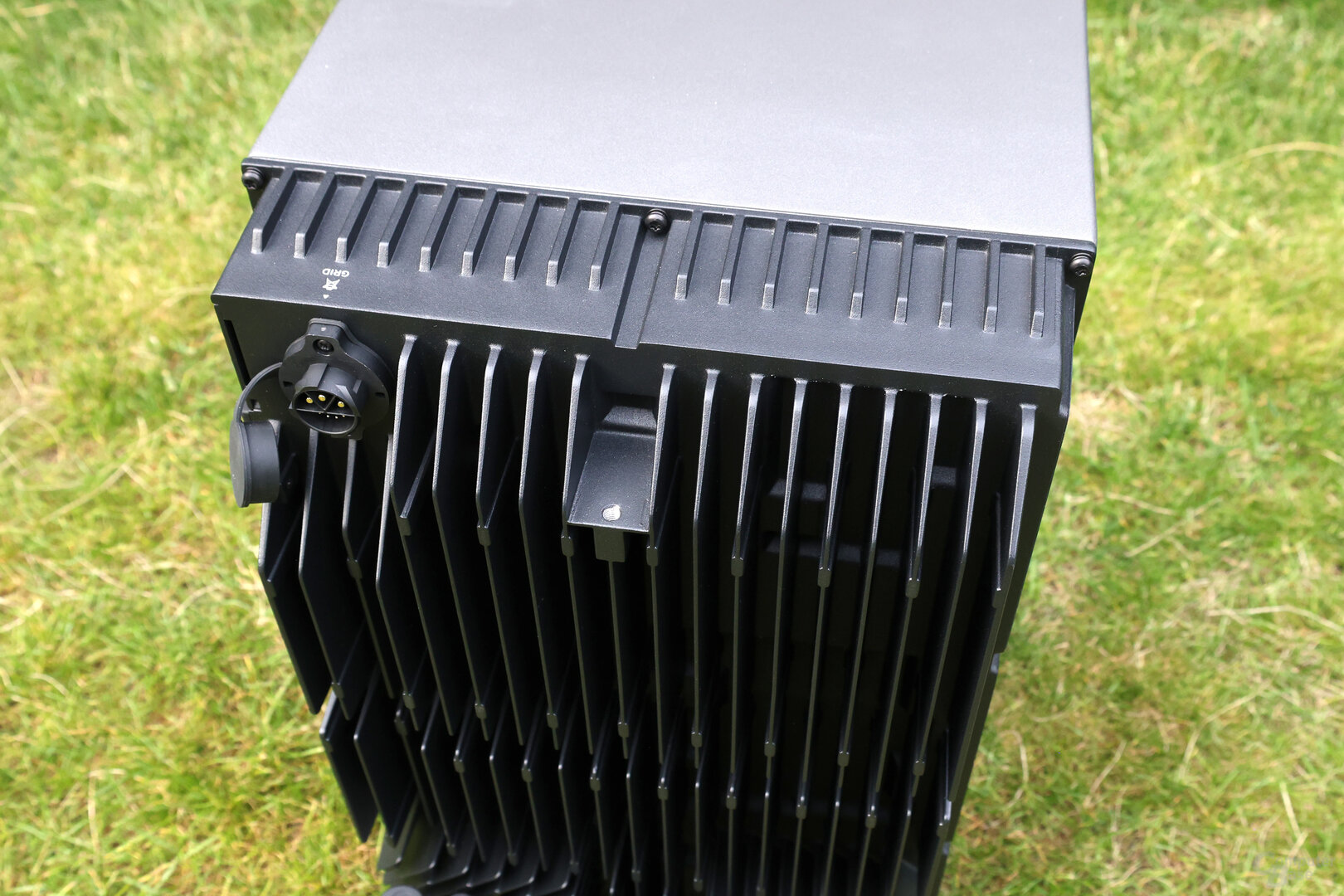
The rivalry with the Anker Solix Solarbank 4 Pro remains the primary story. While Anker leads in legacy compatibility (allowing old batteries to work with new units), EcoFlow is fighting back with superior cooling, an arguably more intuitive mobile application, and a more robust safety architecture (dual pressure valves).
Conclusion
The EcoFlow Stream 5000 is an impressive, highly polished piece of hardware that effectively bridges the gap between plug-and-play simplicity and professional-grade energy management. Its modularity, combined with a 5,000-watt PV input ceiling and a 3,000-watt output, makes it one of the most flexible systems on the market.
However, potential buyers must perform a cost-benefit analysis. For users with limited space or low solar generation, a 5 kWh battery may be overkill. But for those with the roof space to capitalize on the four MPPTs and the ambition to build an energy-independent home, the Stream 5000 offers a compelling, reliable, and future-proofed pathway to energy sovereignty. As the brand continues to refine its software and community integration, it stands as a leading contender in the race to domesticate the power grid.
Disclaimer: This report is based on extensive testing and performance data. As with all energy systems, users are encouraged to consult local electrical codes regarding grid-tied installations and, where necessary, utilize a certified electrician for permanent wiring configurations.