
In the modern digital economy, the threat of ransomware has evolved from a nuisance into a systemic existential risk for businesses of all sizes. As cyber-extortionists increasingly move away from indiscriminate attacks toward sophisticated, targeted campaigns against the "Mittelstand"—the backbone of the European economy—corporate leadership is being forced to confront a grim reality: when your systems are encrypted, your production is paralyzed, and your data is held hostage, the decisions you make in the first few hours will define the survival of your organization.
Michael Sjöberg and Peter Skovbo, the experts behind the Switzerland-based consultancy Delta Crisis, argue that the perception of a cyber-attack as merely an "IT problem" is the primary reason why many companies fail to recover effectively. According to Sjöberg, a veteran of the Danish military specializing in high-stakes hostage negotiations, the psychological and operational fallout of a ransomware attack is a total-enterprise crisis.
The Anatomy of an Attack: How Systems Fall
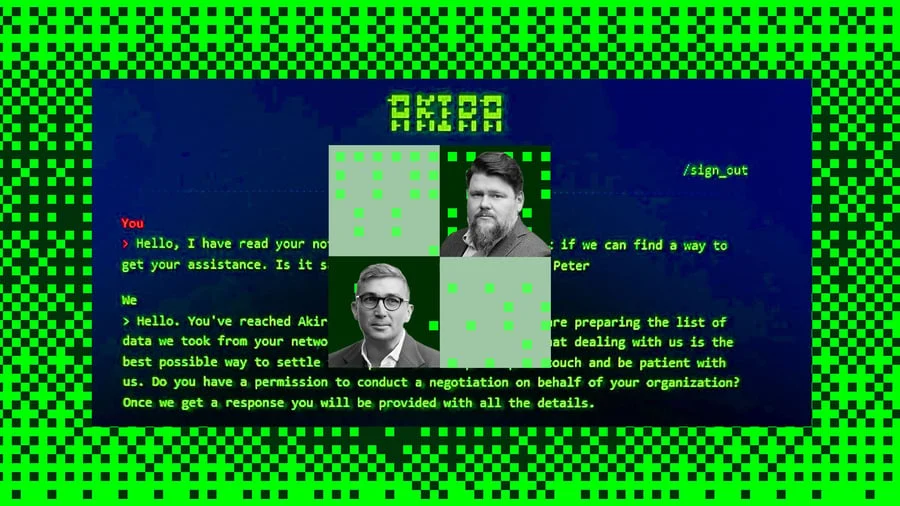
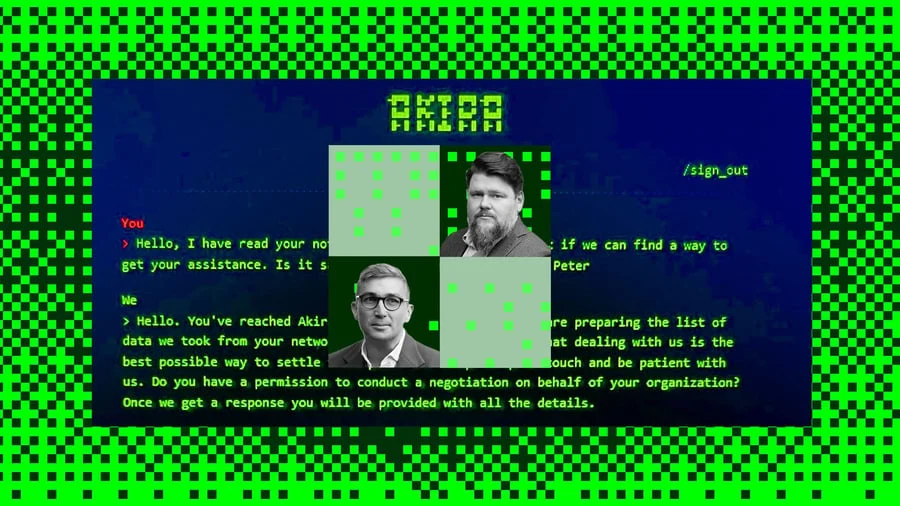
A typical ransomware attack follows a chillingly predictable trajectory. Criminal syndicates infiltrate a corporate network, often remaining dormant for weeks or even months—a period known as "dwell time." During this phase, attackers map the network, identify high-value data, and secure administrative credentials.

Once the "trigger" is pulled, the malware detonates, encrypting critical files and rendering operating systems unusable. The attackers then issue a ransom note, typically demanding payment in untraceable cryptocurrencies like Bitcoin. To increase the pressure, they often employ a "double extortion" tactic: they exfiltrate sensitive data before the encryption, threatening to publish confidential client information, intellectual property, or trade secrets on public "leak sites" if the ransom is not paid.
Chronology of a Digital Crisis
The immediate aftermath of a breach is a period of high-octane confusion. Understanding the standard timeline of a crisis can help executives maintain composure when the pressure is at its peak.
Phase 1: The First Hour (Identification and Panic)
The discovery of a screen displaying a ransom note is usually the first sign of a breach. At this stage, IT departments are often in a state of shock. The most common error, according to Sjöberg, is acting on impulse. "When you find your files encrypted, your first instinct is to disconnect everything," he notes. "While containment is necessary, it must be done strategically so that digital forensics teams can capture evidence before it is lost."

Phase 2: The First 24 Hours (Containment and Triage)
During this phase, the focus must shift to business continuity. Organizations must decide whether to attempt a restoration from backups—which may themselves be compromised—or to open a line of communication with the threat actors. Crucially, companies must determine what data was exfiltrated to assess legal obligations regarding GDPR and other data protection regulations.
Phase 3: The Negotiation Window
If a company chooses to engage with the hackers, the process is akin to a classic hostage negotiation. "It is not about pleading with the criminals," says Skovbo. "It is about buying time, verifying that the attackers actually possess the decryption keys, and managing the internal pressure of the board and stakeholders."
The Economic Impact: Why the Mittelstand is in the Crosshairs
While large corporations often have massive cyber-resilience budgets, the Mittelstand—small and medium-sized enterprises—frequently lack the deep-pocketed security teams required to fend off state-sponsored or highly professionalized criminal gangs.
Data suggests that the average cost of a ransomware attack, including downtime, remediation, and potential ransom payments, now routinely reaches into the millions. Beyond the direct costs, there is the long-term "reputational tax." A company that suffers a data leak faces a loss of customer trust that can take years to recover.
Expert Insight: The Rules of Engagement
For executives facing this nightmare, Sjöberg and Skovbo offer a roadmap for regaining control:
1. The Human Element
Never forget that ransomware is a business of human interaction. The attackers are running an organization with customer support, HR, and sales targets. Treating the negotiation as a professional, albeit hostile, transaction is more effective than emotional appeals or panic-induced capitulation.

2. Backup Integrity
The most effective defense against ransomware is not an expensive software suite, but an "air-gapped" backup system. If your backups are connected to the main network, the hackers will find and encrypt them too. A robust, immutable backup strategy is the only thing that renders the ransom demand irrelevant.
3. Incident Response Readiness
"You don’t learn how to handle a fire while the building is burning," Skovbo emphasizes. Companies must conduct regular "tabletop exercises" where executives are forced to make decisions during a simulated attack. Who is authorized to pay a ransom? Who communicates with the police? Who speaks to the press? These answers must be codified long before the first bit of data is encrypted.
The Ethics and Legality of Paying Ransoms
One of the most contentious issues in cybersecurity is the payment of ransoms. From a law enforcement perspective, paying a ransom encourages further attacks and funds criminal infrastructure. However, for a company facing imminent bankruptcy due to a total production shutdown, the moral dilemma is secondary to survival.

Legal experts advise that firms must engage with national authorities early. In many jurisdictions, there are strict reporting requirements, and in some cases, paying a ransom to a sanctioned entity could constitute a criminal act. Therefore, legal counsel must be involved at every stage of the negotiation.
Implications for Corporate Governance
The era of "set and forget" cybersecurity is over. Ransomware has elevated digital risk to a board-level responsibility. Directors and CEOs can no longer hide behind the excuse that they are not technical experts.
The Shift Toward Zero Trust
As a direct consequence of the rise in ransomware, the industry is moving toward a "Zero Trust" architecture. This model operates on the assumption that the network is already compromised. Access is restricted to the bare minimum required for each user, and every attempt to access data is verified and authenticated. This limits the "lateral movement" of hackers, making it much harder for them to reach critical infrastructure even if they manage to compromise a single endpoint.

Insurance and the Market Shift
Cyber-insurance has become a vital component of risk management, but the market is hardening. Insurers are now demanding that their clients meet rigorous security standards—including multi-factor authentication (MFA) and immutable backups—before they will underwrite a policy. This has created a virtuous cycle, where insurance requirements are forcing companies to adopt better security hygiene.
Conclusion: The Path Forward
The battle against ransomware is a war of attrition. While it is impossible to eliminate the risk entirely, it is entirely possible to reduce the impact to a level that does not threaten the company’s existence.
The advice from Delta Crisis is clear: stop treating ransomware as an IT issue and start treating it as a core business risk. By building robust, redundant systems, fostering a culture of cybersecurity awareness, and preparing a clear, actionable response plan, companies can move from a position of vulnerability to one of resilience.

In the digital age, the difference between a minor disruption and a company-ending catastrophe is not just the strength of your firewalls, but the strength of your preparation. When the screen turns black and the ransom note appears, you should already know exactly what to do.