In a pulsating Champions League encounter that showcased the tactical depth and raw attacking talent of both sides, RB Leipzig suffered their first home defeat of the season. Despite a brave performance that saw them equalise twice against the reigning European giants, a late Erling Haaland strike sealed a 3-2 victory for Manchester City, leaving the German side to rue missed opportunities and defensive lapses.
The atmosphere in Leipzig was electric, as the Red Bull Arena played host to a marquee European tie. While the final scoreline reads as a win for the visitors, the narrative on the pitch was far more complex. For long stretches, manager Martin Demichelis’ side dictated the tempo, pressing high and forcing City into uncharacteristic errors. However, at the elite level of the UEFA Champions League, the margin between a hard-fought draw and a crushing defeat is razor-thin.
The Chronology of a High-Stakes Clash
The match began with a tentative energy, both sides feeling each other out in the midfield. Manchester City’s Rayan Cherki offered the first warning sign in the 8th minute, cutting in from the right and firing a low effort that drifted just wide of the post. Leipzig, however, did not retreat. By the 15th minute, they began to impose their identity on the game. A powerful drive from Antonio Nusa forced City goalkeeper Gianluigi Donnarumma into a frantic, albeit successful, save, sending a clear signal that the home side would not be intimidated.
The deadlock was broken in the 37th minute through the unlikeliest of sources. A cross from City’s Nico O’Reilly found the box, where a sliding Castello Lukeba inadvertently diverted the ball into his own net. It was a cruel blow for Leipzig, who had arguably been the brighter side for much of the first half.
The second half, however, ignited almost immediately. Just four minutes after the restart, Brajan Gruda delivered a perfectly weighted pass to Ridle Baku, who capitalized on a lapse in judgment from Donnarumma to fire into the near corner. The stadium erupted, but the parity was short-lived. In the 58th minute, Iliman Ndiaye provided a precise cross that allowed Enzo Fernandez to head home, restoring City’s lead.
Again, Leipzig refused to buckle. Within three minutes, a fluid attacking sequence orchestrated by Christopher Nkunku culminated in Antonio Nusa rifling a strike into the bottom right corner to level the score at 2-2.
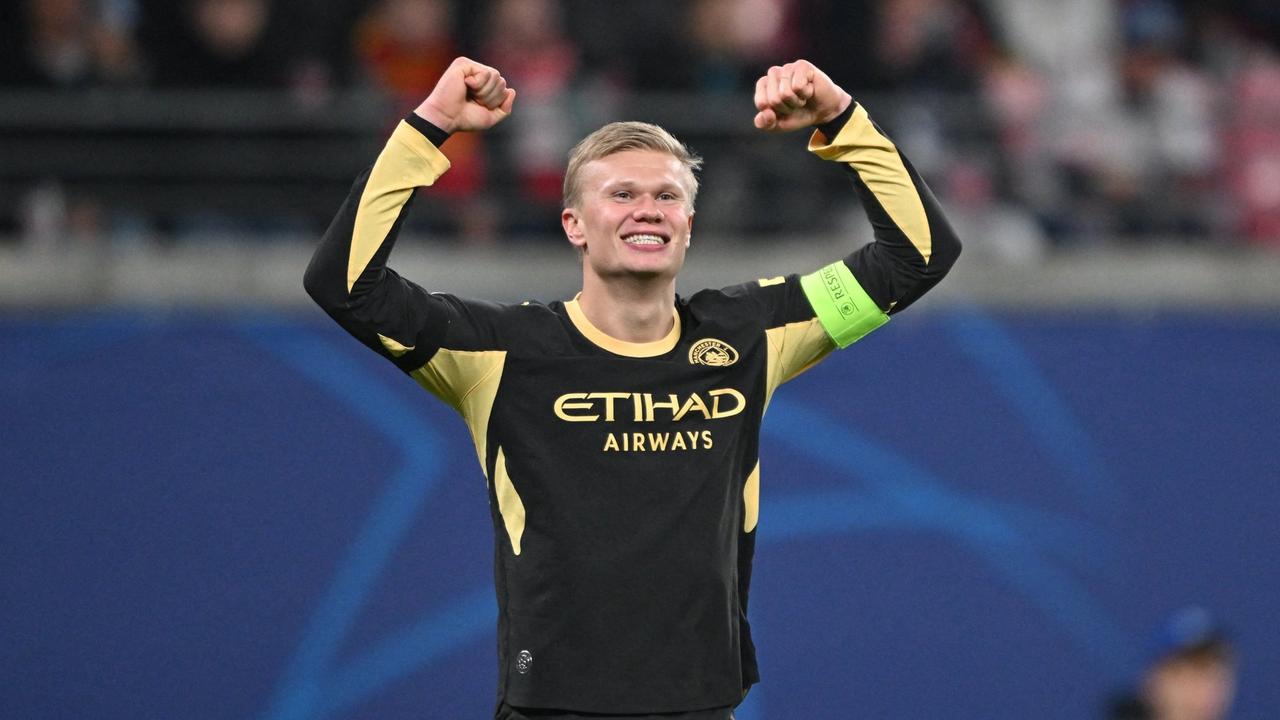
The final act of the drama arrived in the 78th minute. Having been largely neutralized by a disciplined Leipzig defense for the duration of the match, Erling Haaland emerged from the shadows. A precise cross from Elliot Anderson found the Norwegian marksman, who made no mistake in sliding the ball home. Despite a late flurry of pressure—including a David Raum free-kick that rattled the crossbar—Leipzig could not find a third equalizer, succumbing to a 3-2 defeat.
Tactical Breakdown: The "Phantom" Effect
The match served as a masterclass in the difference between "controlling the game" and "winning the game." Leipzig’s tactical setup under Demichelis was commendable; they managed to restrict City to less than 30 percent possession for significant portions of the first half. By maintaining a high defensive line and closing down passing lanes, they forced City’s creative midfielders into deeper, less effective positions.
However, the "Haaland factor" remains the ultimate X-factor in European football. For nearly 80 minutes, the striker was effectively isolated by the Leipzig backline. Yet, his movement off the ball remained constant, dragging defenders out of position and creating pockets of space for teammates like Fernandez and Anderson. His ability to remain patient—to be a "phantom" for most of the match before punishing a momentary lapse in concentration—is exactly why Manchester City remains the team to beat in this competition.
Leipzig’s tactical flexibility was equally notable. The integration of Nkunku from the bench provided a creative spark that City struggled to contain in the middle of the second half. The team’s ability to transition from defense to attack in under five seconds was a highlight, consistently putting the City backline under immense pressure.
Statistical Analysis: A Game of Margins
While the scoreline favors the visitors, the data highlights a much tighter affair than the final result suggests:
- Possession: City dominated the ball, but Leipzig’s defensive efficiency meant that much of this possession was recycled in non-threatening areas.
- Shot Conversion: City’s clinical edge was the deciding factor. With three goals from limited clear-cut opportunities, they demonstrated the ruthlessness required of champions.
- Defensive Interventions: Leipzig recorded a season-high in successful tackles in the midfield third, underscoring the success of their high-press strategy.
- The "Woodwork" Stat: David Raum’s 80th-minute free-kick, which struck the crossbar, serves as a poignant reminder of how close Leipzig came to securing a point that their performance arguably deserved.
Official Responses: Lessons in Defeat
Following the final whistle, both camps were quick to provide their assessments of the evening.
Erling Haaland, speaking to DAZN with his characteristic pragmatism, noted: "It was a difficult game, as is every away fixture in the Champions League. At the end of the day, it is about winning, and we achieved that. They are a good team with talented players who made it very hard for us to find a rhythm."
Leipzig’s goalscorer, Ridle Baku, was reflective in the post-match press conference: "At this level, matches are decided by the smallest of margins. We didn’t handle the key moments with enough cleverness. Against a world-class team like City, every mistake is punished. However, we can take heart from the fact that we played a very strong home game against one of the best sides in the world."
The Implications: Where Do They Go From Here?
For RB Leipzig, this result is a setback in their Champions League campaign, leaving them with only three points after four matchdays. The path to the knockout stages has become significantly steeper, requiring them to secure points in their remaining fixtures against high-caliber opponents. However, the performance against City provides a blueprint for how they can compete with the best. If they can replicate this intensity and defensive discipline while sharpening their finishing, they remain a formidable threat.
For Manchester City, the victory is a testament to their resilience. After suffering two consecutive defeats in domestic league play, the pressure was mounting. A win in a hostile atmosphere like the Red Bull Arena is exactly the type of result that can catalyze a mid-season resurgence. It reaffirms their standing as a side that does not need to play perfectly to secure a result—a hallmark of a championship-winning team.
Looking Ahead
As the Champions League moves into the decisive final matchdays of the group stage, the pressure on both teams will only intensify. For Leipzig, the focus now shifts back to domestic recovery and preparing for a crucial away trip in Europe. They have proven they can go toe-to-toe with the elite; now, they must prove they can close out these matches.
For Manchester City, the win provides breathing room. With nine points on the board, they are firmly on track to progress. The challenge for Pep Guardiola’s side will be to maintain this newfound momentum and address the defensive vulnerabilities that Leipzig exposed throughout the night.
Ultimately, this was a night of football that epitomized the beauty of the Champions League: a tactical chess match played at breakneck speed, decided by individual brilliance and the relentless, unforgiving nature of the world’s most prestigious club tournament. While Leipzig leaves the pitch without points, they depart with their reputation as a serious European contender firmly intact.