Introduction: The David vs. Goliath Narrative
In the grand theater of German football, few stages are as daunting as the DFB-Pokal when a regional or second-tier side draws the perennial juggernaut, Bayern Munich. For the 1. FC Magdeburg, the recent encounter with the record German champions was a fixture that promised both a test of tactical discipline and an opportunity to create a historic "Pokal-Wunder" (Cup miracle). While the final scoreline of 6-1 in favor of the Bavarians was a stark reminder of the chasm in resources, squad depth, and pedigree between the two clubs, the match offered a complex narrative that went beyond a simple lopsided result. For the Magdeburg faithful, the evening was a poignant reminder of where they stand in the footballing ecosystem and, more importantly, a testament to the resilience of a club that has navigated years of turbulence to reach a level where they can even host such a titan.
Main Facts: The Anatomy of a Mismatch
The fixture, held under the floodlights, saw Bayern Munich assert their dominance from the opening whistle. The visitors, under the direction of their high-pressing, high-possession philosophy, moved the ball with a clinical precision that often leaves lower-league opposition chasing shadows.
Bayern’s offensive machine proved far too potent for the Magdeburg defensive line. Despite a spirited, compact setup designed to frustrate the Bundesliga giants, the sheer individual brilliance of Bayern’s forward line—characterized by rapid transitions and lethal finishing—eventually broke the dam. For 1. FC Magdeburg, the match served as a stark, high-speed educational experience. The goal conceded early set the tone, but the team’s ability to remain organized for long stretches of the first half was a noteworthy feat of endurance and tactical adherence.
Chronology of the Encounter
The match began with the expected surge from Bayern, who looked to put the game to bed early to avoid any potential cup upsets. Magdeburg, however, had clearly done their homework. They maintained a mid-block, looking to force Bayern wide and restrict space in the half-spaces where Thomas Müller and Jamal Musiala thrive.
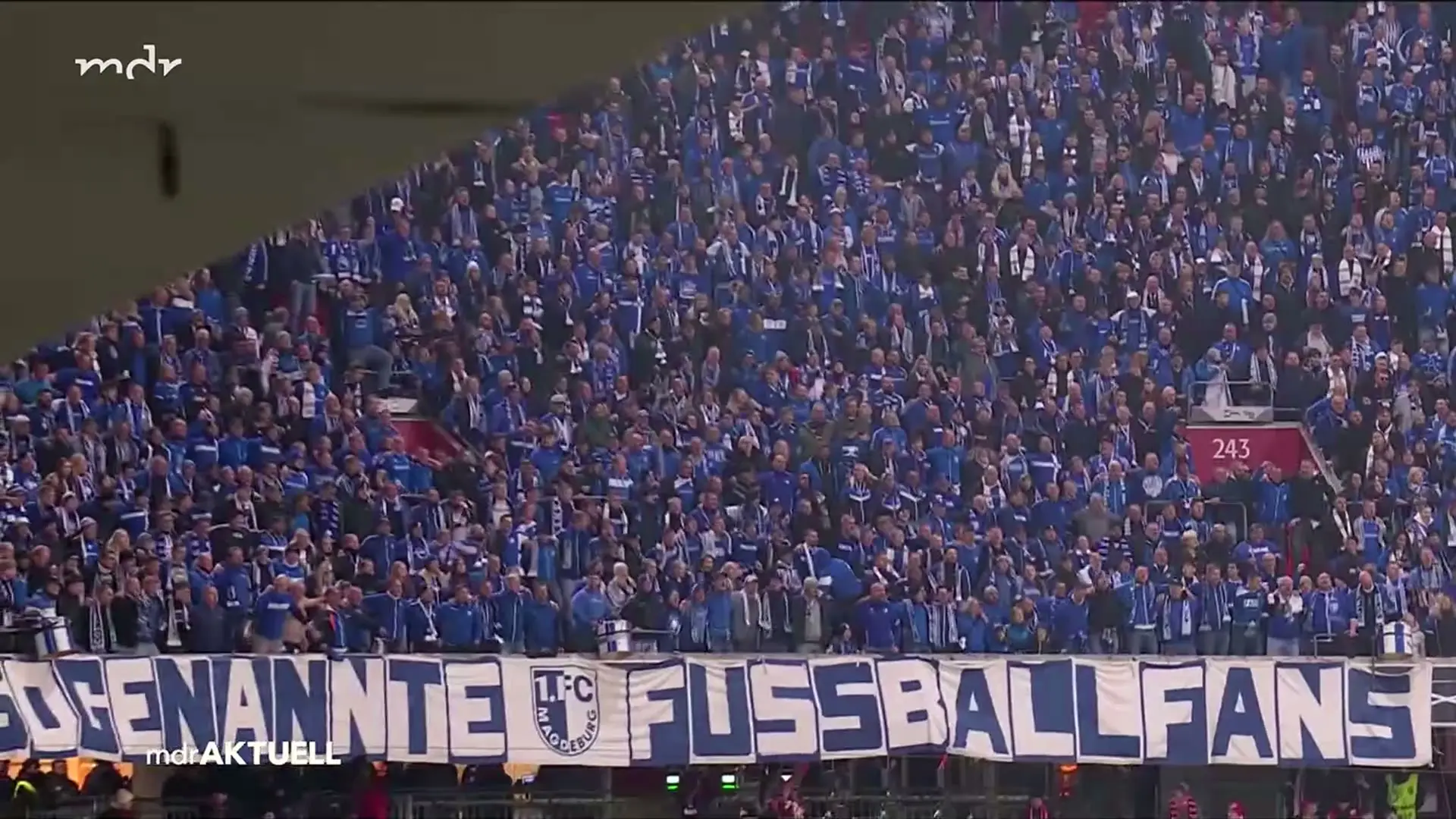
The first breakthrough came, as is often the case, through a moment of individual class rather than a structural failure. Following the opener, Bayern looked to cruise, but the atmosphere at the stadium shifted in the minutes that followed. A rare, well-constructed counter-attack from Magdeburg allowed them to level the score at 1-1. This was the crescendo of the evening for the home fans—a moment of pure, unadulterated joy that briefly suggested the "Pokal-Wunder" might be within reach.
However, the hope was fleeting. Bayern responded with the cold, calculated efficiency of a champion. Within minutes of the equalizer, they regained the lead. The second half was a different story entirely, as the physical toll of chasing the ball against world-class opposition began to show on the Magdeburg players. Bayern capitalized on the fatigue, stringing together a series of quick goals that stretched the lead and eventually put the game well out of reach, finalizing the score at 6-1.
Supporting Data: The Metrics of Dominance
To understand why the result turned so decisively, one must look at the underlying statistics. Bayern Munich maintained over 70% possession throughout the 90 minutes. Their pass completion rate, hovering near 90%, indicated a level of technical security that is rarely seen outside of elite European football.
For Magdeburg, the data tells a story of a team that had to work twice as hard to achieve half the results. Their defensive workload was immense; with a high number of interceptions and tackles required to stem the tide, the physical exhaustion was inevitable. Furthermore, the Expected Goals (xG) metric clearly reflected the quality of chances: Bayern’s xG was consistently higher, as they forced the Magdeburg keeper into multiple high-difficulty saves before the final tally reached six. Despite the heavy loss, Magdeburg’s ability to convert their one major chance into a goal remains a highlight, demonstrating that even when pinned back, they possessed the clinical instinct required to punish defensive lapses.
Official Responses and Tactical Reflection
In the aftermath, the rhetoric from both camps was characterized by professionalism and mutual respect. The Magdeburg management was quick to highlight the positives. The club’s sporting leadership emphasized that the primary goal of the night was not necessarily to progress—though that would have been a dream—but to provide the city and the fans with an experience against one of the world’s best.
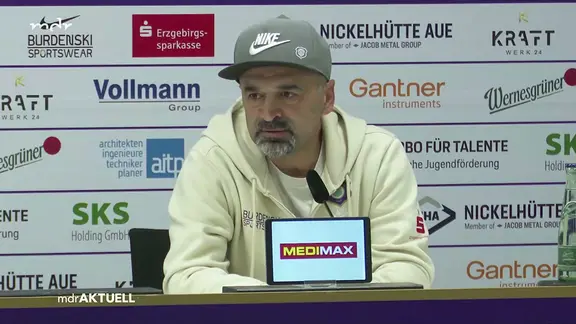
"We knew the mountain we had to climb," noted the Magdeburg head coach in the post-match press conference. "At 1-1, we saw what this team is capable of when they stick to the plan. But you cannot afford a single second of hesitation against a team of that quality. They punish you ruthlessly."
On the Bayern side, the sentiment was one of job completion. They acknowledged the hostile, yet supportive atmosphere in Magdeburg, praising the home crowd for their passion. "It was a cup tie with all the intensity you expect," a Bayern representative noted. "Magdeburg made it difficult for us in the first half, and that is exactly the kind of test we need to stay sharp."
The Implications: Moving Forward
The 6-1 defeat, while heavy, does not define the trajectory of 1. FC Magdeburg’s season. In the context of the German league system, this match is an outlier. The true measure of the club’s progress will be found in their upcoming league fixtures.

Lessons Learned
The experience of facing Bayern Munich provides a roadmap for the coaching staff. It highlighted the specific areas where the squad needs to improve if they are to compete at a higher level consistently. The pace of play, the speed of thought, and the technical execution under pressure are the benchmarks that the club must aspire to.
The "Positives" Narrative
As noted in the initial reports, the takeaway for the club is "predominantly positive." Why? Because the match proved that the club has the infrastructure and the fan base to host elite-level football. It also served as a morale booster for the players, who, despite the result, proved they could break down a world-class defense. The financial implications of a high-profile DFB-Pokal match also provide a necessary injection of capital, which can be reinvested into the youth academy and squad improvements.
Conclusion: A Club on the Rise
The DFB-Pokal is often described as the "great equalizer," but in reality, it is a reminder of the vast hierarchy of professional football. For 1. FC Magdeburg, the 6-1 loss is not a tragedy; it is a chapter in the club’s ongoing development. They stood toe-to-toe with the best, experienced the intensity of top-tier football, and lived to fight another day.

As the dust settles, the focus shifts back to the daily grind of the league. The echoes of the 1-1 equalizer will remain in the memories of the fans, serving as a reminder that even against the giants of Europe, there is always a chance—however slim—to make history. For now, Magdeburg looks forward, carrying the lessons of the cup into the challenges of the future, bolstered by the knowledge that they are a club capable of capturing the imagination of the football world.
Extended Analysis: The Cultural Significance of the Cup
Beyond the tactical and statistical analysis, the DFB-Pokal remains a cultural touchstone in Germany. It is a competition where regional identity meets national prestige. For cities like Magdeburg, the arrival of Bayern Munich is an event that transcends the 90 minutes of play. It brings the entire region together, galvanizing support for the local team and creating a sense of pride that can sustain a club through the long, grueling winter months of the league season.
The match, therefore, should be viewed as a celebration of the sport. It was a reminder of why football remains the most popular sport in Germany: the unpredictability, the atmosphere, and the shared experience of cheering for the underdog against the inevitable power of the established elite. Even in defeat, the spirit of 1. FC Magdeburg remains unbroken, fueled by the hope that their next cup journey might just end with a different outcome.
As the team prepares for their upcoming league challenges, they do so with a heightened sense of self-belief. They have faced the best, and while they fell, they did so with their heads held high, ready to apply the lessons of the big stage to the realities of the domestic campaign. The road to success is rarely linear, but for a club with the passion and the history of Magdeburg, the journey is certainly worth the effort.