The crisis engulfing FC Bayern Munich in the Euroleague deepened significantly on Thursday evening. In a display that lacked both defensive intensity and offensive cohesion, the German vice-champions were dismantled by Crvena Zvezda (Red Star) Belgrade, falling to a lopsided 103-73 defeat. As the dust settles on this catastrophic performance, questions are mounting regarding the team’s viability on the continental stage.
The defeat, which saw Bayern trailing by as many as 30 points at the final buzzer, marks the seventh loss in just nine Euroleague outings. More alarmingly, it extends a winless streak in Europe to four games, leaving the Munich-based club in a precarious position near the bottom of the table—a stark contrast to their domestic dominance.
The Anatomy of a Collapse: Chronology of the Defeat
The atmosphere inside the arena in Belgrade is notoriously hostile for visiting teams, with 15,000 fervent fans creating a cauldron of noise. However, the capitulation of the visitors was less a product of the environment and more a result of systemic failure.
A Slow Start and Early Separation
From the opening tip-off, it was evident that the Bayern defense was out of sync. While they managed to stay within striking distance for the first few minutes, the physicality of the Serbian side began to wear them down by the middle of the first quarter. Bayern struggled to contain the penetration of Red Star’s guards, often leaving shooters open on the perimeter. By the end of the first half, the score stood at 48-31 in favor of the hosts. A 17-point deficit at the interval is rarely insurmountable in modern basketball, but the body language of the Bayern squad suggested that the mountain was already too steep to climb.
The Decisive Third Quarter
If the first half was a struggle, the third quarter was an unmitigated disaster. In a ten-minute span that coach Anton Gavel will undoubtedly revisit with frustration, the Munich defense completely disintegrated, conceding 31 points. The transition defense, usually a hallmark of a disciplined team, was non-existent. Red Star capitalized on every turnover, turning them into high-percentage transition baskets. By the time the fourth quarter began, the contest had effectively ended as a competitive spectacle.
A Fourth Quarter of Resignation
The final period offered no redemption. With the outcome already decided, the intensity of the game plummeted. The Bayern players appeared to have resigned themselves to their fate, lacking the urgency to bridge the gap or even restore a modicum of pride to the scoreline. The final whistle brought an end to an evening that serves as a sobering reminder of the gulf in class between the elite of the Euroleague and a team currently searching for its identity.
Statistical Breakdown: Where Bayern Went Wrong
The box score reveals the depth of the issues plaguing the squad. While Duane Washington emerged as the bright spot for the visitors, contributing a team-high 16 points, the reliance on individual heroics over team structure was glaring.
- Defensive Efficiency: Conceding over 100 points is unacceptable at the Euroleague level. Bayern’s inability to stop the primary scoring options of Red Star Belgrade allowed the hosts to shoot at a highly efficient clip from both the interior and the perimeter.
- Turnovers and Rebounding: The battle for possession was dominated by the home side. Bayern struggled to control the defensive glass, allowing second-chance opportunities that kept the scoreboard ticking in favor of the Serbians. Furthermore, unforced errors in the backcourt led to cheap points for the opposition.
- Rotational Depth: Despite boasting a roster that features German national team talents like Nick Weiler-Babb and David Krämer, the impact from the bench was minimal. When the starting unit failed to find rhythm, the secondary unit proved unable to provide the necessary defensive stops or offensive spark to shift the momentum.
Tactical Analysis: The Anton Gavel Dilemma
Anton Gavel, who took the helm with the ambition of establishing Bayern as a permanent fixture in the Euroleague playoff conversation, now faces his most significant challenge since taking charge.
The primary tactical issue appears to be a disconnect between the defensive scheme and the personnel’s ability to execute it under pressure. Gavel’s system relies on high-energy, switch-heavy defense, but against a disciplined side like Red Star, this strategy left gaps that were ruthlessly exploited.
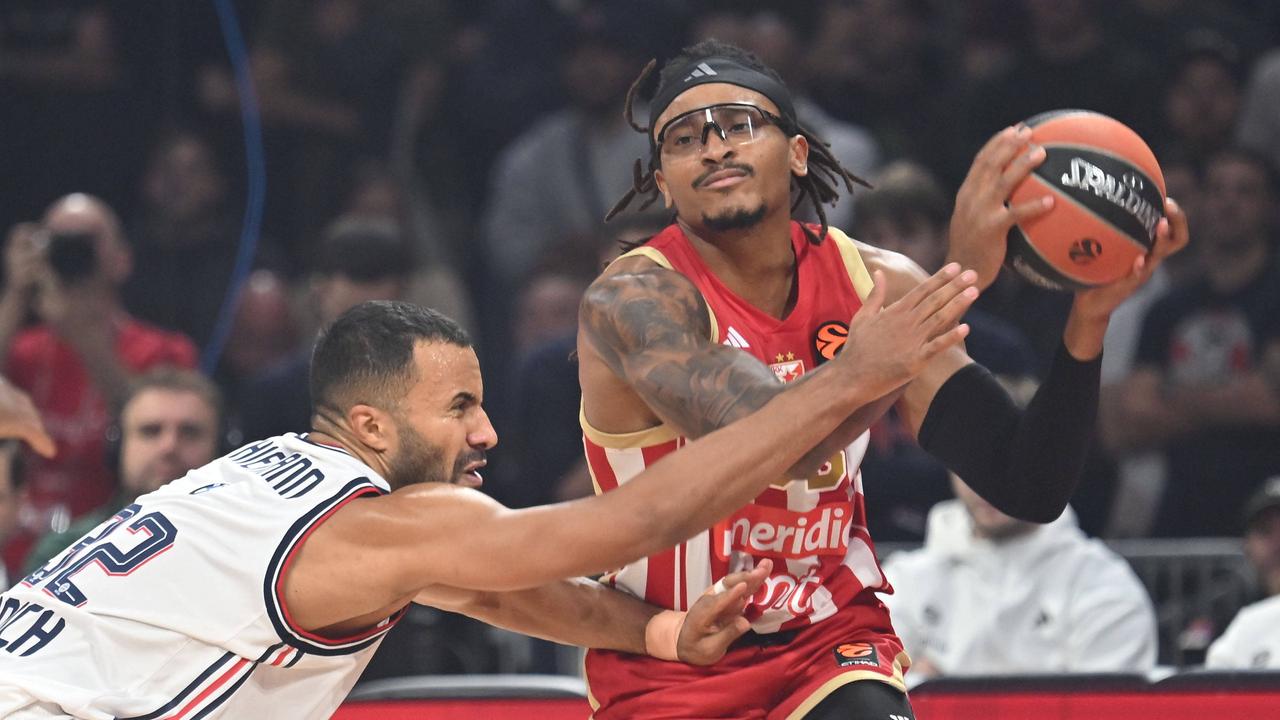
Furthermore, the offensive stagnation against aggressive man-to-man pressure has become a recurring theme. When the primary pick-and-roll action is neutralized, Bayern lacks a secondary playmaker capable of breaking down the defense and creating high-quality shots for teammates. This reliance on a rigid structure makes them predictable for seasoned Euroleague opponents.
The Contrast: Domestic Success vs. European Struggle
One of the most baffling aspects of the current season is the duality of the team. While they struggle in the Euroleague, they remain the undisputed kings of the Basketball Bundesliga (BBL), sitting atop the table with an undefeated record.
This "two-speed" season creates a psychological burden. The ease with which they dispatch domestic opponents may be masking the deficiencies that are ruthlessly exposed in Europe. It is a common trap for clubs balancing two vastly different levels of competition: the tactical discipline required to win in the BBL is often insufficient to compete against the sheer physicality and tactical depth of the Euroleague.
Implications and the Road Ahead
The road does not get any easier. The upcoming schedule for Bayern is grueling, featuring three consecutive away fixtures against ASVEL Lyon-Villeurbanne, Valencia Basket, and Zalgiris Kaunas. These games will likely define the remainder of the Euroleague season.
Urgent Adjustments Needed
Management must now decide whether the current roster has the required depth and versatility to turn the tide. While coaching changes are often discussed in such scenarios, the focus should arguably shift toward player accountability and the tactical tweaks required to survive away from home.
The Psychological Hurdle
Returning to the BBL on Sunday against the Rostock Seawolves, followed by a midweek clash with Braunschweig, offers the team a chance to recalibrate. However, these wins will do little to silence the critics. The fans, who had high expectations for a playoff run this season, are beginning to lose patience. The management must communicate a clear vision for the coming weeks to prevent the European campaign from becoming a complete write-off before the winter break.
Official Perspective and Closing Thoughts
While no formal statement has been issued by the front office regarding the coaching staff’s future, the mood following the Belgrade debacle is somber. The players themselves have acknowledged the lack of effort in the third quarter, with team leaders noting that "the level of intensity required for this competition was not met."
For FC Bayern Basketball, the Euroleague is a marathon, not a sprint, but they are currently falling behind the pack at an alarming rate. If they fail to secure points in their next three outings, the dream of a deep postseason run will become a mathematical impossibility.
The club stands at a crossroads. Will this humiliation serve as the catalyst for a radical change in approach, or will it be the beginning of a long, arduous winter of discontent? Only time—and the performance on the court in the coming weeks—will tell. As it stands, the European dream is hanging by a thread, and the time for excuses has long since passed. The club must find its rhythm, its intensity, and its pride, or risk an early exit that would represent a significant regression for the Munich basketball project.