By Science Editorial Desk
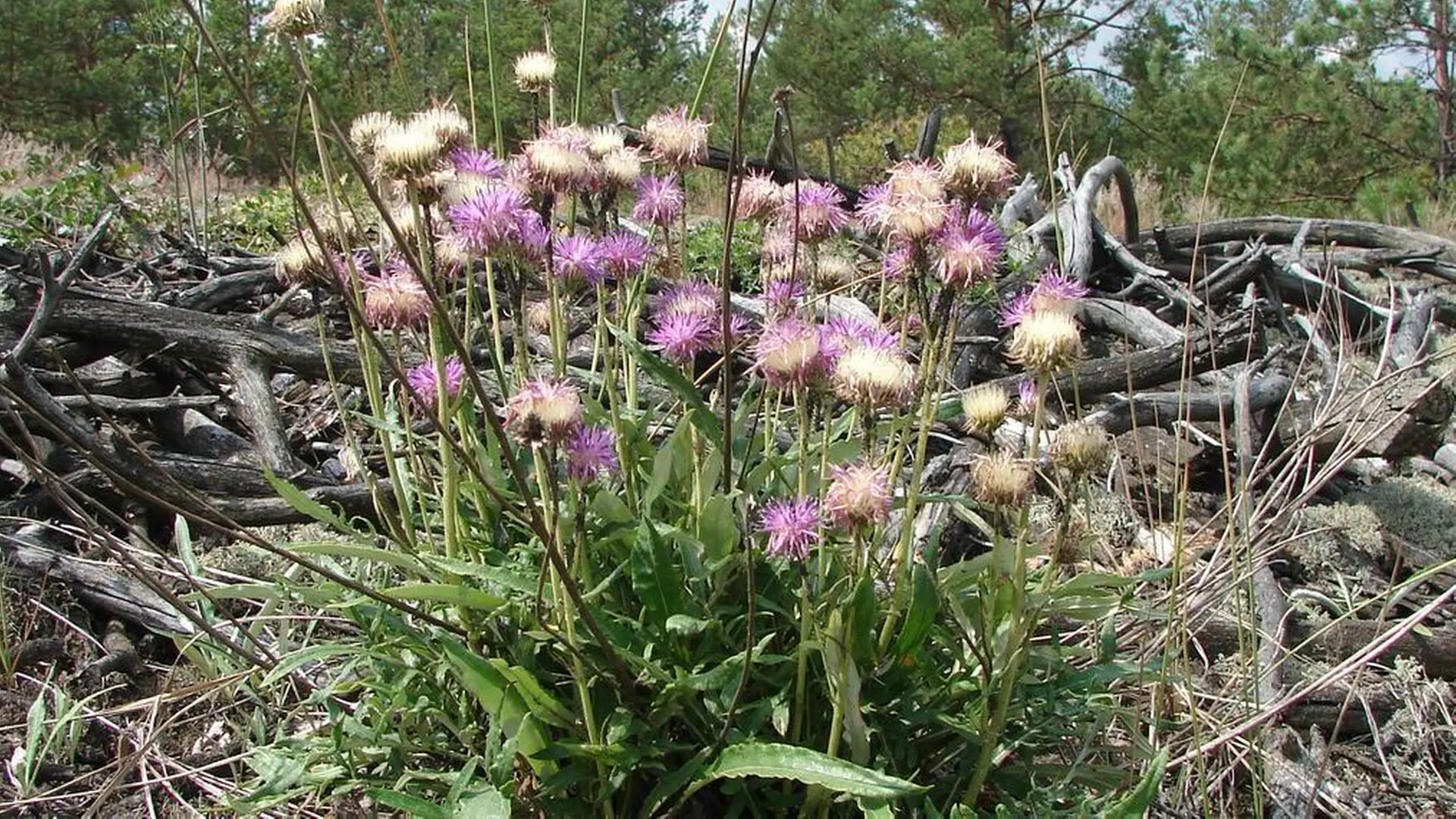
In the quiet, shifting landscapes of Central Europe, a botanical treasure is on the brink of vanishing. The Jurinea cyanoides, known colloquially as the Sand-Silberscharte or Sand Creeping Thistle, is facing an existential threat. Once a common feature of the sandy, open terrains stretching from Germany to the steppes of Ukraine, this delicate purple-flowered plant is now restricted to fragmented, isolated pockets of habitat. However, a decade-long international conservation initiative, “LIFE for Jurinea,” is mounting a last-ditch effort to pull the species back from the precipice of regional extinction.
The Main Facts: A Species Under Pressure
The Jurinea cyanoides is a perennial herb that thrives in nutrient-poor, open, and sun-drenched sandy environments. It is a specialist species, meaning it requires very specific ecological conditions to survive. It cannot compete with dense vegetation or scrubland; it requires the "pioneer" conditions found in dynamic, shifting sand ecosystems.
In the state of Saxony-Anhalt, Germany, the situation has become critical. The plant is now restricted to just 18 known locations. The problem is twofold: habitat loss due to land-use changes and the lack of natural disturbance (such as grazing or shifting sands) that keeps these areas open. As bushes and tall grasses encroach upon these sandy patches, the Jurinea is quite literally shaded out of existence.
The "LIFE for Jurinea" project, in which the Anhalt University of Applied Sciences plays a pivotal role, is a cross-border coalition involving partners from Germany, the Czech Republic, and Ukraine. The objective is not merely to plant more flowers, but to restore the ecological functionality of the landscapes that the plant calls home.
Chronology: A Decade of Commitment
The trajectory of the Jurinea has been one of slow decline, but the response is structured as a long-term commitment.
- Pre-2015: Observations by botanists across Central Europe confirmed a significant contraction in the Jurinea range. The fragmentation of populations led to concerns about genetic bottlenecks, where the lack of cross-pollination between isolated groups weakened the species’ resilience.
- 2020-2022: Initial surveys were conducted to map the remaining populations in Saxony-Anhalt, the Elbe region, and the North Harz landscape. These surveys confirmed that many populations consisted of only a handful of individuals, making them highly vulnerable to minor environmental shocks.
- 2023-2024: The "LIFE for Jurinea" project officially entered its intensive management phase. Fencing, controlled grazing, and manual vegetation clearing began in pilot areas.
- 2025-2030 (The Long Horizon): The current phase focuses on scaling these conservation techniques. The goal is to reach 22 key sites, creating "stepping stone" habitats that allow for the migration and genetic exchange of the plant populations.
Supporting Data: Why the Jurinea Matters
While the Jurinea cyanoides may seem like an obscure target for international cooperation, scientists argue it is a "keystone" indicator species.
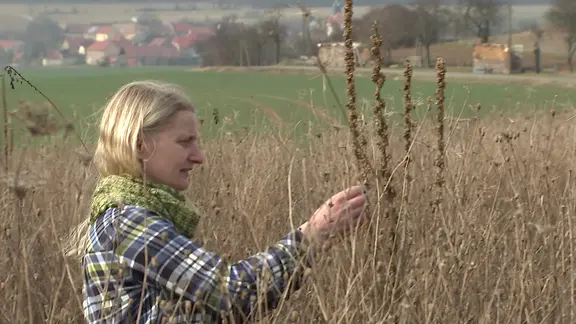
"With the protection of the Sand-Silberscharte, we are not just preserving a rare plant; we are securing valuable habitats for a plethora of other species," explains Sabine Tischew, a lead researcher from the Department of Agriculture, Ecotrophology, and Landscape Development at Anhalt University of Applied Sciences.
The sandy, open landscapes that the Jurinea requires are also home to rare ground-nesting bees, specialized beetles, and endemic spiders that have evolved alongside the region’s unique soil chemistry. Data from the project suggests that where Jurinea is successfully restored, the overall biodiversity of the site increases by an average of 30% within three years. This "umbrella effect"—where protecting one species protects many—is the primary justification for the high-level funding and scientific resources dedicated to this project.
Strategies: Mowing, Grazing, and Re-seeding
To reverse the decline, the research team at Anhalt University has implemented a three-pronged management strategy:
1. Mechanical Clearing
In areas where natural forest succession has taken over, the team employs heavy mowing and mechanical removal of woody shrubs. This is a direct intervention to restore the "light" that the Jurinea requires. By removing the canopy and the thick grass mat, researchers create the open, bare-sand conditions the seeds need to germinate.
2. Strategic Re-seeding
The team collects seeds from the most robust local populations. These seeds are then cleaned and strategically sown in selected, restored patches of sand. This ensures that the genetic profile of the restored population remains adapted to the specific local climate of the Harz and Elbe regions.
3. The Role of Livestock
Perhaps the most sustainable aspect of the project is the introduction of controlled grazing. Using hardy breeds of sheep and goats, the project mimics the historic movement of animals through these landscapes. These animals consume the encroaching grasses and stir up the sand with their hooves, creating the natural disturbances that allow Jurinea seedlings to find a foothold.
Official Responses and Scientific Perspective
The project has garnered significant interest from both the European Union and regional agricultural ministries. The consensus among ecologists is that the project represents a shift in conservation philosophy: moving away from "passive" protection (just leaving nature alone) to "active" landscape management.
"We have learned that doing nothing is no longer an option," says Professor Tischew. "In the Anthropocene, our landscapes are no longer self-regulating. We have fragmented them so severely that if we do not intervene to maintain these open-space dynamics, species like the Jurinea will inevitably be lost to succession."
The involvement of the Czech Republic and Ukraine is particularly vital. By working across borders, the project ensures that it is not just managing isolated islands of habitat, but looking at the continental migratory and dispersal corridors of the species.
Implications: The Future of Conservation
The "LIFE for Jurinea" project serves as a model for how universities and international partners can tackle the broader biodiversity crisis. It highlights three critical implications for the future of environmental policy:
- Long-Term Funding is Mandatory: Biodiversity loss is not a quick fix. By setting a 10-year horizon, the project allows researchers to observe multi-generational responses in the plant population, which is essential for accurate data collection.
- Bridging the Gap Between Agriculture and Ecology: By utilizing grazing as a management tool, the project shows that agriculture and conservation are not inherently at odds. Local farmers, when integrated into the project, become stewards of the land rather than obstacles to its protection.
- The Importance of Local Expertise: While the project is international, its success depends on the hyper-local knowledge of the Saxony-Anhalt landscape. The ability to distinguish between a healthy pioneer habitat and an over-developed one is a skill that resides with the researchers on the ground.
Conclusion
The fate of the Jurinea cyanoides is symbolic of a wider struggle in the European heartland. As our landscapes become increasingly homogenized by intensive agriculture and urban expansion, the "islands" of true wilderness are shrinking. The effort to save this humble, purple-flowered thistle is, in reality, an effort to maintain the health and resilience of the entire ecosystem.
As the "LIFE for Jurinea" project enters its middle years, the preliminary results are encouraging. Seedlings are appearing in areas that were, only a few years ago, choked by encroaching brambles. However, the researchers remain cautious. The goal is not just to see the plant survive in a greenhouse or a protected plot, but to see it thrive in a self-sustaining, naturally-functioning landscape.
For the researchers at Anhalt University, the work continues with daily monitoring, soil analysis, and constant communication with their partners in the Czech Republic and Ukraine. They know that the Jurinea is more than just a plant—it is a testament to the fact that with enough dedication, scientific rigor, and international collaboration, we can indeed turn the tide against the sixth mass extinction.
The story of the Jurinea cyanoides is a reminder that the smallest, most overlooked species often hold the keys to the health of the entire environment. If we can save the Sand-Silberscharte, we can save the landscape that supports us all.
For more information on the "LIFE for Jurinea" project and ongoing volunteer opportunities in habitat restoration, please visit the official project portal hosted by the Anhalt University of Applied Sciences.