By Global News Desk
October 21, 2026
The global community stands at a precarious juncture. More than a decade after the landmark 2015 Paris Agreement—which sought to limit global warming to 1.5 degrees Celsius above pre-industrial levels—the United Nations has issued a sobering reality check. According to the latest report from the UN Environment Programme (UNEP), the world is no longer on a path to meet this critical target. Instead, the planet is currently hurtling toward a catastrophic 2.8-degree warming scenario by the end of the century, unless radical, systemic changes are implemented immediately.
The Main Facts: A Deficit of Ambition
The core takeaway from the UNEP report is that the world is experiencing a "leadership gap." While technological advancements in renewable energy have far exceeded early expectations, policy implementation remains sluggish and insufficient.
To keep global temperature rise limited to the range of 1.7 to 1.8 degrees by mid-century—a "best-case" scenario that effectively accepts the breach of the 1.5-degree limit—global greenhouse gas emissions must fall by at least six percent annually through 2035, compared to 2025 levels. Currently, however, emissions continue to rise year after year, driven primarily by the continued reliance on fossil fuels: coal, oil, and gas.
Chronology of the Climate Crisis
The trajectory of the current crisis can be mapped through key milestones of international climate policy:
- 2015: The Paris Agreement: Nations pledged to hold the increase in the global average temperature to well below 2°C, with an ambitious goal of limiting the increase to 1.5°C to avoid the most severe impacts of climate change.
- 2020–2025: The Acceleration Phase: Despite the COVID-19 pandemic and subsequent recovery efforts, global industrial activity rebounded with a heavy reliance on carbon-intensive energy sources. During this period, the frequency of extreme weather events—including catastrophic flooding and record-breaking heatwaves—began to outpace scientific models.
- 2026: The UNEP Assessment: The latest report confirms that the 1.5-degree threshold is essentially locked in as a casualty of inaction. The focus has now shifted from preventing the breach to minimizing the extent of the overshoot.
- November 2026: COP31 in Antalya: The international community is set to convene in Turkey, with hopes that the summit will serve as a turning point for global electrification and emissions reduction strategies.
Supporting Data: The Renewable Energy Paradox
One of the most striking elements of the report is the contrast between the failure of political policy and the success of technological innovation. Inger Anderson, Executive Director of the UNEP, noted that the global capacity for renewable energy generation has grown three times faster than original projections suggested.
Specifically, the deployment of photovoltaic (solar) technology has outperformed expectations by a factor of seven. Furthermore, the growth of coal-fired energy has slowed compared to previous decades. Despite these successes, the absolute volume of carbon being released into the atmosphere has not declined. This creates a "paradox of progress": we are building the future faster than we are dismantling the past. The infrastructure for fossil fuels remains deeply entrenched in global economies, effectively canceling out the gains made by the renewable sector.
Official Responses: From Denial to Despair
UN Secretary-General António Guterres has been uncharacteristically blunt in his assessment. "The world can no longer avoid crossing the 1.5-degree threshold," Guterres stated, emphasizing that this is no longer a theoretical risk but a present reality.
Guterres has framed the current situation as a failure of political will, stating, "The emissions gap has become a leadership gap—and the world is running out of time and excuses to close it."
The Secretary-General’s remarks highlight a deep sense of moral urgency. He pointed out that those who have contributed the least to the climate crisis—developing nations and vulnerable communities—are currently suffering the most severe consequences. The devastation recently witnessed in Valencia, Spain, is cited as a visceral, real-time illustration of what the scientific data has been predicting for years.
Implications: The Path to 2.8 Degrees
The report warns that if current trends persist and governments continue to govern with "business-as-usual" policies, the world is heading toward a 2.8-degree increase by 2100. Even if every country fully realizes the current, often ambitious, climate plans they have submitted, the warming would likely only be limited to approximately 2.1 degrees.
1. Economic Destabilization
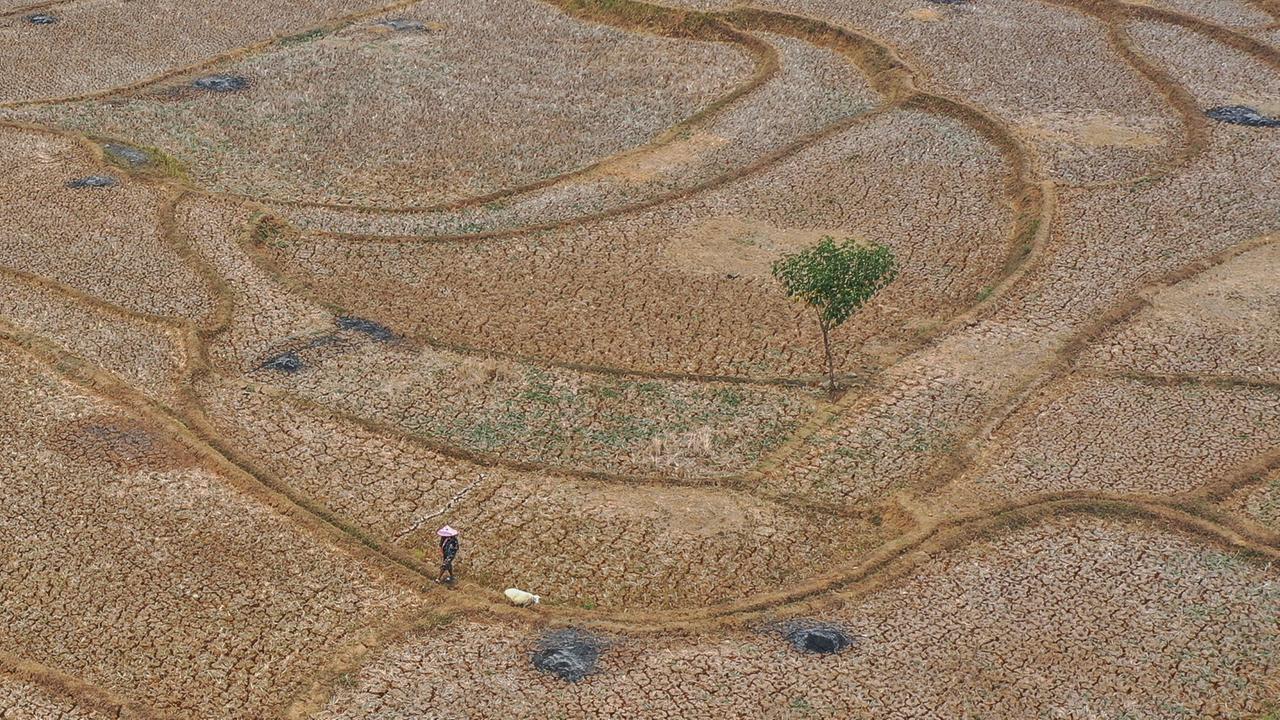
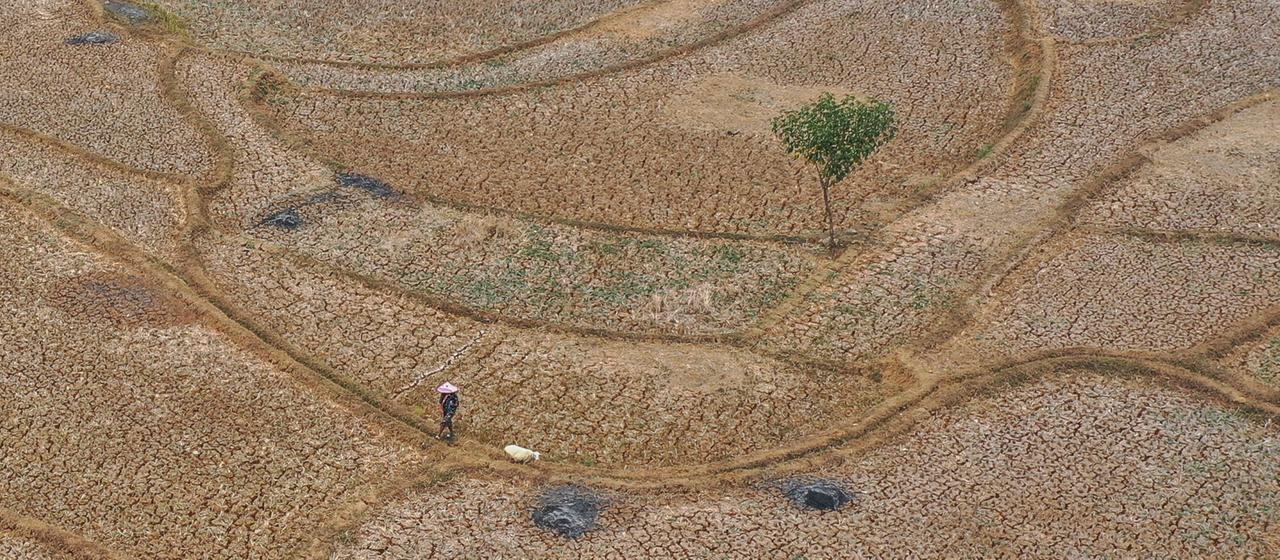
The implications for the global economy are dire. The report details how extreme weather events—floods, droughts, and wildfires—are increasingly paralyzing national economies. When essential infrastructure is destroyed and agricultural cycles are disrupted, the cost of recovery often dwarfs the investment required to transition to a green economy.
2. The Social Equity Crisis
The report emphasizes that climate change is an accelerant of inequality. Developing nations, lacking the capital for large-scale adaptation measures, are trapped in a cycle of debt and disaster. The debate at the upcoming COP31 in Antalya will center heavily on "climate finance"—the question of how, and to what extent, industrialized nations will fund the transition and climate adaptation in the Global South.
3. The Need for Radical Electrification
The Turkish presidency of the upcoming climate summit has proposed a global electrification target. While environmental groups generally welcome this, they caution that electrification is only as "clean" as the source of the electricity. Replacing coal-fired heating with electric heating, for example, is only beneficial if the grid is supplied by wind, solar, or other carbon-neutral sources.
Looking Toward Antalya: The Final Chance?
As the world prepares for the 31st UN Climate Change Conference in Antalya, the pressure on national leaders is immense. Environmental organizations are calling for a shift from voluntary pledges to legally binding, transparent, and enforceable emissions targets.
The central conflict of the upcoming summit will likely be the tension between short-term economic protectionism and the long-term survival of global ecosystems. Critics argue that until major economies stop subsidizing fossil fuel exploration, any talk of "closing the gap" is merely performative.
Conclusion: Every Fraction Matters
The conclusion of the UNEP report is a plea for immediate, aggressive action. As Guterres remarked, "Every fraction of a degree counts." The difference between 1.5 and 2.8 degrees is not merely a number on a chart; it represents the difference between a manageable climate shift and the potential collapse of critical biosphere functions, the displacement of millions of people, and the permanent loss of biodiversity.
The window to avoid the worst-case scenario is closing, but the report insists it has not yet slammed shut. The path forward requires a level of global cooperation that has historically proven difficult to achieve, but the alternative—a world fundamentally reshaped by unchecked heat—is an outcome the international community can no longer afford to contemplate.
As we look toward the Antalya summit, the message from the scientific community is clear: the era of incrementalism is over. The time for transformational change is now. The "leadership gap" must be filled, or the consequences of the next decade will be written in the climate catastrophes of the next century.