The Acoustic Signature of Survival
In the vast, shifting expanse of the Indian Ocean, a monumental creature moves with a grace that belies its immense scale. The pygmy blue whale (Balaenoptera musculus brevicauda), a subspecies of the largest animal to ever exist, remains a phantom of the deep—elusive, majestic, and critically threatened. For decades, marine biologists have struggled to track these giants across thousands of miles of open water. However, a breakthrough study conducted by researchers at Curtin University in Australia has unlocked a new "acoustic key" to their survival: their song.
New research suggests that the complex, haunting melodies produced by these whales are not merely for communication or mating; they are a direct reflection of their caloric intake. By deciphering the subtle shifts in the whales’ singing behavior, scientists have discovered a method to monitor their feeding habits from afar. This discovery represents a seismic shift in marine conservation, offering a non-invasive tool to protect a species that has long remained beyond the reach of traditional observation.
The "Full Mouth" Theory: Why Whales Stop Singing
The central finding of the Curtin University study, published recently, draws a fascinating parallel between whale behavior and human etiquette. Much like a human who finds it difficult to converse while eating a heavy meal, the pygmy blue whale appears to prioritize sustenance over vocalization.
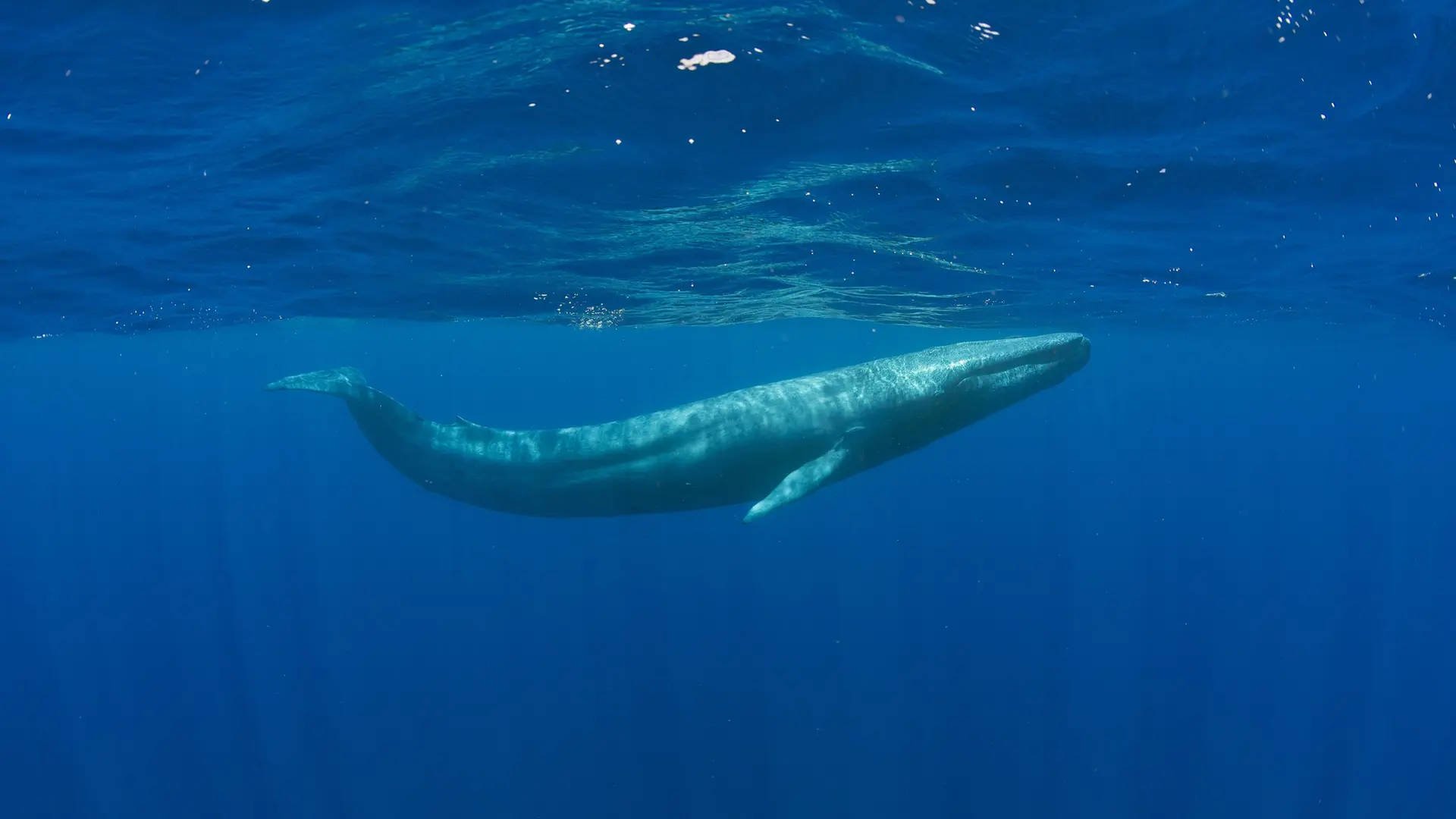
"So as we humans cannot speak while we are eating, pygmy blue whales apparently have less time for singing when they are actively foraging," explains marine biologist Andrew Davenport. The research team analyzed extensive acoustic data collected in the Indian Ocean, noting a distinct discrepancy between daytime and nighttime vocalization patterns.
During the day, when the whales are often engaged in deep-diving maneuvers to hunt for dense swarms of krill, their singing activity drops significantly. At night, as the whales transition to different behaviors—or when they are in regions where food density is lower—the songs become more frequent and consistent. This rhythmic cycle of silence and song serves as a biological indicator of the whale’s energy expenditure and consumption.
Chronology of a Marine Mystery
The study of pygmy blue whale vocalization has been a long-term endeavor, characterized by years of silent observation. To understand the current breakthrough, one must look at the timeline of how we have interacted with these elusive giants:
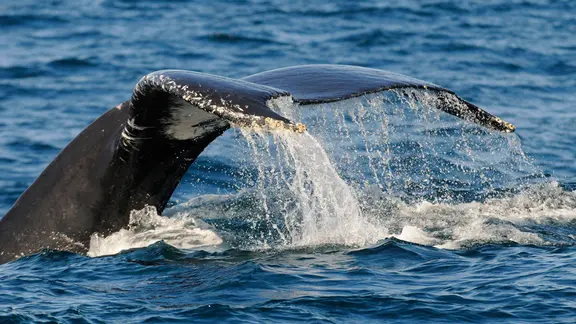
- Early 20th Century: The industrial whaling era decimated blue whale populations worldwide, leaving the species on the brink of extinction.
- The 1960s–1990s: Scientists began to realize that blue whales produce low-frequency pulses that can travel hundreds of miles underwater. Initial research was hindered by the lack of long-term, high-quality underwater recording technology.
- 2010–2020: The rise of passive acoustic monitoring (PAM) allowed researchers to deploy hydrophones (underwater microphones) in remote parts of the Indian Ocean, capturing the "soundscape" of the deep.
- 2024–2025: The Curtin University team began cross-referencing acoustic data with satellite data regarding krill distribution and oceanographic conditions.
- Late 2026: The definitive link between foraging effort and the suppression of song was established, providing a reliable proxy for monitoring population health.
Supporting Data: The Physics of the Deep
The pygmy blue whale, despite the "pygmy" moniker, is a titan, capable of reaching lengths of up to 24 meters (nearly 80 feet). Sustaining such a massive frame requires a diet consisting almost exclusively of krill—tiny, shrimp-like crustaceans.
The data provided by the study shows a clear correlation:
- High-Density Feeding Grounds: In areas where krill swarms are abundant, the whales exhibit a "compressed" singing schedule. They spend the daylight hours in deep, vertical dives, leaving no room for the complex vocalizations required for social interaction or mating calls.
- Low-Density Environments: Conversely, when the whales are in areas with sparse food supplies, their songs are distributed more evenly throughout the 24-hour cycle. This indicates that the whales are not "locked" into a singular, intense foraging rhythm and have the metabolic bandwidth to vocalize more frequently.
- Acoustic Mapping: By utilizing these acoustic signatures, researchers can now create "heat maps" of whale activity. By measuring the intensity and frequency of the songs, scientists can estimate the number of whales in a given area and determine if that area is a critical feeding ground.
Implications for Global Conservation
The ability to "listen" to the whales’ hunger has profound implications for marine policy and international conservation efforts. Currently, the greatest threats to pygmy blue whales—beyond historical whaling—include ship strikes, noise pollution, and the rapidly shifting distribution of krill due to climate change.

Protecting the Feeding Corridors
If we know exactly where and when whales are feeding, we can implement dynamic shipping lanes. For example, if acoustic data indicates a high concentration of foraging whales in a specific corridor during a specific month, commercial shipping traffic could be diverted or instructed to reduce speed. Slowing down large vessels drastically reduces the risk of lethal whale strikes and lowers the ambient noise that disrupts whale communication.
Climate Change and Migratory Shifts
As ocean temperatures rise, the distribution of krill is shifting toward the poles. This forces whales to travel further and adjust their traditional migratory routes. Traditional observational methods, such as visual surveys from ships or aircraft, are expensive and weather-dependent. Acoustic monitoring, however, can run 24/7, year-round, regardless of sea state. This allows researchers to track the whales’ response to climate change in real-time, providing the data necessary to advocate for the establishment of new, protected marine sanctuaries in areas that have only recently become vital to the species’ survival.
Official Responses and Scientific Consensus
The scientific community has lauded the Curtin University study as a "game-changer" for bioacoustics. Leading marine mammal experts have pointed out that while we have known for years that whales sing, we have rarely been able to tie those songs to specific biological needs with such clarity.

"This is the difference between watching a forest from a distance and being able to read the diaries of the trees," commented one independent expert. The study emphasizes that we must move away from "static" conservation—which assumes that whales stay in the same place at the same time every year—and move toward "dynamic" conservation that evolves alongside the data.
However, researchers also caution that acoustic monitoring is not a panacea. It must be paired with physical oceanography and biological sampling to ensure that the krill populations themselves are being monitored. Protecting the whale is impossible without protecting the food chain that sustains it.
The Path Forward: A Future for the Giants
The, "Zwergblauwal" (pygmy blue whale) is a symbol of the resilience of the natural world. Despite the anthropogenic pressures of the last century, they continue to traverse the oceans, singing their complex, low-frequency songs into the void.
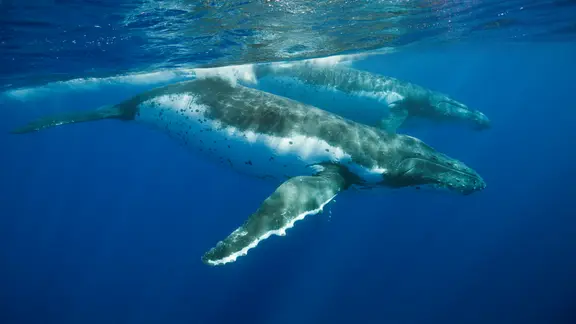
As we look toward the future, the work done by the researchers at Curtin University reminds us that technology, when used ethically and intelligently, can bridge the gap between human industry and the wild. By understanding the rhythm of their songs, we are no longer just passive observers of these creatures; we are becoming informed stewards.
The next phase of this research will likely involve the use of Artificial Intelligence to automate the analysis of massive acoustic datasets. By teaching computers to recognize the difference between a "foraging song" and a "social song," we could have a global, real-time dashboard of whale activity by the end of the decade.
The silence of the whale, it turns out, is as meaningful as its song. By learning to interpret the quiet moments between the notes, humanity has finally found a way to listen to the needs of the ocean’s largest inhabitants. The challenge now lies in our willingness to act on what we hear, ensuring that these giants continue to roam the seas for generations to come.
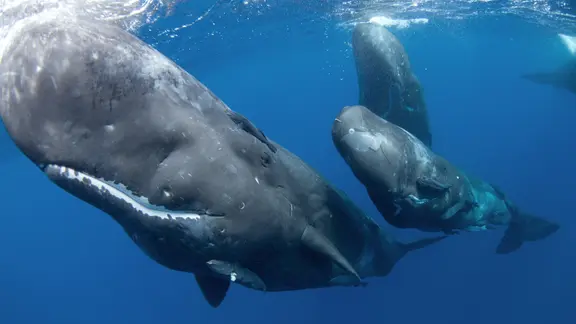
Technical Appendix: Why Acoustic Monitoring Matters
- Non-Invasive: Unlike tagging, which requires catching or closely approaching the animal, passive acoustics allow for the observation of "normal" behavior without human interference.
- Cost-Effectiveness: Once deployed, hydrophones can record for months or years, providing a cost-per-data-point far lower than traditional ship-based research.
- Scale: Acoustic monitoring can cover thousands of square kilometers of ocean, providing a regional understanding of population dynamics that visual surveys simply cannot match.
The integration of these findings into international maritime law will be the next major hurdle, but for now, the science is clear: the song of the whale is a map, and we are finally learning how to read it.