Intel Corporation, the semiconductor titan once synonymous with the personal computing revolution, finds itself at a critical strategic crossroads. While the company’s third-quarter results for 2026 showcase significant top-line growth fueled by an insatiable hunger for artificial intelligence and cloud infrastructure, the underlying narrative is one of deep-seated structural challenges. A weak PC market, the massive capital expenditure required for its foundry ambitions, and an unfortunate operational tragedy in Israel have coalesced into a "perfect storm" that triggered a severe investor exodus, sending the company’s stock plummeting by more than 20% in after-hours trading.
Main Facts: A Tale of Two Realities
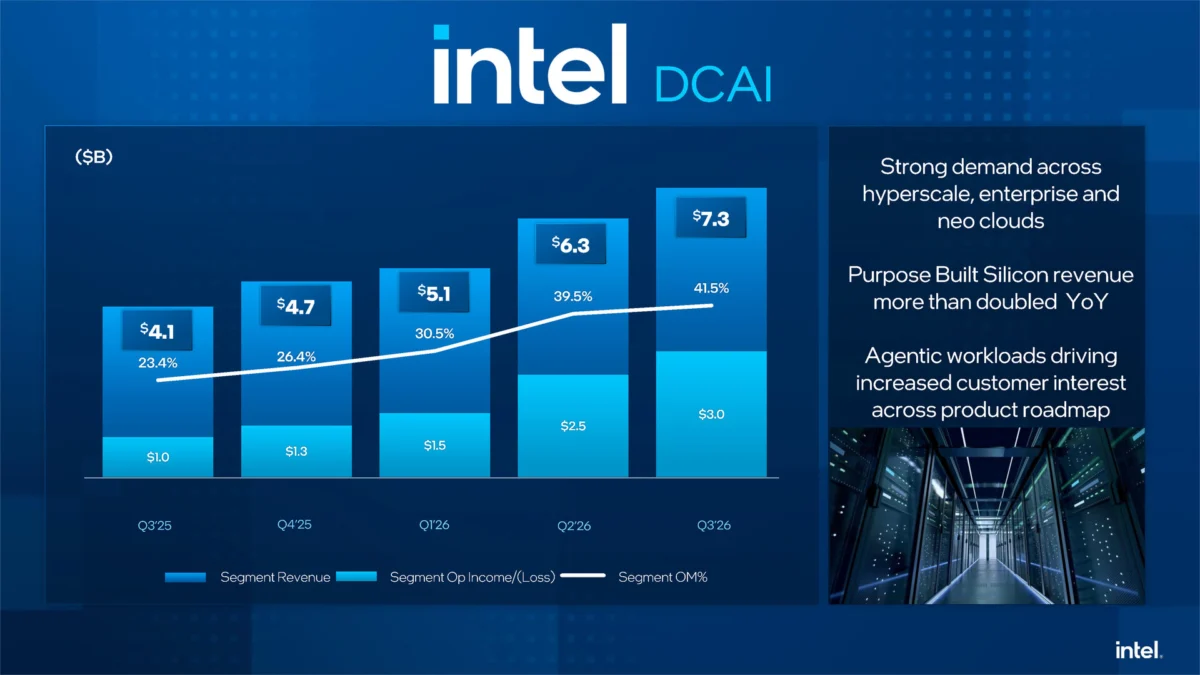
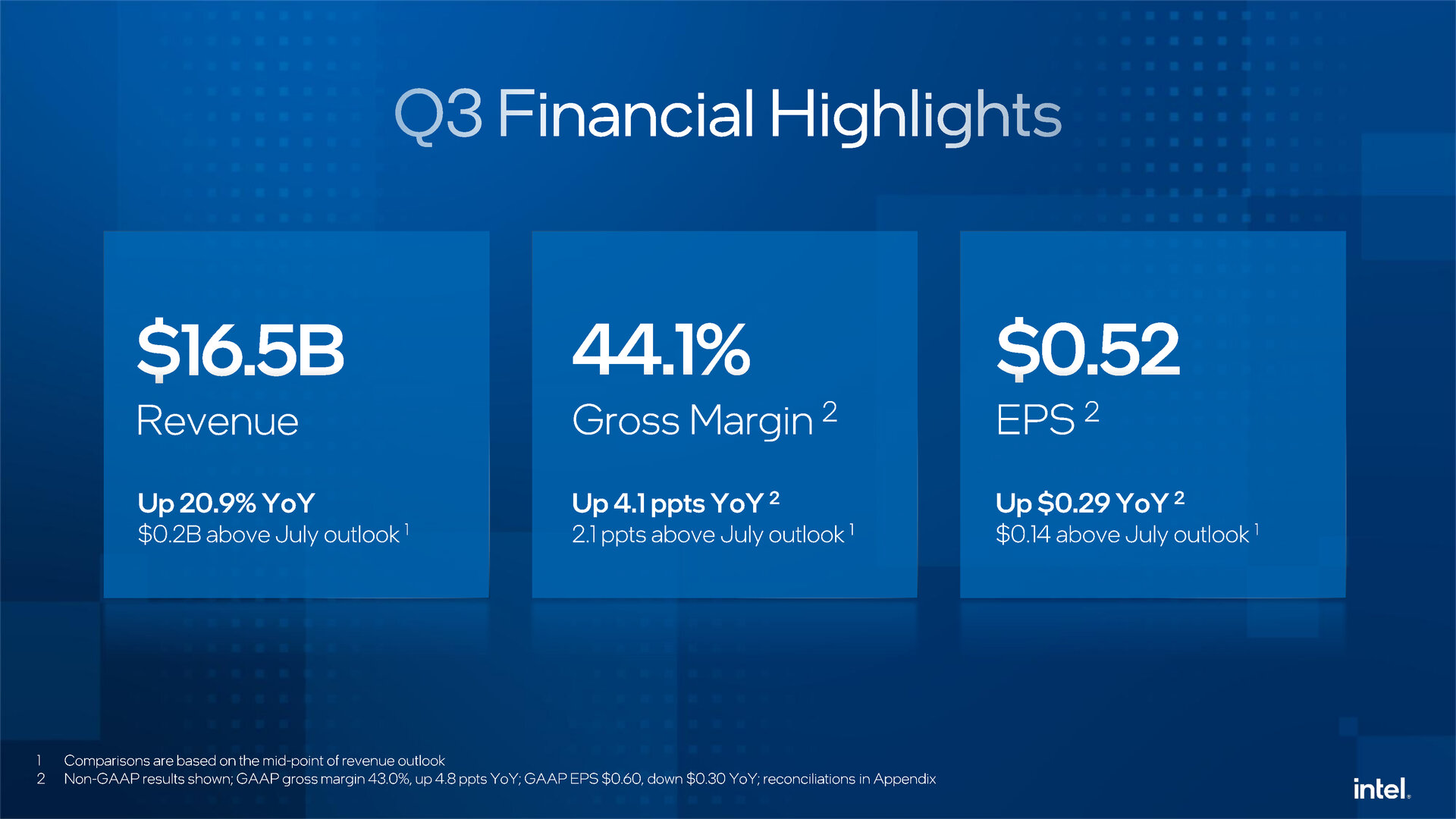
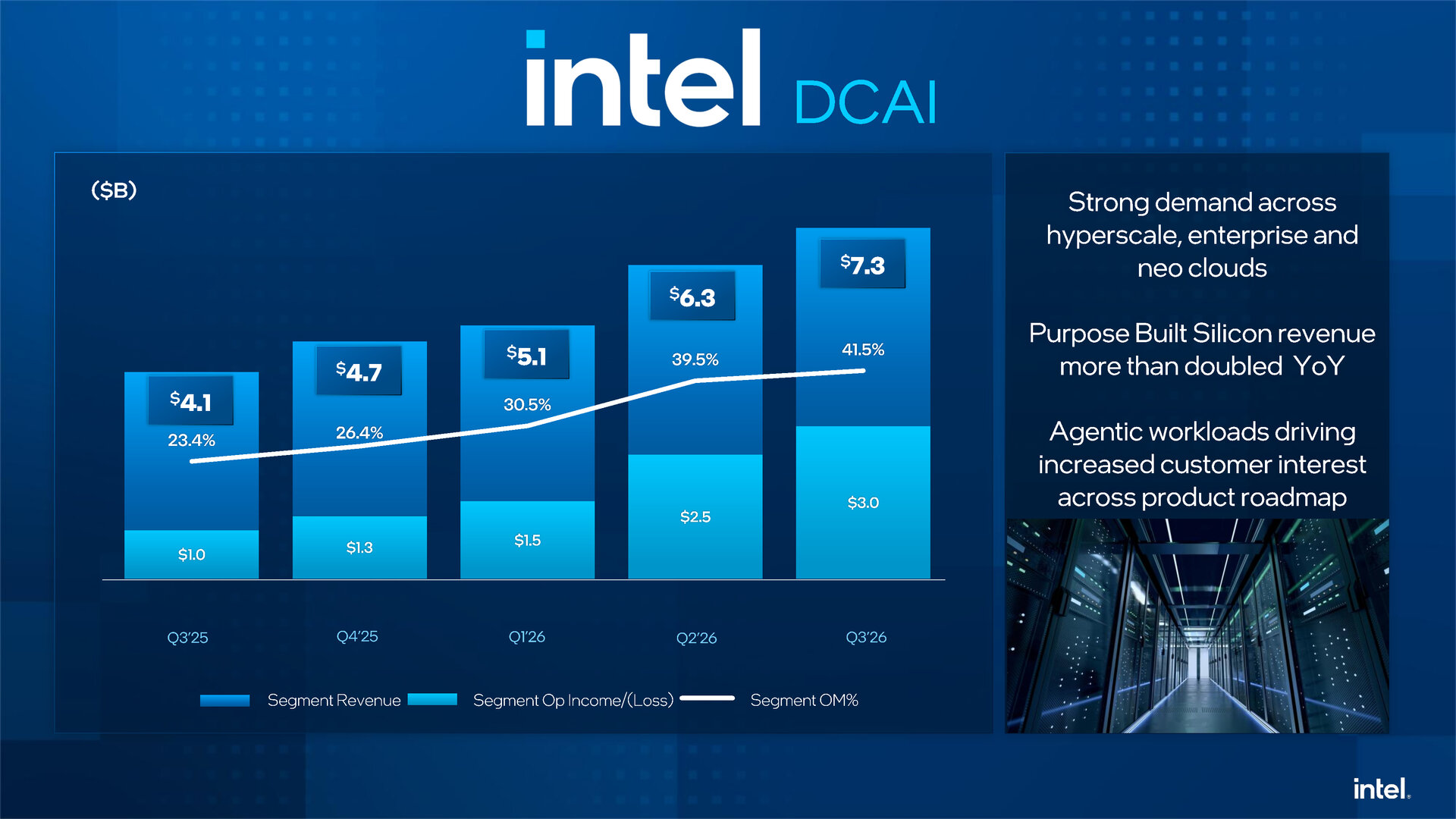
The Q3 2026 financial report presents a striking dichotomy between Intel’s core segments. On the surface, the company achieved a robust revenue of $16.5 billion, a 21% increase compared to the same period in 2025. This growth was largely propelled by the Data Center and AI (DCAI) division, which reported a staggering 78% year-over-year revenue surge to $7.3 billion.
However, beneath this headline growth, profitability remains under pressure. The net income attributable to Intel fell by 18% to $3.32 billion, reflecting the heavy costs associated with the company’s massive transition toward a foundry-first business model. While the gross margin improved by 4.8 percentage points to 43% and the operating margin climbed to 15.3%, the market remains focused on the "cash burn" associated with building new fabrication facilities.
The primary catalyst for the stock’s downward spiral was the guidance for the final quarter of 2026. Intel anticipates revenue between $15 billion and $16 billion, with a adjusted gross margin of approximately 38%. These figures, along with an adjusted earnings per share (EPS) projection of $0.25, fell significantly short of Wall Street’s expectations, signaling a difficult end to the fiscal year.
Chronology of the Quarter: From Growth to Headwinds
The third quarter began with optimism, driven by the massive deployment of server-grade CPUs and AI accelerators. Throughout the months of July, August, and September, Intel continued to ramp up production to meet the demand from hyperscalers—the massive cloud providers that form the backbone of the AI boom.
However, the outlook darkened significantly in mid-October. A tragic explosion at Intel’s Kiryat Gat plant in Israel not only resulted in the loss of life among staff but also crippled a vital manufacturing node. This operational disruption has forced the company to revise its short-term supply chain strategy. The facility, which underwent a mandatory two-week shutdown, is currently in the process of ramping back up to full capacity. According to company disclosures to Reuters, the incident is expected to shave approximately $300 million off the Q4 revenue and impact the gross margin by roughly two percentage points.
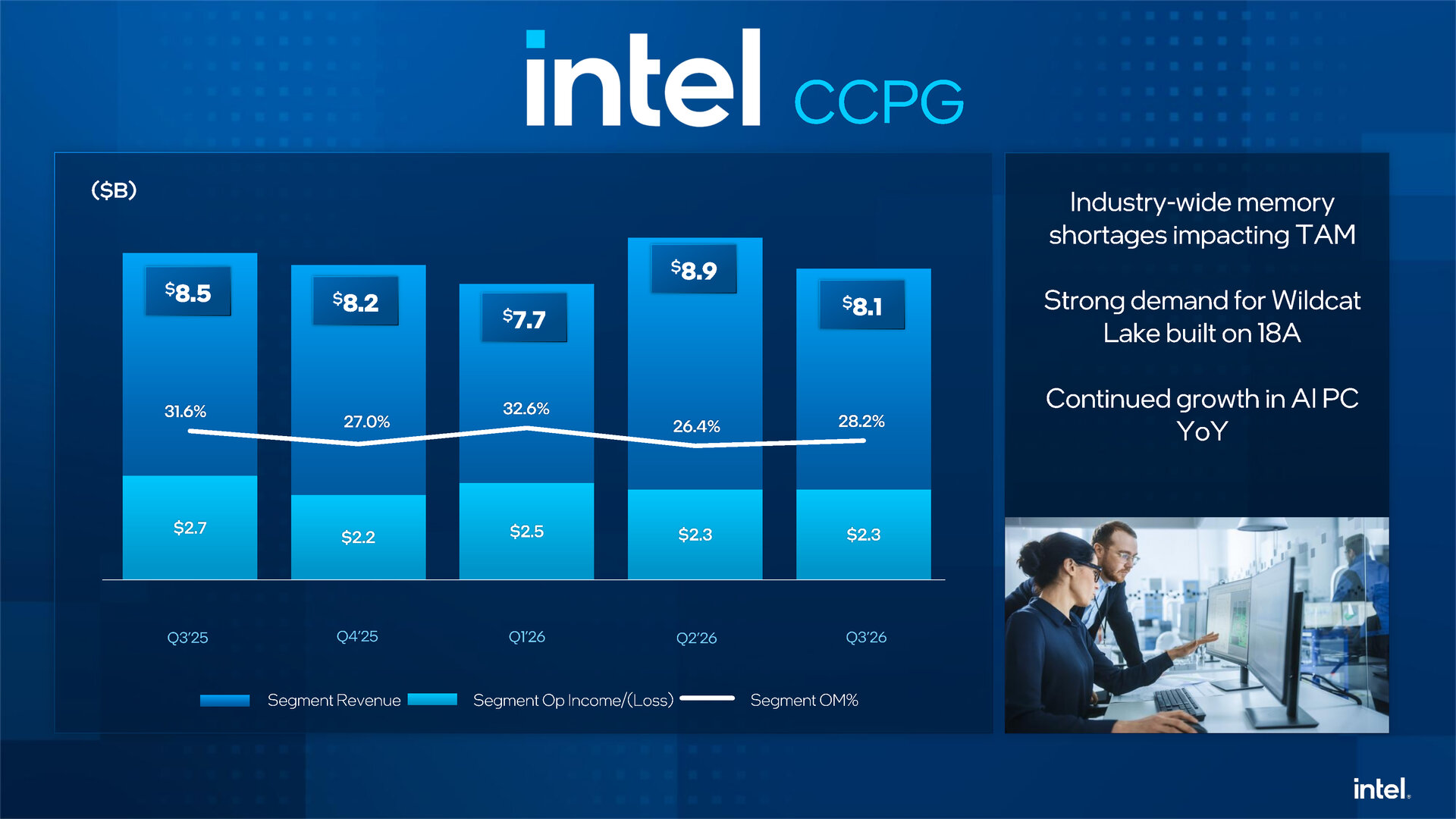
Simultaneously, the PC market—the traditional stronghold for Intel—failed to show the signs of recovery analysts had hoped for. The Client Computing and Physical AI (CCPG) segment saw revenue decline by 5% to $8.1 billion, as inventory corrections and high memory prices continued to suppress system sales.
Supporting Data: Dissecting the Segments
1. Data Center and AI (DCAI)
The standout performer of the quarter, DCAI, demonstrated that Intel remains a primary beneficiary of the global AI infrastructure build-out. With an operating profit of $3.04 billion, the segment is thriving. Intel management remains bullish, projecting that server CPU volumes across the industry will grow by more than 30% annually in both 2026 and 2027. Yet, the irony remains: while demand exceeds supply, Intel’s current capacity constraints prevent it from capturing the full value of this market boom.
2. Client Computing and Physical AI (CCPG)
The PC sector is in the midst of a painful correction. High memory costs and limited component availability have made PCs more expensive, leading OEMs to draw down their existing inventories rather than ordering new processors. Intel forecasts that the PC market will contract by roughly 12% in 2026, with the second half of the year facing a decline exceeding 20%. Management has signaled that a sustained recovery will not materialize until memory pricing and supply chains normalize, suggesting that the PC sector will remain a drag on growth throughout 2027.
3. Intel Foundry: The Costly Future
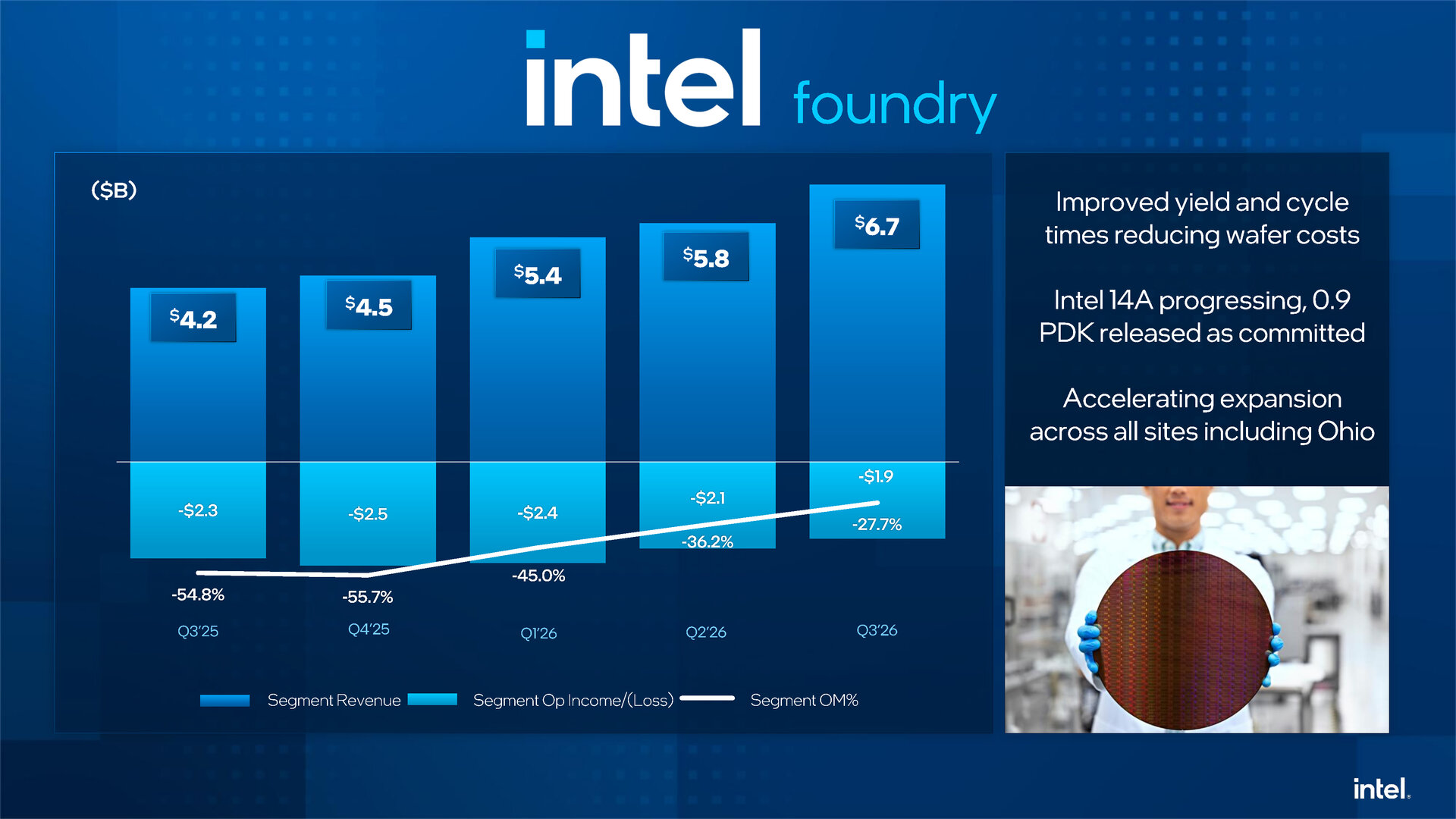
Intel’s bold pivot to becoming a premier contract manufacturer (foundry) for other chip designers is a long-term play with heavy short-term costs. While the segment reported a 58% increase in revenue to $6.7 billion, this figure includes internal sales to Intel’s own design units. Once consolidated, the picture changes: the foundry business recorded an operating loss of $1.85 billion. This highlights the massive capital intensity required to lead the world in advanced lithography and process technology.
Official Responses and Strategic Outlook
Intel’s leadership faces the arduous task of balancing the need for massive capital expenditure with the demands of skittish shareholders. The company has reaffirmed its commitment to the 2026 investment plan, which earmarks approximately $20 billion for infrastructure and R&D.
In its earnings call, Intel management addressed the "cash burn" concern directly. The company reported an operating cash flow of $5.1 billion for the quarter, with an adjusted free cash flow of $1.64 billion. Despite these figures, Intel does not expect to generate a positive free cash flow for the full fiscal year 2026, given the scale of its construction projects and the need for operational scaling.
The message from the executive suite is one of "long-term resilience." By sacrificing short-term profitability, Intel aims to secure a dominant position in the global semiconductor supply chain, hoping to become the primary alternative to Asian-based foundries for Western governments and tech giants alike.
Implications: A High-Stakes Transformation
The market’s reaction—a 20%+ drop in share price—reflects a fundamental shift in investor sentiment regarding Intel’s turnaround plan. For years, Intel has been viewed as a stable dividend payer and a market leader. Today, it is viewed as a high-risk, high-reward "growth" company that is essentially being forced to rebuild its house while living in it.
The Macroeconomic Environment
Intel is operating in a global landscape characterized by high interest rates, geopolitical tensions, and the "Ramageddon" of memory market volatility. The high cost of capital makes Intel’s aggressive investment strategy particularly sensitive. If the company cannot prove that its foundry services will attract major third-party clients, the massive investments in facilities could lead to a liquidity crunch or the need for further dilution of shareholder value.
The Competitive Landscape
While Intel grapples with its own internal structural changes, competitors such as AMD and NVIDIA are moving quickly to capture market share in AI and high-performance computing. Intel’s inability to fully satisfy server demand due to supply chain constraints represents a "lost opportunity" that its rivals are eager to seize.
The Road Ahead
The path to recovery is narrow. Intel must achieve three things simultaneously:
- Restore Operational Excellence: Ensure that the Kiryat Gat facility and other nodes are running at peak efficiency to stop the revenue bleeding.
- Execute on the Foundry Roadmap: Prove that the $20 billion investment is not just creating capacity, but generating revenue from external, high-margin customers.
- Navigate the PC Slump: Manage the inventory correction in the client business without sacrificing market share to competitors.
For the stakeholders of Intel, the next four to six quarters will be definitive. The current volatility is not merely a reaction to a single poor quarter; it is the market questioning whether Intel’s "Foundry 2.0" vision is achievable within the necessary timeframe. As the company continues to burn cash to secure its future, it remains a company in transition—caught between the legacy of its past dominance and the uncertain, high-stakes promise of its future.